Master of the Historia Friderici et Maximiliani
The Nativity
SEE IT IN PERSON
Not currently on view
In the collection of Art Institute of Chicago, Chicago · as of July 2026
Discussion
FROM THE ART INSTITUTE OF CHICAGO’S CATALOG
Once thought to be by the young Albrecht Altdorfer, this painting is instead the work of a painter named after a winged altarpiece in the town of Pulkau, near the Austrian and Moravian border. Though the artist takes his name from the Pulkau altarpiece, he was probably active in Vienna. Like other loosely associated South German and Austrian artists of the early 16th century, who are now grouped together as the Danube School, the Master of Pulkau used exuberant natural forms to give a heightened emotional quality to his work. In this altarpiece wing, the swirling vegetation, excited angels, and oversized Virgin and animals direct the viewer’s attention to the vulnerable Christ Child, who is the focus of adoration.
Be the first to share your thoughts.
Sign in to join the discussion.
More like this
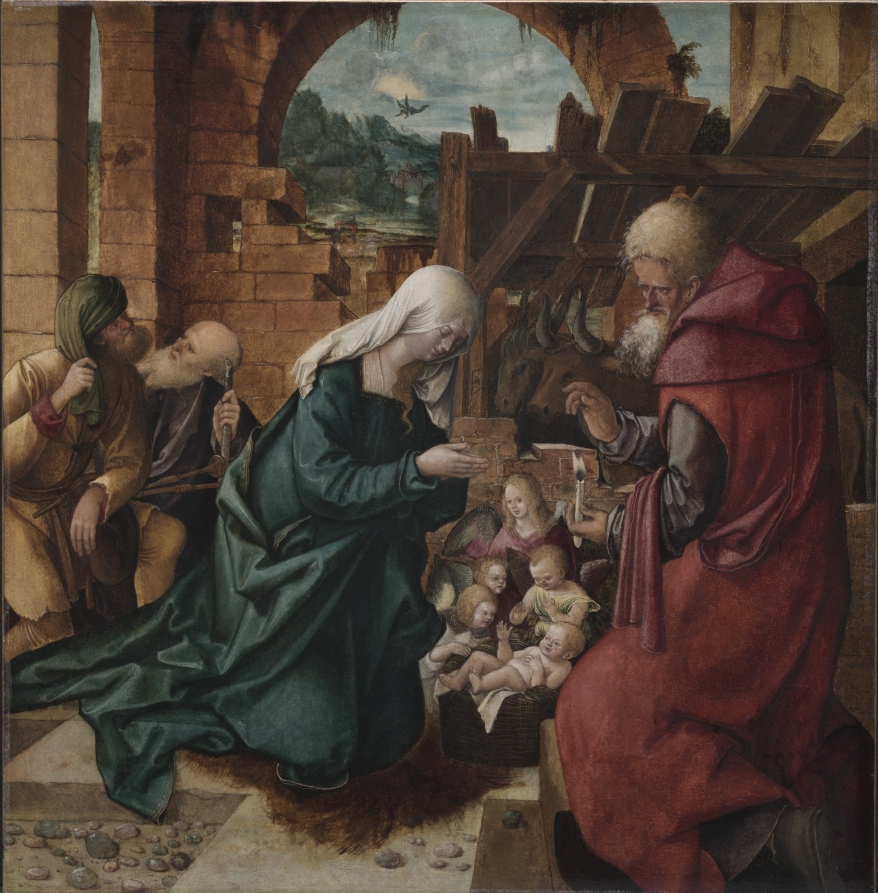 Hans Leonhard Schäufelein (German) — Adoration of the Shephe
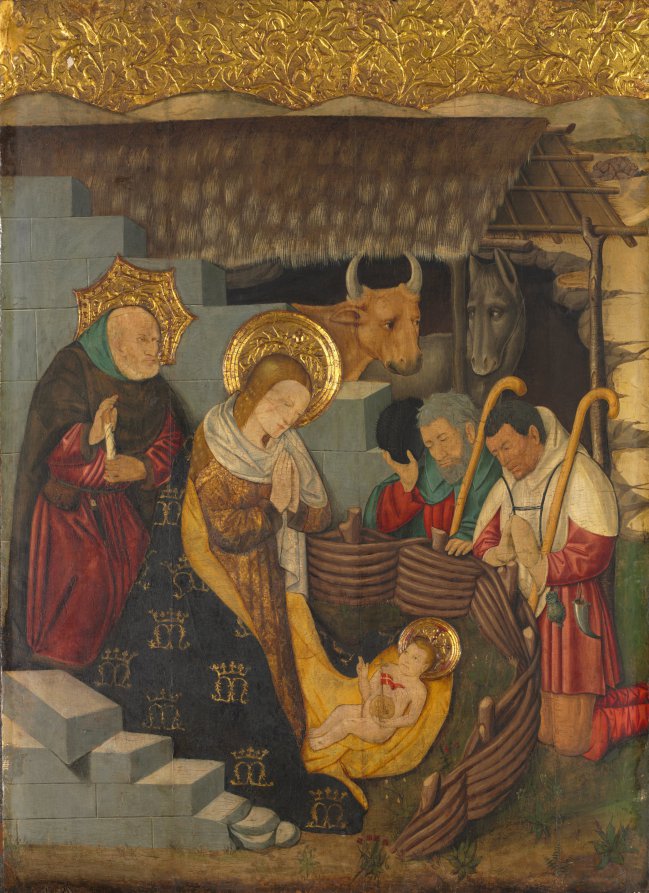 Jaume Ferrer the Younger (Spanish, Catalonia died c. 1460/70
 Vincenzo Frediani — The Adoration of the Christ Child
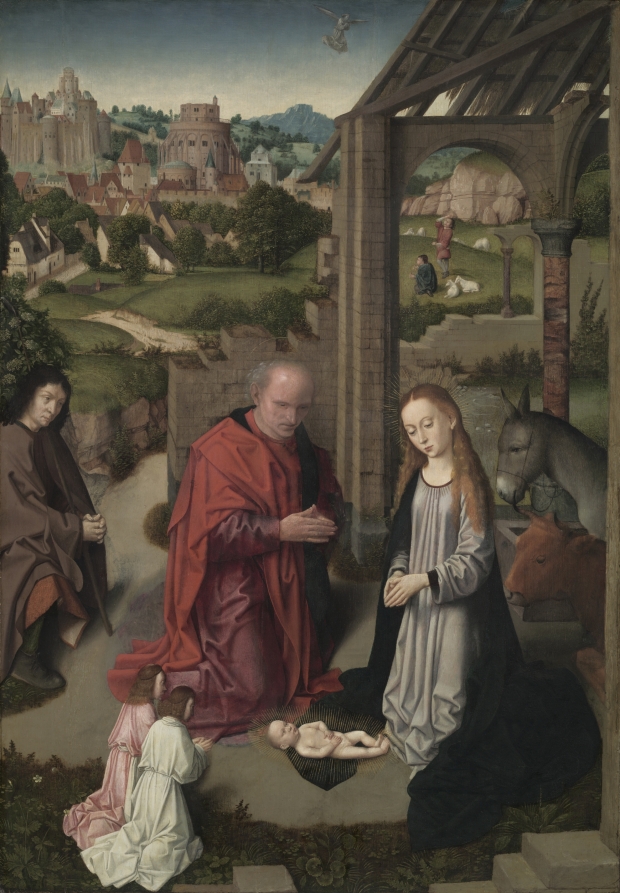 Gerard David (Netherlandish, 1450/60–1523) — The Nativity
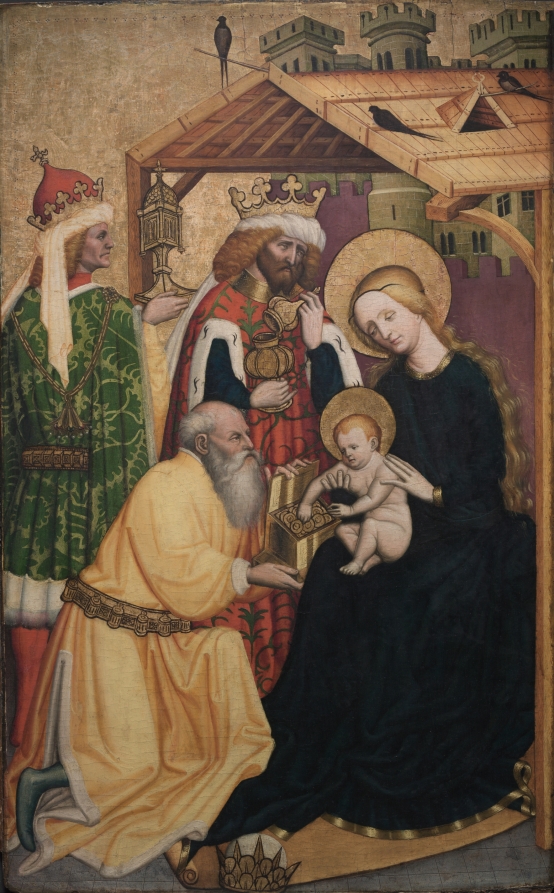 Konrad Laib (German) — Adoration of the Magi
 Geertgen tot Sint Jans (Netherlandish, c. 1460-c. 1490) — Th
 South Netherlandish Painter — The Nativity
 Adoration of the Shepherds
 Giovanni di Paolo (Giovanni di Paolo di Grazia) — The Adorat
 Battista Dossi (Italian, c. 1490–1548) — Holy Family with a
  Pieter Aertsen — De aanbidding van de koningen
 Fra Bartolommeo — The Nativity