In the collection of Cleveland Museum of Art, Cleveland — check current display status with the museum.
FROM THE CLEVELAND MUSEUM OF ART’S CATALOG
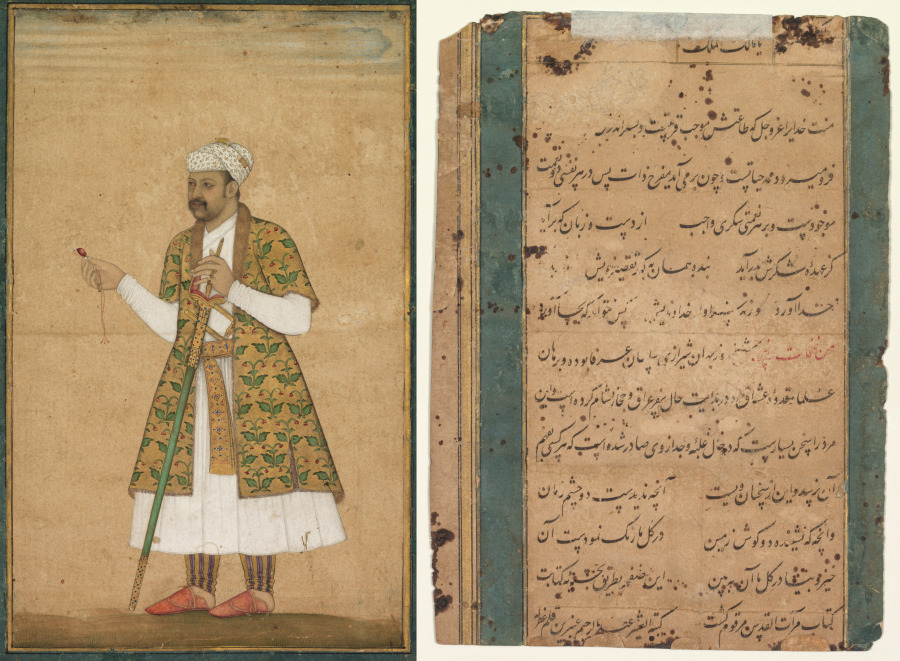
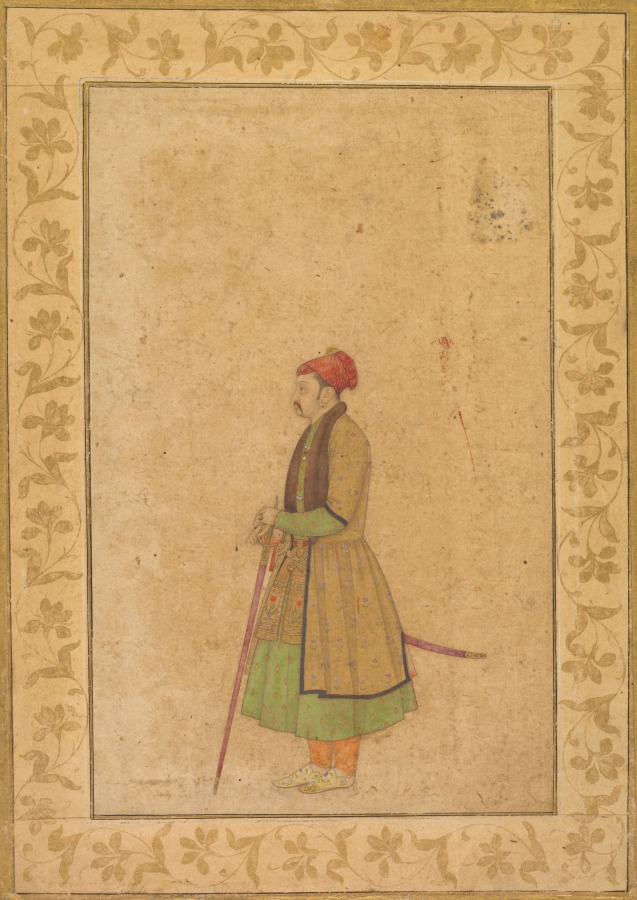
According to Akbar's court historian, the emperor ordered likenesses to be taken of the grandees of his realm. "An immense album was thus formed: those that have passed away have received a new life, and those who are still alive have immortality promised them." Akbar's son and successor, Jahangir (reigned 1605-27), continued the tradition of commissioning works of lifelike portraiture for inclusion in imperial albums. This courtier wears an opulent fur-trimmed, fringed velvet coat over his belted white tunic and striped pants-the typical Mughal dress derived from their roots among the nomadic horse-riding people of Central Asia. The artist has reveled in creating the soft textures of the facial hair, fur and fabrics. He holds a ruby-like gemstone called a spinel, which was prized among the Mughals for its talismanic properties of protection during battle.
Be the first to share your thoughts.
Sign in to join the discussion.
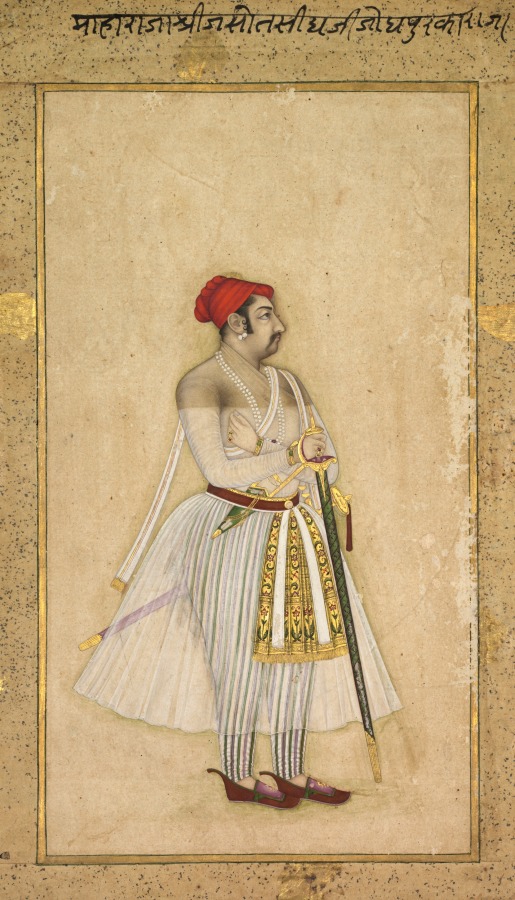 Jaswant Singh of Jodhpur (reigned 1635–1678)
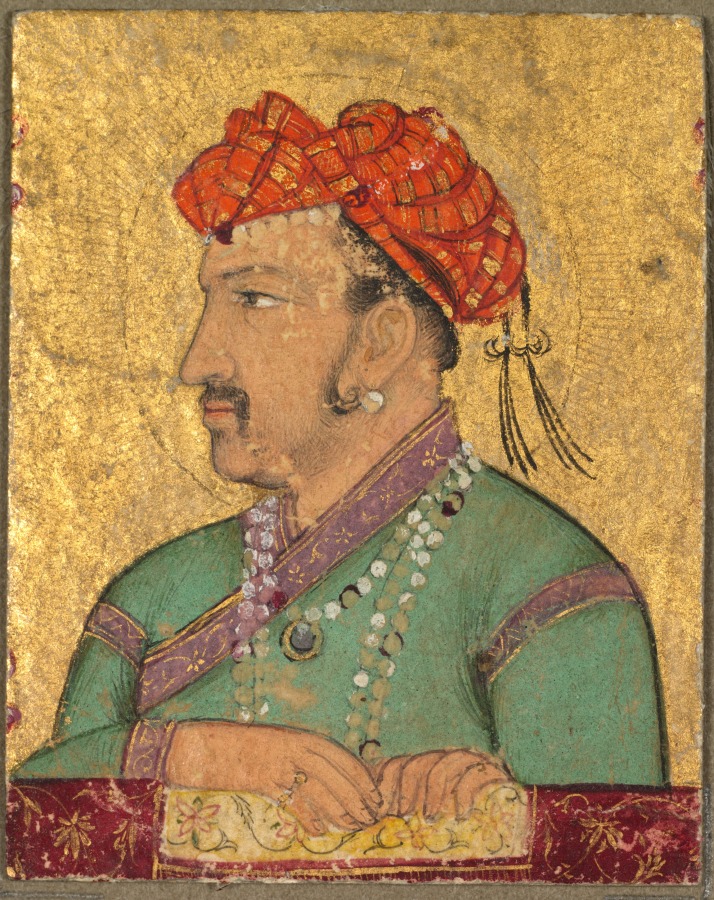 Portrait Jewel of Emperor Jahangir
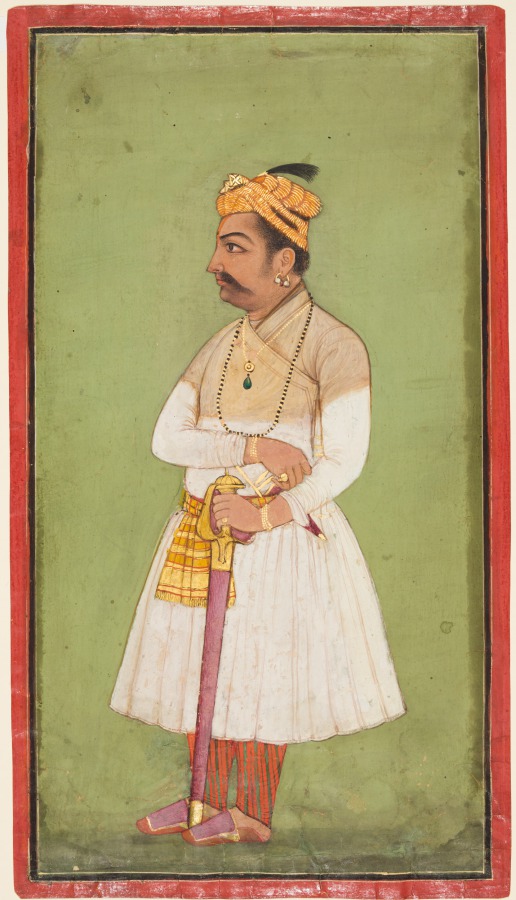 Raja Hari Sen of Mandi
 Portrait of Raja Ram Singh of Amber (r. 1667-1688) with a De
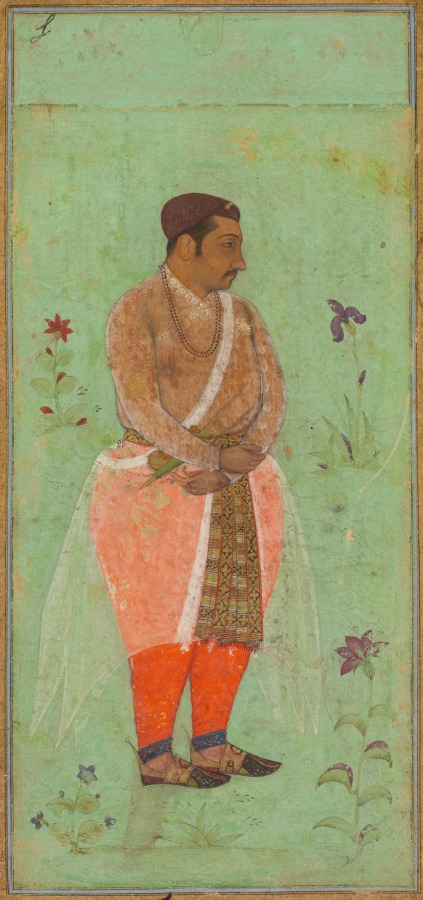 Bishandas (Indian, active c. 1610–30) — Portrait of Suraj Si
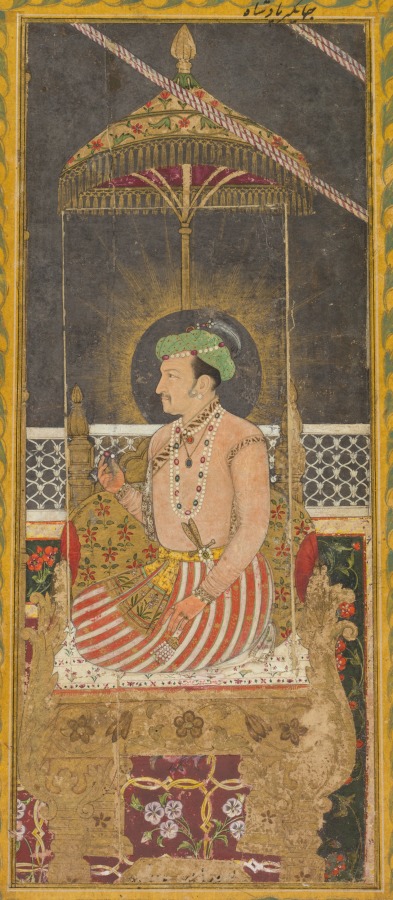 Posthumous portrait of Emperor Jahangir under a canopy (rect
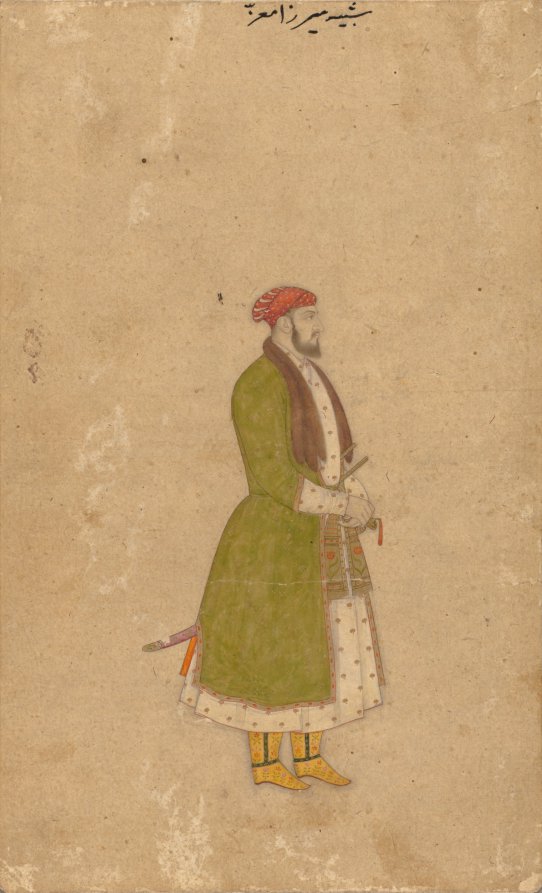 Portrait of the Courtier Mirza Muizz
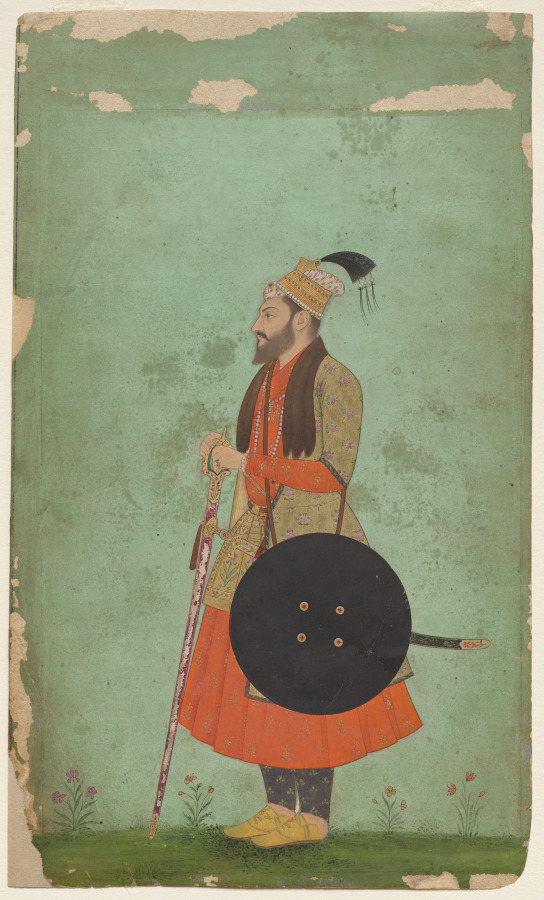 Portrait of Prince Murad Baksh (1624–1661)
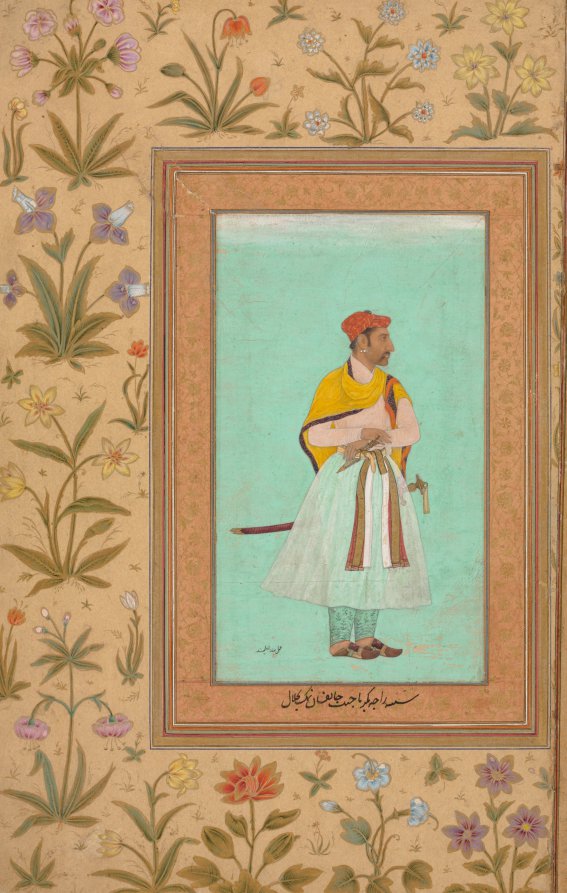 Lal Chand (Indian) — Portrait of Raja Bikramajit
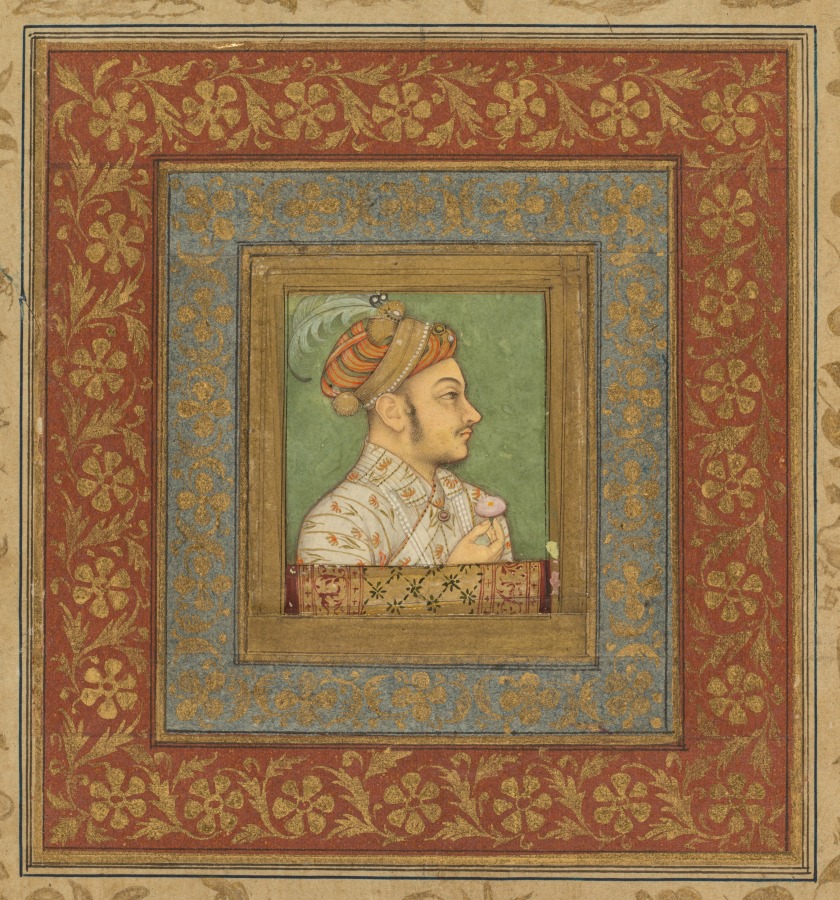 Balchand (Indian, active 1595–c. 1650) — Portrait of Murad B
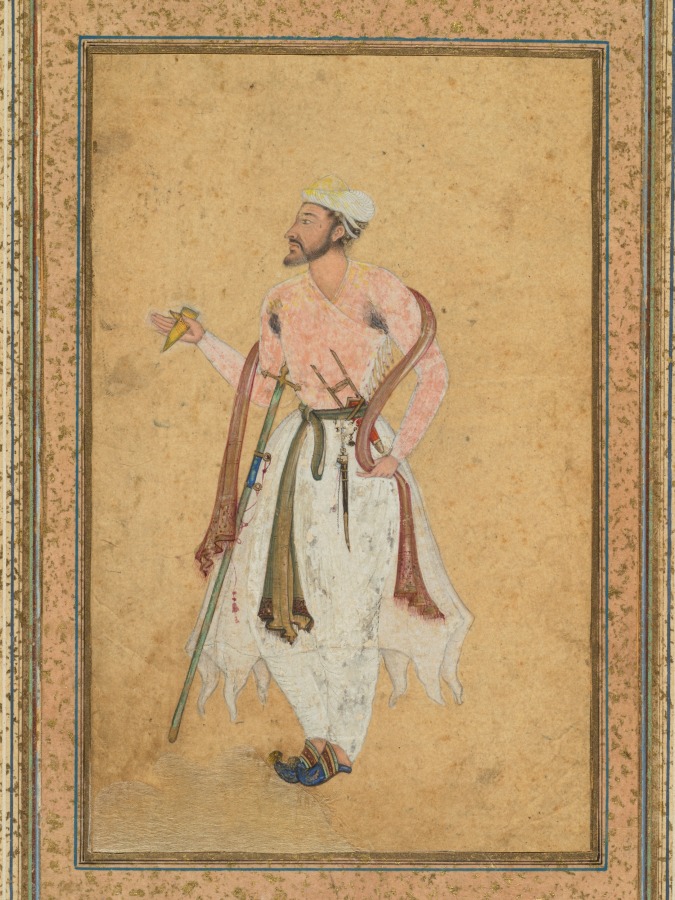 A Mughal courtier
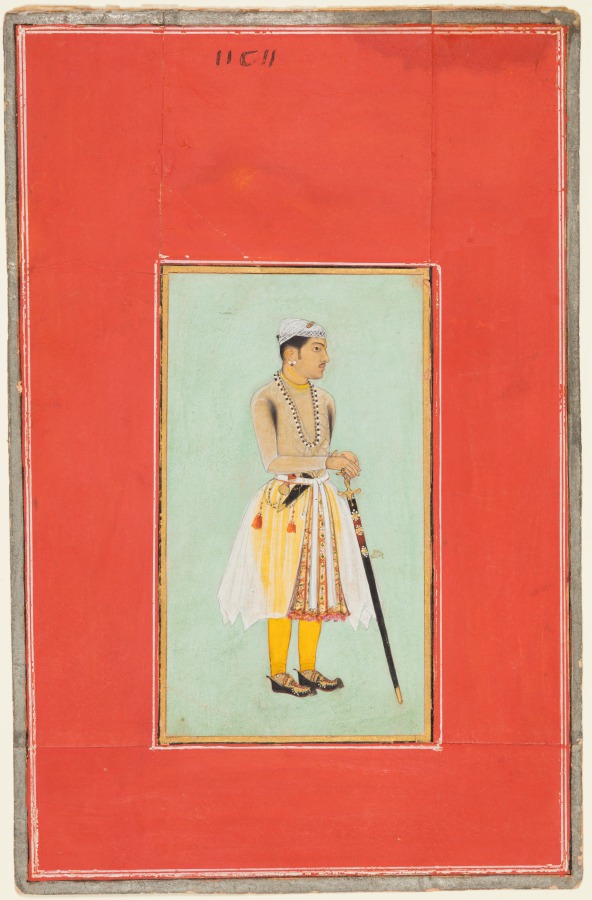 Portrait of Prince Sur Singh Rathor of Bikaner (1594–1631)