FROM THE CLEVELAND MUSEUM OF ART’S CATALOG
This sensitive portrait is among the earliest surviving individual portraits from the Mughal atelier. He remains unidentified by inscription, since such portraits were made for the emperor Akbar who was unable to read. Realism in portraiture developed under Akbar as a means of keeping records of gifts and promotions without written notations. The figure conspicuously grasps the maroon and gold scarf in his left hand, which suggests that it may have been the gift from the emperor that would have occasioned the portrait. The array of blades he carries indicates that he was conscripted into military service at the Mughal court.
Source ↗︎
Be the first to share your thoughts.
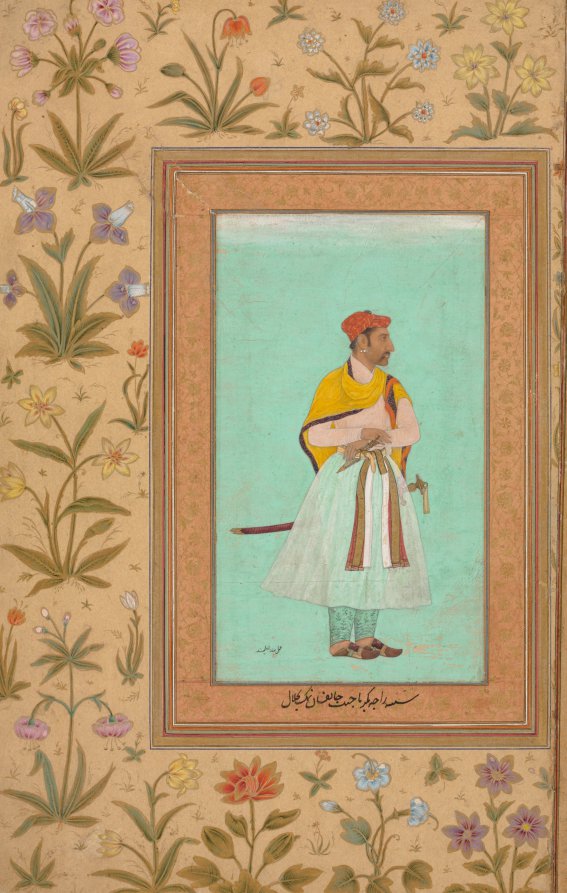 Lal Chand (Indian) — Portrait of Raja Bikramajit
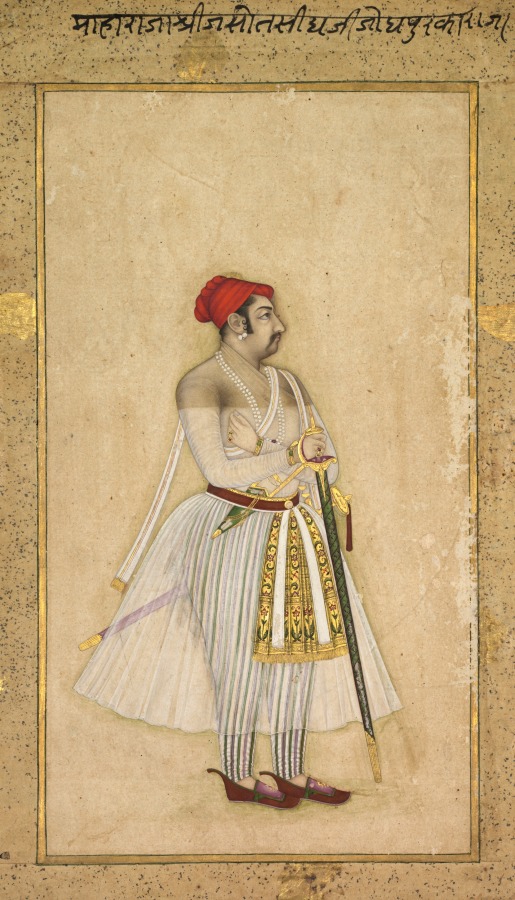 Jaswant Singh of Jodhpur (reigned 1635–1678)
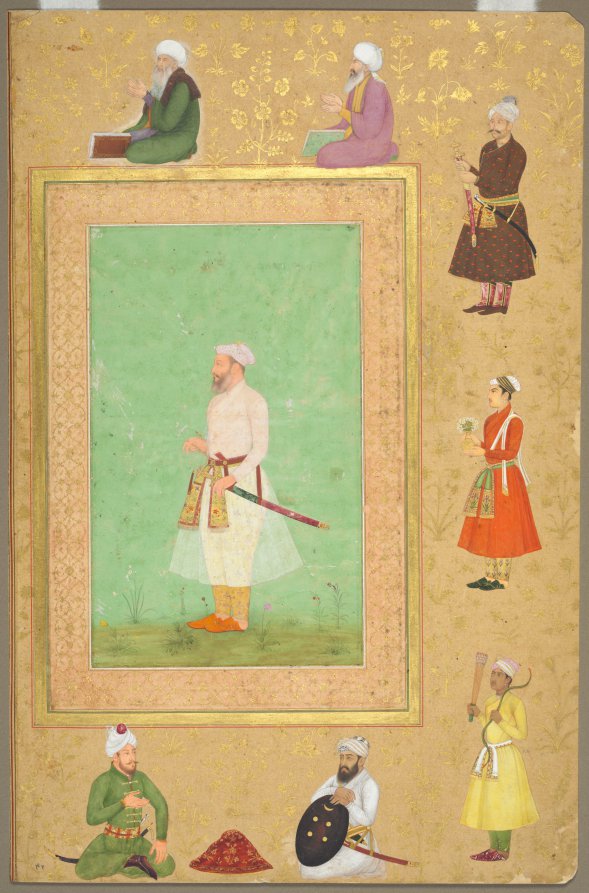 Portrait of Asaf Khan (1569–1641), from the Late Shah Jahan
 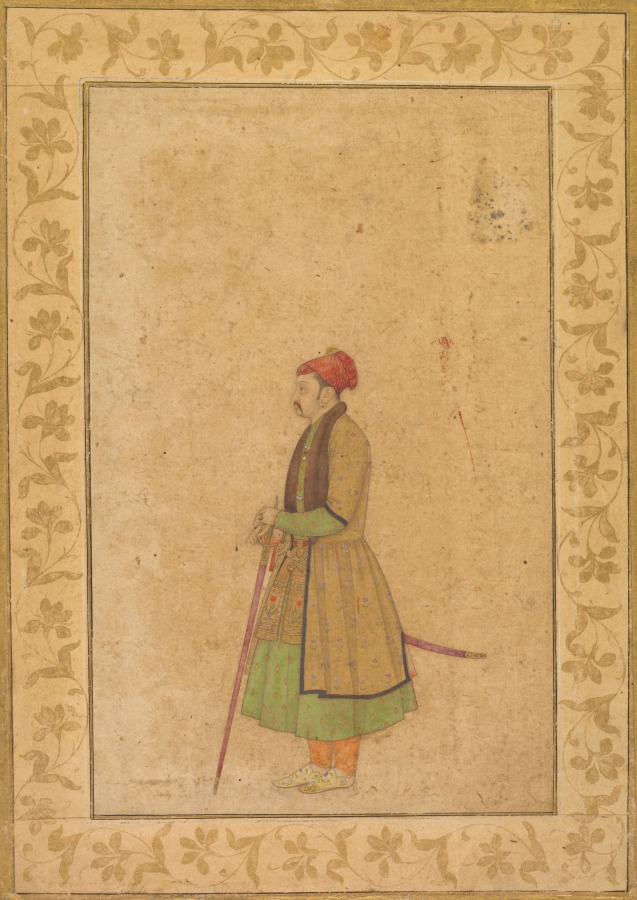 Portrait of Raja Ram Singh of Amber (r. 1667-1688) with a De
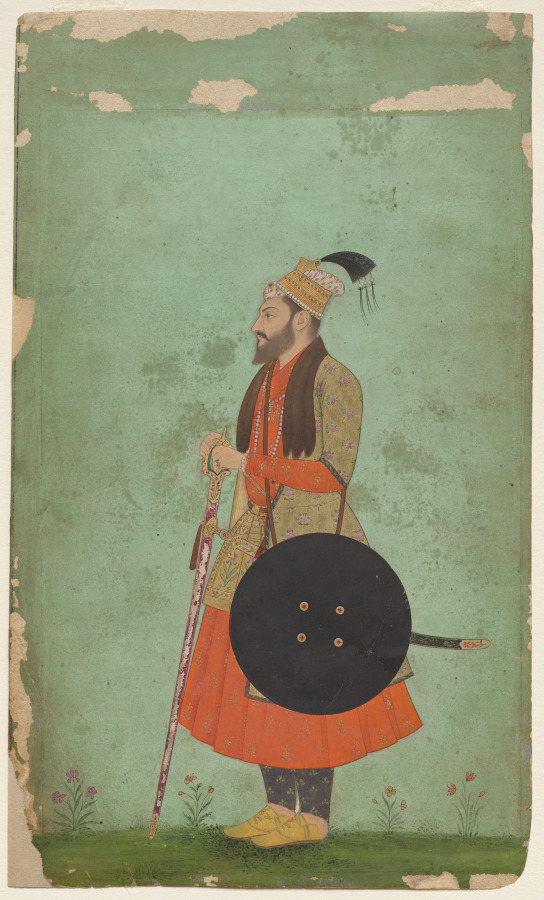 Portrait of Prince Murad Baksh (1624–1661)
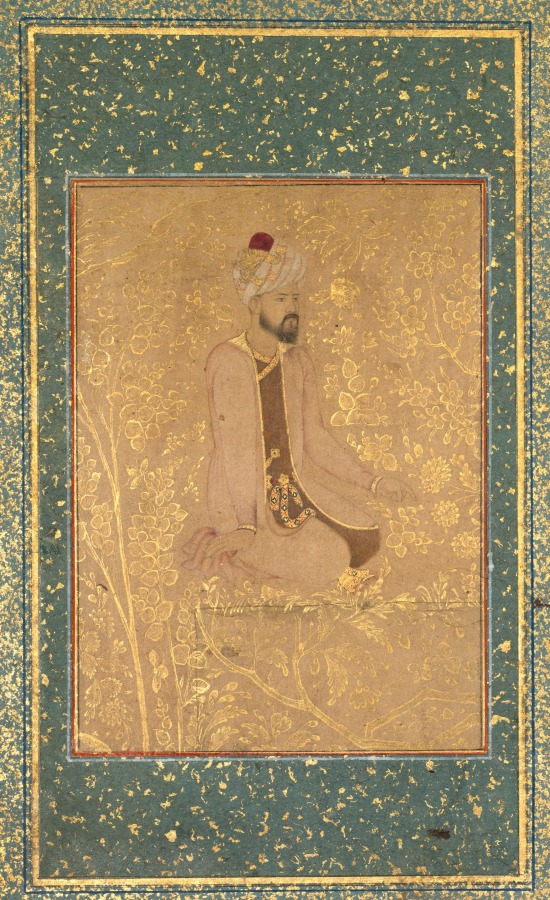 Seated Scholar, Border Fragment from the Teheran/Berlin albu
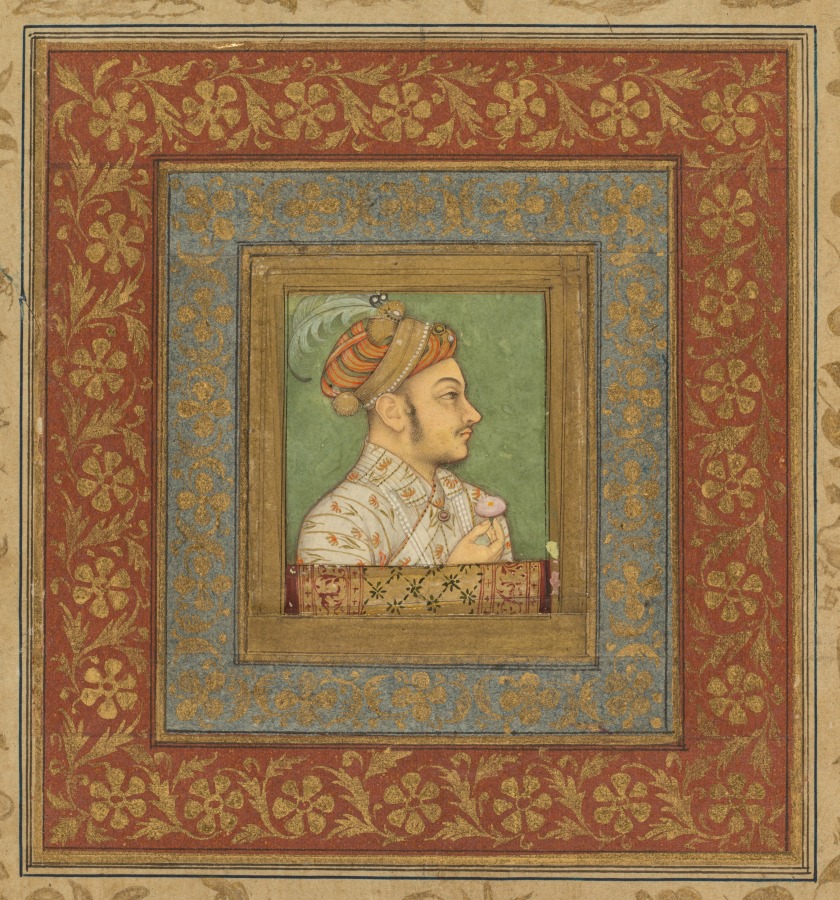 Balchand (Indian, active 1595–c. 1650) — Portrait of Murad B
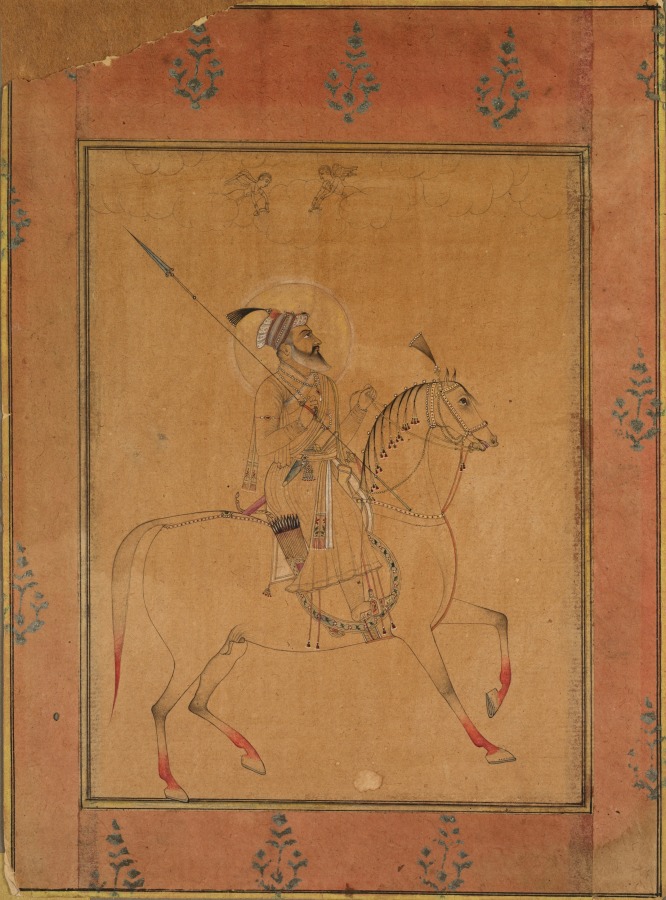 Emperor Shah Jahan
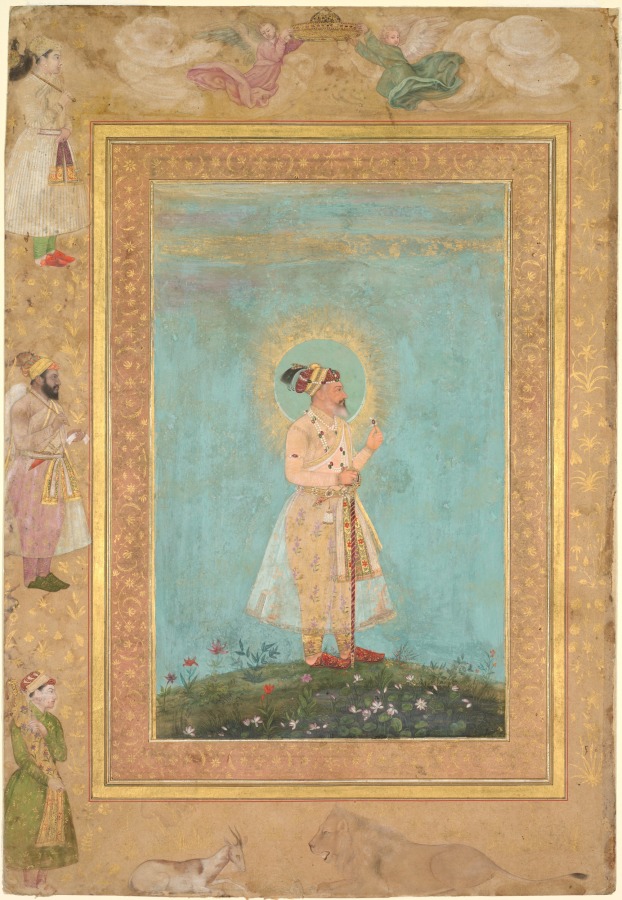 Hashim (Indian, active 1598-c.1650) — Shah Jahan holding a s
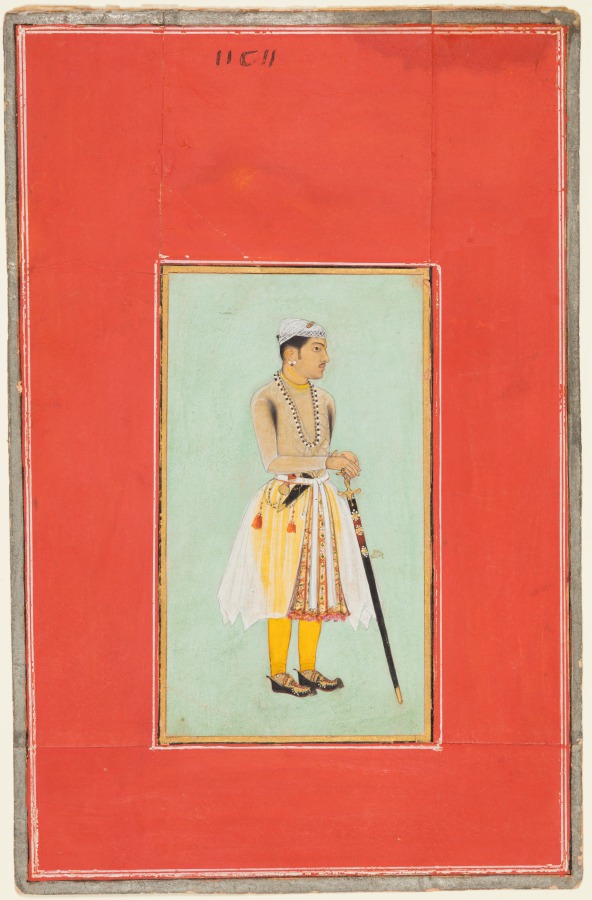 Portrait of Prince Sur Singh Rathor of Bikaner (1594–1631)
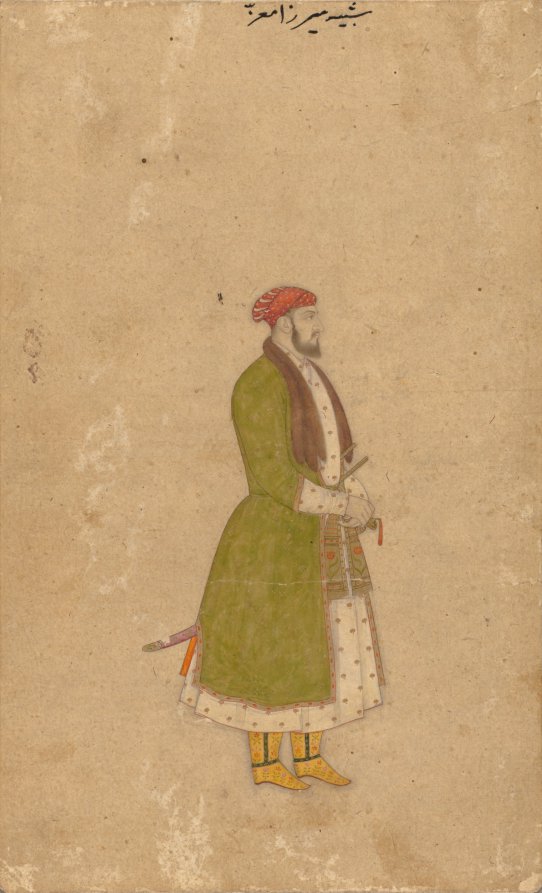 Portrait of the Courtier Mirza Muizz
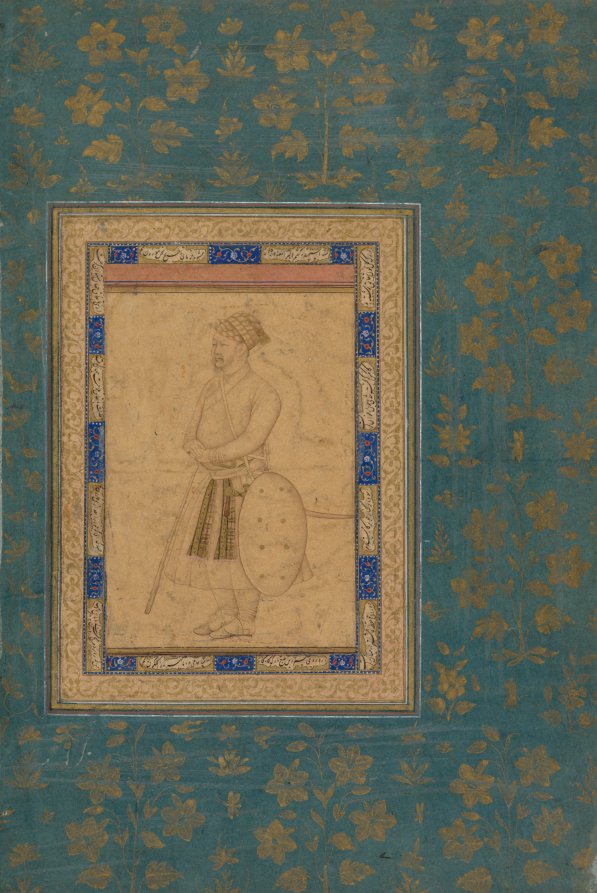 Portrait of an Unidentified Noble from Shah Jahan's Court