More like this
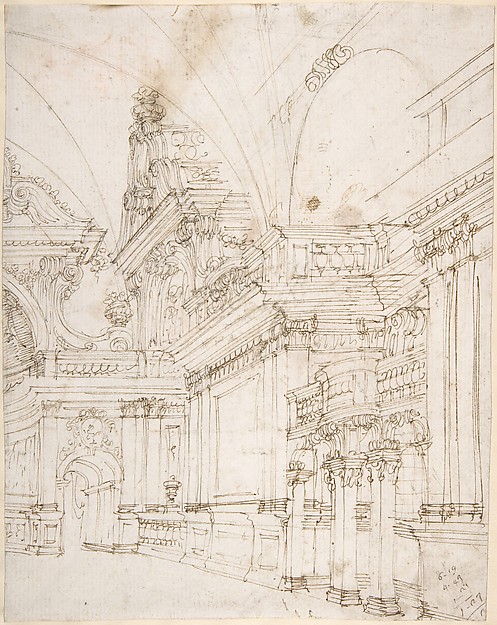 Antonio Galli Bibiena|Ferdinando Galli Bibiena — Sketch of a
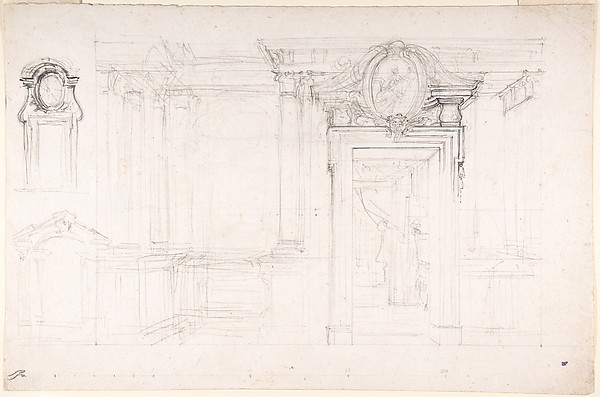 Luigi Vanvitelli — Architectural Sketch for the design of a
 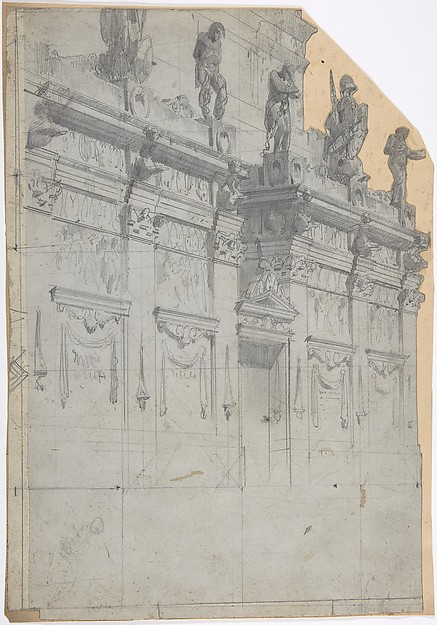 Eugène Cicéri — Design for a Stage Set at the Opéra, Paris
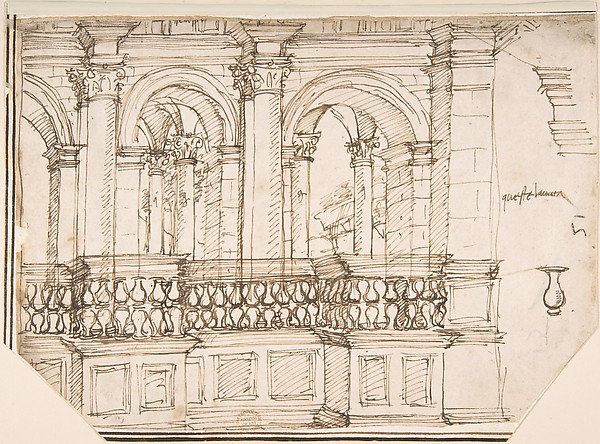 Anonymous, Italian, 16th century — Arcade in the Balustrade
 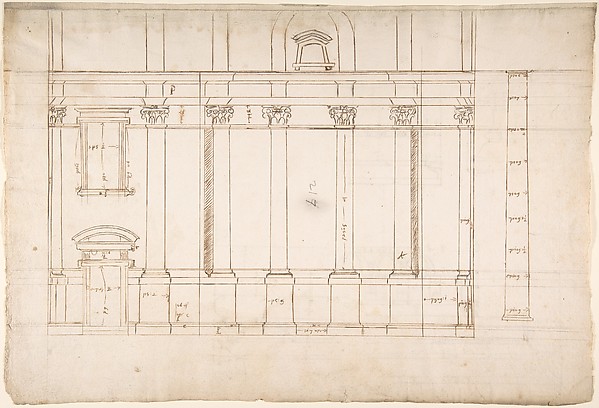 Anonymous, French, 16th century — Santa Maria Maggiore, Sfor
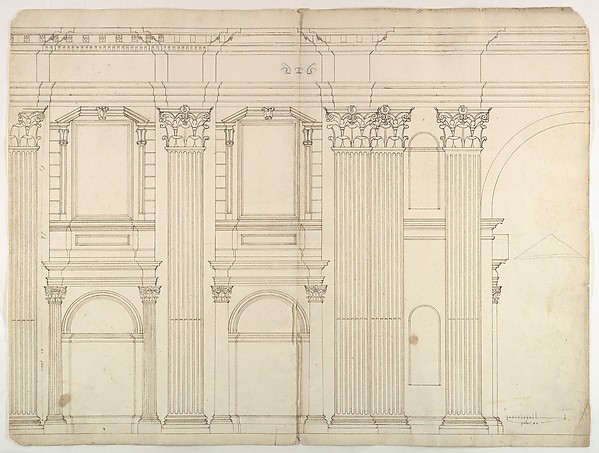 Anonymous, French, 16th century — Saint Peter's, apse, exter
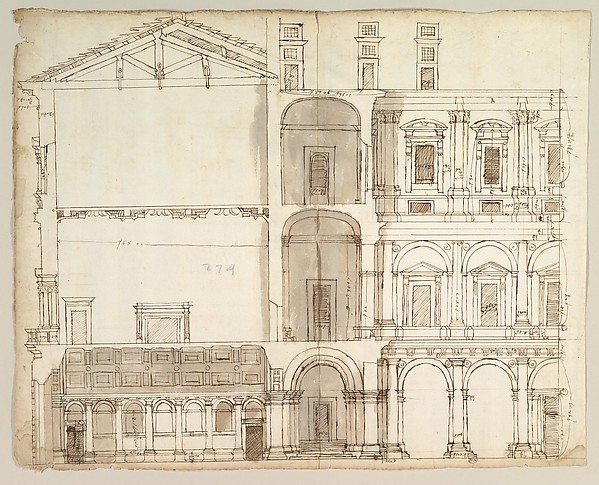 Anonymous, French, 16th century — Palazzo Farnese, section (
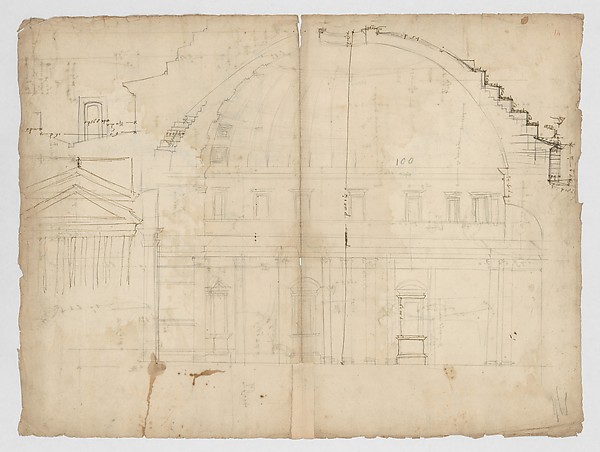 Anonymous, French, 16th century — Pantheon, section (recto)
 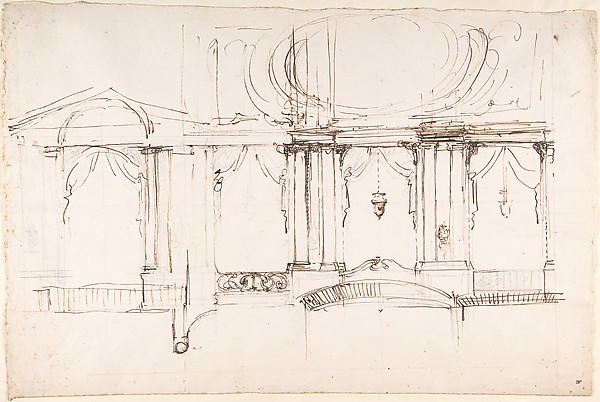 Luigi Vanvitelli — Design for a Theater Interior
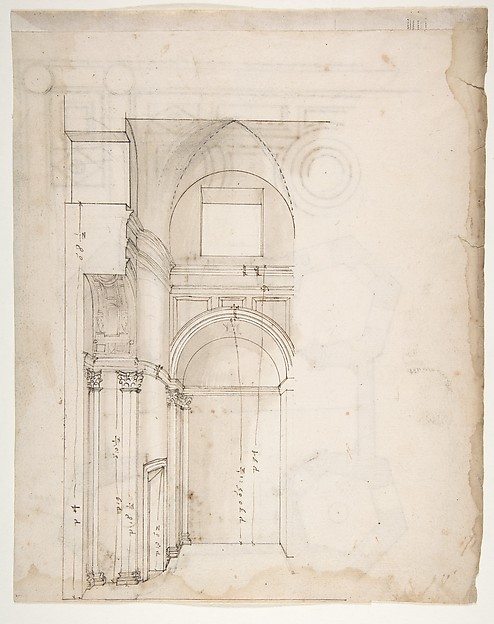 Anonymous, French, 16th century — S. Giovanni Laterno, Orato
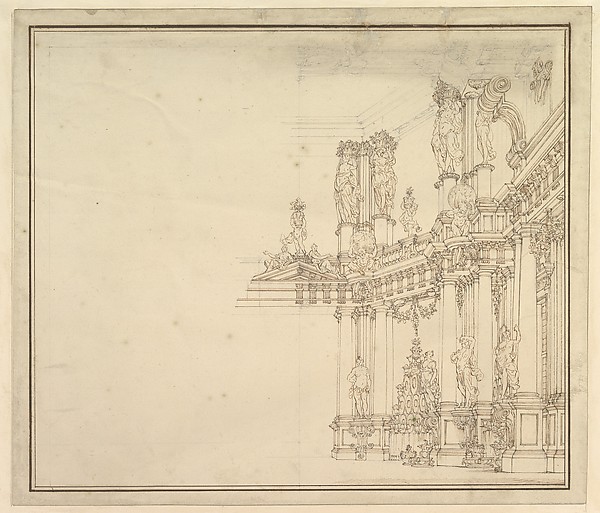 Giuseppe Galli Bibiena — Design for a Stage Set: Palace Hall
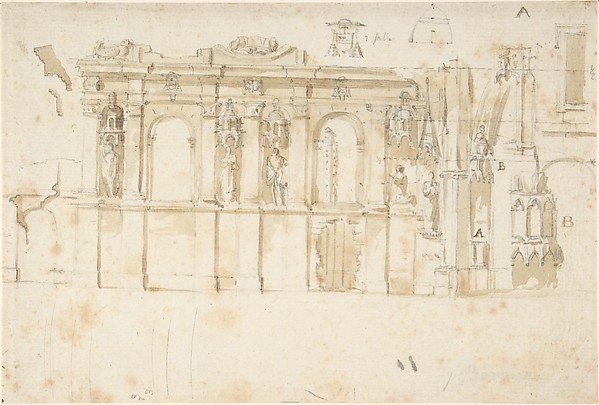 Anonymous, Italian, 19th century — Design of an Architectura