North Woods Club, Adirondacks (The Interrupted Tete-a-Tete)
SEE IT IN PERSON
Not currently on view
In the collection of Art Institute of Chicago, Chicago · as of July 2026
Discussion
FROM THE ART INSTITUTE OF CHICAGO’S CATALOG
In numerous watercolors, Homer explored aspects of the controversy over deer hunting practices in the Adirondack region without overtly expressing his own opinion. In North Woods Club, Adirondacks (The Interrupted Tête-à-tête) , hunting is only hinted at in a subliminal way. Homer pictured two white-tailed deer, a doe and a buck, at the edge of a mountain meadow. Homer selected the exact moment when the deer become aware of another presence, the identity of whom is left to the viewer’s imagination. He juxtaposed a yellow-green flowering meadow with cool, purple-blue mountains, creating an entrancing summer vista. Yet Homer alluded to a less-benign narrative that would have been clear to his contemporaries. Two tall white pines stand silhouetted against the view, echoing the two deer. White pine had been dangerously over harvested in this period, and worry over its dwindling numbers in the Adirondacks paralleled concern for excessive hunting of deer. Homer drew the pine trees and deer carefully in pencil before adding watercolor, making sure that the distinctive characteristics of both threatened species would be clearly identifiable.
Be the first to share your thoughts.
Sign in to join the discussion.
More by Winslow Homer




More like this
 Winslow Homer (American, 1836–1910) — Mink Lake, Adirondacks
 Rosa Bonheur (French, 1822–1899) — Stag Lying Down
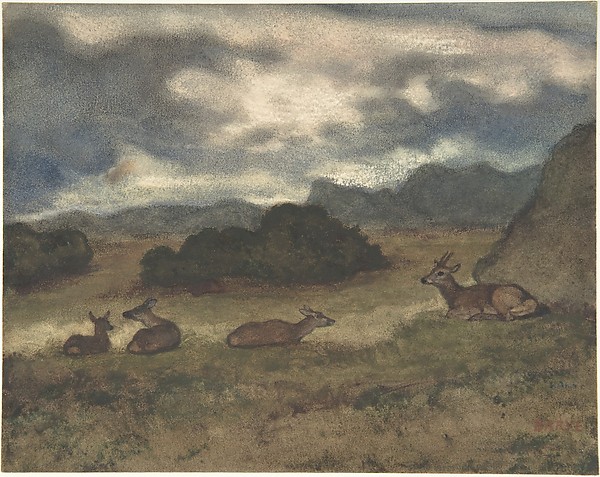 Antoine-Louis Barye — Deer in Landscape
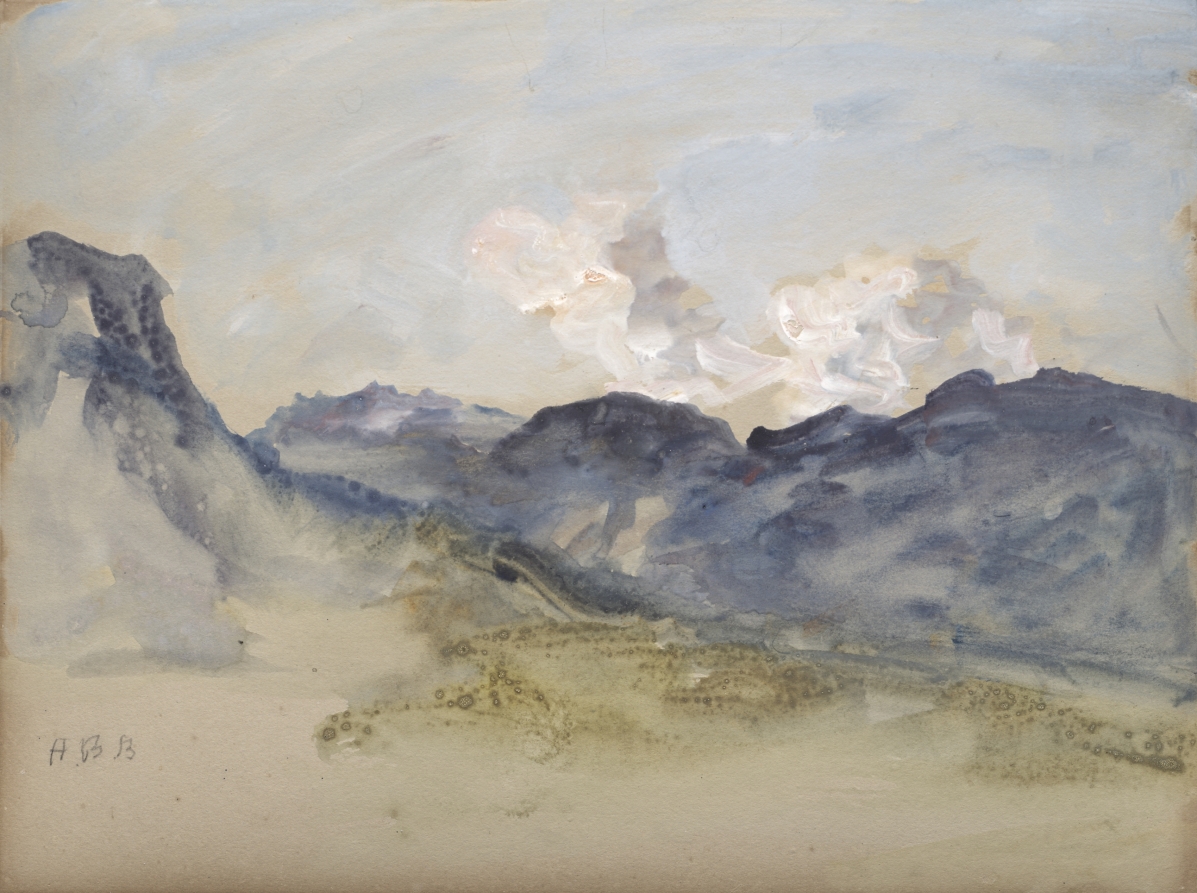 Hercules Brabazon Brabazon (British, 1821–1906) — In the Alp
 Sir Edwin Henry Landseer — Two Stags Running
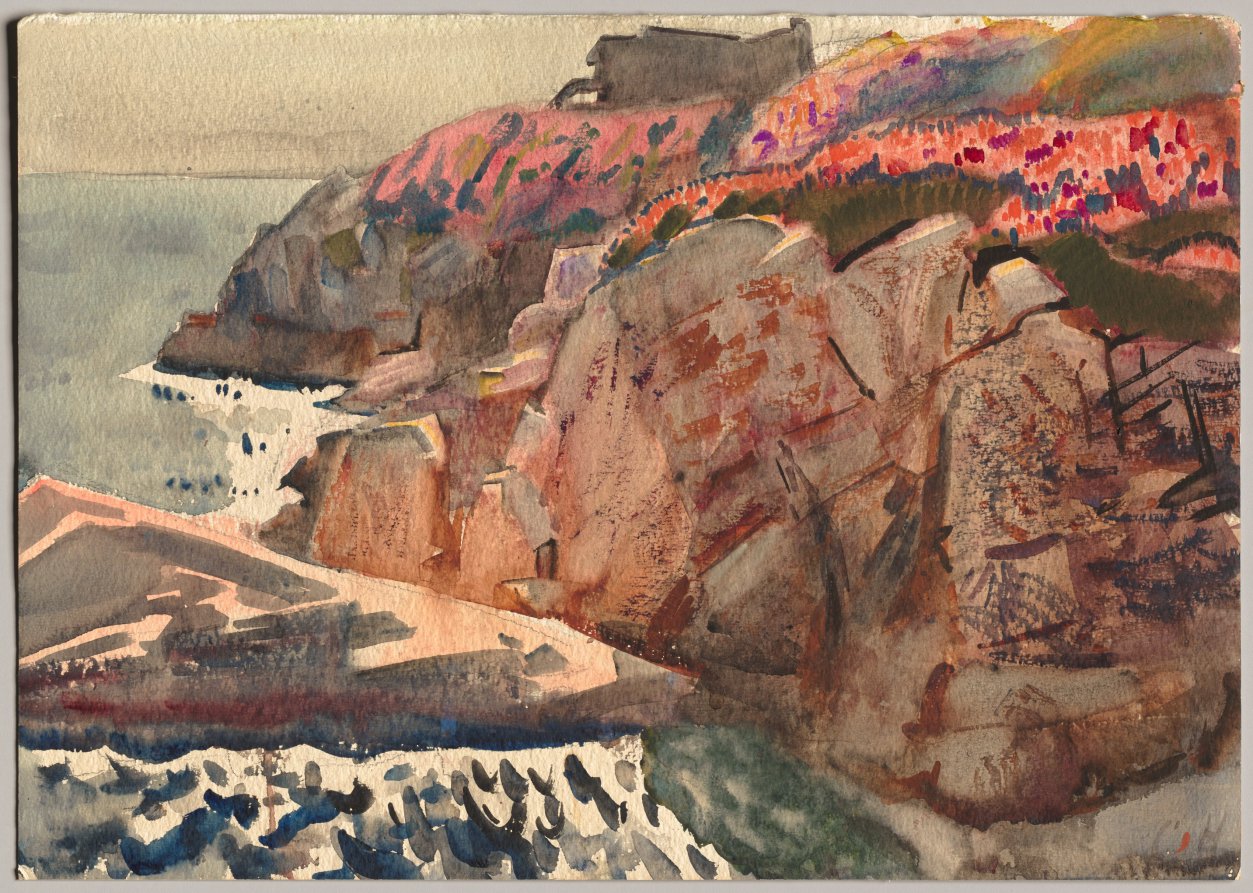 Charles Sydney Hopkinson (American, 1869–1962) — Cliffs, Nov
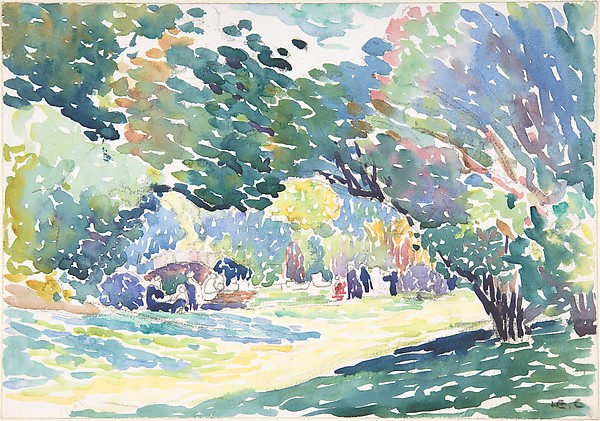 Henri-Edmond Cross (Henri-Edmond Delacroix) — Landscape
 Xie Shichen — Winter Landscape
 Eugène Delacroix — Sketchbook from the Artist's Trip to Germ
 Muirhead Bone (British, 1876–1953) — Etna
 Joseph Wright (Wright of Derby) — Landscape with Trees and D
 Paul Cézanne — Mont Sainte-Victoire (La Montagne Sainte-Vict