Francisco José de Goya y Lucientes
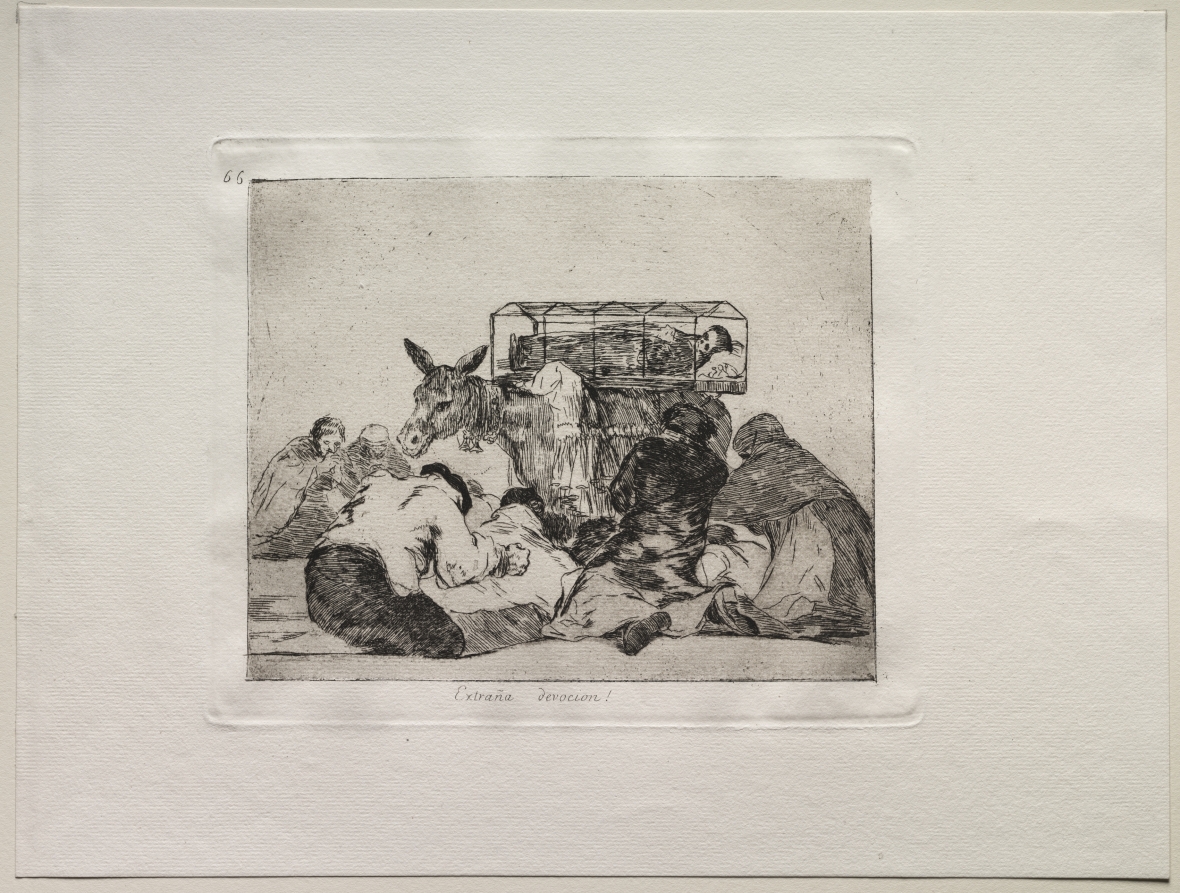
Strange Devotion!, plate 66 from The Disasters of War
1815/20, published 1863
Etching and burnished aquatint or lavis on ivory wove paper with gilt edges
15 × 19.4 cm (5.9 × 7.6 in)
SEE IT IN PERSON
Not currently on view
In the collection of Art Institute of Chicago, Chicago · as of July 2026
Discussion
FROM THE ART INSTITUTE OF CHICAGO’S CATALOG
By depicting a skeleton in a glass coffin, possibly a reference to the Snow White fairy tale, Goya questioned the continued relevance of relics in the Roman Catholic faith. While the bowed heads of onlookers suggest that the box contains the body of an important saint, the donkey carrying it is one of Goya’s favorite embodiments of folly, underscoring the artist’s satirical intent.
Be the first to share your thoughts.
Sign in to join the discussion.
More by Francisco José de Goya y Lucientes
 The Hanged Monk
 Friar Pedro Wrests the Gun from El Maragato
 Friar Pedro Shoots El Maragato as His Horse Runs Off
 Portrait of Isidoro Maiquez
 Winter Scene
 Friar Pedro Offers Shoes to El Maragato and Prepares to Push
 Friar Pedro Clubs El Maragato with the Butt of the Gun
 Friar Pedro Binds El Maragato with a Rope
More like this
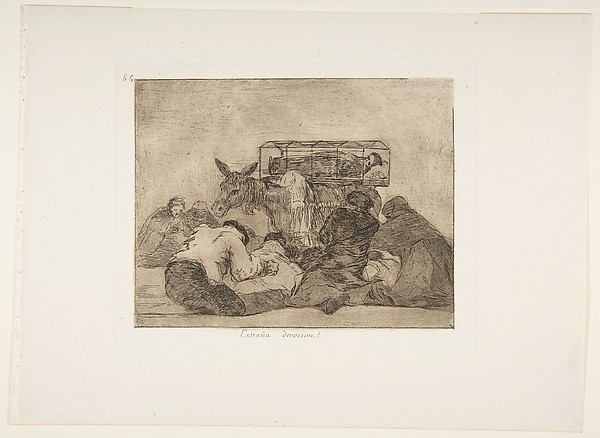 Goya (Francisco de Goya y Lucientes) — Plate 66 from "The Di
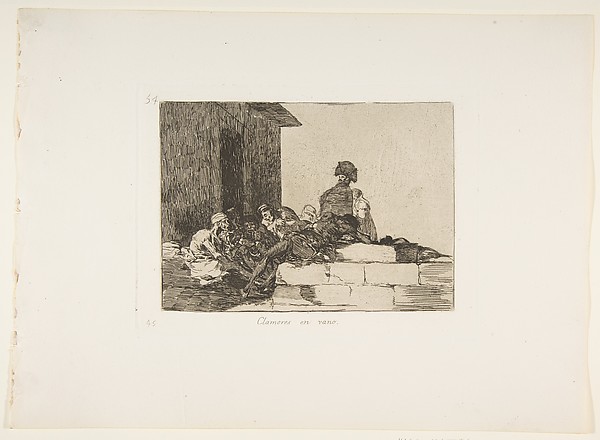 Goya (Francisco de Goya y Lucientes) — Plate 54 from "The Di
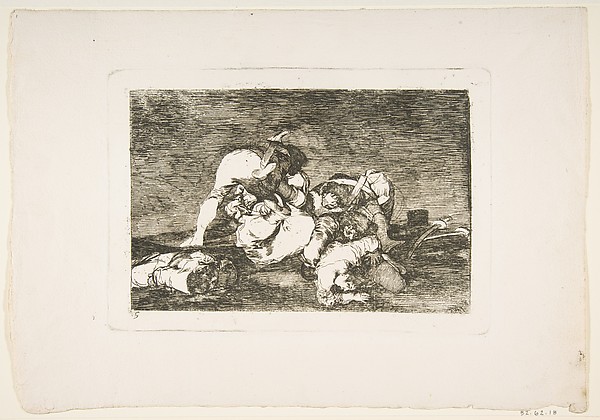 Goya (Francisco de Goya y Lucientes) — Plate 10 from "The Di
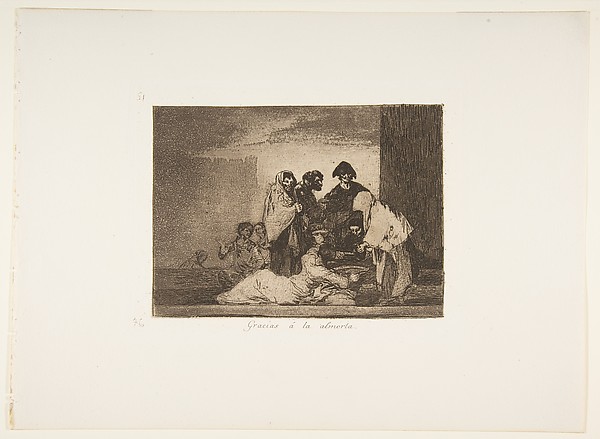 Goya (Francisco de Goya y Lucientes) — Plate 51 from "The Di
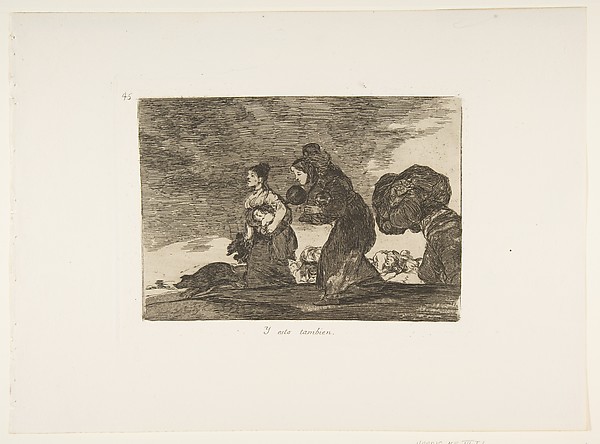 Goya (Francisco de Goya y Lucientes) — Plate 45 from "The Di
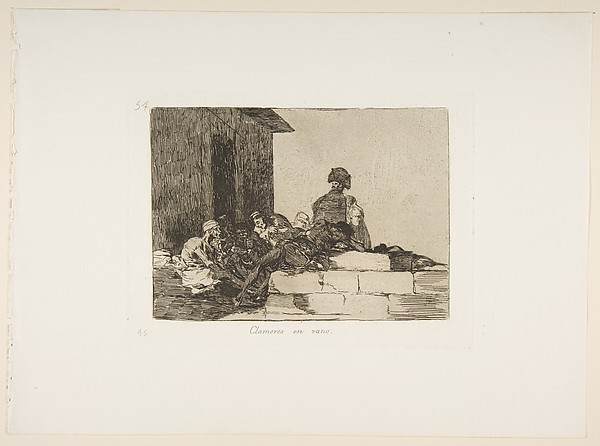 Goya (Francisco de Goya y Lucientes) — Plate 54 from "The Di
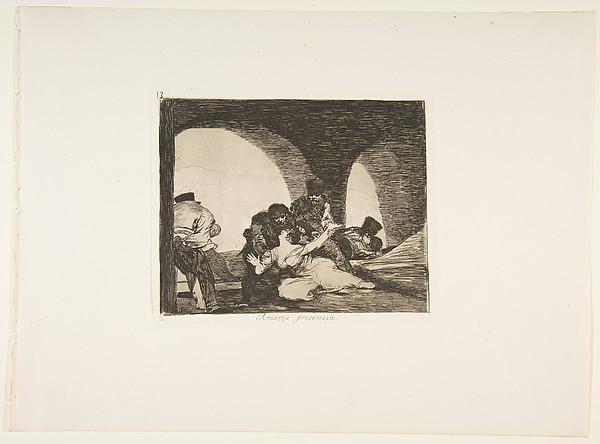 Goya (Francisco de Goya y Lucientes) — Plate 13 from "The Di
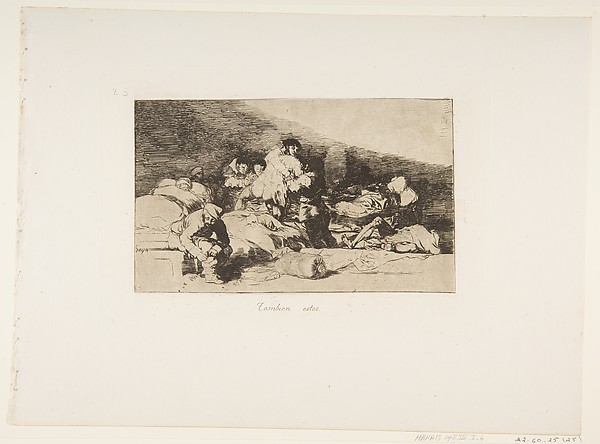 Goya (Francisco de Goya y Lucientes) — Plate 25 from "The Di
 Francisco de Goya (Spanish, 1746–1828) — The Horrors of War:
![Plate 10 from "The Disasters of War" (Los Desastres de la Guerra): 'Nor [do these] either' (Tampoco)](https://images.metmuseum.org/CRDImages/dp/web-large/DP817149.jpg) Goya (Francisco de Goya y Lucientes) — Plate 10 from "The Di
Goya (Francisco de Goya y Lucientes) — Plate 10 from "The Di Goya (Francisco de Goya y Lucientes) — Plate 47 from "The Di
 Goya (Francisco de Goya y Lucientes) — Plate 74 from "The Di