FROM THE CLEVELAND MUSEUM OF ART’S CATALOG
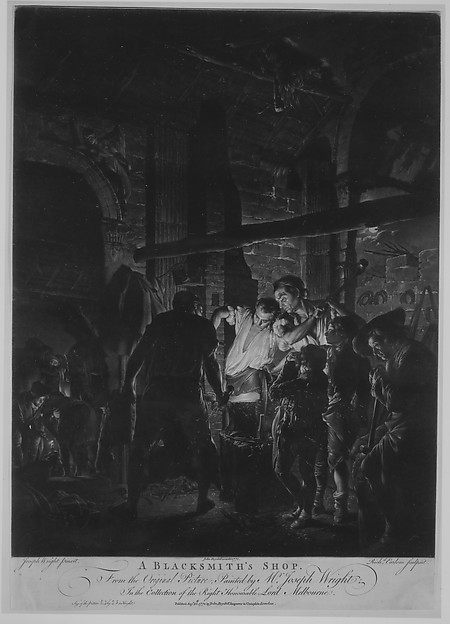
Joseph Wright of Derby's fame as a painter was enhanced by prints based on his compositions since works on paper, being relatively cheap and widely available, could reach a much larger audience than his oils. Filled with dramatic light effects, Wright's paintings were ideally suited for reproduction in mezzotint. With its velvety texture and subtle tonal variations ranging from rich blacks to delicate shades of gray, mezzotint was the printmaking technique closest to oil painting. Experts like Earlom or William Pether were skilled at transposing paintings into mezzotint while exploiting the unique characteristics of this medium.
Source ↗︎
Be the first to share your thoughts.
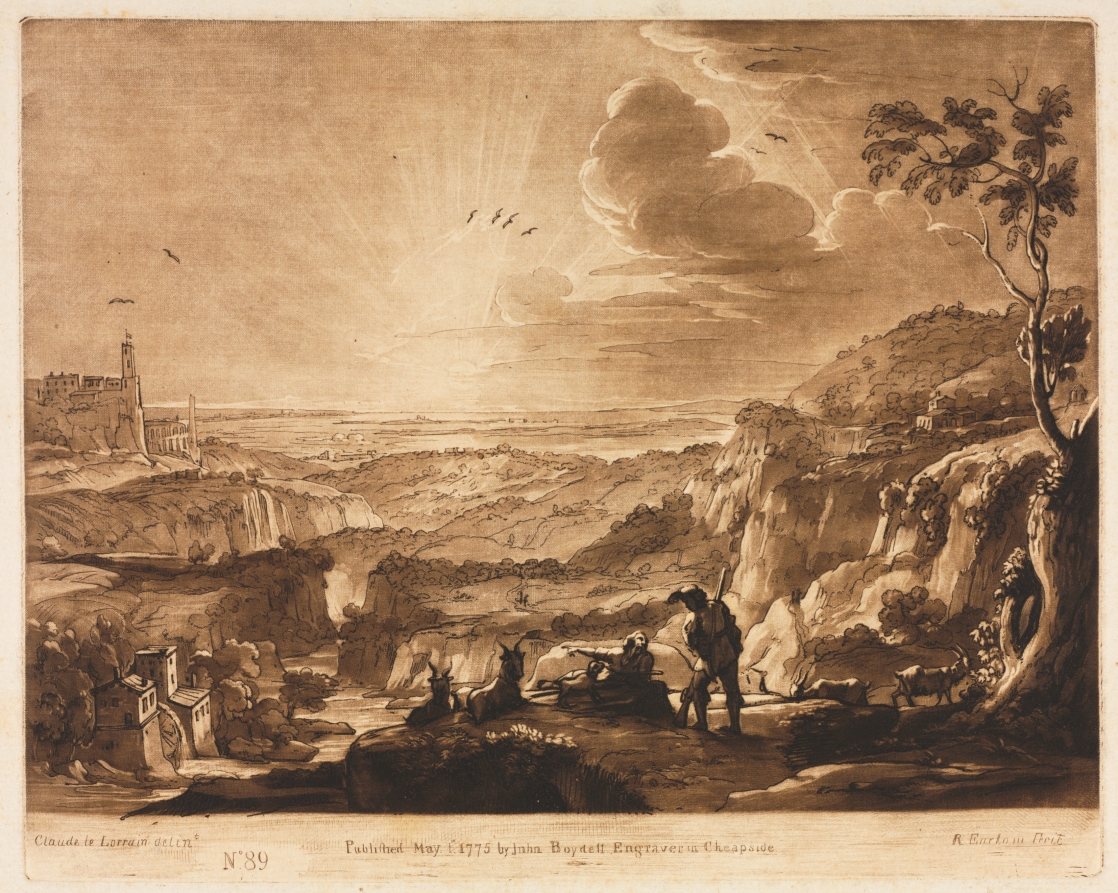 Liber Veritatis: No. 89, View of a Mountainous Extended Cou
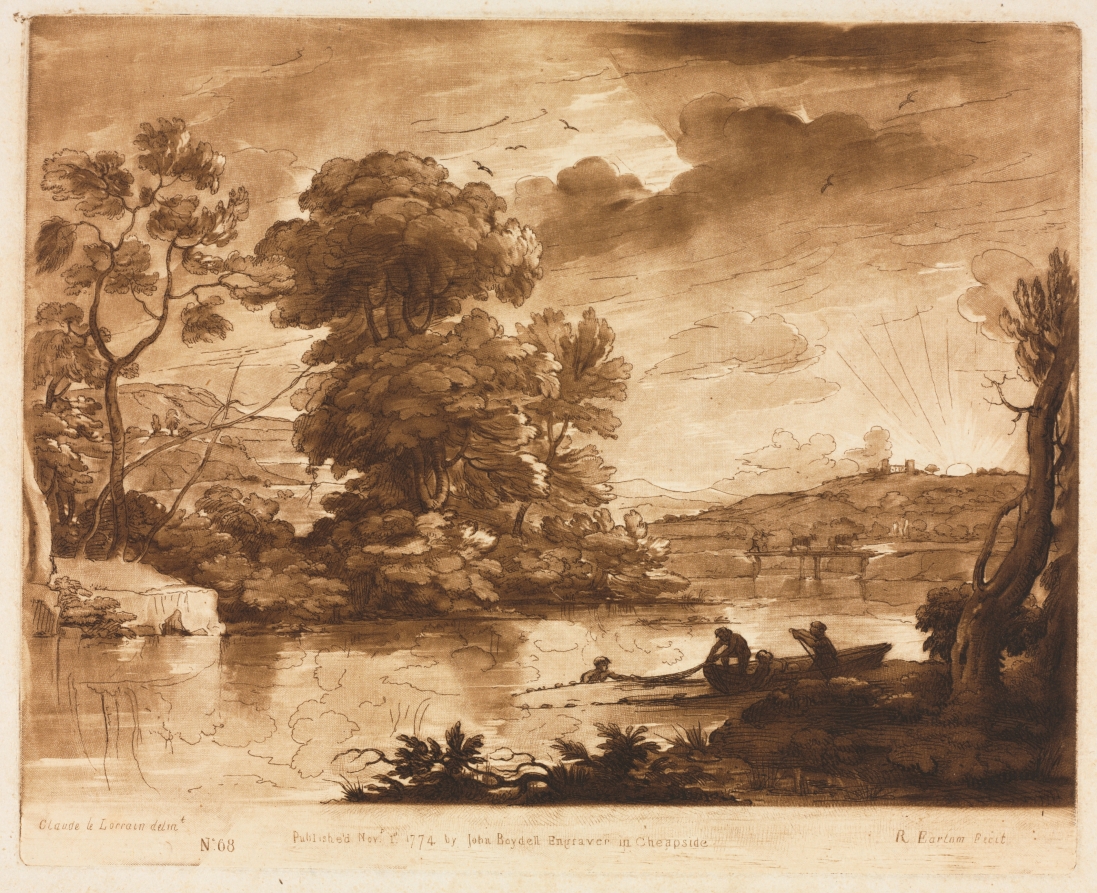 Liber Veritatis: No. 68, A Landscape at Sunset with Fisherm
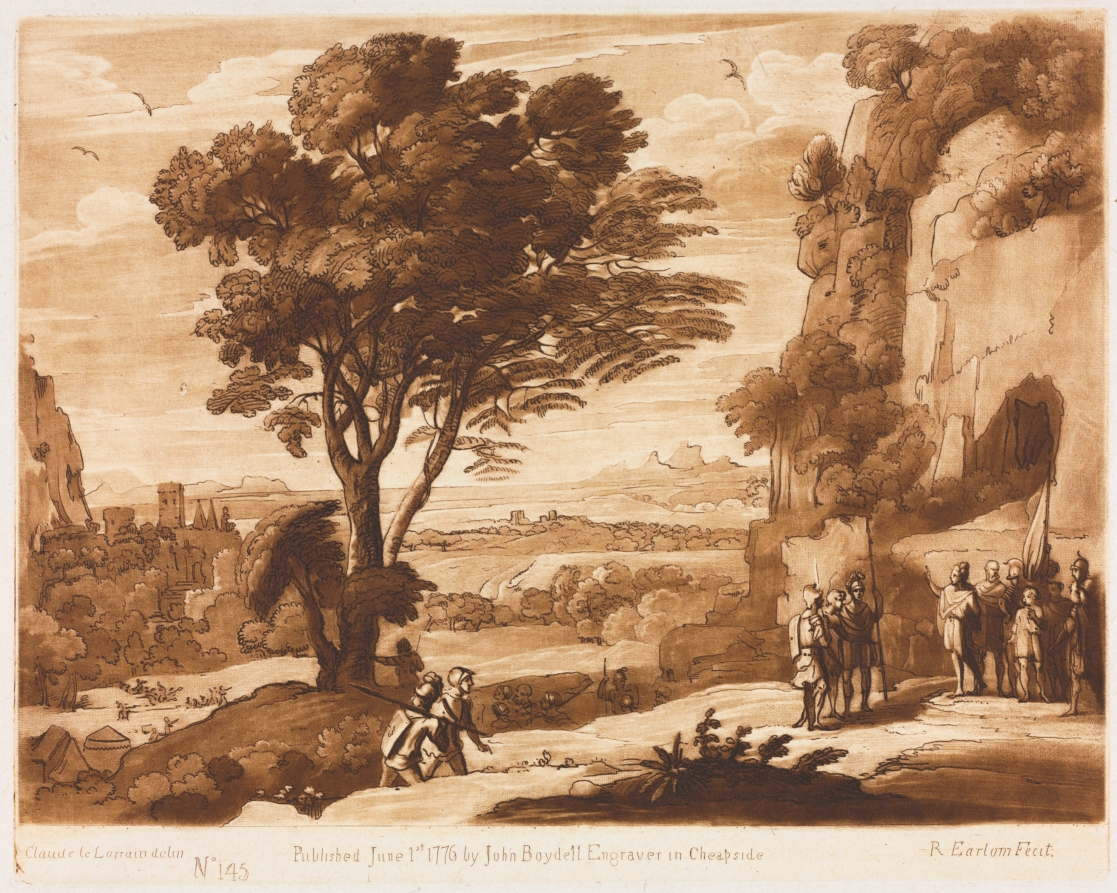 Liber Veritatis: No. 145, A Landscape, with Figures, Simon
 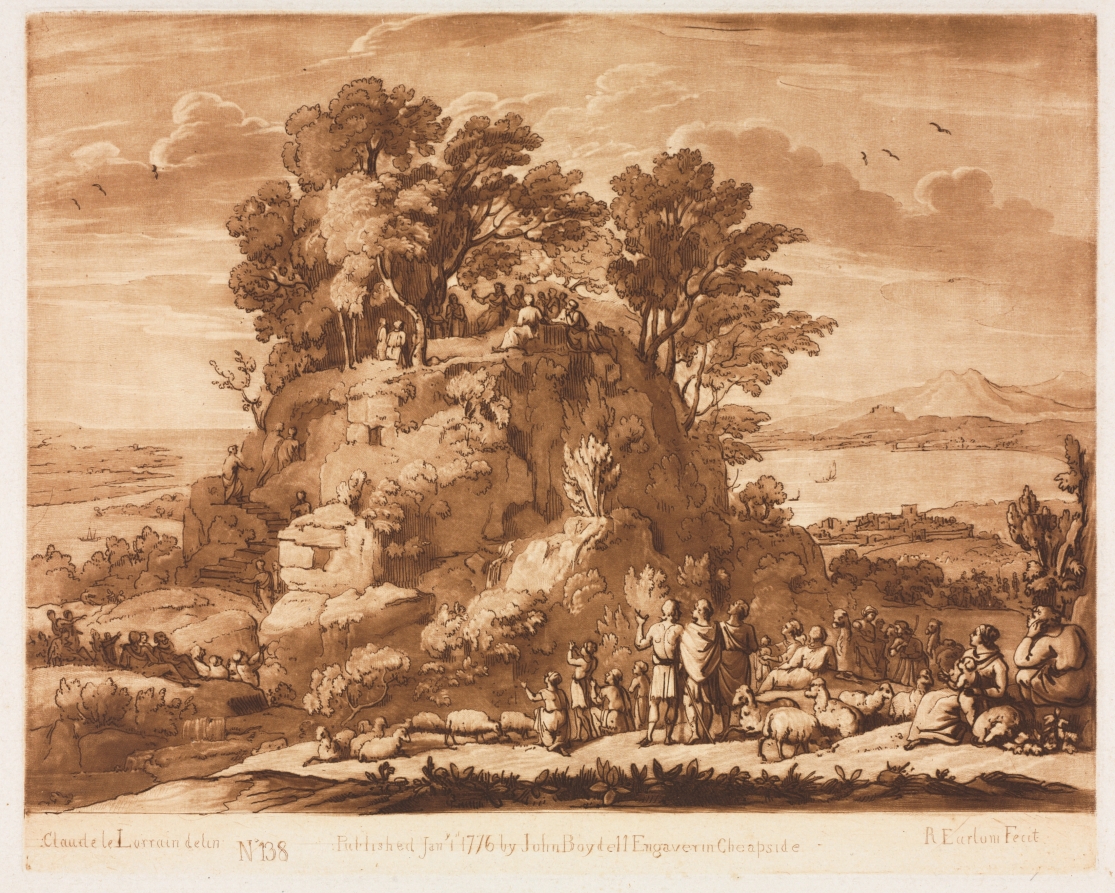 Liber Veritatis: No. 138, A View of the Sea, with Christ Pr
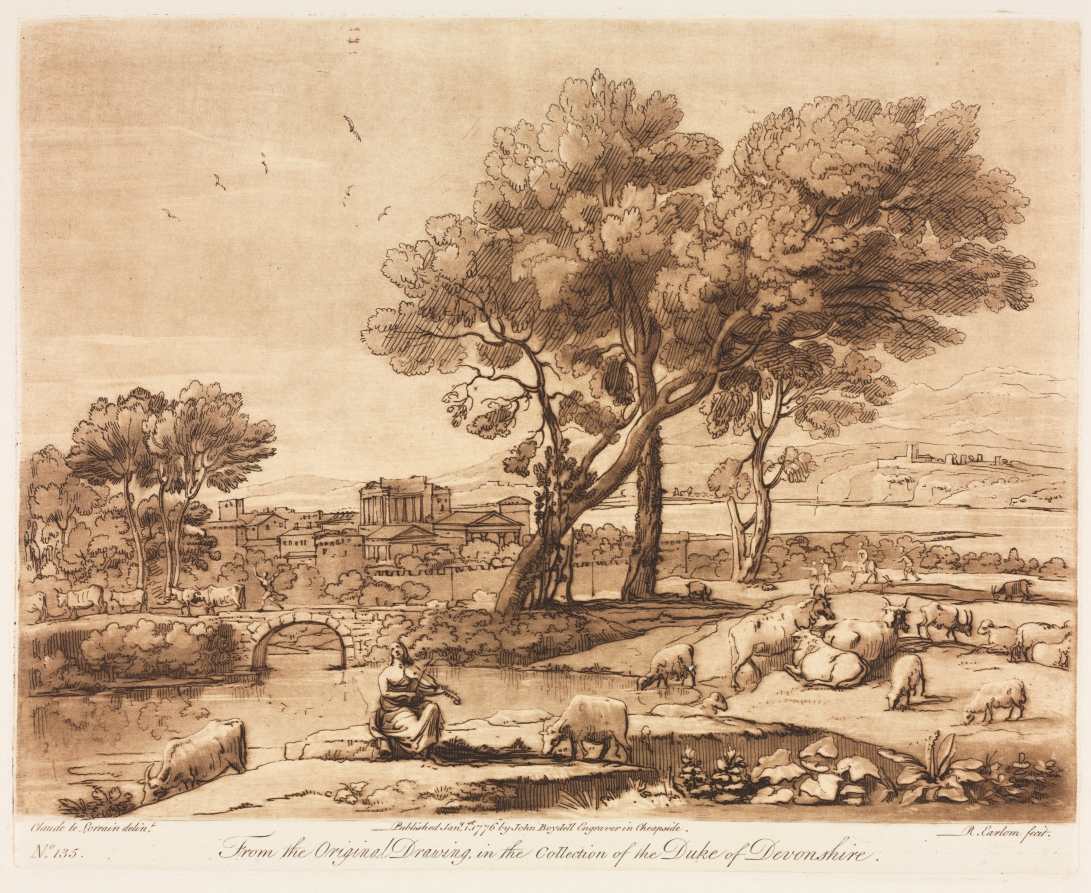 Liber Veritatis: No. 135, A Landscape, with Buildings, Merc
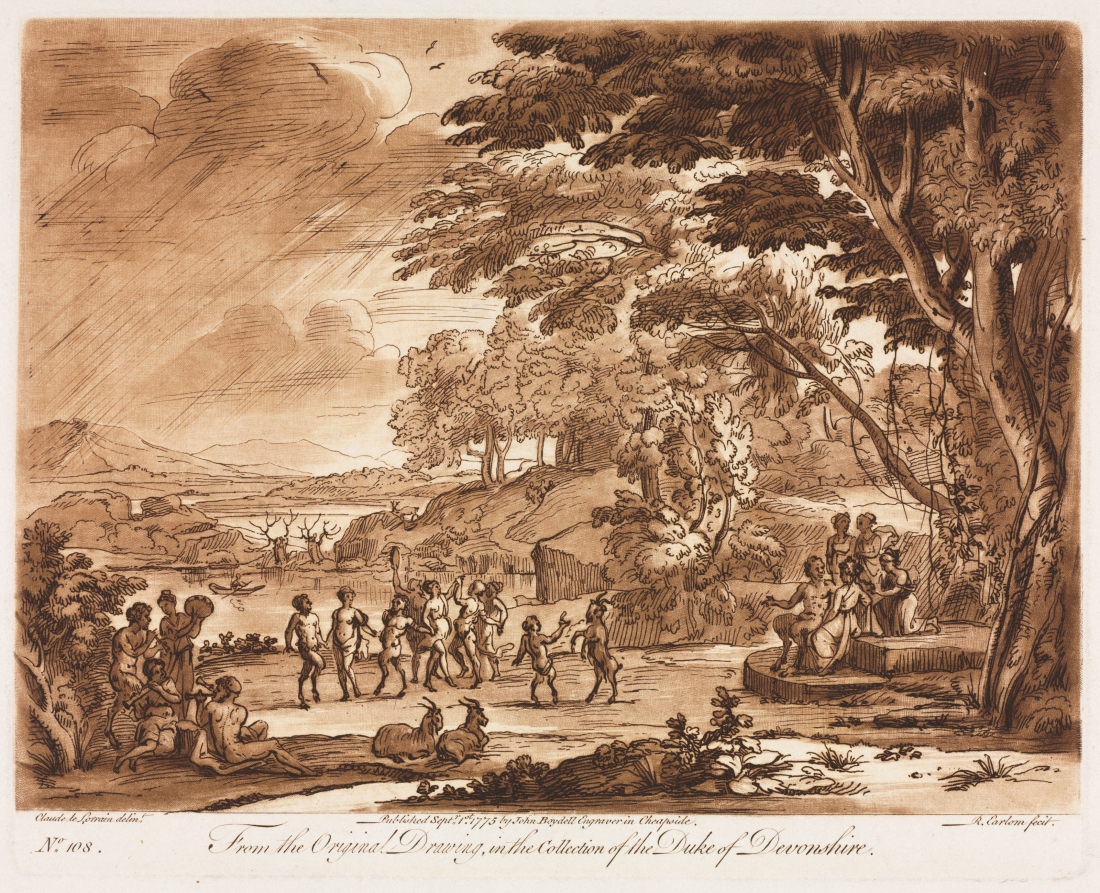 Liber Veritatis: No. 108, Landscape with Satyrs and Nymphs
 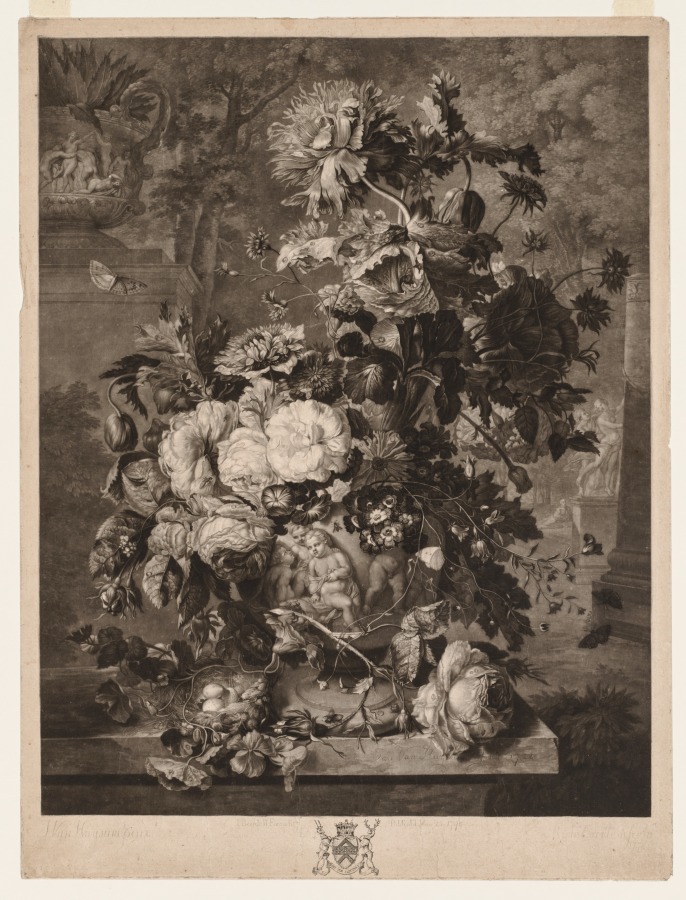 A Flower Piece
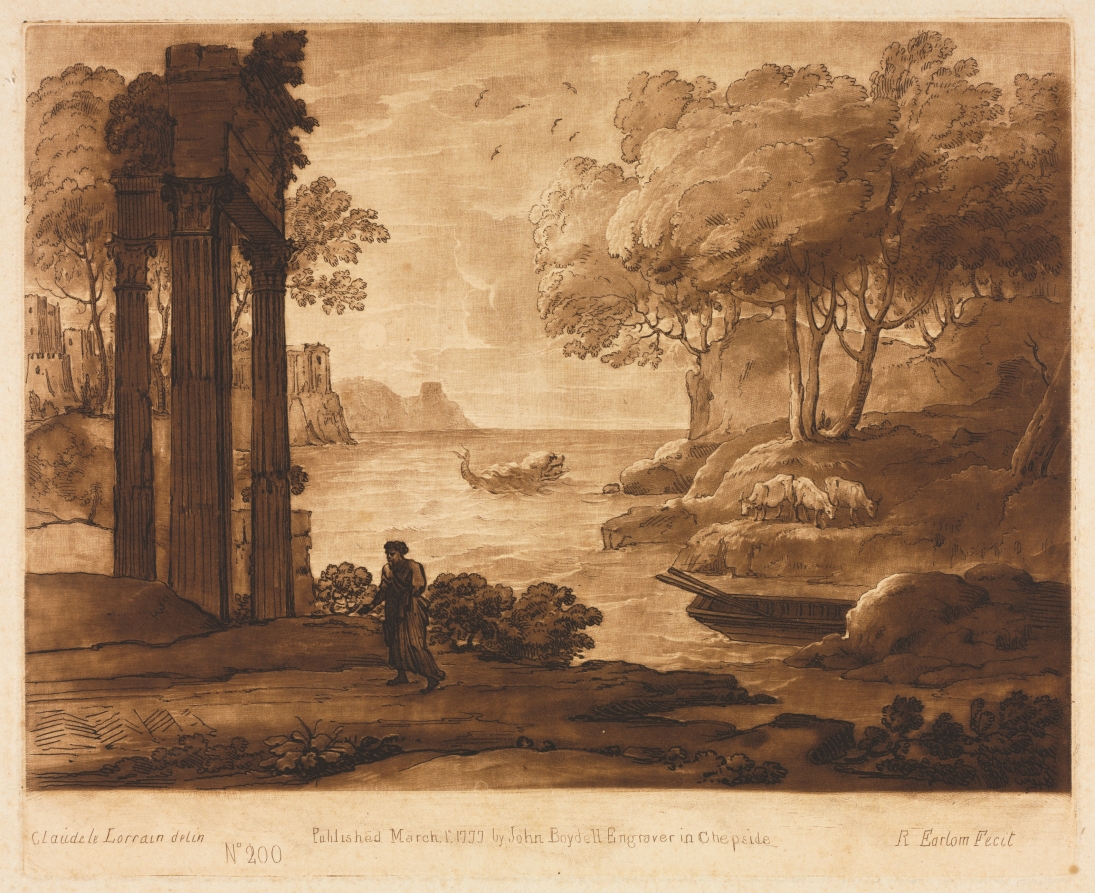 Liber Veritatis: No. 200, A View on the Sea Shore, with the