In the collection of Cleveland Museum of Art, Cleveland — check current display status with the museum.
FROM THE CLEVELAND MUSEUM OF ART’S CATALOG
This painting represents three of the plants known as the Four Gentlemen of Chinese painting; it lacks only autumn’s chrysanthemum. The plants’ characteristics are symbols of Confucian virtues, such as open-mindedness (bamboo), strength in the face of adversity (plum), and humility (orchid).
Be the first to share your thoughts.
Sign in to join the discussion.
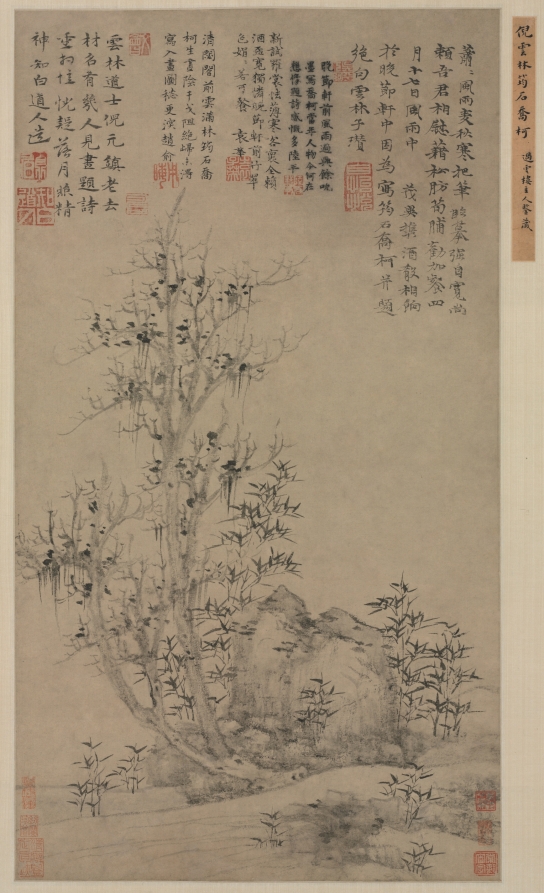 Ni Zan (Chinese, 1301–1374) — Bamboo, Rock, and Tall Tree
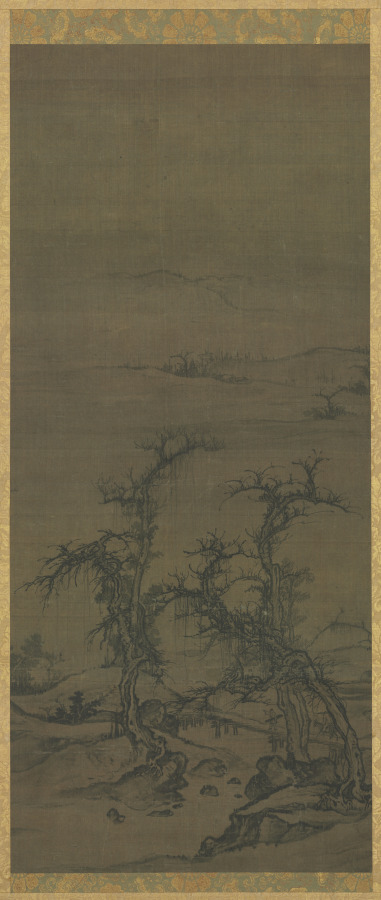 Luo Zhichuan (Chinese, active 1280s–1320s) — Carrying a Qin
 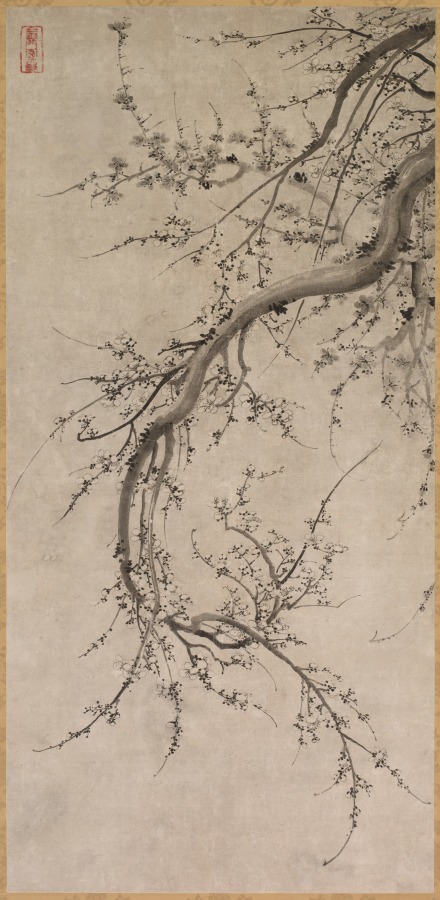 Kano Einō (Japanese, 1631–1697) — Prunus
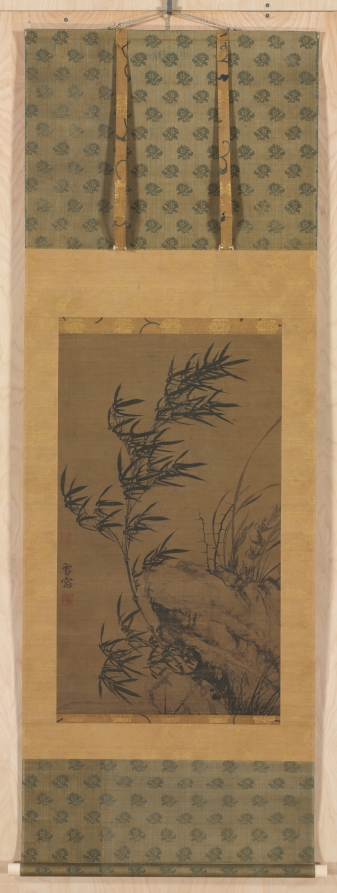 Puming (Xuechuang) (Chinese, active before 1274-after 1329)
 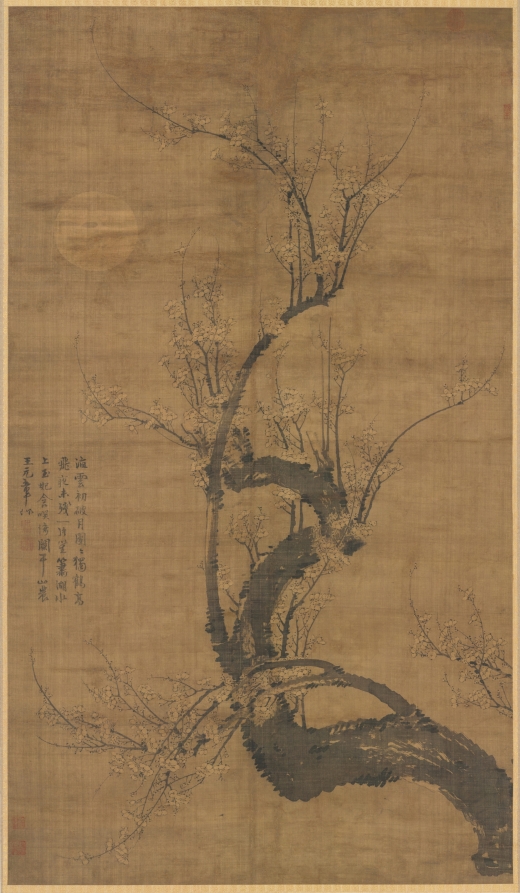 Wang Mian (Chinese, 1287–1359) — A Prunus in the Moonlight
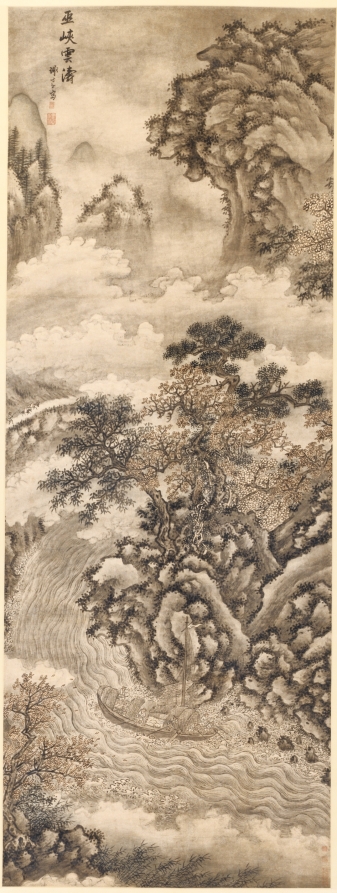 Xie Shichen (Chinese, 1487–after 1567) — Clouds and Waves at
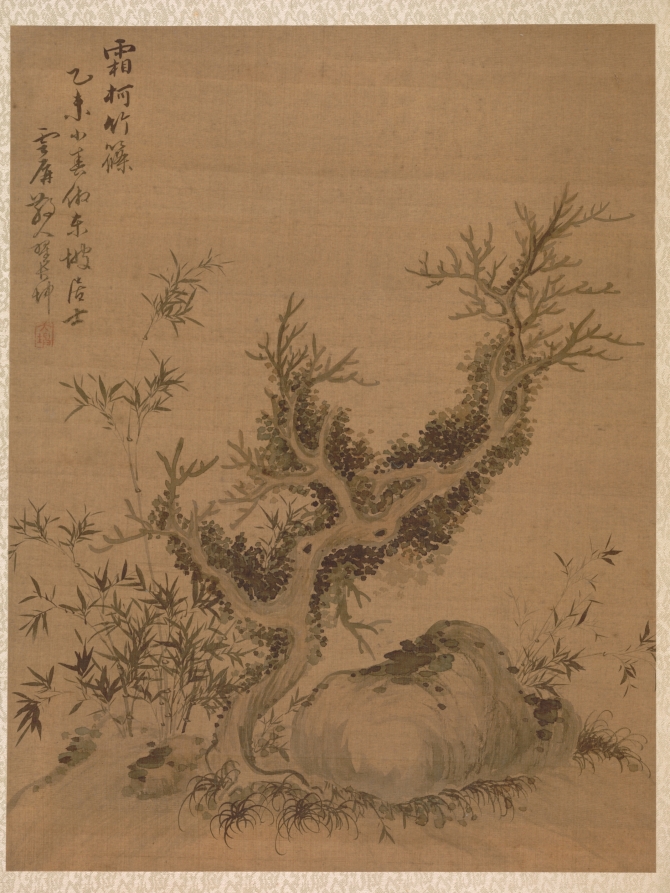 Zhai Dakun (Chinese, d. 1804) — Frosted Branches and Dwarf B
 Ni Zan — Twin Trees by the South Bank (Annan shuangshu)
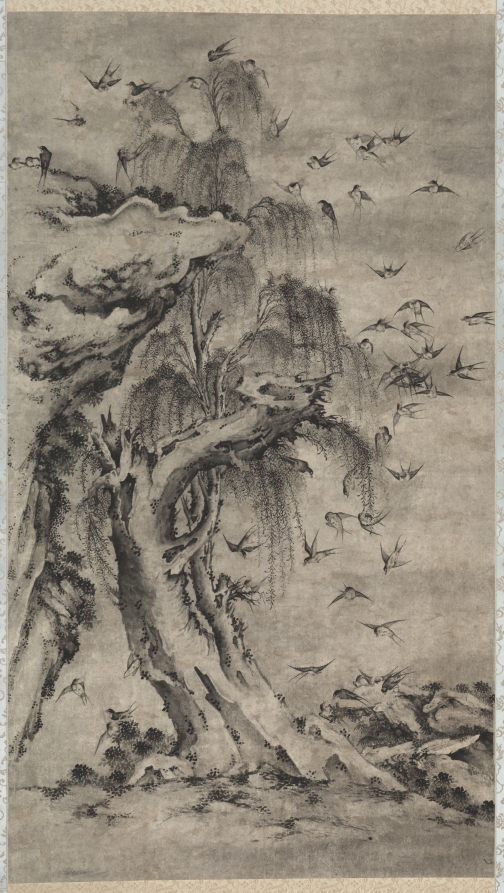 One Hundred Birds
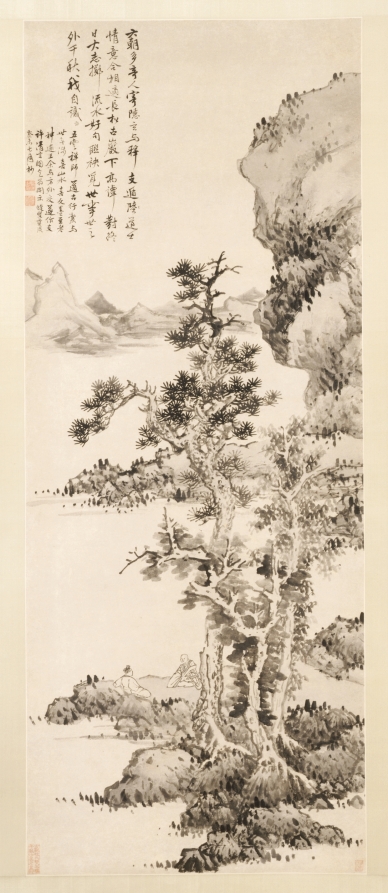 Lan Ying (Chinese, 1585–after 1664) — Zhi and Xu's Pure Conv
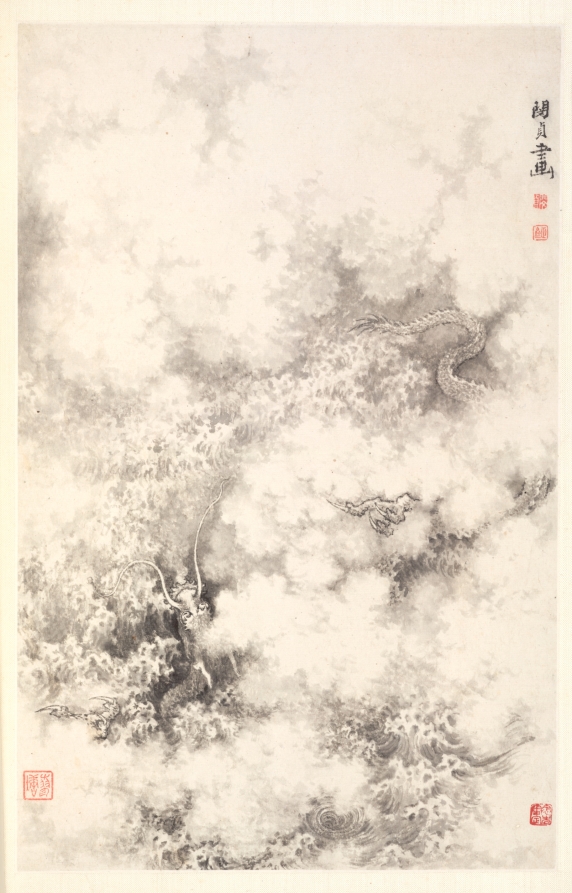 Min Zhen (Chinese, 1730–after 1788) — Dragon amid Clouds
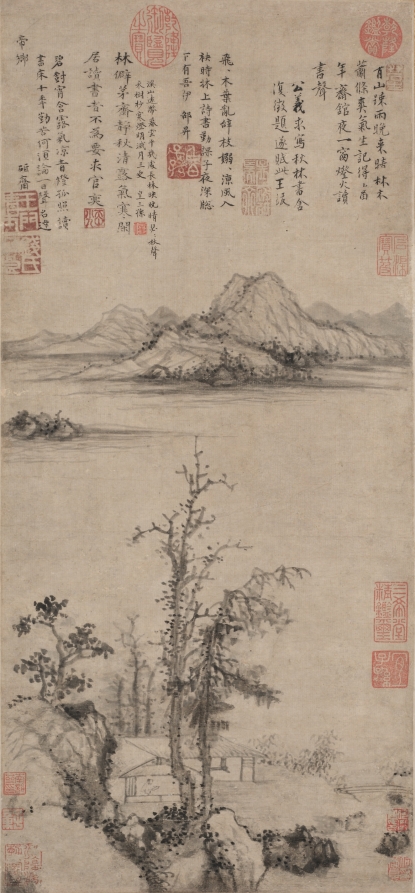 Wang Fu (Chinese, 1362–1416) — A Scholar's Retreat amid Autu