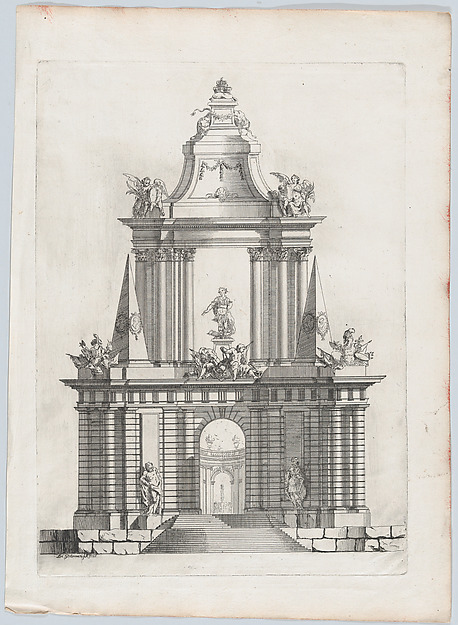
Johannes Meursius

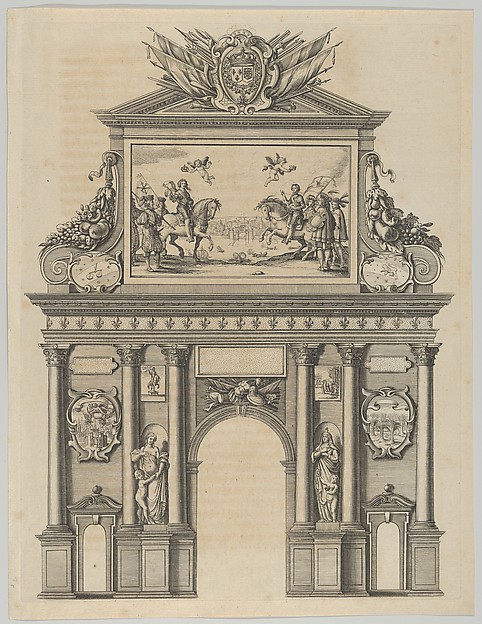
Plate 27: Triumphal arch, elevation of the back, surmounted by allegorical figures and decorated with scenes from Roman mythology and history; from Guillielmus Becanus's 'Serenissimi Principis Ferdinandi, Hispaniarum Infantis...'

1636
Engraving
52.9 × 32.5 cm (20.8 × 12.8 in)

SEE IT IN PERSON

Not currently on view

In the collection of The Metropolitan Museum of Art, New York · as of July 2026

View at metmuseum.orgPlan a visit ↗

Discussion

Be the first to share your thoughts.

Sign in to join the discussion.

Community guidelines

More by Johannes Meursius
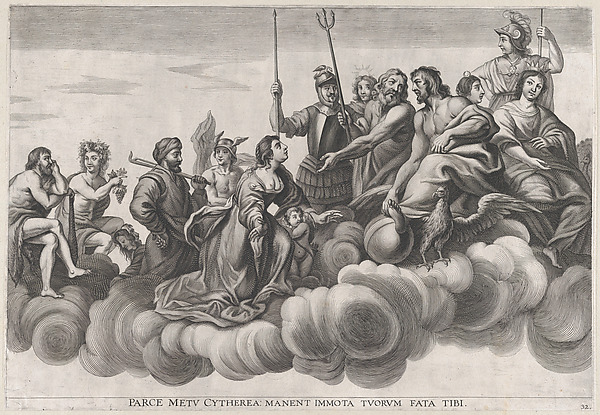
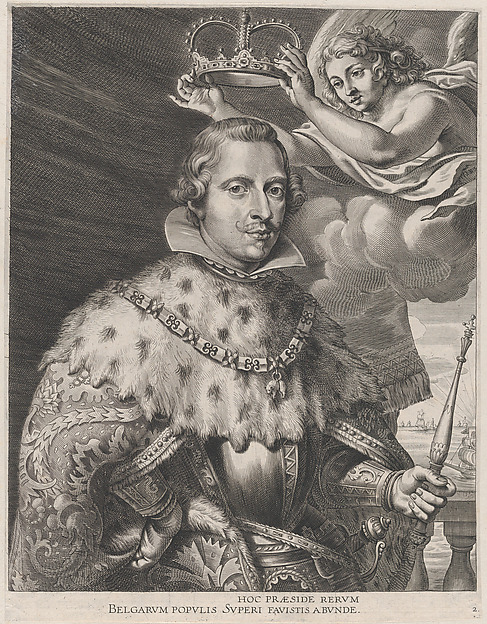
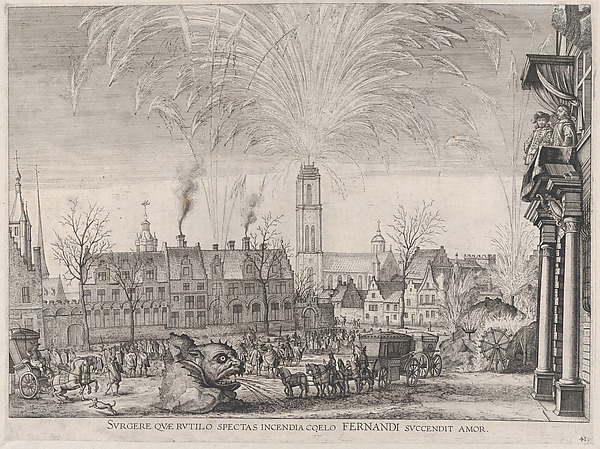
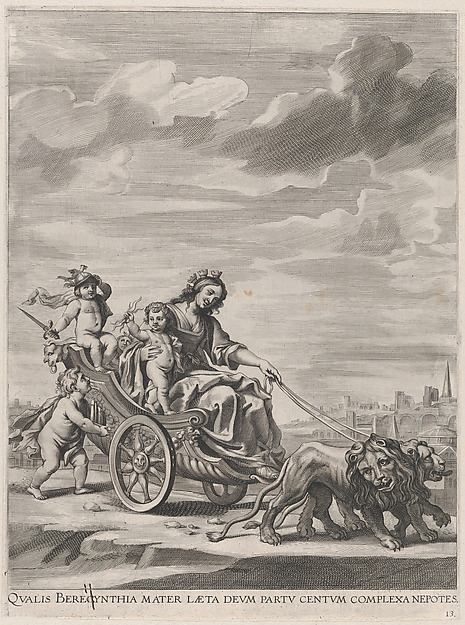
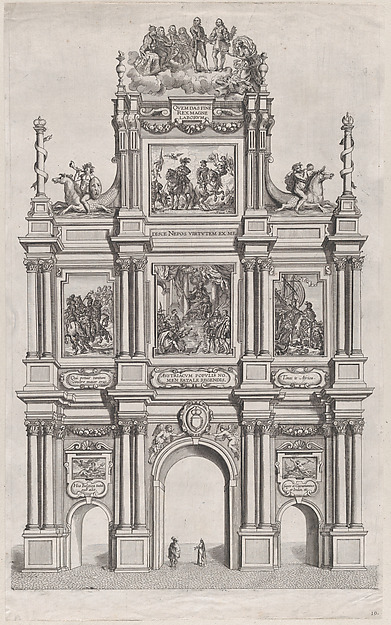
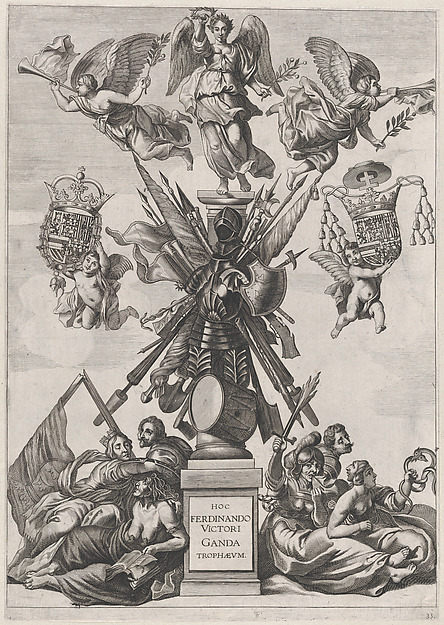
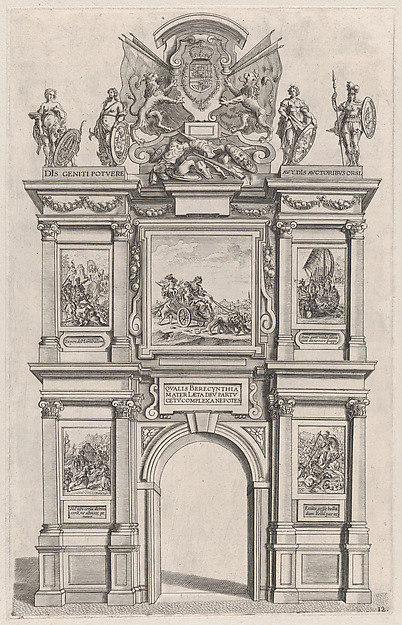
Plate 32: Venus asking Jupiter for protection; from Guillielmus Becanus's 'Serenissimi Principis Ferdinandi, Hispaniarum Infantis...'Plate 32: Venus asking Jupiter for protection; from GuillielPlate 2: Portrait of Philip IV, King of Spain, being crowned; from Guillielmus Becanus's 'Serenissimi Principis Ferdinandi, Hispaniarum Infantis...'Plate 2: Portrait of Philip IV, King of Spain, being crownedPlate 41: Fireworks display in city square with Ferdinand watching from a balcony at right; from Guillielmus Becanus's 'Serenissimi Principis Ferdinandi, Hispaniarum Infantis...'Plate 41: Fireworks display in city square with Ferdinand waPlate 13: Cybele in her chariot, drawn by lions; from Guillielmus Becanus's 'Serenissimi Principis Ferdinandi, Hispaniarum Infantis...'Plate 13: Cybele in her chariot, drawn by lions; from GuilliPlate 19: Triumphal arch, elevation of the front, surmounted by a cloud bearing Ferdinand and royal ancestors; from Guillielmus Becanus's 'Serenissimi Principis Ferdinandi, Hispaniarum Infantis...'Plate 19: Triumphal arch, elevation of the front, surmountedPlate 33: Armorial trophy on a Tuscan column, surrounded by allegorical figures and cherubs bearing the armorial shields of Ferdinand; from Guillielmus Becanus's 'Serenissimi Principis Ferdinandi, Hispaniarum Infantis...'Plate 33: Armorial trophy on a Tuscan column, surrounded by Plate 12: Triumphal arch, elevation of the back facade, surmounted with the arms of Ferdinand and decorated with five mythical or heroic scenes; from Guillielmus Becanus's 'Serenissimi Principis Ferdinandi, Hispaniarum Infantis...'Plate 12: Triumphal arch, elevation of the back facade, surmPlate 38: Triumphal ship with the city of Ghent in the background; from Guillielmus Becanus's 'Serenissimi Principis Ferdinandi, Hispaniarum Infantis...'Plate 38: Triumphal ship with the city of Ghent in the backg
More like this

Catafalque for Duke Alessandro Farnese; from 'Libro De Catafalchi, Tabernacoli, con varij designi di Porte fenestre et altri ornamenti di Architettura'Giacomo della Porta|Cavaliere d'Arpino (Giuseppe Cesari)|GioTriumphal arch surmounted by woman seated on a dolphin, four standing figures below, a temporary decoration for the entry of Pope Clement VIII in Bologna in 1598Guido Reni — Triumphal arch surmounted by woman seated on a Speculum Romanae Magnificentiae: Arch of ConstantineAntonio Lafreri|Anonymous|Claudio Duchetti — Speculum RomanaStage in Memory of Isabella Clara Eugenia, plate 24 from Casperius Gevartius, Pompa Introitus Honori Serenissimi Principis Ferdinandi (Triumphal Entry of the Most Serene and Honorable Cardinal-Infante Ferdinand)Theodoor van Thulden — Stage in Memory of Isabella Clara EugDesign after the monument of Leonardo LoredanoPietro Antonio Torri|Girolamo Campagna|Giovanni Girolamo GraDesign for an Architectural Structure with a Hunting Theme , Plate 74 from Dietterlin's ArchitetturaWendel Dietterlin, the Elder — Design for an Architectural SFurnitureJacques Androuet Du Cerceau — FurnitureTriumphal arch, from 'Éloges et discours sur la triomphante réception du Roy en sa ville de Paris ...' by Jean-Baptiste de MachaultMelchior Tavernier|Jean-Baptiste de Machault|Abraham Bosse|PDesign for the façade of a buildingAnonymous, German, 18th century — Design for the façade of aFurniture DesignJacques Androuet Du Cerceau — Furniture DesignArch of Septimius Severus, Frontal Elevation (above) and Side View (below)Jan Goeree — Arch of Septimius Severus, Frontal Elevation (aThe Porta Galliera, the entrance gate to Bologna and drawbridge with temporary decorations for the entry of Pope Clement VIII in Bologna in 1598Guido Reni — The Porta Galliera, the entrance gate to Bologn