Johannes Meursius

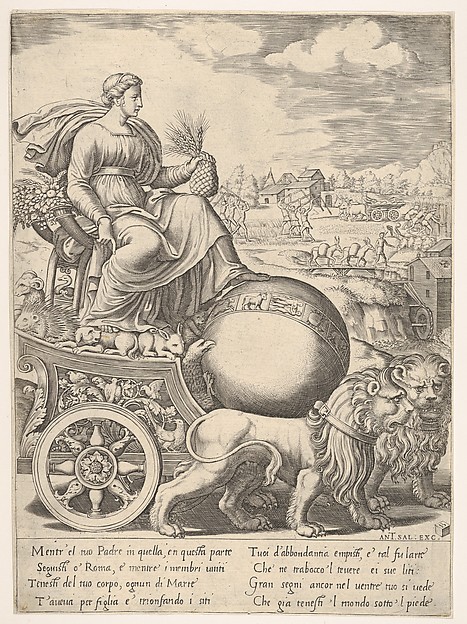
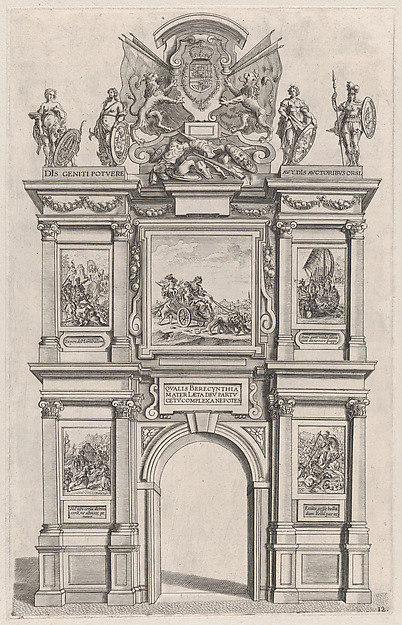
Plate 13: Cybele in her chariot, drawn by lions; from Guillielmus Becanus's 'Serenissimi Principis Ferdinandi, Hispaniarum Infantis...'

1636
Engraving
37.1 × 27.8 cm (14.6 × 10.9 in)

SEE IT IN PERSON

Not currently on view

In the collection of The Metropolitan Museum of Art, New York · as of July 2026

View at metmuseum.orgPlan a visit ↗

Discussion

Be the first to share your thoughts.

Sign in to join the discussion.

Community guidelines

More by Johannes Meursius
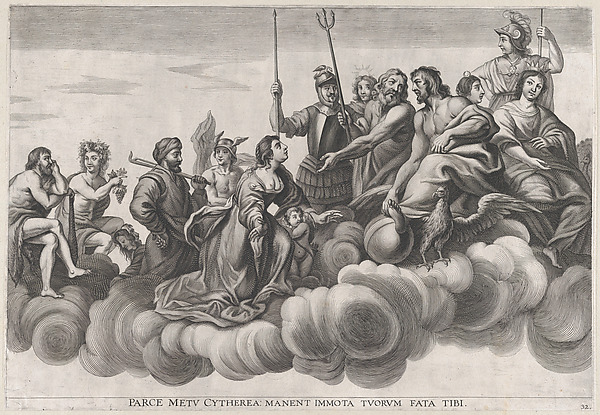
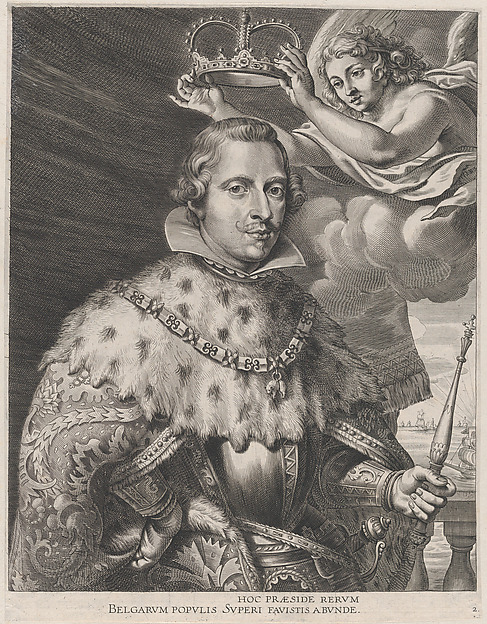
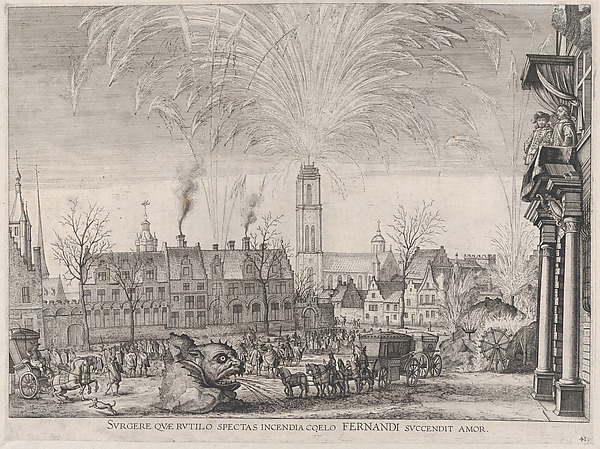
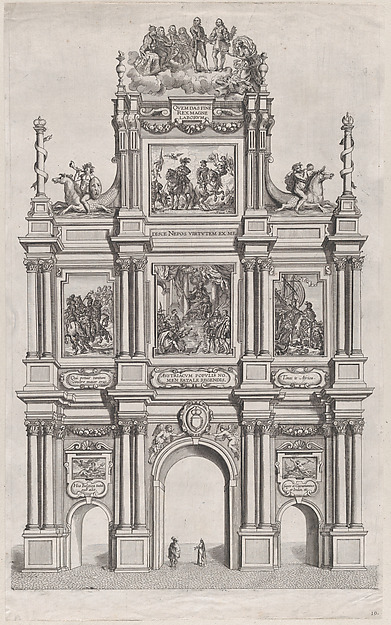
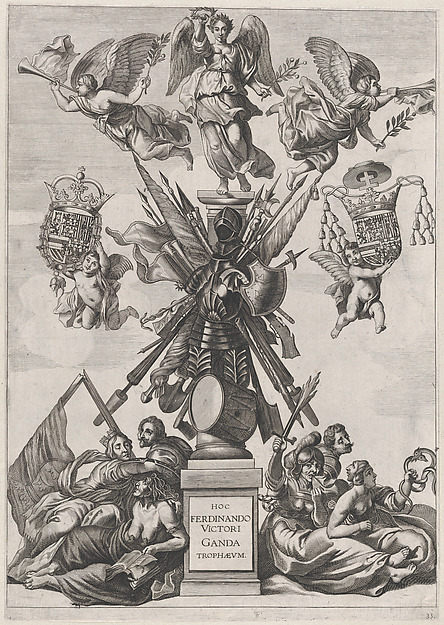
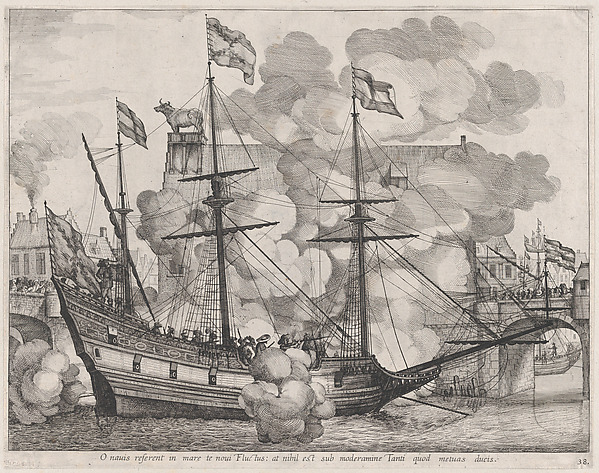
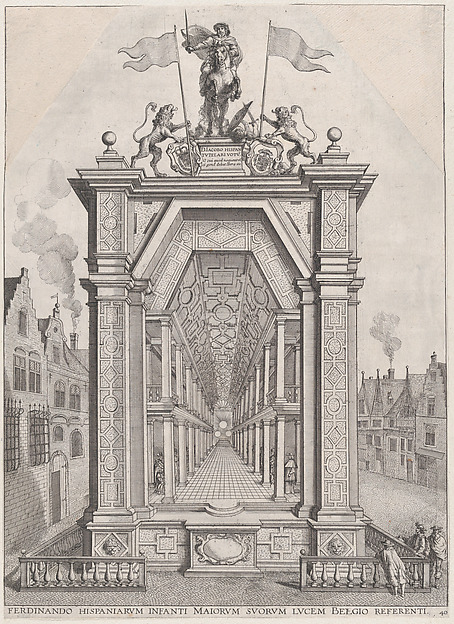
Plate 32: Venus asking Jupiter for protection; from Guillielmus Becanus's 'Serenissimi Principis Ferdinandi, Hispaniarum Infantis...'Plate 32: Venus asking Jupiter for protection; from GuillielPlate 2: Portrait of Philip IV, King of Spain, being crowned; from Guillielmus Becanus's 'Serenissimi Principis Ferdinandi, Hispaniarum Infantis...'Plate 2: Portrait of Philip IV, King of Spain, being crownedPlate 41: Fireworks display in city square with Ferdinand watching from a balcony at right; from Guillielmus Becanus's 'Serenissimi Principis Ferdinandi, Hispaniarum Infantis...'Plate 41: Fireworks display in city square with Ferdinand waPlate 19: Triumphal arch, elevation of the front, surmounted by a cloud bearing Ferdinand and royal ancestors; from Guillielmus Becanus's 'Serenissimi Principis Ferdinandi, Hispaniarum Infantis...'Plate 19: Triumphal arch, elevation of the front, surmountedPlate 33: Armorial trophy on a Tuscan column, surrounded by allegorical figures and cherubs bearing the armorial shields of Ferdinand; from Guillielmus Becanus's 'Serenissimi Principis Ferdinandi, Hispaniarum Infantis...'Plate 33: Armorial trophy on a Tuscan column, surrounded by Plate 12: Triumphal arch, elevation of the back facade, surmounted with the arms of Ferdinand and decorated with five mythical or heroic scenes; from Guillielmus Becanus's 'Serenissimi Principis Ferdinandi, Hispaniarum Infantis...'Plate 12: Triumphal arch, elevation of the back facade, surmPlate 38: Triumphal ship with the city of Ghent in the background; from Guillielmus Becanus's 'Serenissimi Principis Ferdinandi, Hispaniarum Infantis...'Plate 38: Triumphal ship with the city of Ghent in the backgPlate 40: Design for festival architecture honoring the Spanish Prince Ferdinand's triumphal entry into the city of Ghent, January 28, 1635; from Guillielmus Becanus's 'Serenissimi Principis Ferdinandi, Hispaniarum Infantis...'Plate 40: Design for festival architecture honoring the Span
More like this

Childhood (Dawn) from The Four Ages of Man and Death with the Last JudgmentHieronymus (Jerome) Wierix|Ambrosius Francken I — Childhood Allegory with a Woman in Roman Dress on a Triumphal ChariotMaster Allaert Claesz — Allegory with a Woman in Roman DressCharity, from The VirtuesJacob Matham — Charity, from The VirtuesBook 3, Fable 1: Achille and ChironLamotte-Houdar|Charles Antoine Coypel|Nicolas Henry Tardieu|Earth, from The Four ElementsPhilips Galle — Earth, from The Four ElementsCybele in her ChariotMaster of the Die — Cybele in her ChariotWinterLouis Desplaces|Joseph Limosin|Pierre Jacques Cazes — WinterVenus, from 'Game of Mythology' (Jeu de la Mythologie)Stefano della Bella|Jean Desmarets de Saint-Sorlin|Henri Le JunoAbraham Bloemaert — JunoThe Abudction of ProserpinaPeter Paul Rubens|Pieter Soutman — The Abudction of ProserpiNuova pianta di Roma data in luce da Giambattista Nolli l’anno MDCCXLVII, known as La Pianta Grande di RomaGiovanni Battista Nolli (Italian, 1701–1756) — Nuova pianta Nox, from The DeitiesHendrick Goltzius — Nox, from The Deities