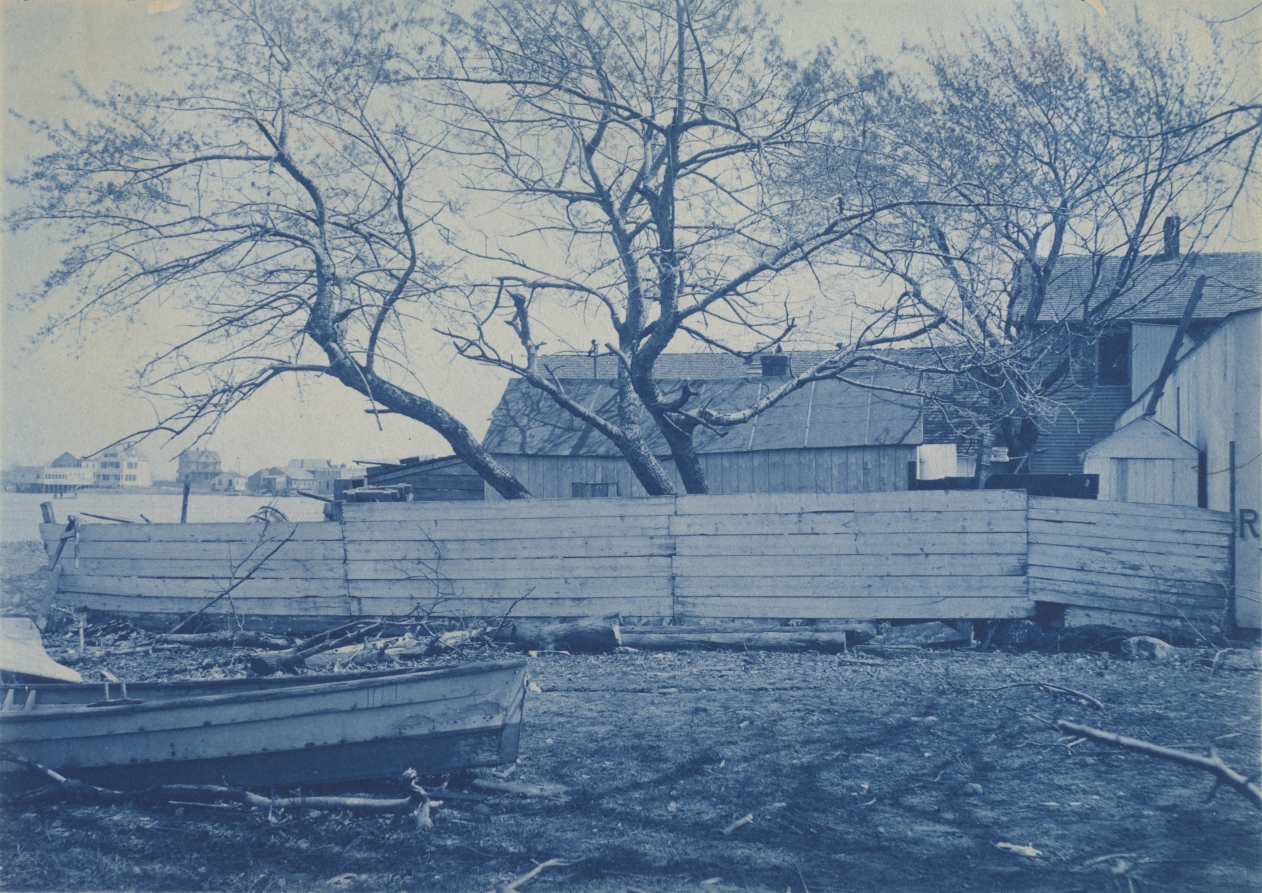
In the collection of Cleveland Museum of Art, Cleveland — check current display status with the museum.
FROM THE CLEVELAND MUSEUM OF ART’S CATALOG
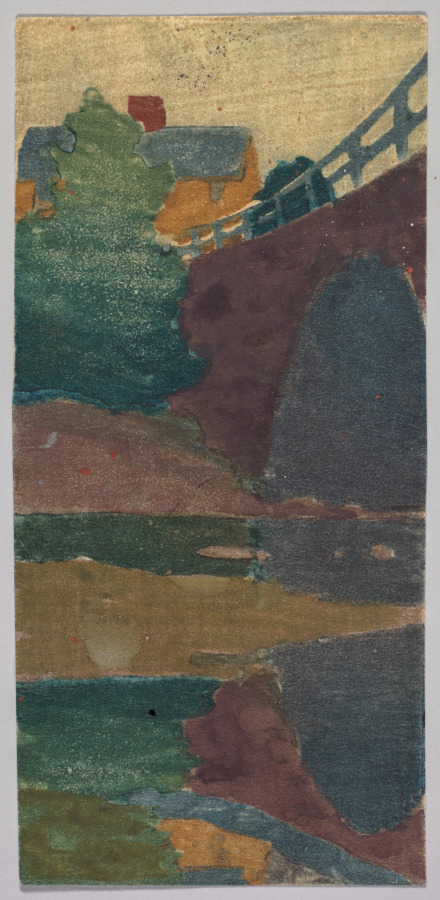
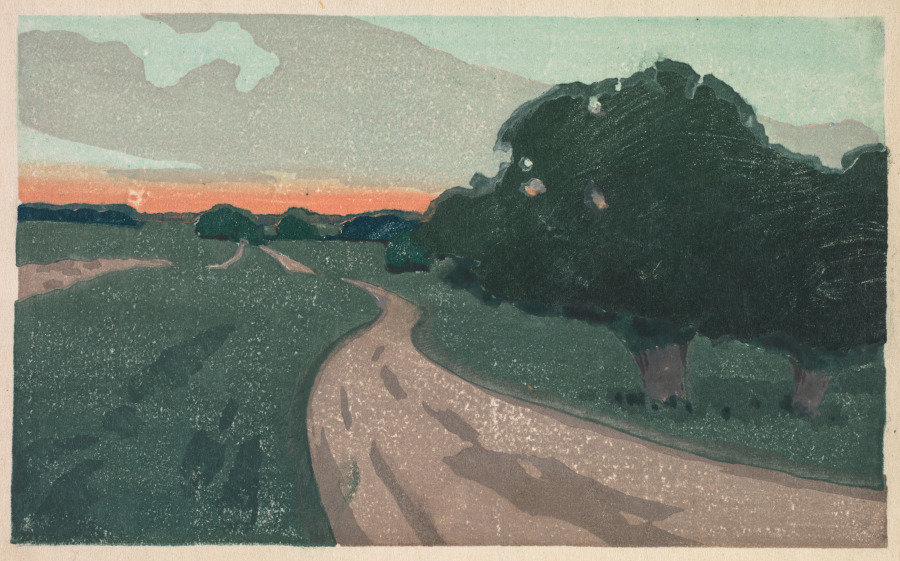
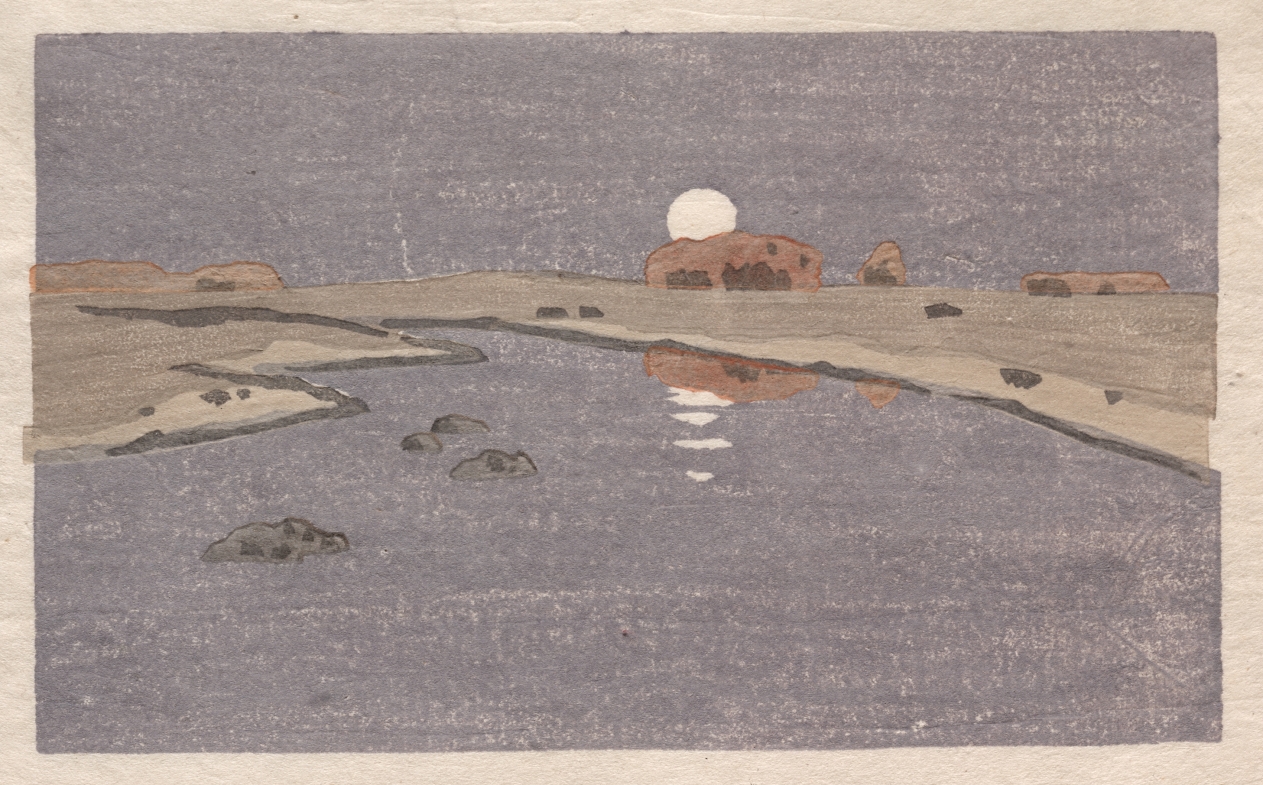
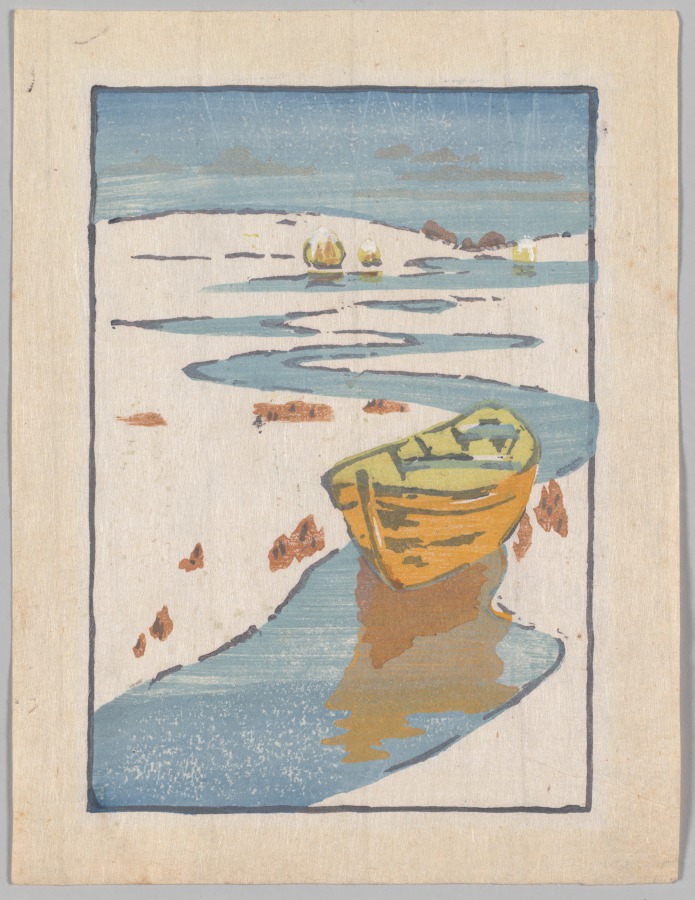
In his dual roles as artist and teacher, Dow was instrumental in reviving the color woodcut in America at the turn of the 20th century. Impressed by the flat, simplified compositions of Japanese color woodcuts, or ukiyo-e prints, Dow abandoned Western naturalism, with its linear modeling and one-point perspective, in favor of the basic elements of Japanese design: line, form, color, and notan—the harmonious arrangement of dark and light. Although in Japan the artist only executed the drawing—the carving and printing were carried out by craftsmen—Dow did everything himself. Like the Japanese, however, he printed by hand on mulberry paper. The picturesque Massachusetts fishing village of Ipswich and the surrounding area were Dow's subjects. The town is separated from the sea by sprawling salt marshes that are divided by canals and rivers. Dow expressed the changing effects of atmosphere and light by experimenting with color, which resulted in unique impressions.
Be the first to share your thoughts.
Sign in to join the discussion.
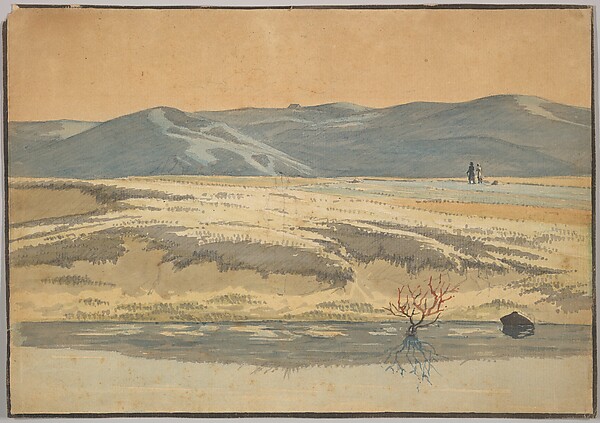 Martinus Rørbye — Landscape near Bangsbo, North Jutland, Wit
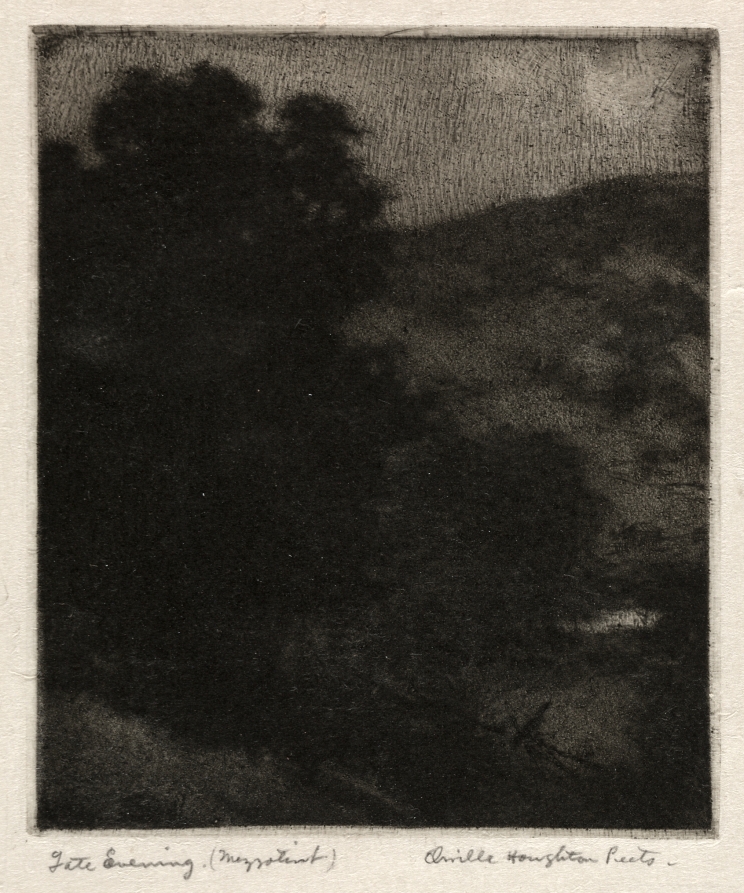 Orville Houghton Peets (American, 1884–1968) — Late Evening
 François Cachoud — Landschapsimpressie
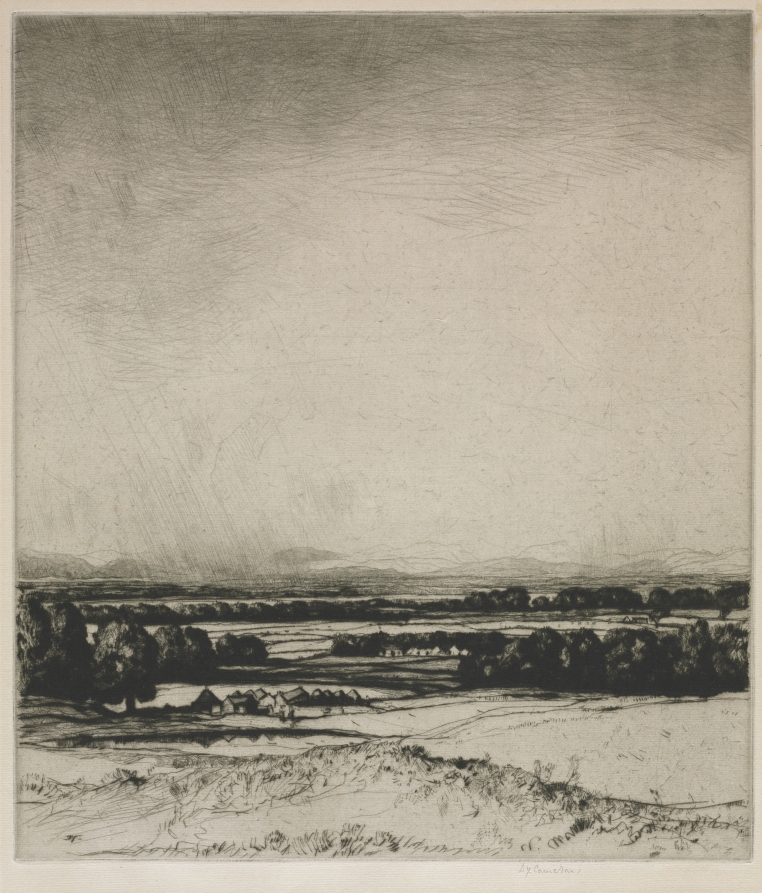 David Young Cameron (British, 1865–1945) — Valley of the Tay
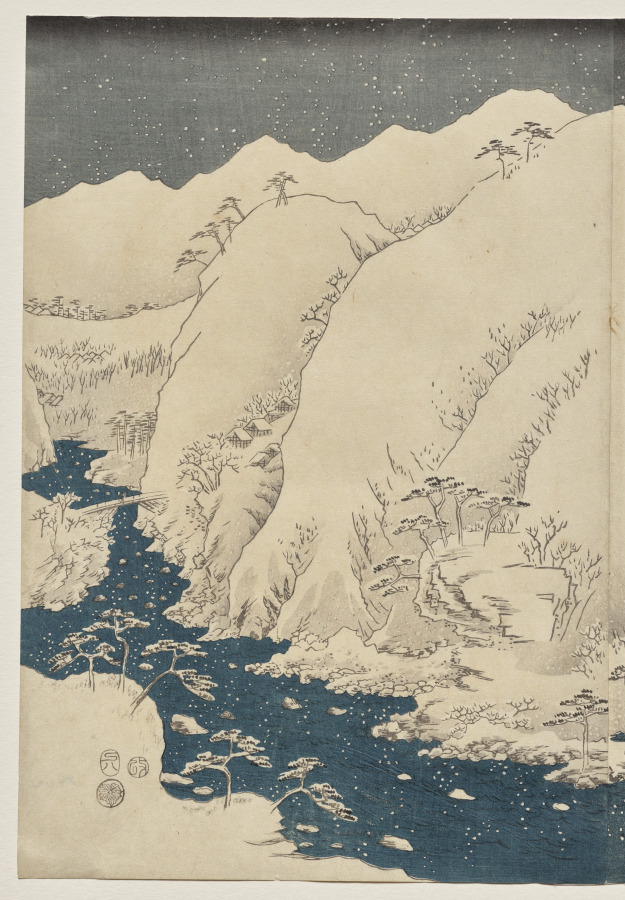 Utagawa Hiroshige (Japanese, 1797–1858) — Mountain and River
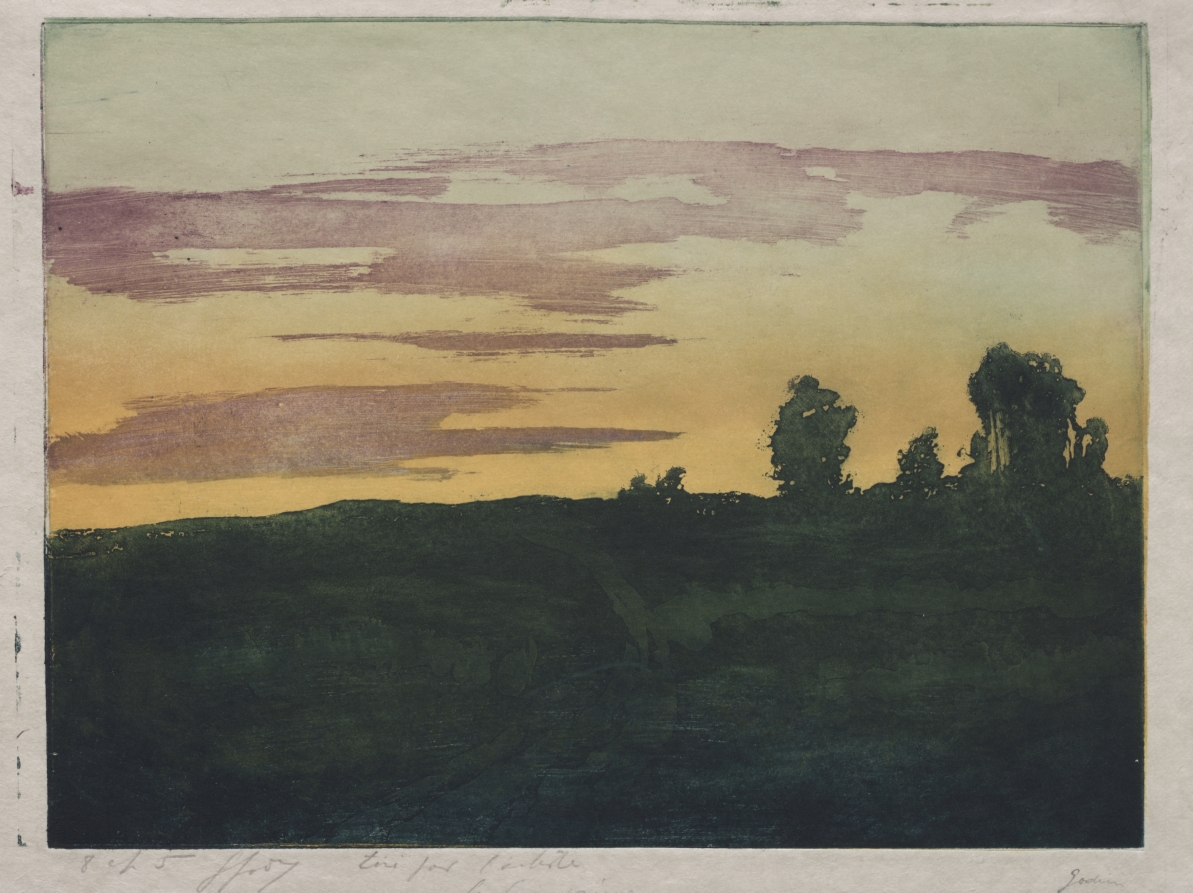 Georges Godin (French) — The Yellow Evening
 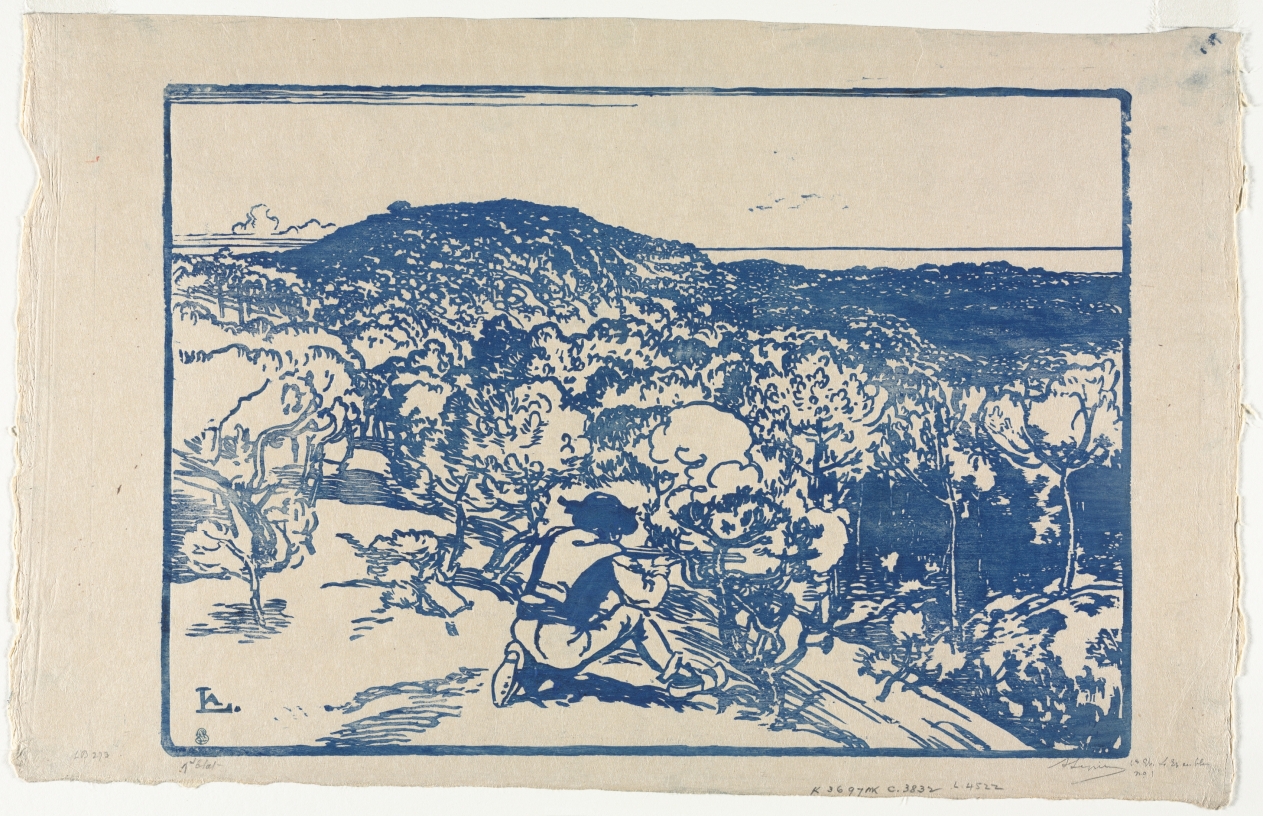 Auguste Louis Lepère (French, 1849–1918) — The Poacher, Dune
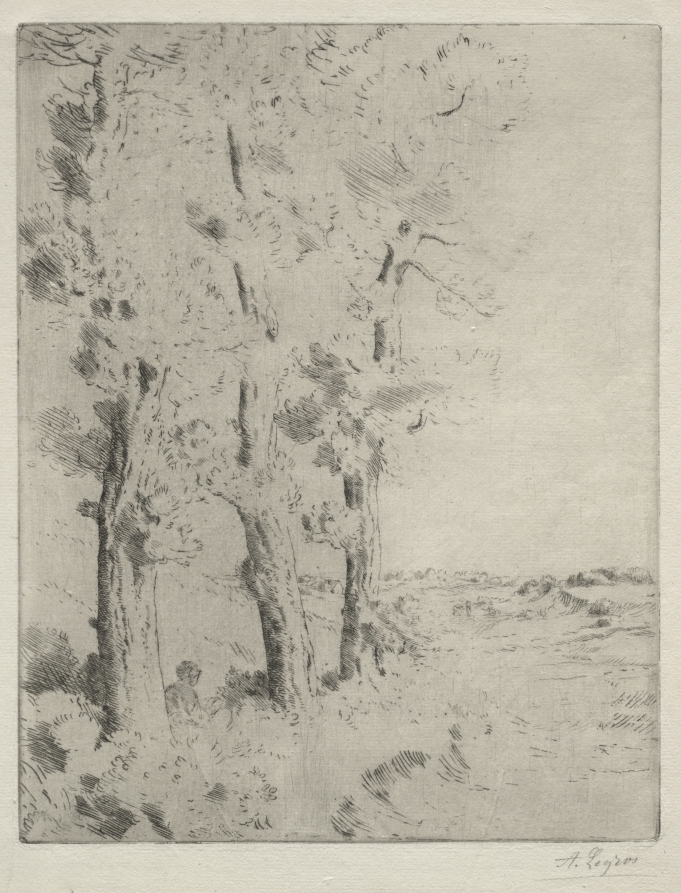 Alphonse Legros (French, 1837–1911) — The Reader: The Lectu
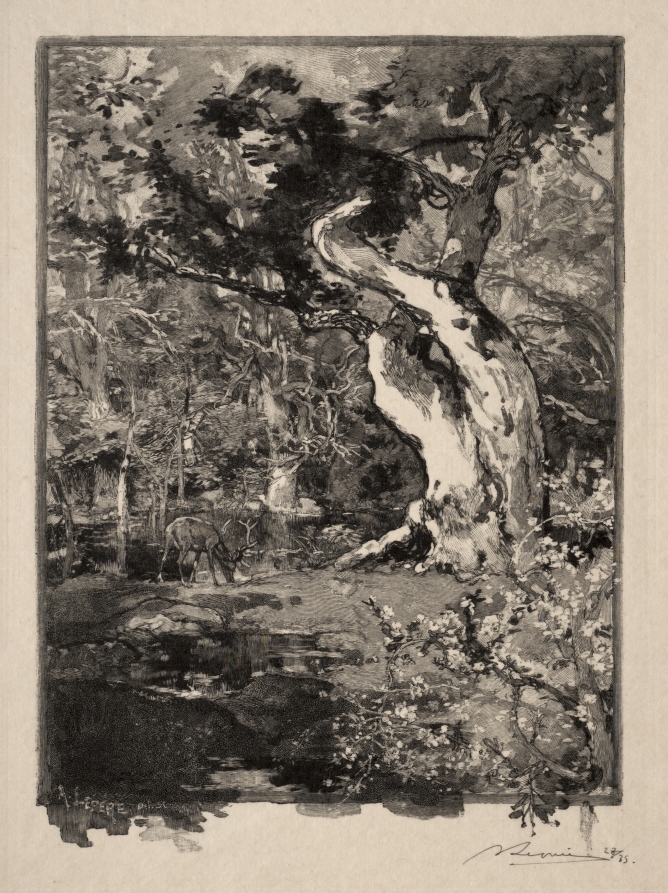 Auguste Louis Lepère (French, 1849–1918) — Le Clovis, Platea
 Utagawa Hiroshige — 東海道五十三次 金谷 かなや駅 大井川|Kanaya
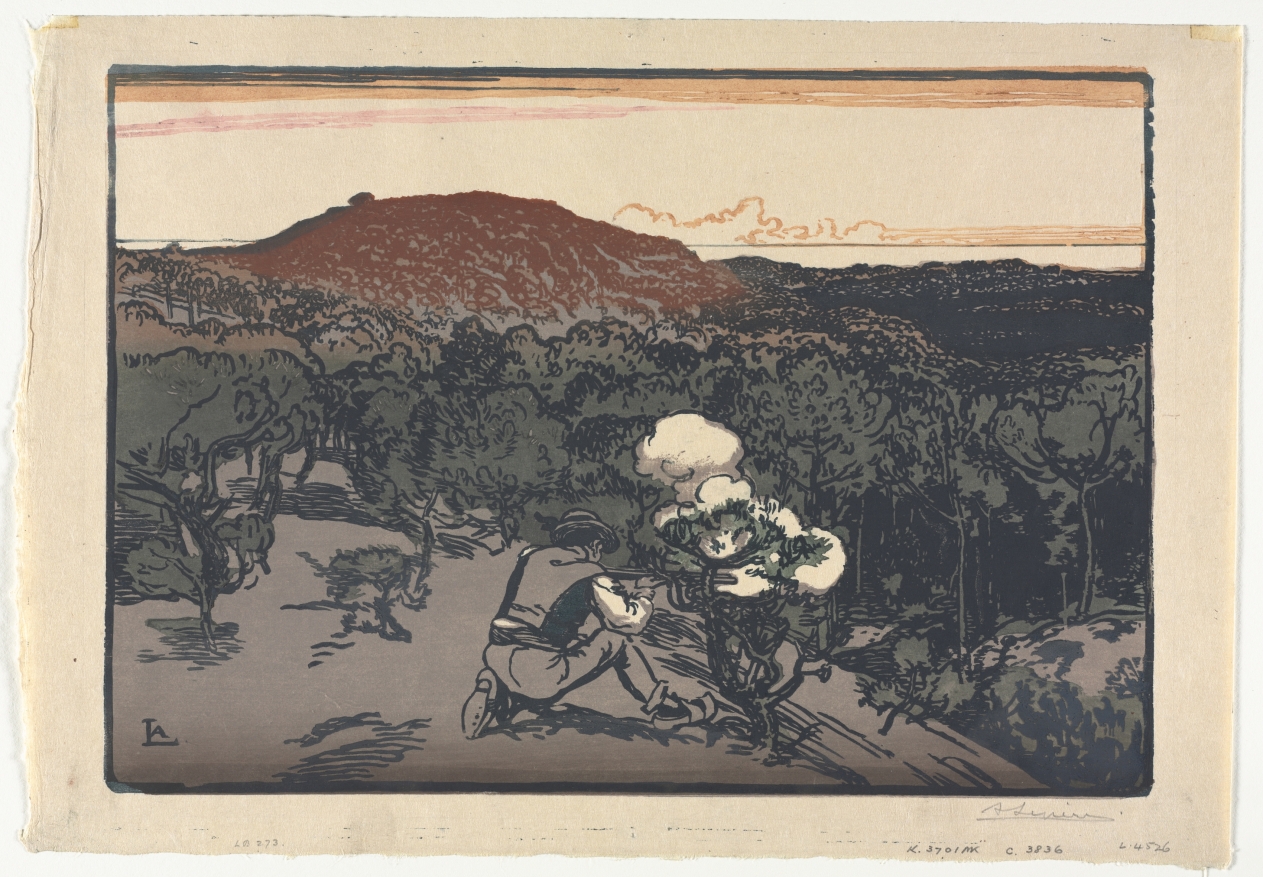 Auguste Louis Lepère (French, 1849–1918) — The Poacher, Dune
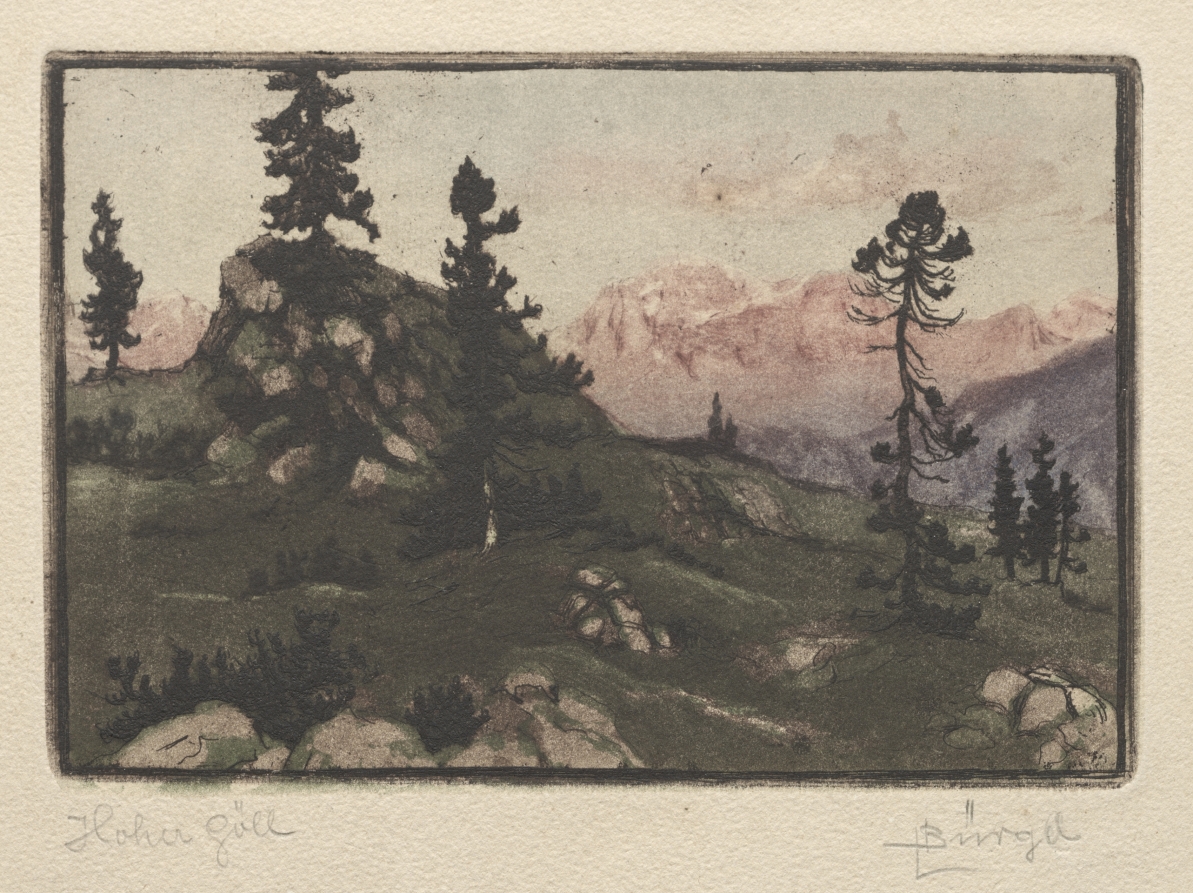 Hugo Burghel (German, 1853–1903) — Hoher Gull