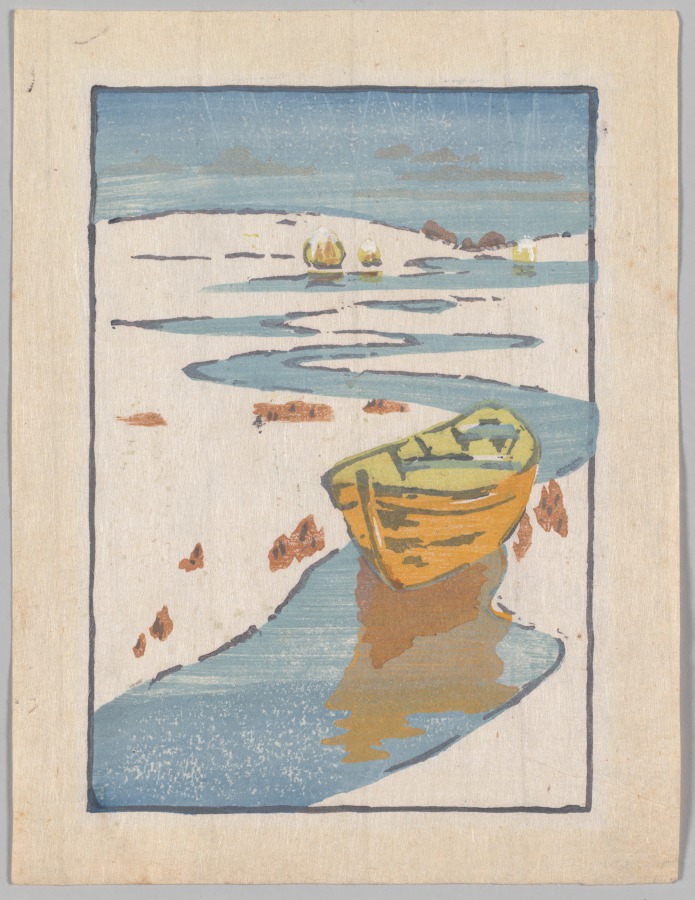
Boats at Rest
SEE IT IN PERSON
Not currently on view
In the collection of Art Institute of Chicago, Chicago · as of July 2026
Discussion
FROM THE ART INSTITUTE OF CHICAGO’S CATALOG
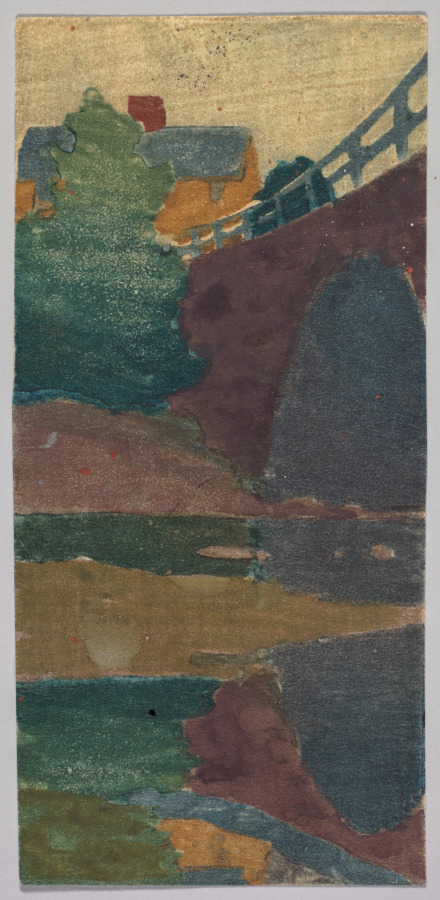
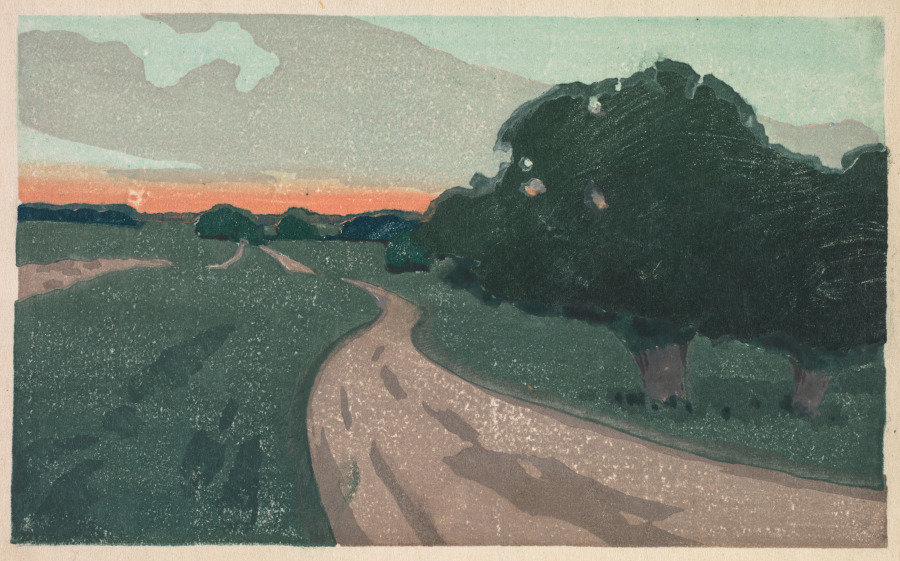
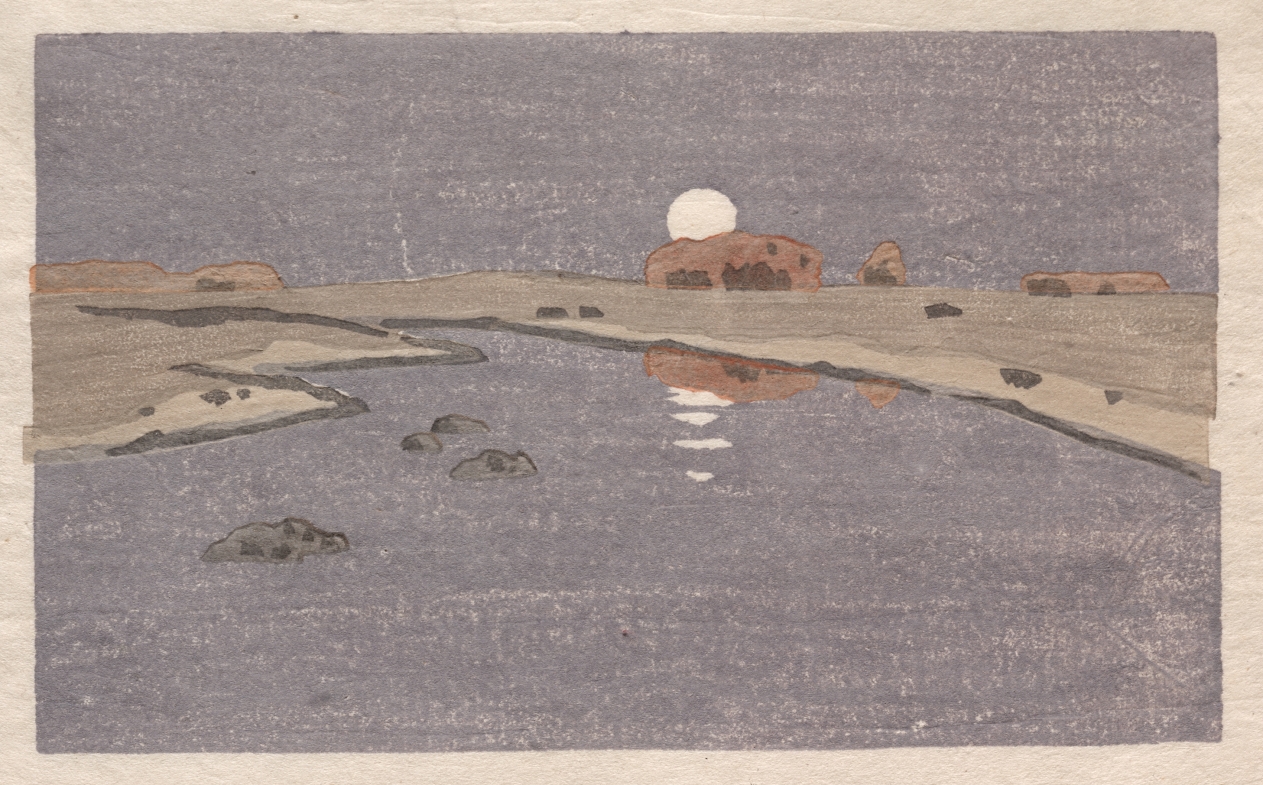
In 1891 Arthur Wesley Dow began to engage seriously with the formal elements of Japanese art in his prints and oil paintings. In works such as Boats at Rest , he depicted locales around his native Ipswich, Massachusetts, using the radical cropping, elevated perspective, and flattened pictorial space characteristic of ukiyo-e (Japanese woodblock) prints. His palette of bold colors, however, is more akin to the work of French Post-Impressionist artists such as Émile Bernard and Paul Gauguin. Dow’s Japanese-inspired theories of composition, which he outlined both in his publications and in the classes he taught at the Ipswich Summer School of Art and the Pratt Institute in Brooklyn, were immensely influential to artists and designers working in both two and three dimensions.
Be the first to share your thoughts.
Sign in to join the discussion.
More by Arthur Wesley Dow
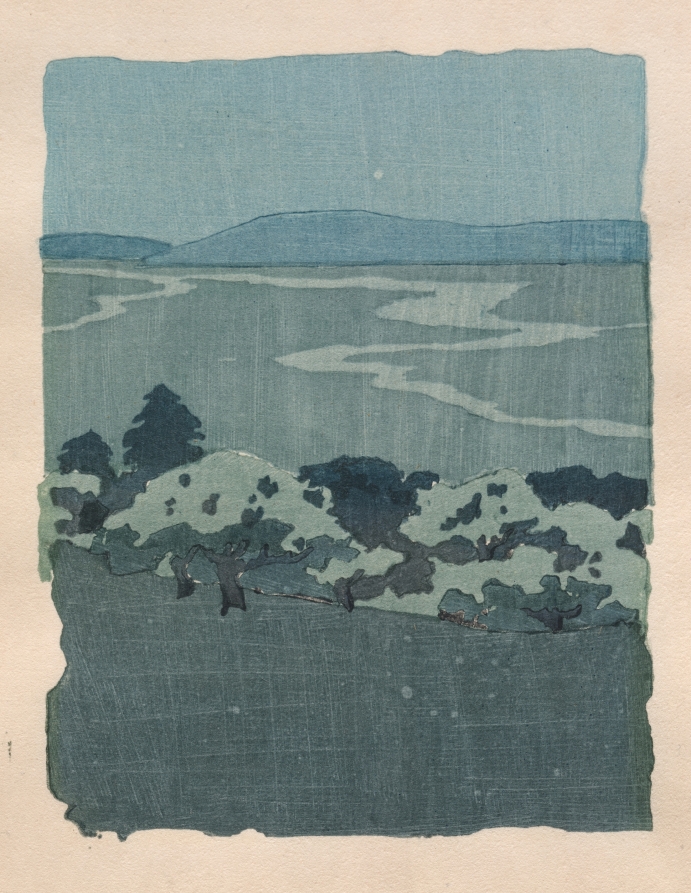
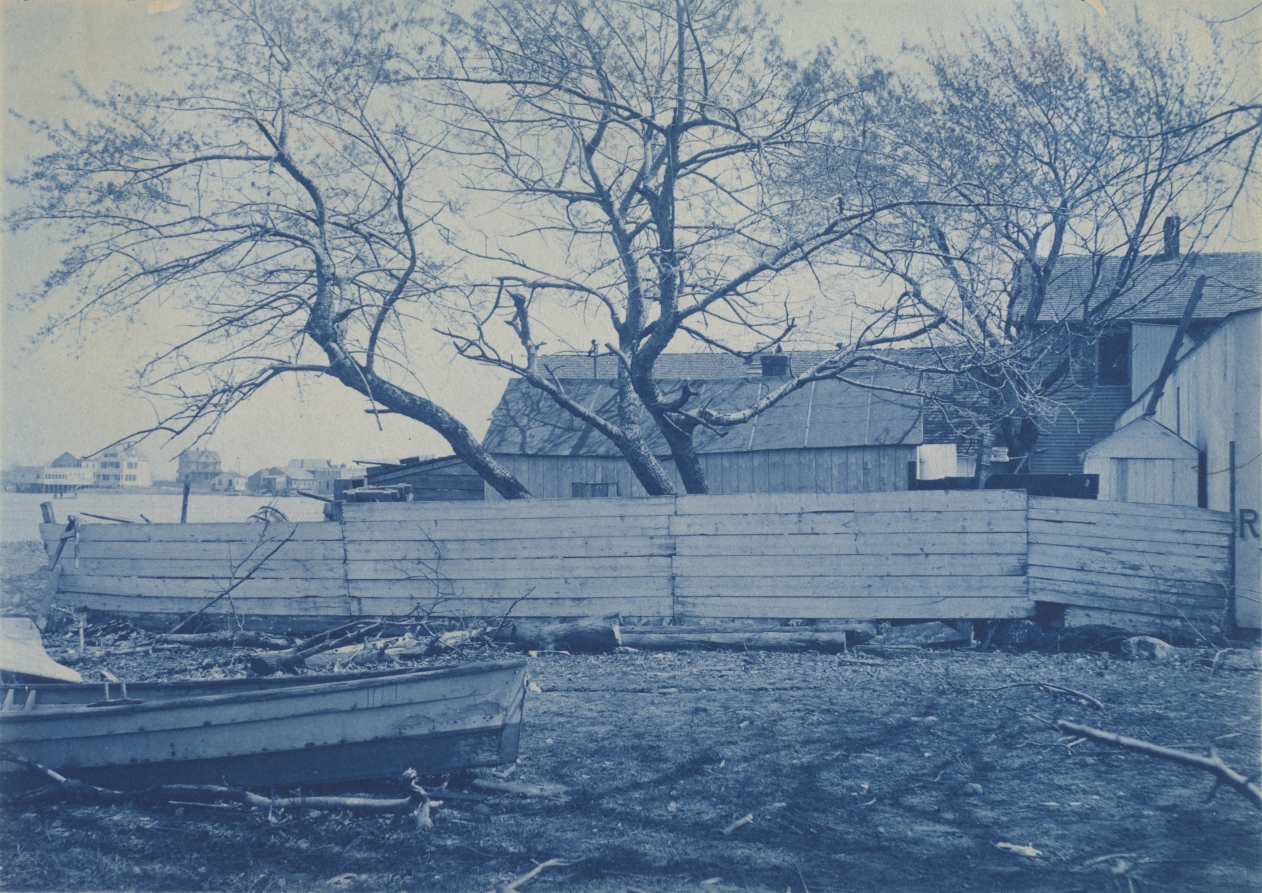
More like this
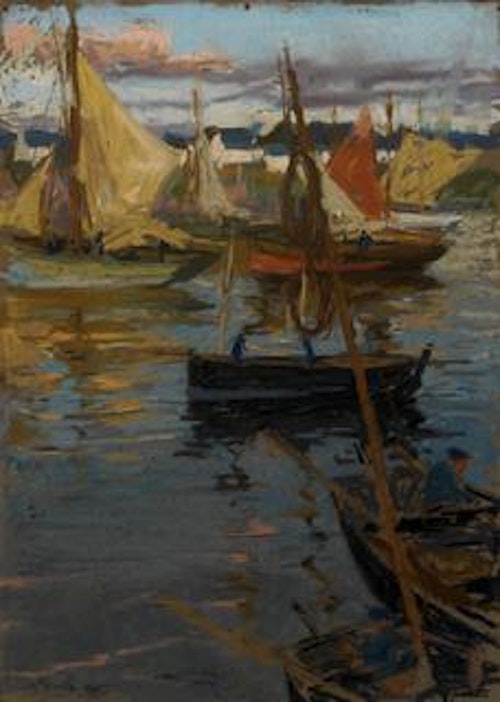 Charles Fromuth — An Evening Glow with a Rose Trail in the S
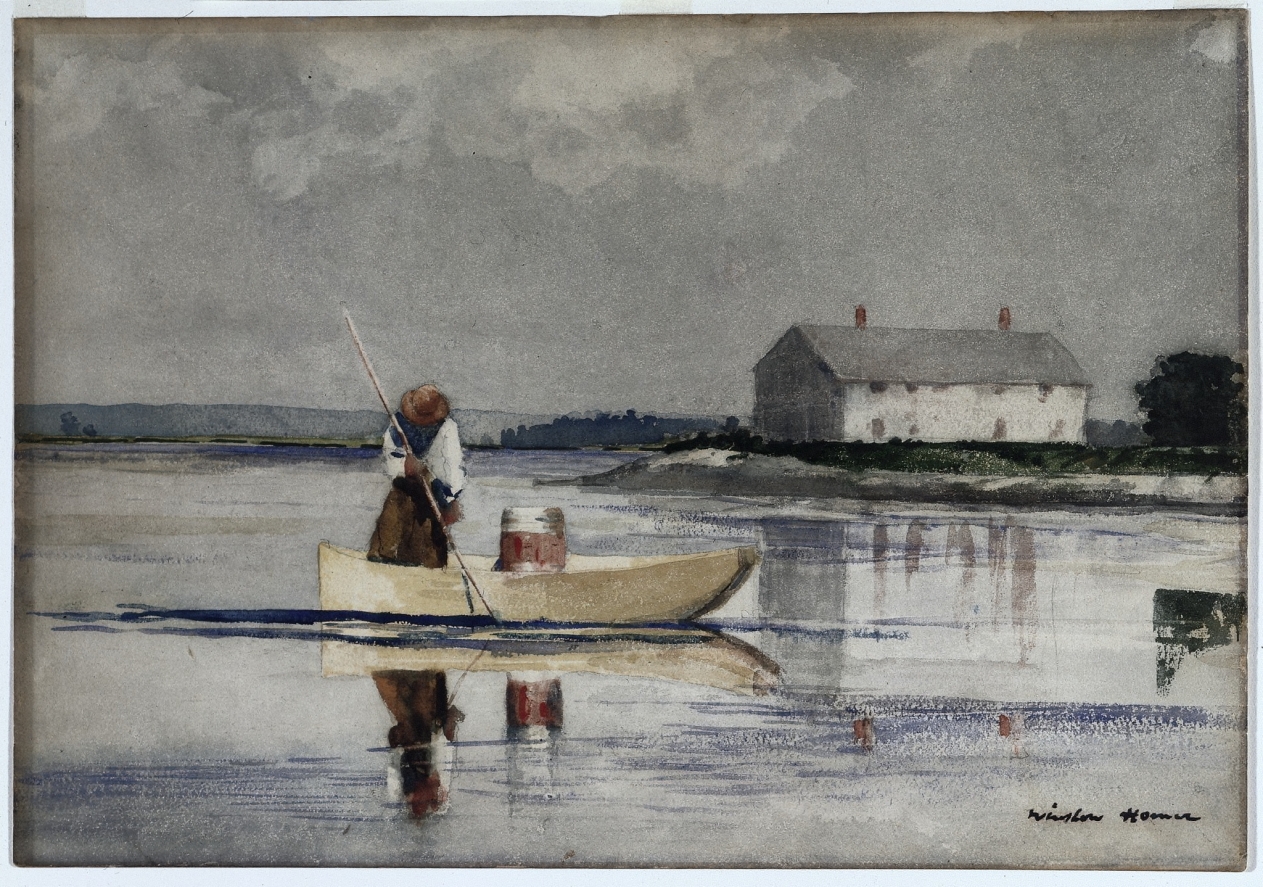 Winslow Homer (American, 1836–1910) — Spearing Eels
 Claude Monet — Fishermen in Poissy
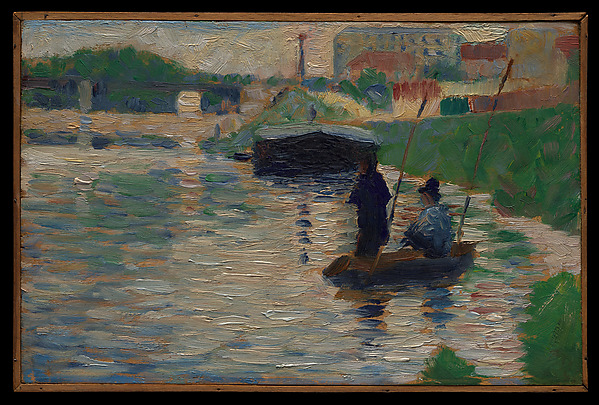 Georges Seurat — View of the Seine
 Claude Monet — View of Argenteuil
 Claude Monet — The Seine Near its Estuary, Honfleur
 Alfred Sisley — The Seine at Port-Marly, Piles of Sand
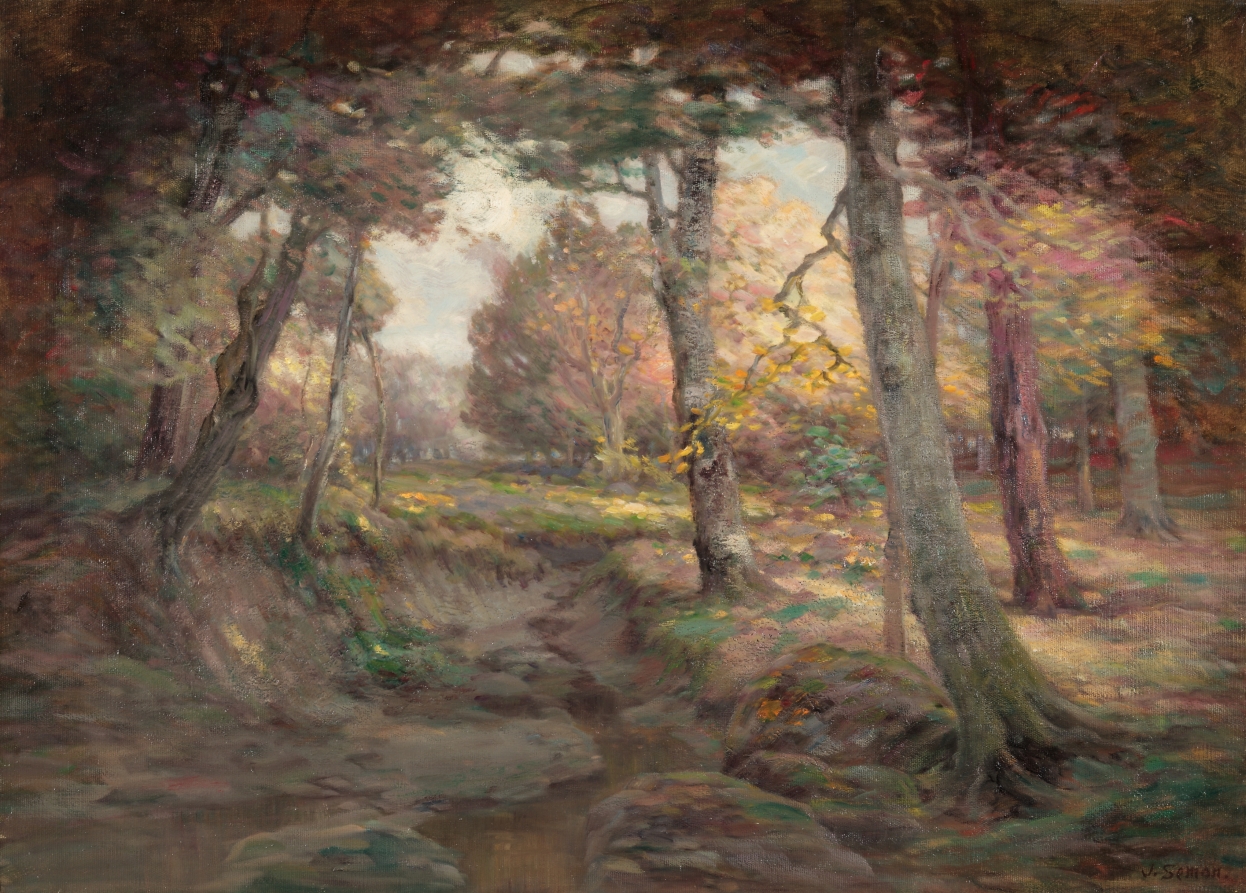 John Semon (American, 1852–1917) — Edge of the Woods
 Claude Monet — Seine at Rouen
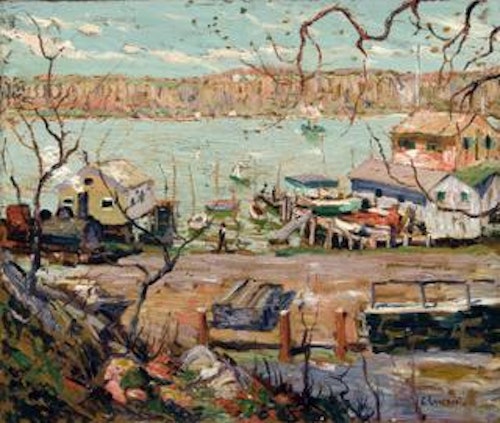 Ernest Lawson — River Scene–Boats and Houses
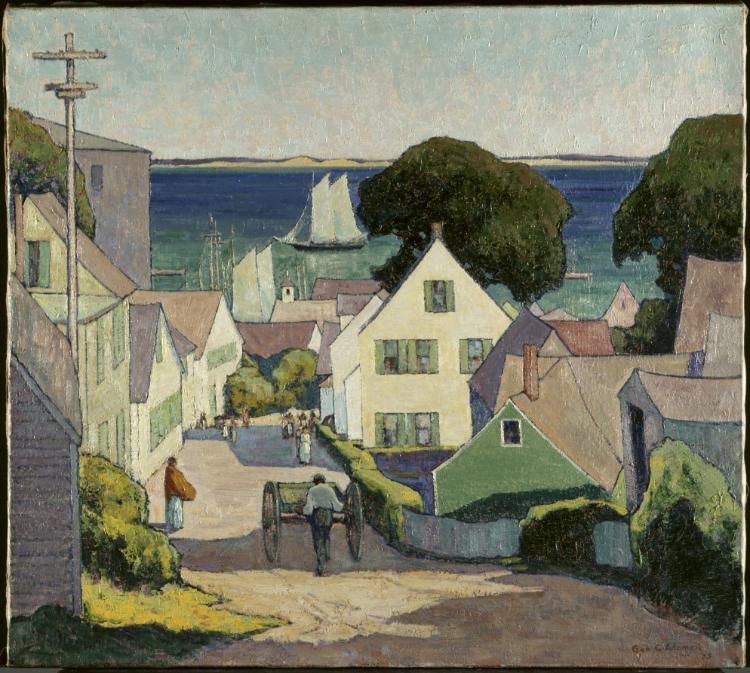 George G. Adomeit (American, born Kingdom of Prussia [now Li
 Johan Hendrik Weissenbruch — Summer Day