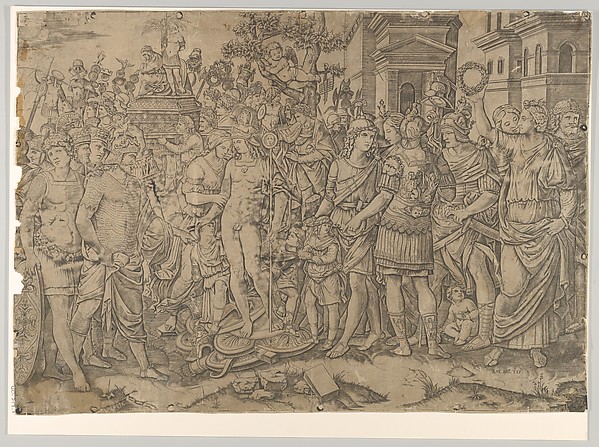
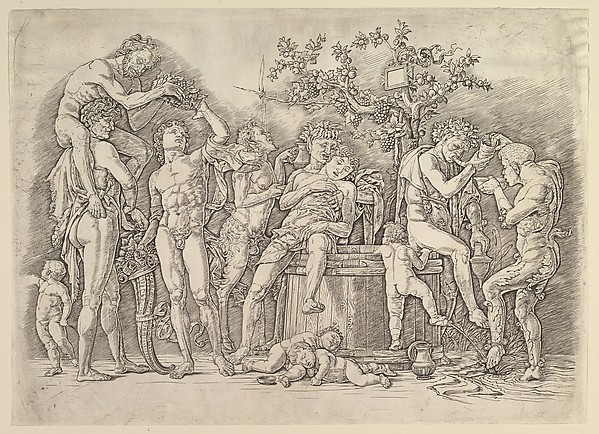
FROM THE CLEVELAND MUSEUM OF ART’S CATALOG
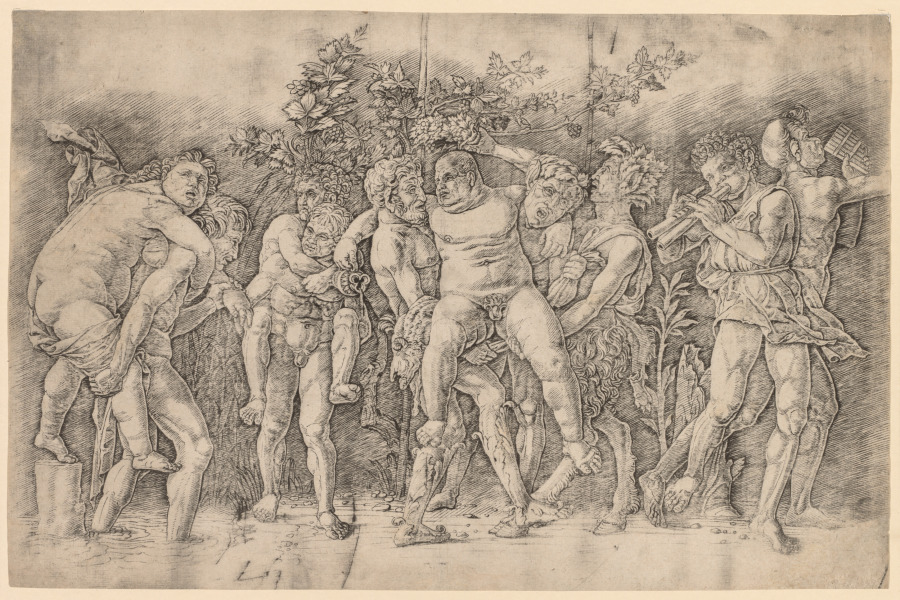
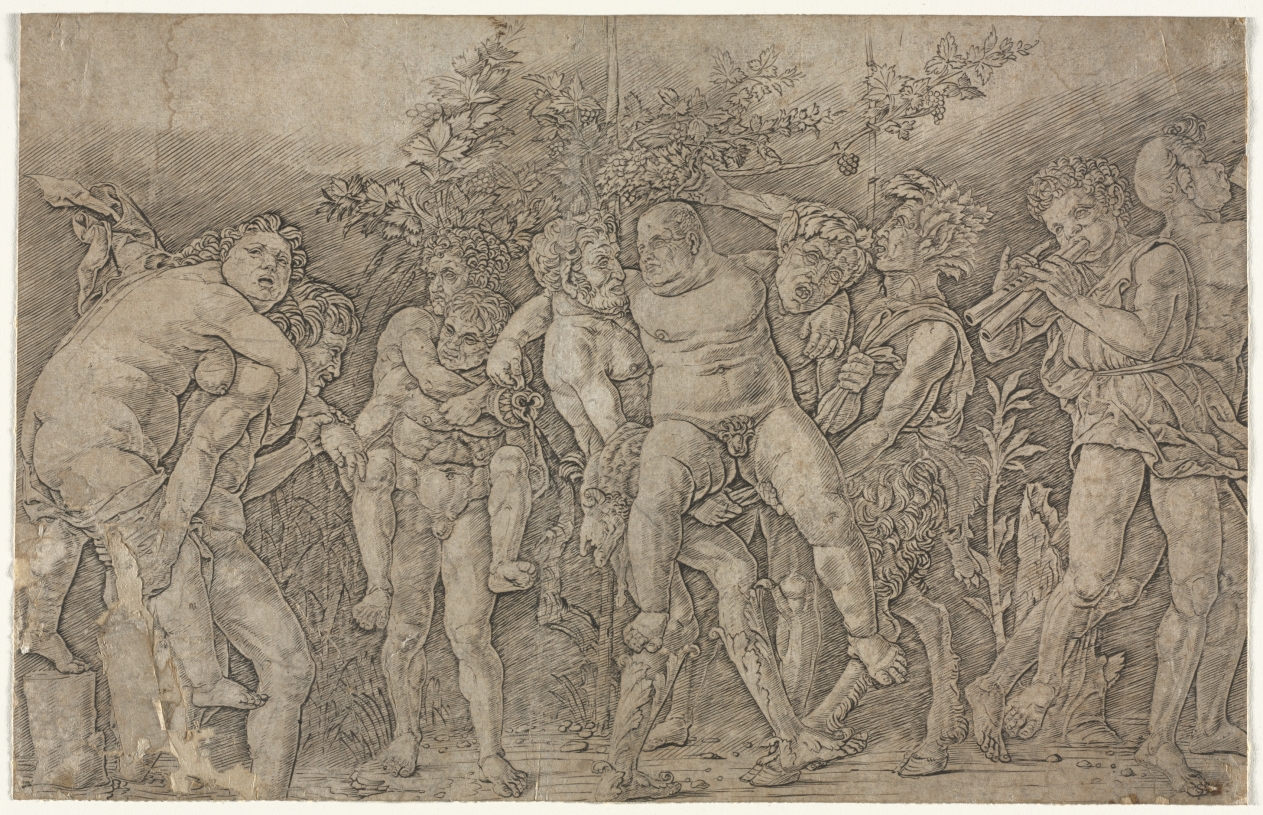
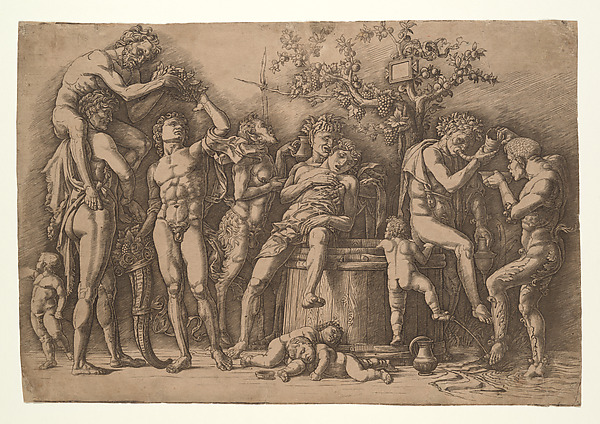
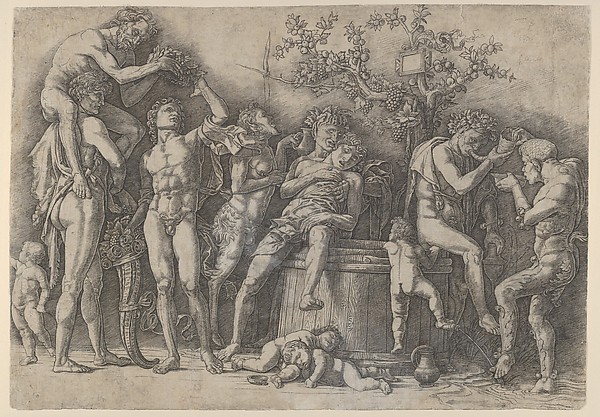
Perhaps unhappy with the way his engraved plates had worn down from use, Andrea Mantegna commissioned Giovanni Antonio da Brescia to reengrave several of his compositions. Comparing Da Brescia’s impression to Mantegna’s shows that the copperplate was less worn when the later print was made and the inks more expertly mixed to adhere to the incised lines, resulting in an overall stronger impression with greater contrast. The impact is a work that has a strong affinity with the relief-carved Roman sarcophagi (stone coffins) that inspired Mantegna.
Source ↗︎
Be the first to share your thoughts.
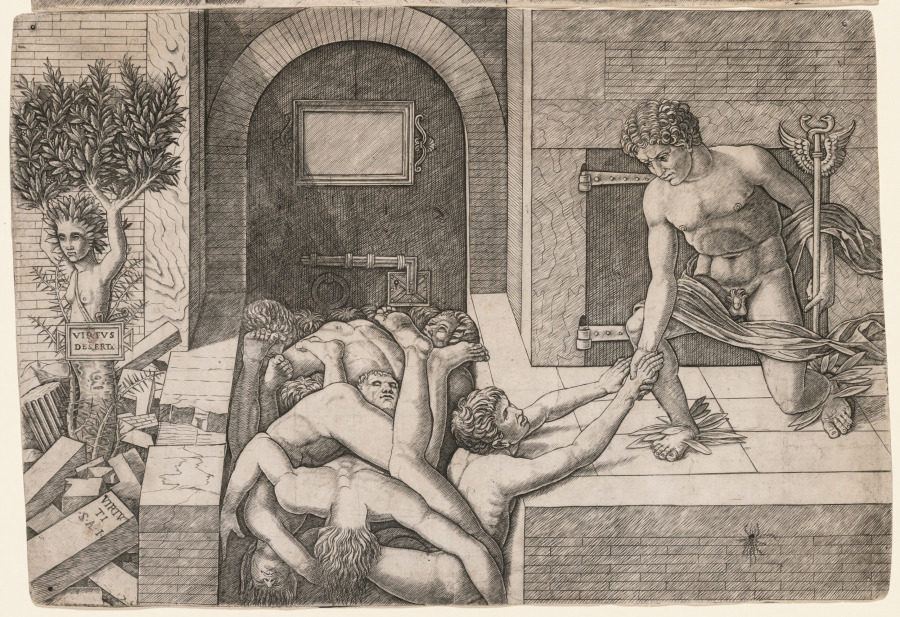 Allegory of the Rescue of Humanity: Virtus Deserta
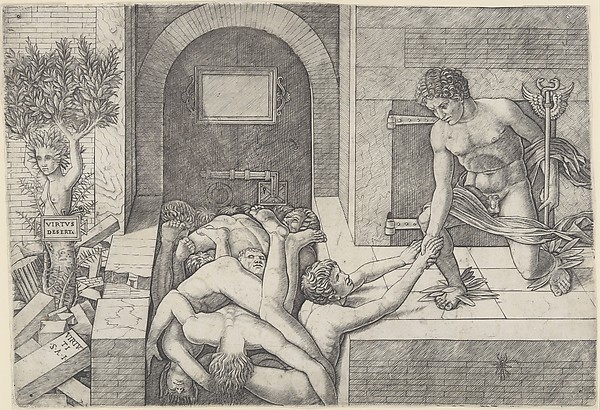 Ignorance and Mercury (an allegory of Virtue and Vice), Merc
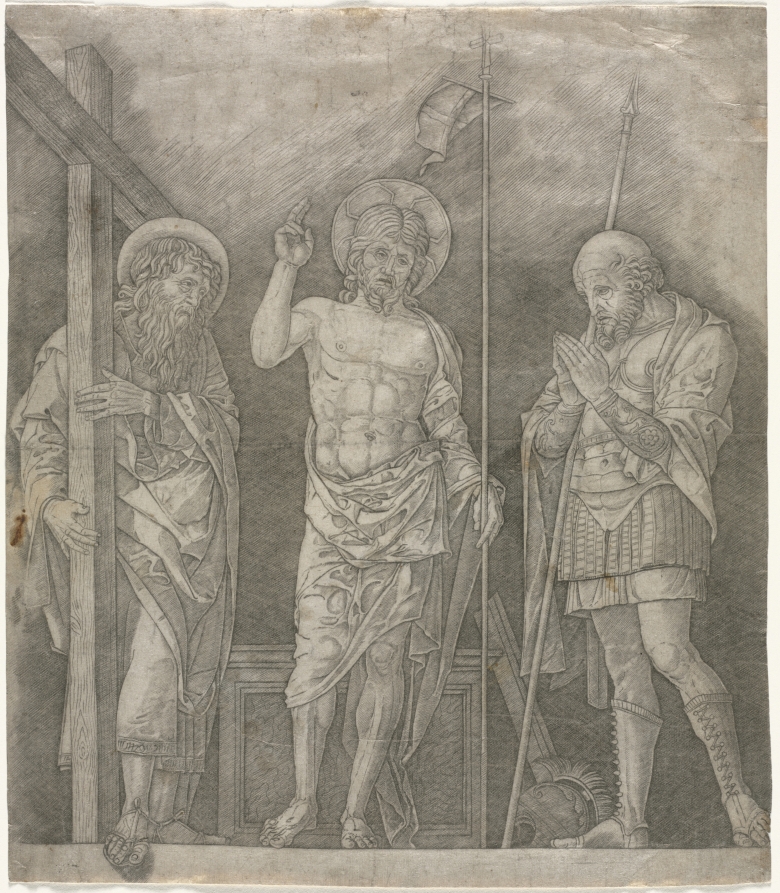 Risen Christ Between Saints Andrew and Longinus
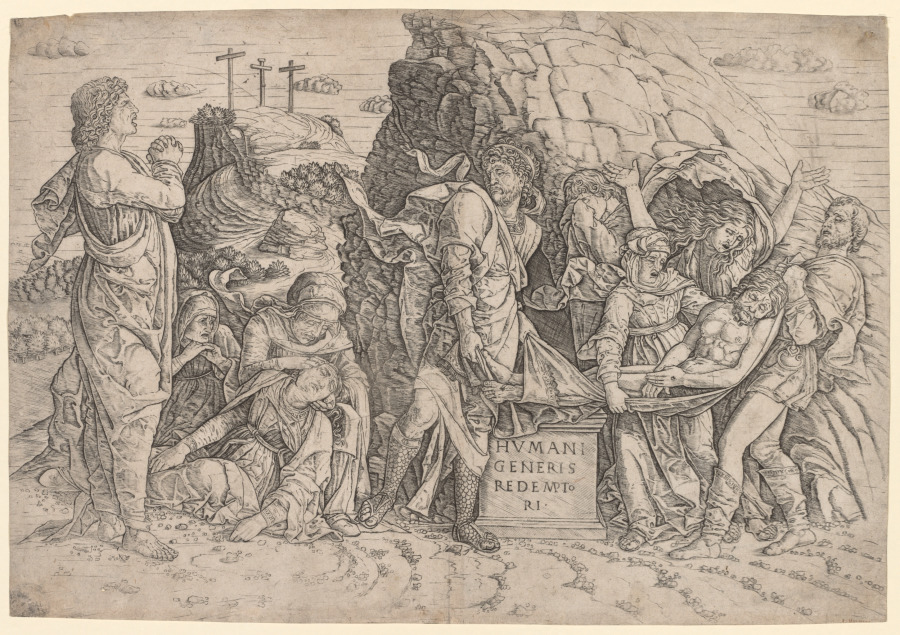 Entombment
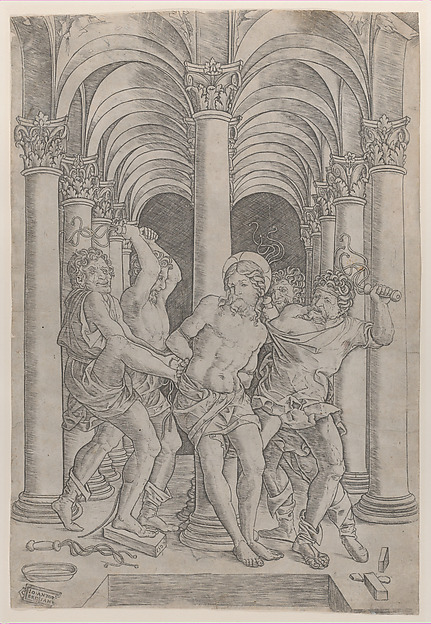 The Flagellation of Christ who is tied to a column at center
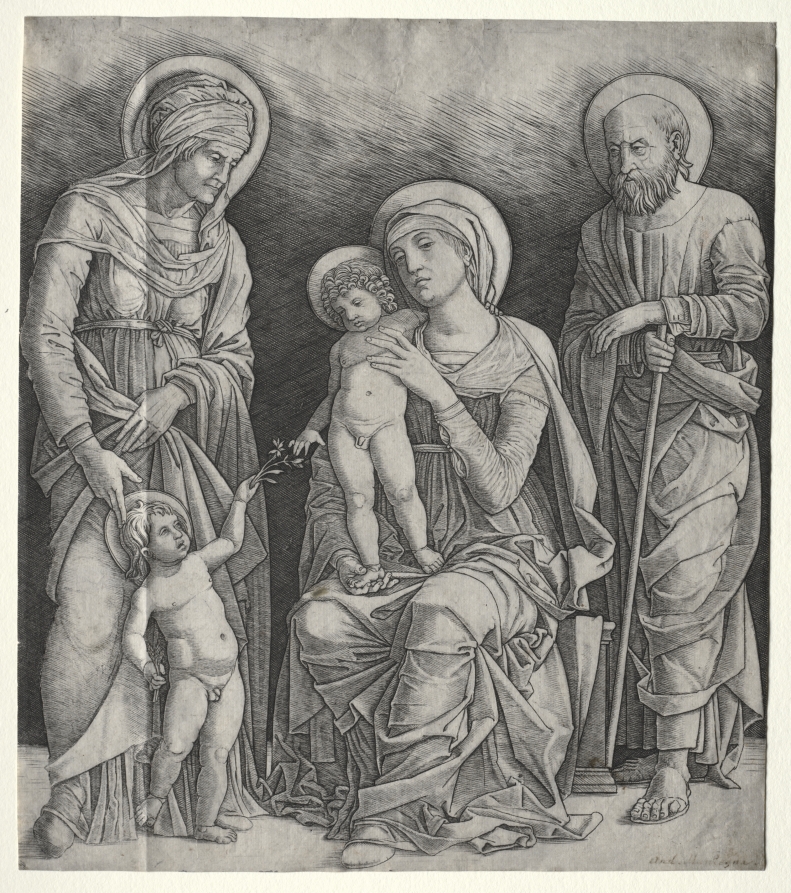 Holy Family with St. Elizabeth and the Infant St. John the B
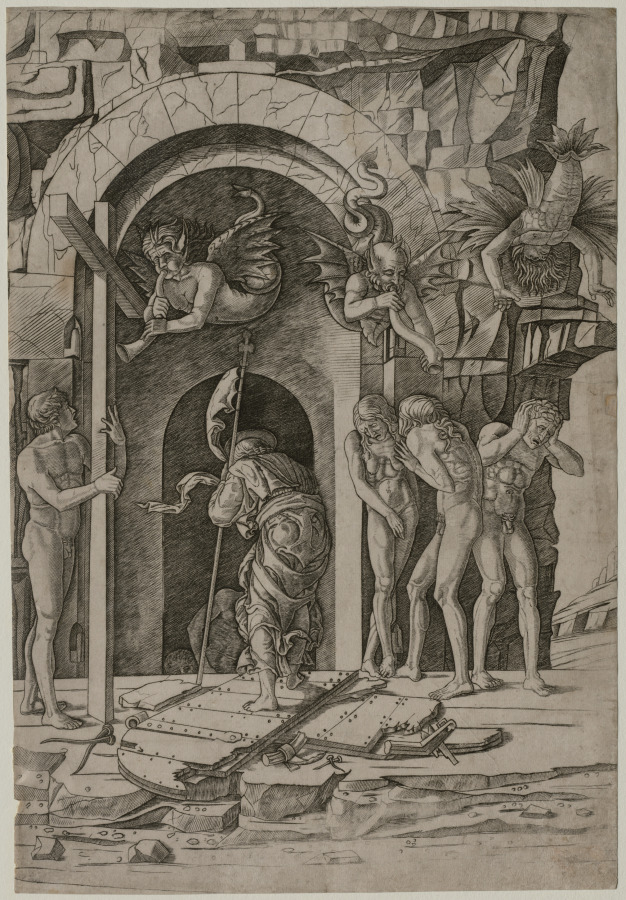 Descent into Limbo
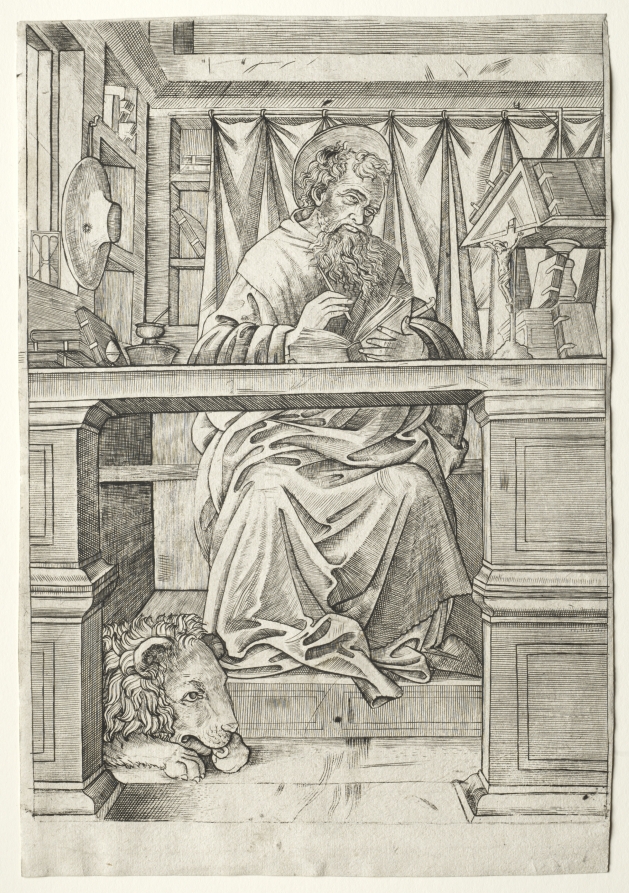 St. Jerome in His Study