In the collection of Cleveland Museum of Art, Cleveland — check current display status with the museum.
FROM THE CLEVELAND MUSEUM OF ART’S CATALOG
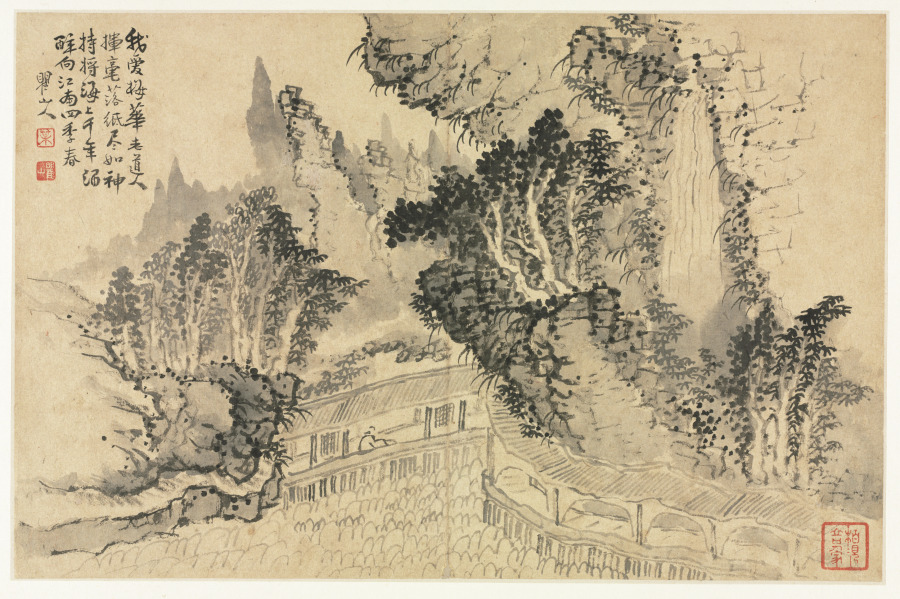
Gyokudo painted in the Nanga style (literary men's school of painting), originally influenced by 18th-century Chinese painting. Most of his landscapes are variations on the theme of tall mountains and remote huts. Note the spontaneity of the brushstrokes and how the dry, rough ink works with the texture of the paper. Born to an ancient samurai family, Gyokudo was trained in the Chinese classics and studied painting, poetry, and the koto (kind of zither). He devoted himself to art and music, painting, drinking, and playing the koto as he wandered about the country.
Be the first to share your thoughts.
Sign in to join the discussion.
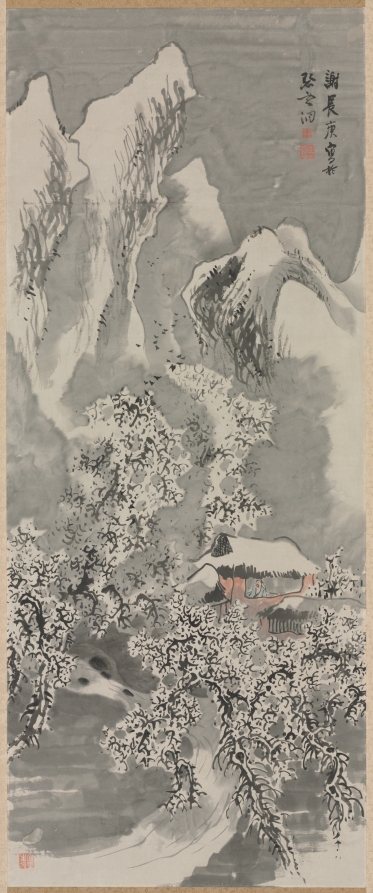 Yosa Buson (Japanese, 1716–1783) — Snow Landscape
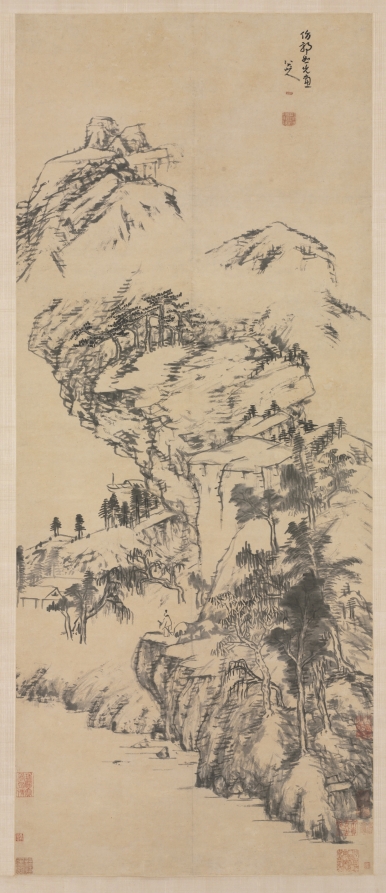 Bada Shanren (Chinese, 1626–1705) — Landscape after Guo Zhon
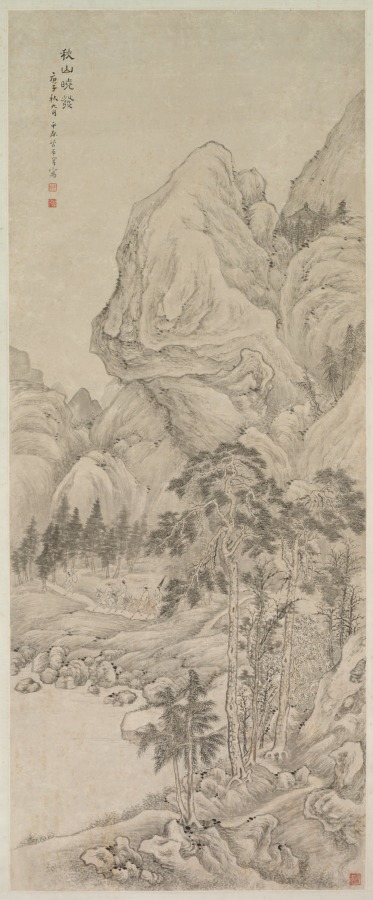 Landscape
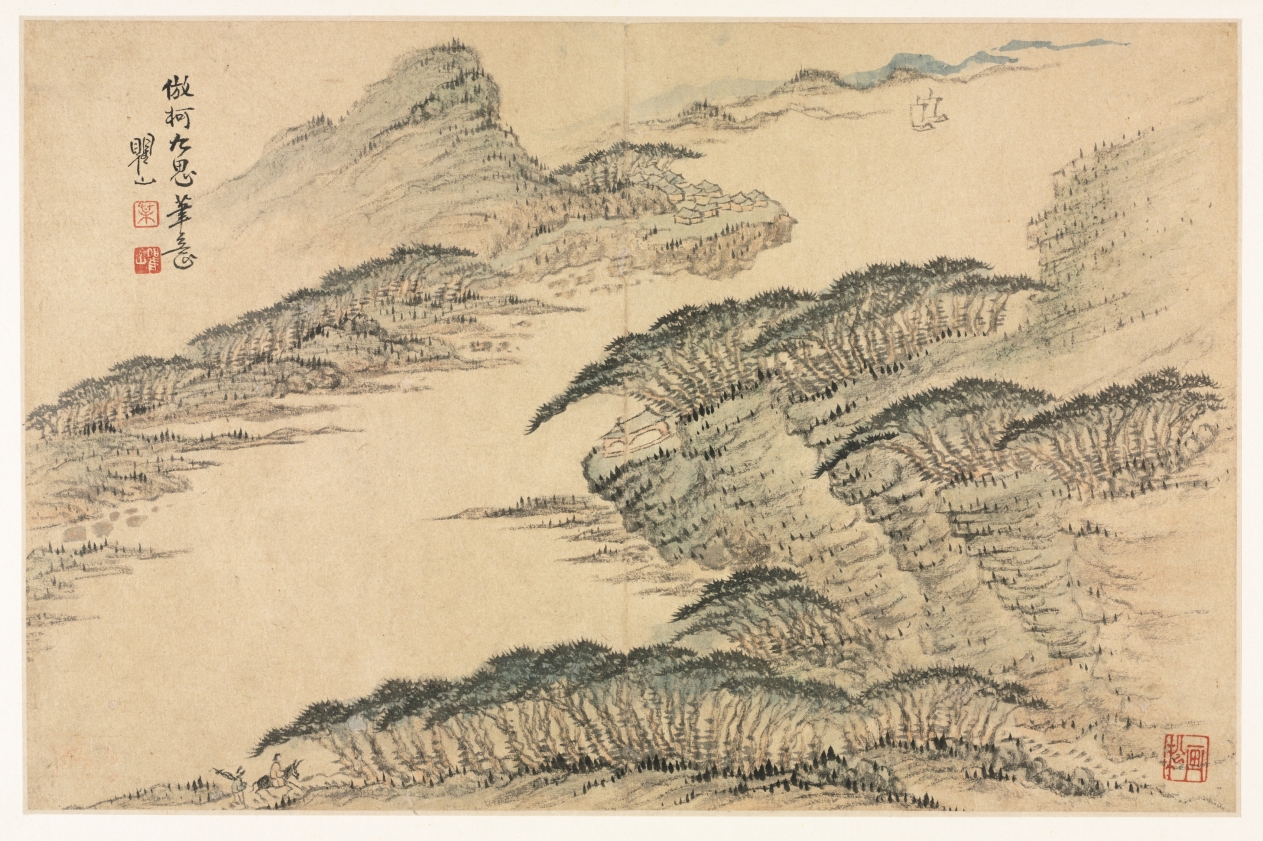 Mei Qing (Chinese, 1623–1697) — Landscapes in Various Styles
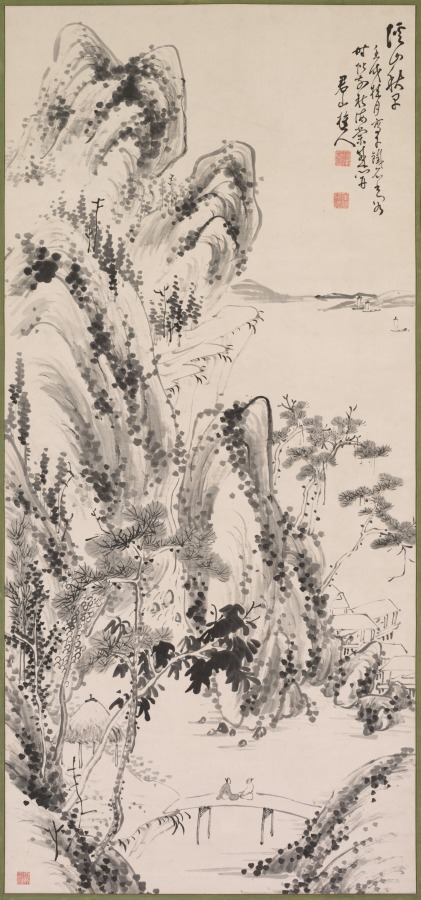 Fujimoto Tesseki (Japanese, 1816–1863) — Landscape with Figu
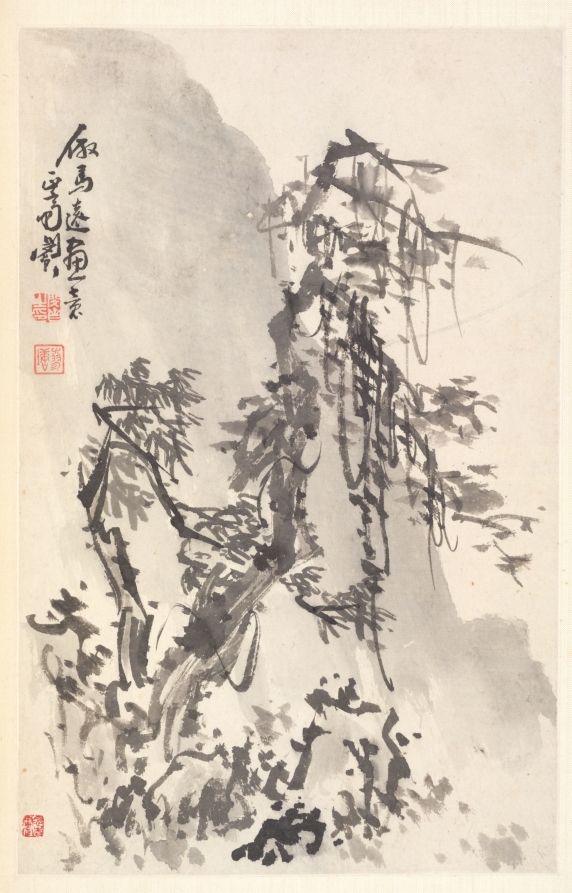 Min Zhen (Chinese, 1730–after 1788) — Landscape in the Manne
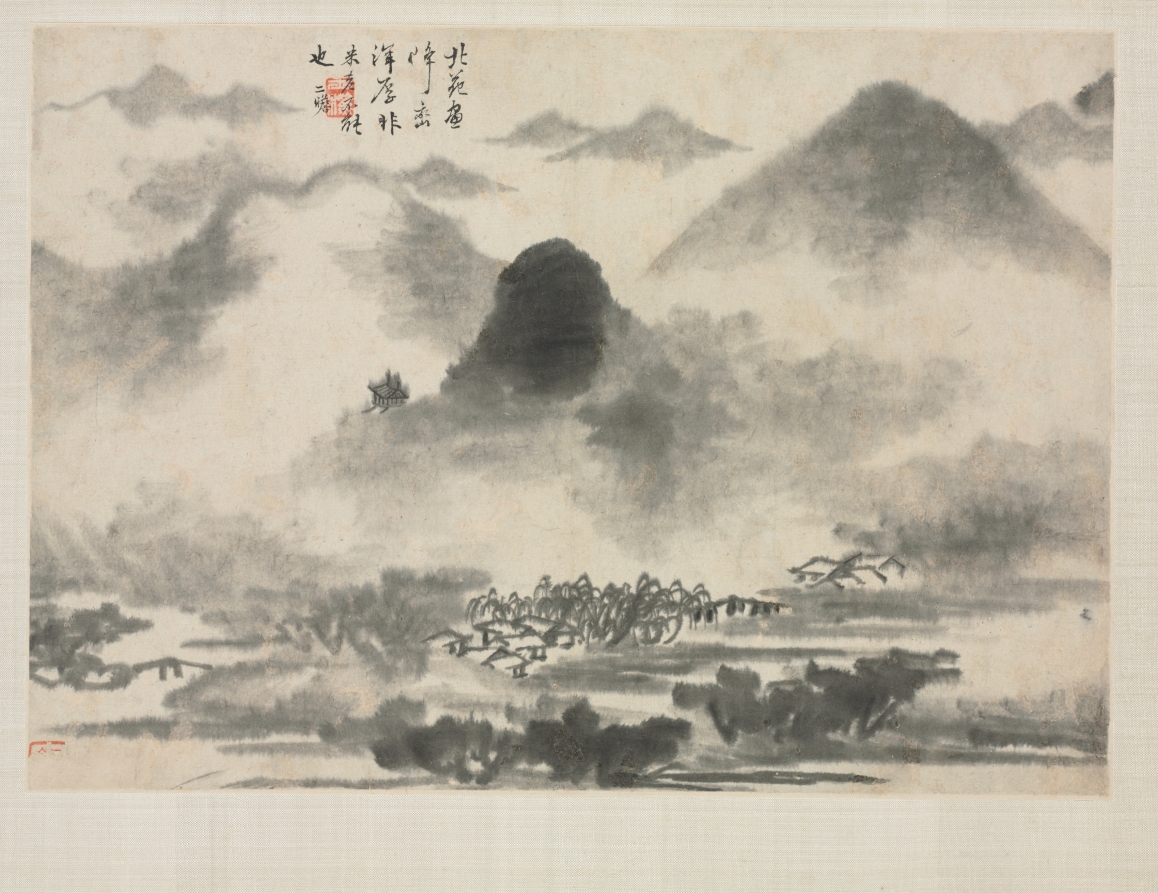 Zha Shibiao (Chinese, 1615–1698) — Landscape Album in Variou
 Li Shizhuo — Landscape: Beautiful Scenery Frozen in Mist
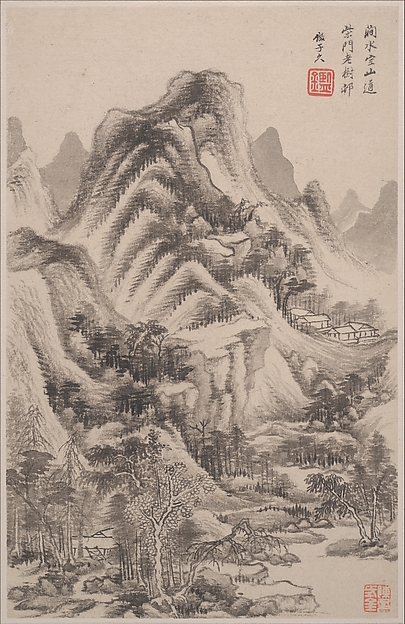 Wang Jian|Wang Shimin — 清 王鑑 仿古山水圖 冊 紙本|Landscapes in the st
![Daoist Retreat in Mountain and Stream (Landscape after Ni Zan [1301–1374])](https://openaccess-cdn.clevelandart.org/1962.43/1962.43_web.jpg) Lu Zhi (Chinese, 1496–1576) — Daoist Retreat in Mountain and
Lu Zhi (Chinese, 1496–1576) — Daoist Retreat in Mountain and Wang Shimin — Landscape after Wang Meng
 Mei Qing (Chinese, 1623–1697) — Landscapes in Various Styles