The Judgment of Paris
SEE IT IN PERSON
Not currently on view
In the collection of Art Institute of Chicago, Chicago · as of July 2026
Discussion
FROM THE ART INSTITUTE OF CHICAGO’S CATALOG
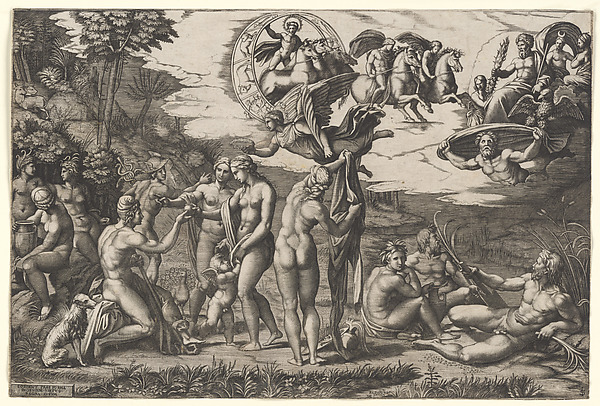
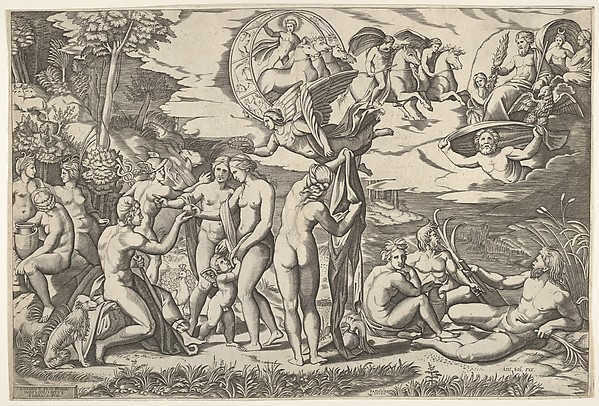
In Greek myth, Paris was a Trojan prince tasked to select the most beautiful goddess of the pantheon at Mount Olympus. Seated at left, he hands the prize (a golden apple) to Venus, surrounded by numerous other Greek gods. The renowned Italian painter Raphael based this composition on a sculpted relief from a Roman sarcophagus, demonstrating his deep knowledge of ancient art. Marcantonio Raimondi, who worked in Raphael’s workshop, skillfully translated Raphael’s design and even devised a method to convey unprecedented tonal complexity. By scratching the surface of the copperplate with a pumice stone, particularly in the foreground, he created a silvery mid-tone that lends a painterly quality to the print. The engraving became one of the most influential and widely copied prints of the Renaissance.
Be the first to share your thoughts.
Sign in to join the discussion.
More by Marcantonio Raimondi
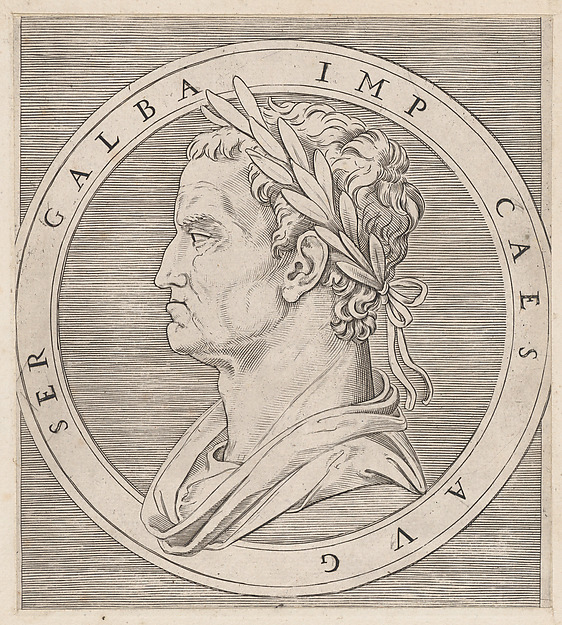 Speculum Romanae Magnificentiae: Galba, from The Twelve Caes
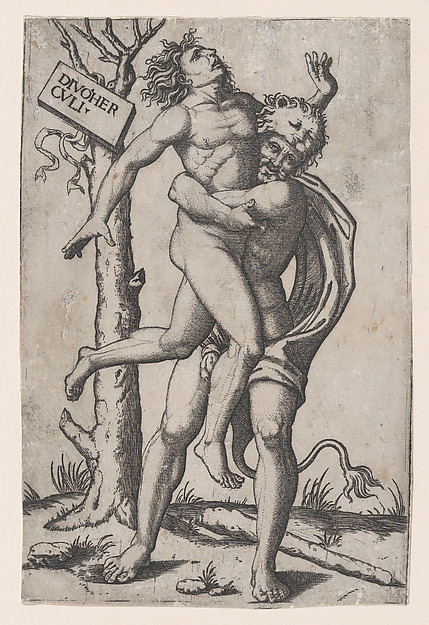 Hercules, grasping Antaeus at the waist with both arms and l
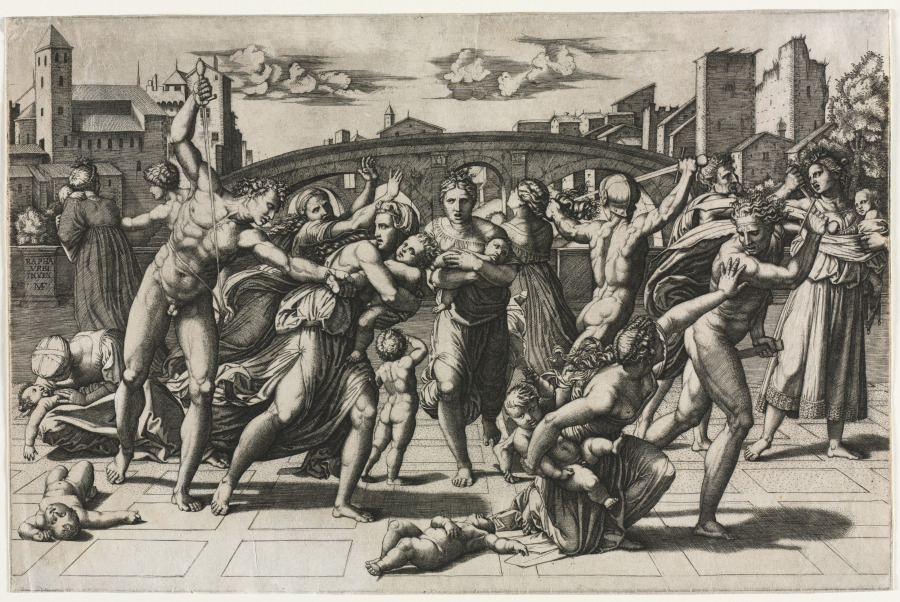 The Massacre of the Innocents (Without the Fir Tree)
 Apollo on Parnassus, Surrounded by the Muses and Poets
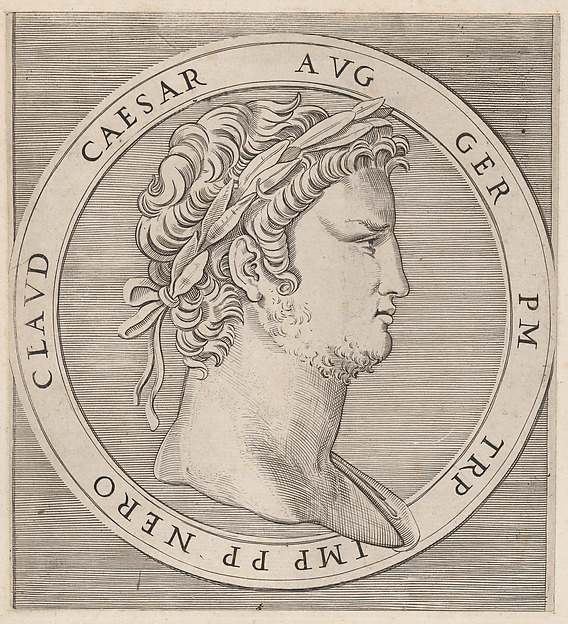 Speculum Romanae Magnificentiae: Nero, from The Twelve Caesa
 Speculum Romanae Magnificentiae: Vespasian, from The Twelve
  Martyrdom of Saint Lawrence
 Two Fauns Carrying a Child
More like this
 Marcantonio Raimondi|Raphael (Raffaello Sanzio or Santi) — T
 Marcantonio Raimondi|Raphael (Raffaello Sanzio or Santi)|Ant
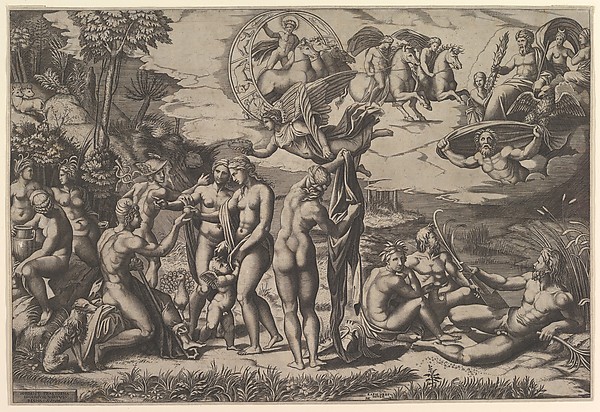 Marco Dente|Marcantonio Raimondi|Raphael (Raffaello Sanzio o
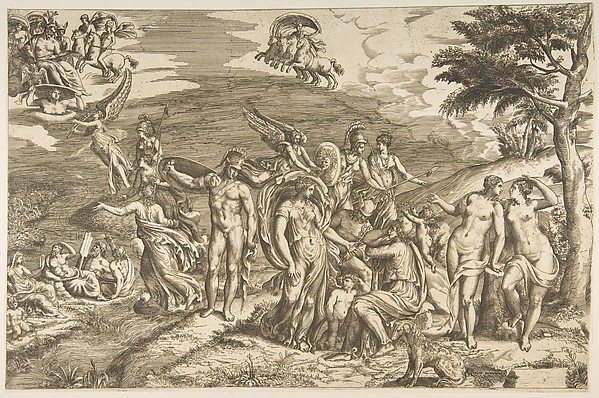 Giulio Bonasone — The Judgment of Paris
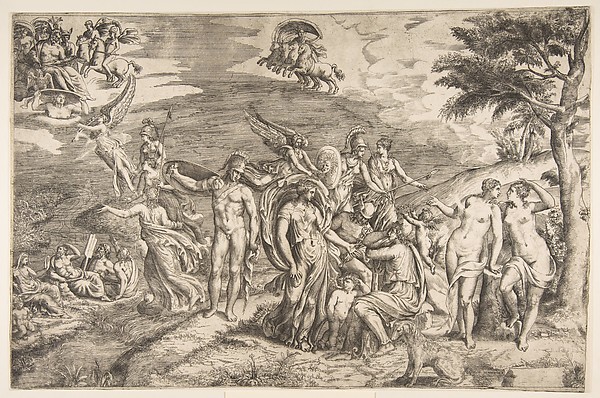 Giulio Bonasone — The Judgment of Paris
 Enea Vico — The Dispute between the Muses and the Daughters
  Jacob Matham — Perseus and Andromeda
 Giorgio Ghisi — The Judgment of Paris
 Jacob Matham — The Seven Virtues
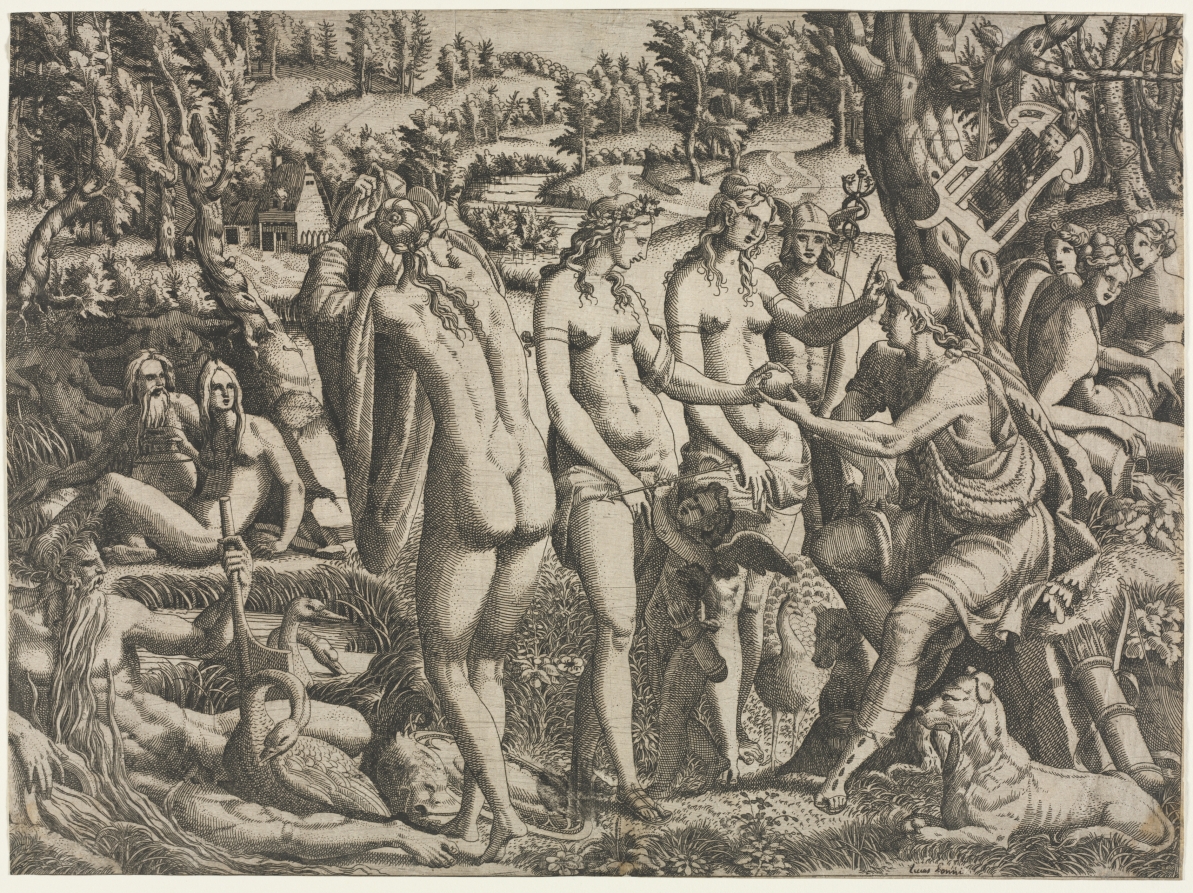 Jean Mignon (French, active c. 1535–55) — The Judgment of Pa
 Pierre Brebiette — Judgment of Paris
 Giorgio Ghisi|Giovanni Battista Bertano|Hieronymus Cock — Th