Not currently on view
In the collection of Cleveland Museum of Art, Cleveland · as of July 2026
FROM THE CLEVELAND MUSEUM OF ART’S CATALOG
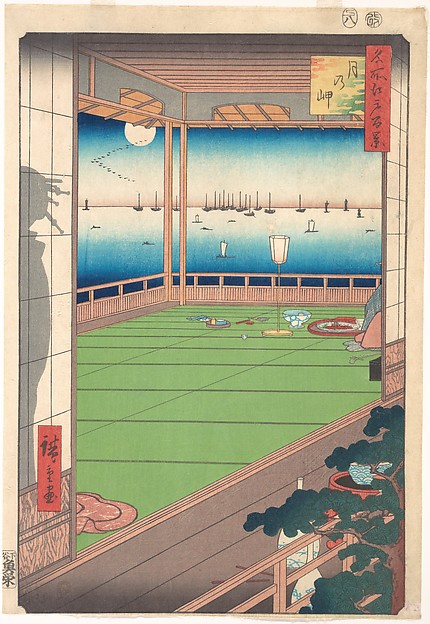
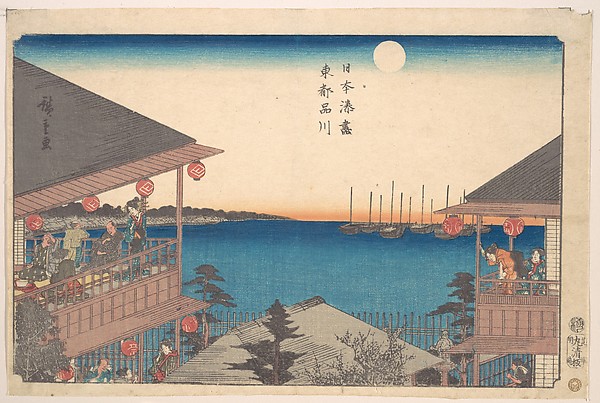
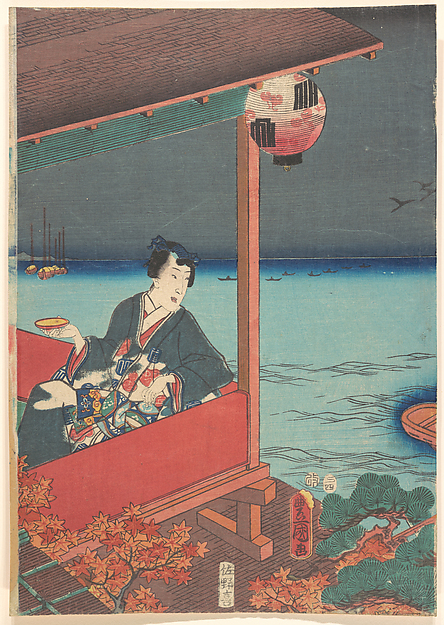
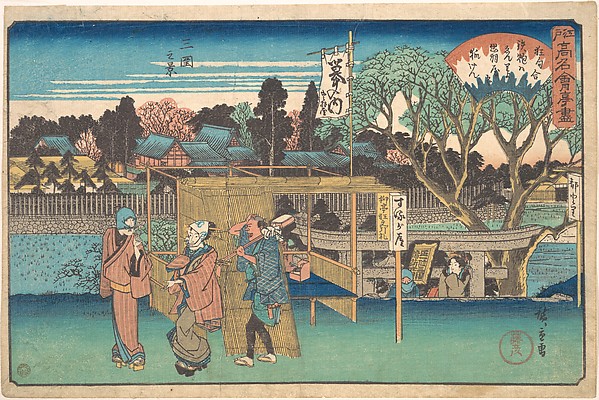
Beginning in the 700s, the Japanese held moon-viewing parties in celebration of the full moon during the late summer and autumn months. A full moon is visible in this print.
Be the first to share your thoughts.
Sign in to join the discussion.
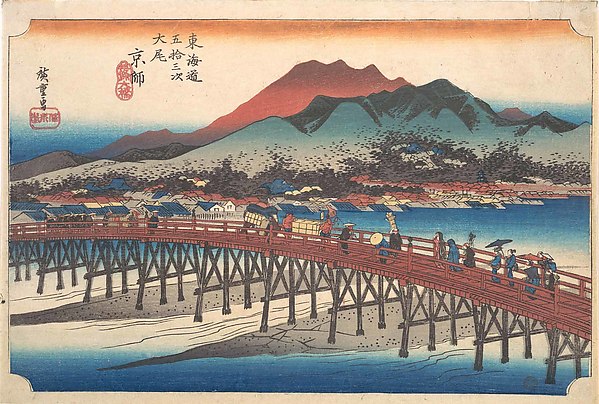
歌川広重画 「東海道五十三次 大尾 京師 三条大橋」|Kyoto: The Great Bridge at Sanjō
Opening of the Garden at Fukagawa Hachiman Shrine (Fukagawa
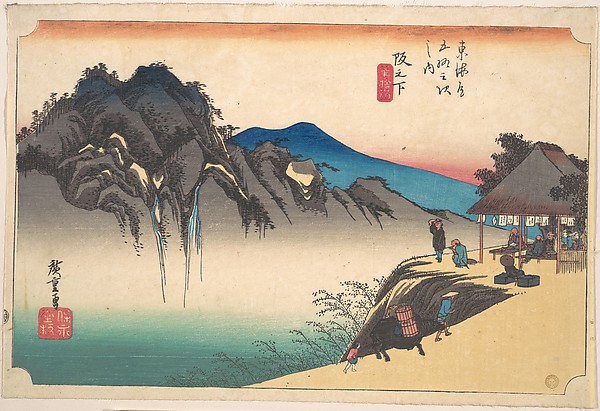
東海道五十三次之内 阪之下 筆捨嶺|Saka-no-shita, Fude-sute Mine
Kumano Junisha Shrine in Tsunohazu, Popularly Known as Junis
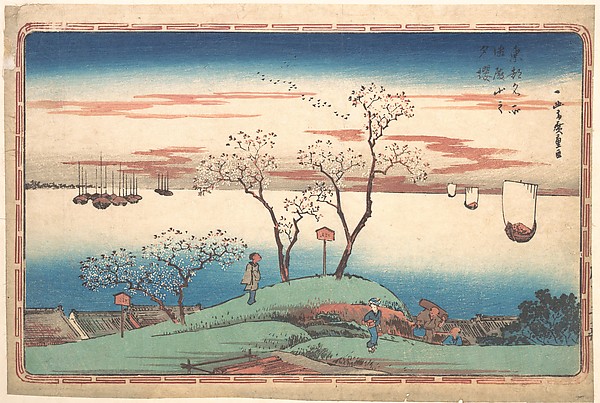
Gotenyama no yu-zakura|東都名所 御殿山之夕桜|Evening Cherry Blossoms a
Sakanoshita: Peak of Fudesute Mountain (Sakanoshita, Fudesut
Maisaka: View of Imagiri (Maisaka, Imagiri shinkei), from th
Inume Pass in Kai Province (Kai Inume toge), from the series
Utagawa Hiroshige — Moon-Viewing Point (Tsuki no misaki), fr
Utagawa Hiroshige — Moon-Viewing Point (Tsuki no misaki), No
Utagawa Hiroshige — 名所江戸百景 月の岬|Moon Viewing Point
Utagawa Hiroshige — Moon-Viewing Point (Tsuki no misaki), fr
Katsushika Hokusai — Poem by Sanjo-in, from the series "One
Katsushika Hokusai (Japanese, 1760–1849) — Poem by Fujiwara
Utagawa Hiroshige — Shinagawa Susaki (Shinagawa Susaki), fro
Utagawa Hiroshige — Hamamatsu: The Famous Murmuring Pines (H
Katsushika Hokusai (Japanese, 1760–1849) — Poem by Emperor S
Utagawa Hiroshige — Dawn at Kanda Myojin Shrine (Kanda Myoji
Utagawa Hiroshige — View of Tsukuda Island from Eitai Bridge