The Sacrifice of Polyxena
c. 1650
Oil on canvas
55.7 × 71 cm (21.9 × 28 in)
SEE IT IN PERSON
Not currently on view
In the collection of Art Institute of Chicago, Chicago · as of July 2026
Discussion
Be the first to share your thoughts.
Sign in to join the discussion.
More by Giulio Carpioni
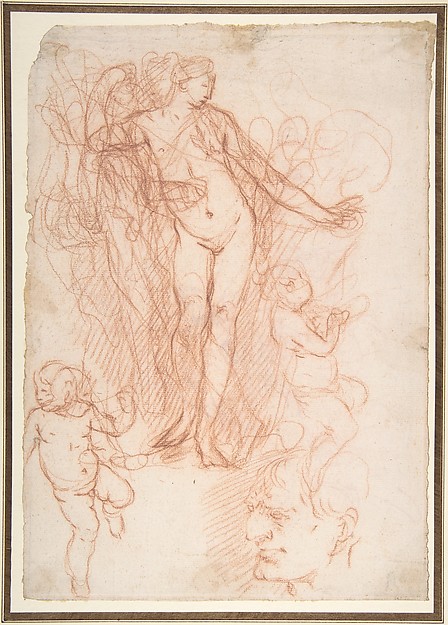 (R.)Figure Studies: Standing Nude Figure, Putti, and a Man's
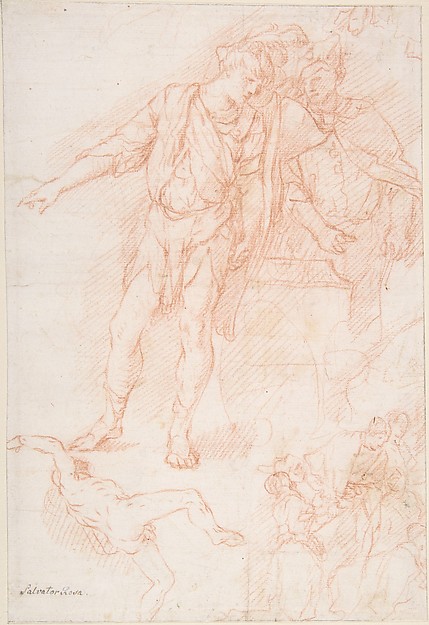 Figure Studies: Men Standing by a Large Vase, a Falling Nude
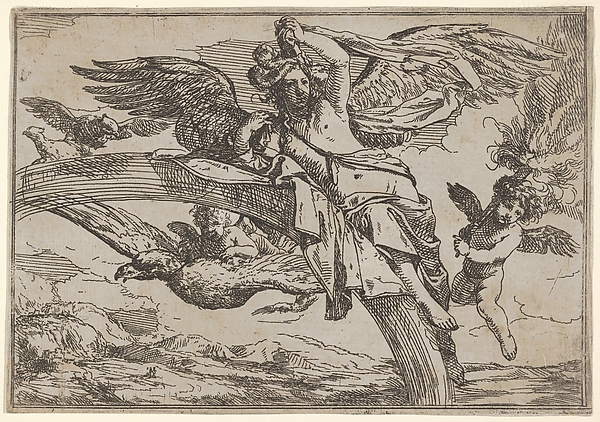 Air, represented by Iris reclining on her rainbow, accompani
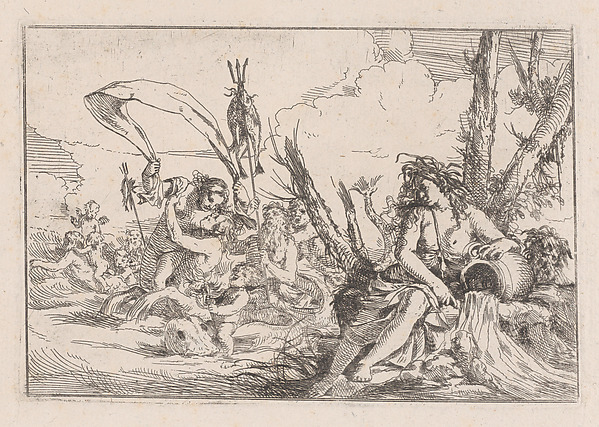 Water, represented by a naiad seated at the base of a tree a
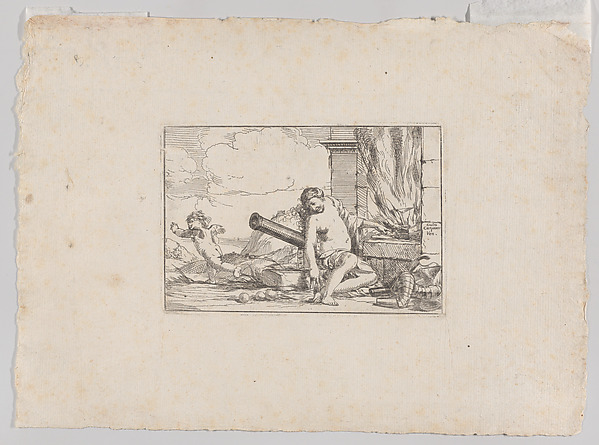 Fire, represented by Venus seated before Vulcan's forge, wit
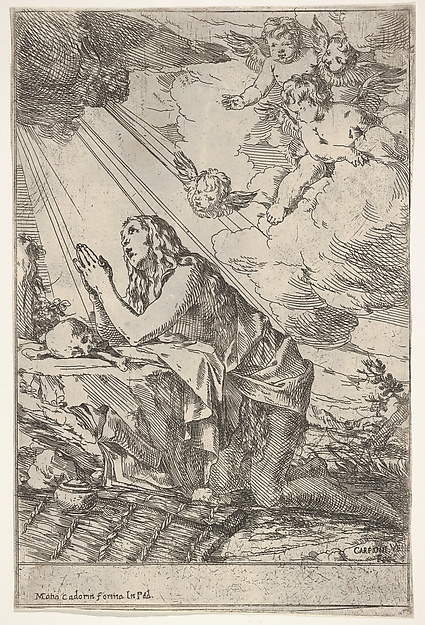 Penitent Magdalen kneeling on a rocky ground before a skull
 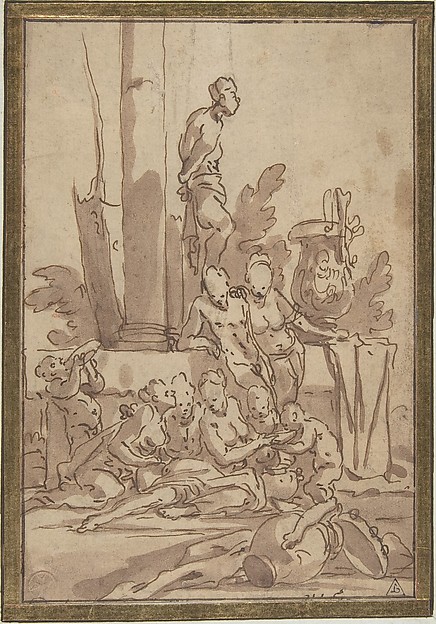 Bacchanalian Group with Children Drinking
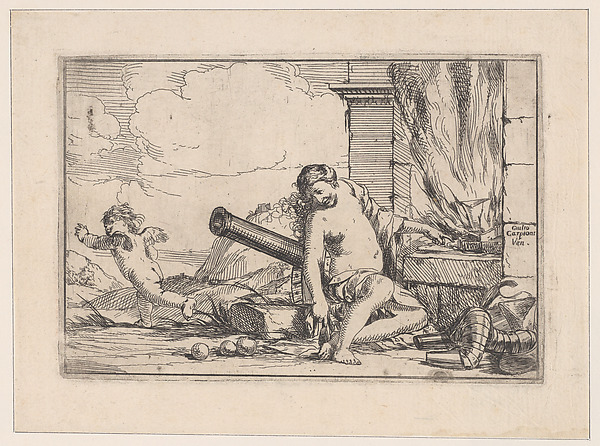 Fire, represented by Venus seated before Vulcan's forge, wit
More like this
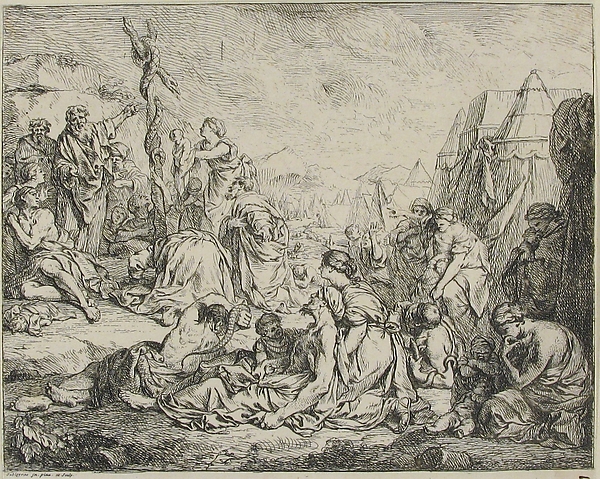 Pierre Hubert Subleyras — The Serpent of Airan
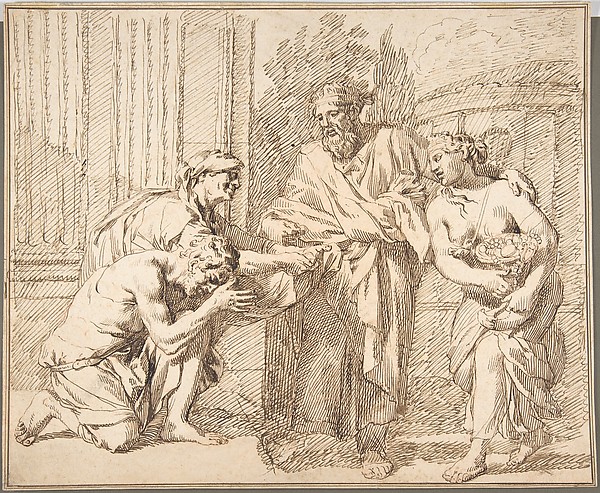 Gerard de Lairesse|Anonymous, Italian, 17th century|Anonymou
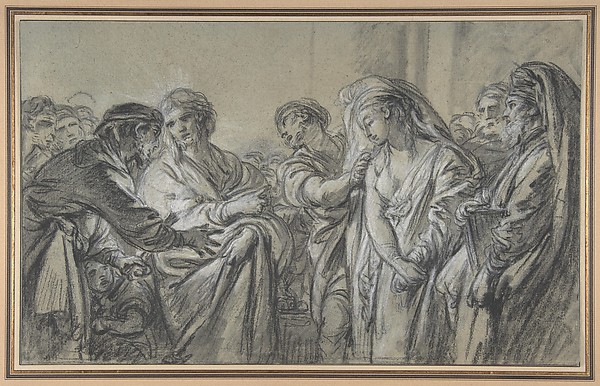 François Boucher — Christ and the Woman Taken in Adultery
 Dirck van der Lisse — Nymphs Bathing
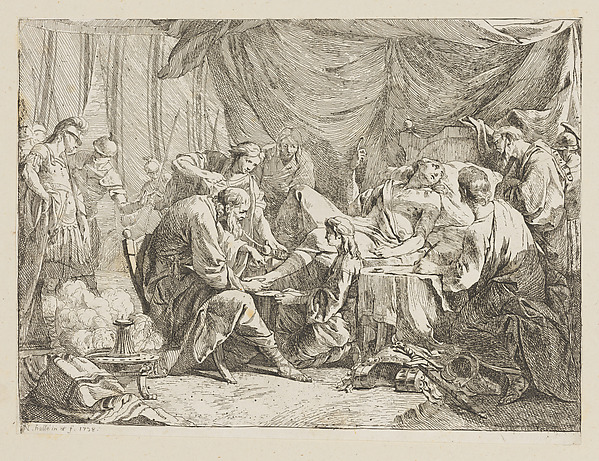 Noël Hallé — Death of Antiochus After His Fall
 Johann Georg Platzer — Nymphs and Satyrs Drinking
 Rembrandt van Rijn — Peter and John Healing the Cripple at t
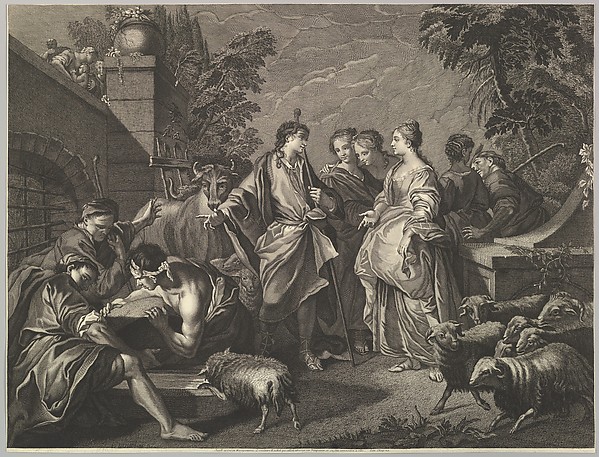 Anonymous|François Boucher — Jacob arrives in Mesopotamia
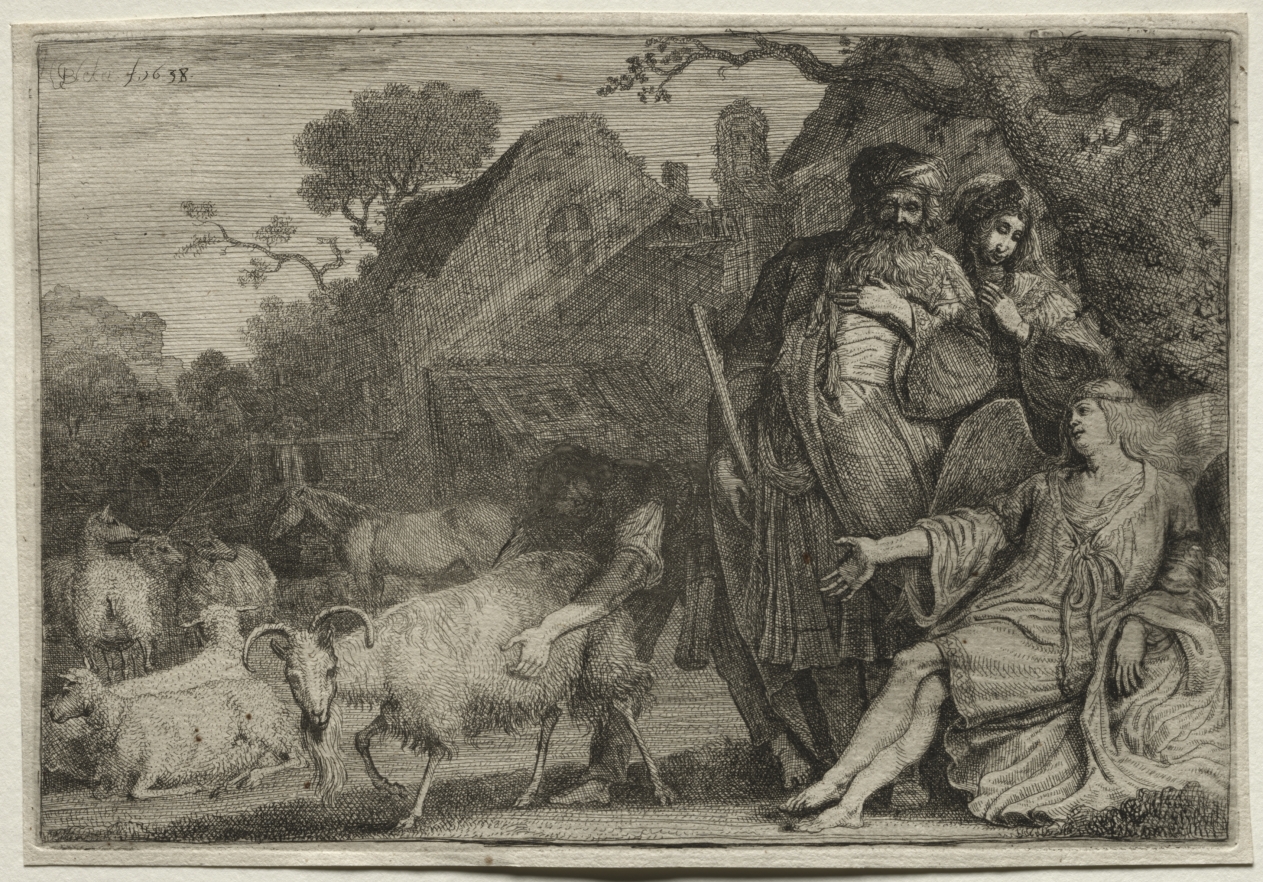 Gerrit Claesz. Bleker (Dutch, 1656) — An Angel Foretells the
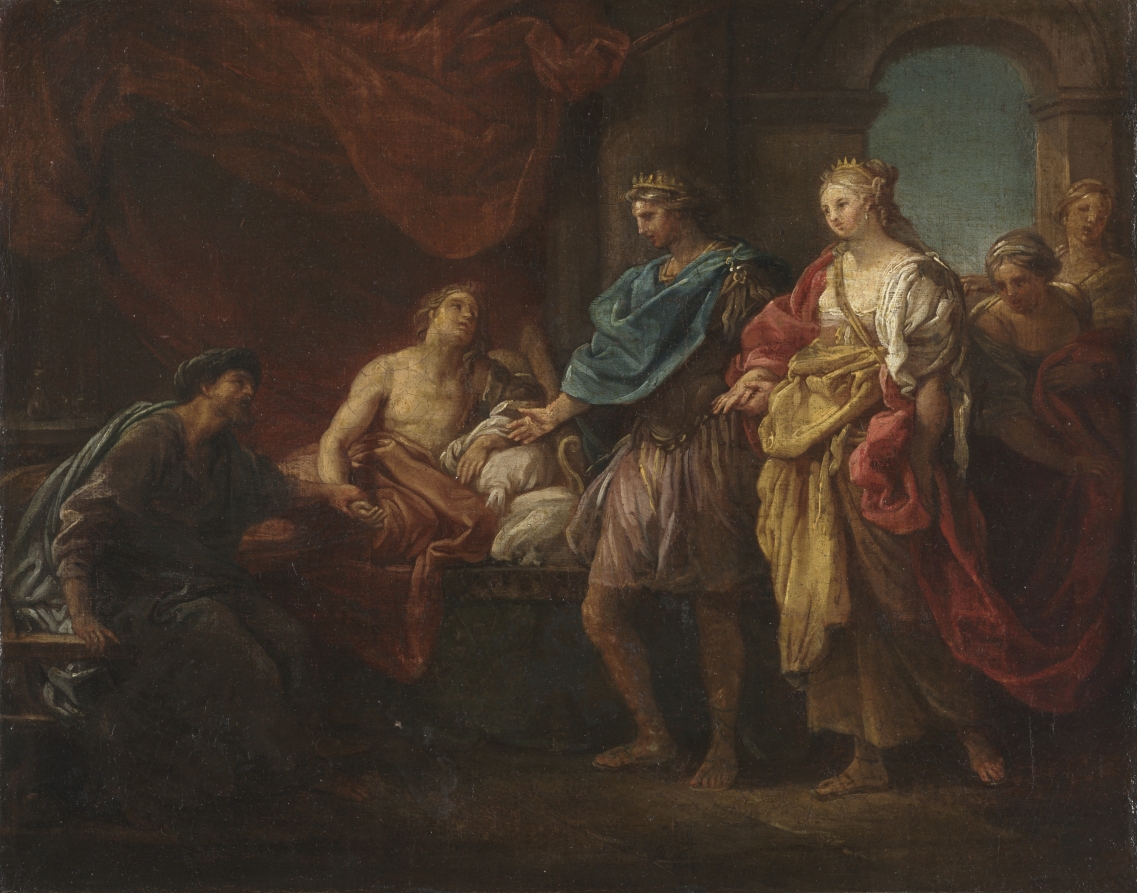 Pompeo Batoni (Italian, 1708–1787) — Study for "Antiochus an
 Rembrandt van Rijn — Peter and John Healing the Cripple at t
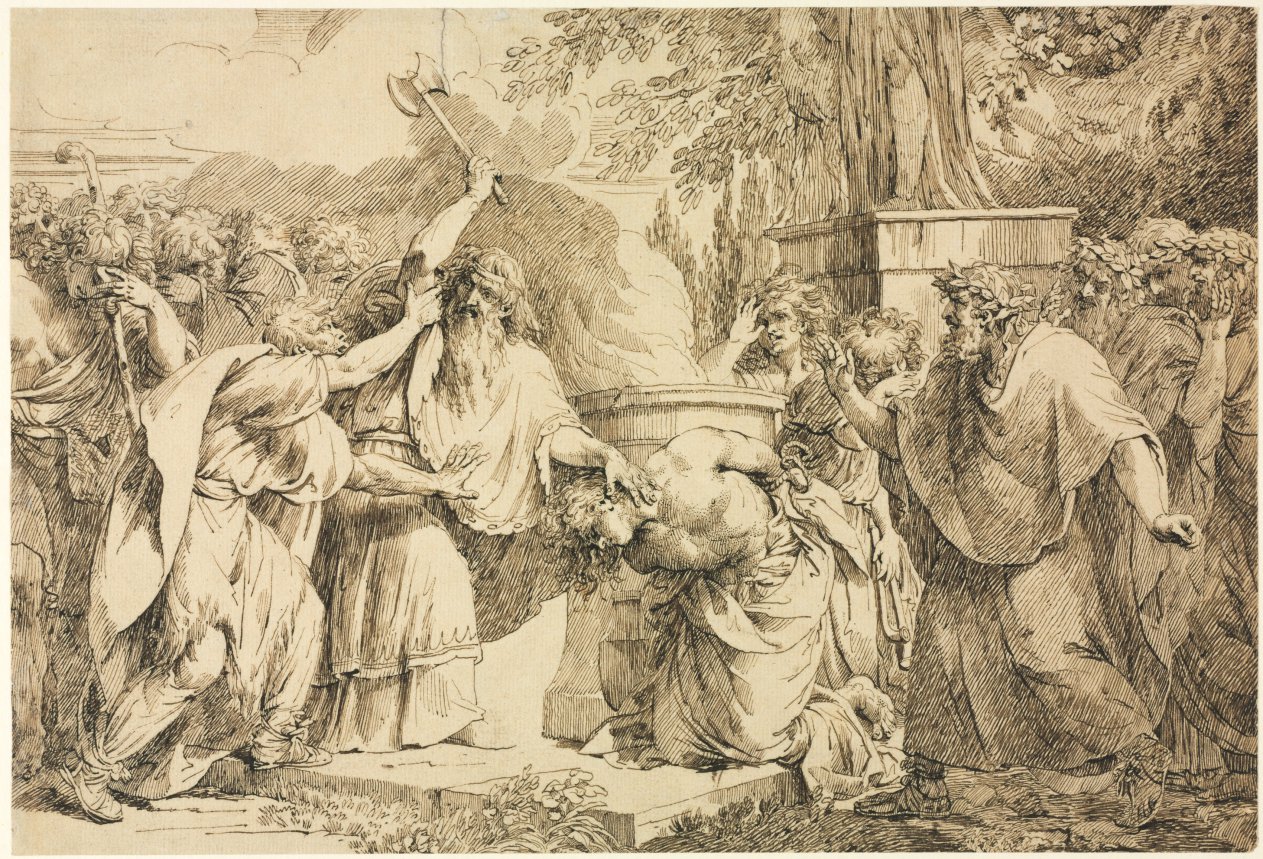 John Hamilton Mortimer (British, 1740–1779) — A Sacrifice In