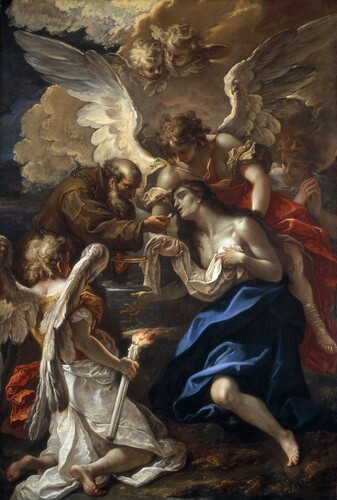
In the collection of Cleveland Museum of Art, Cleveland — check current display status with the museum.
FROM THE CLEVELAND MUSEUM OF ART’S CATALOG
The subject originates in the Gospel of John 7:53-8:11, where Pharisees bring a woman accused of adultery to Christ, attempting to trick him into disobeying the Old Testament precept that she be stoned. In response, Christ interrupted his writing on the ground, stating: "Let anyone among you who is without sin be the first to throw a stone at her." The Pharisees, unable to retort, gradually disperse, and Christ eventually sends the woman away with an admonition not to sin again. The subject was popular in 18th-century Venice, partly because magnanimity was an important value, celebrated in visual, musical, and literary culture. The showy, exotic subject and the public presentation of an openly sexualized woman also enjoyed popularity in 18th-century Venetian painting. This work is a copy of the picture at the Minneapolis Institute of Arts, perhaps by a student (and certainly not by Ricci himself)
Be the first to share your thoughts.
Sign in to join the discussion.
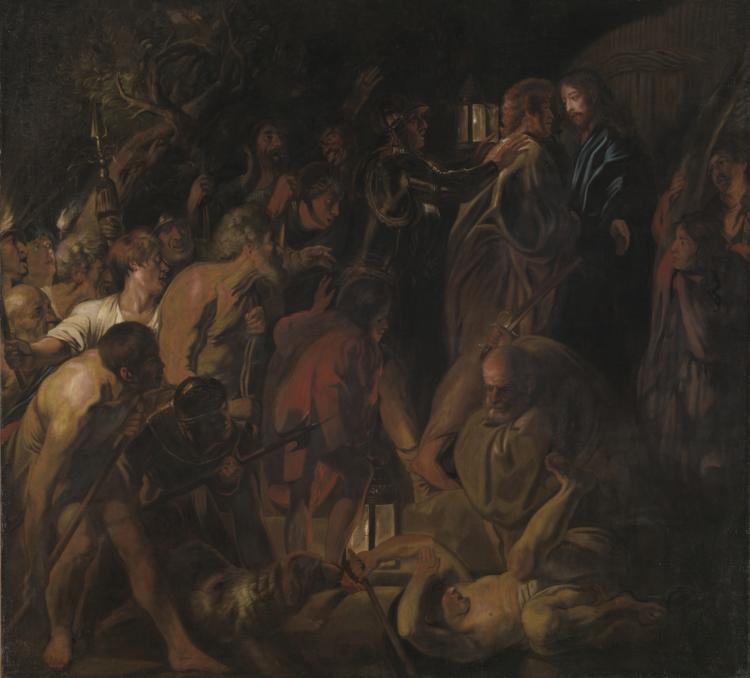 Jacob Jordaens (Flemish, 1593–1678) — The Betrayal of Christ
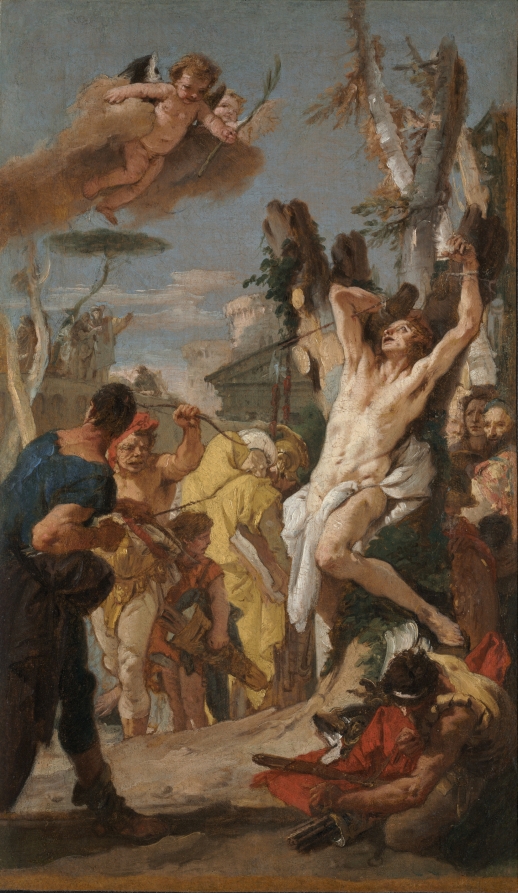 Giovanni Battista Tiepolo (Italian, 1696–1770) — Study for "
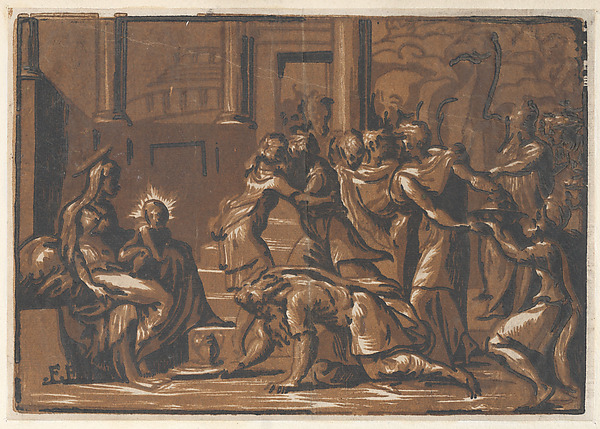 Niccolò Vicentino|Parmigianino (Girolamo Francesco Maria Maz
 Christ with the Adulterous Woman
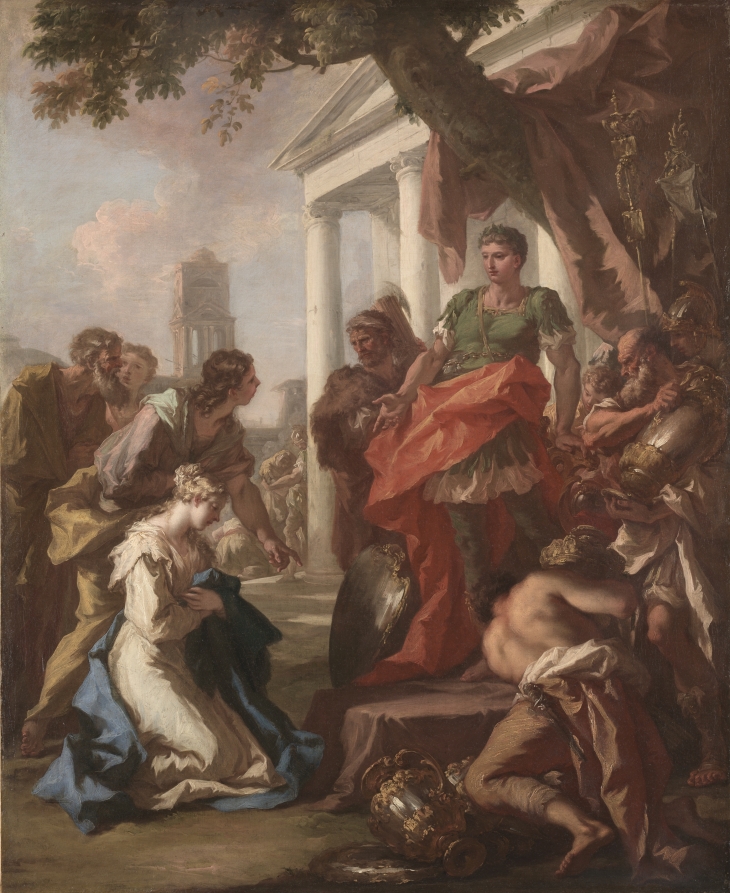 Giovanni Antonio Pellegrini (Italian, 1675–1741) — The Conti
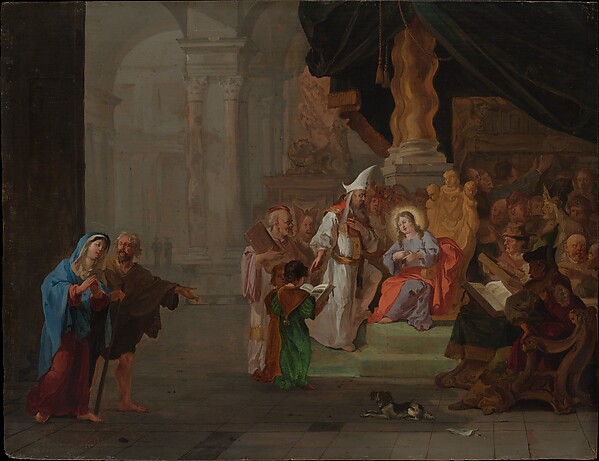 Abraham Hondius — Christ among the Doctors
 Alessandro Magnasco — The Raising of Lazarus
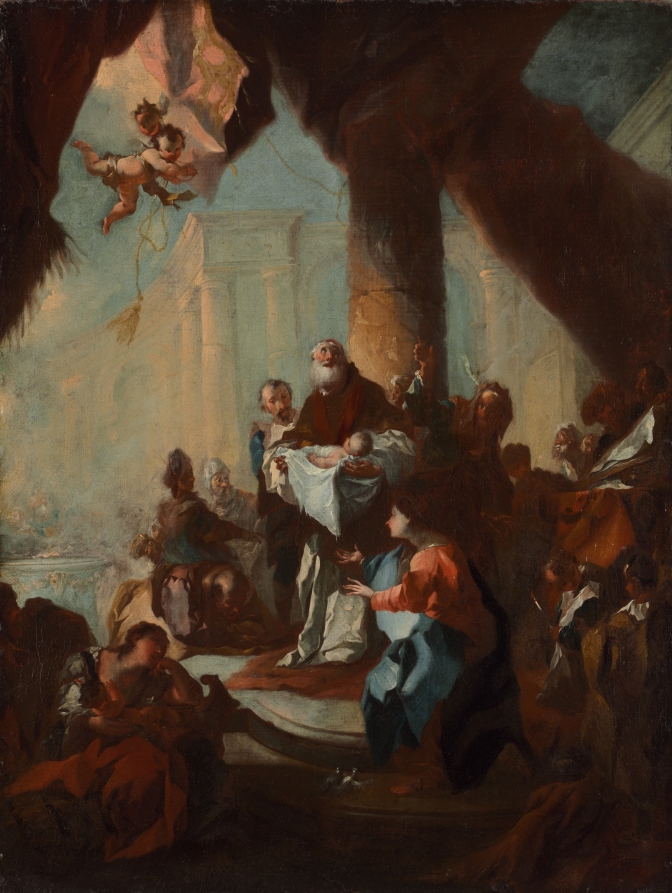 Franz Anton Maulbertsch (Austrian, 1724–1796) — Study for "T
 Giovanni Domenico Tiepolo — Christ and the Woman Taken in Ad
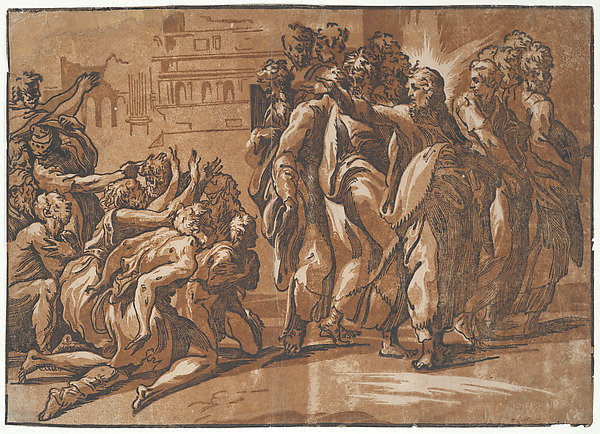 Niccolò Vicentino|Parmigianino (Girolamo Francesco Maria Maz
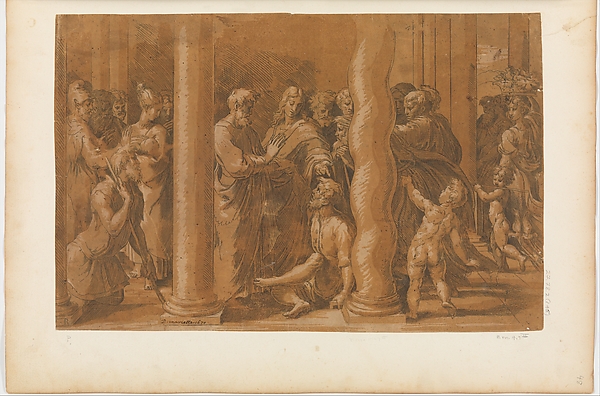 Parmigianino (Girolamo Francesco Maria Mazzola) — St. Peter
 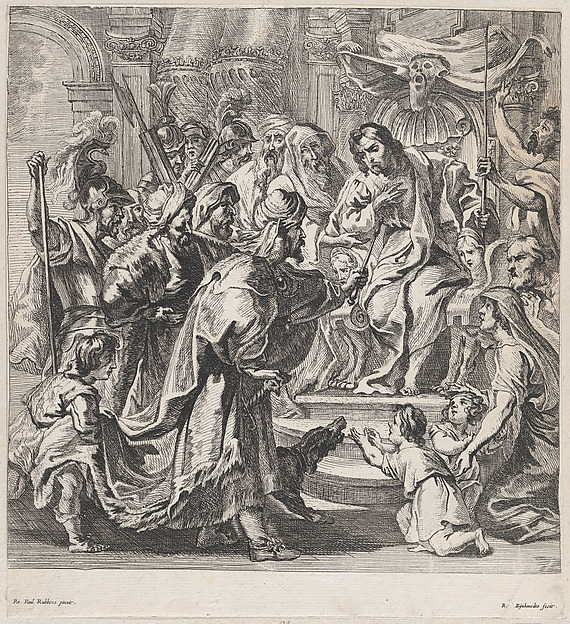 Rombout Eynhoudts|Peter Paul Rubens — Cambyses punishing the