Artemisia
SEE IT IN PERSON
Not currently on view
In the collection of Art Institute of Chicago, Chicago · as of July 2026
Discussion
FROM THE ART INSTITUTE OF CHICAGO’S CATALOG
Queen Artemisia II of ancient Caria (died 350 B.C.) was renowned throughout history as a devoted spouse. In Georg Pencz’s engraving, she drinks the ashes of her husband, Mausolus, which she has mixed with wine, in order to turn her body into his living tomb. Artemisia ruled in her husband’s stead for two years, during which time she built a magnificent building at Halicarnassus (now Bodrum, Turkey) to house their combined remains. Although the structure, which was one of the Seven Wonders of the Ancient World, has been lost, the word mausoleum still reflects the grandeur of Artemisia’s monument to Mausolus.
Be the first to share your thoughts.
Sign in to join the discussion.
More by Georg Pencz
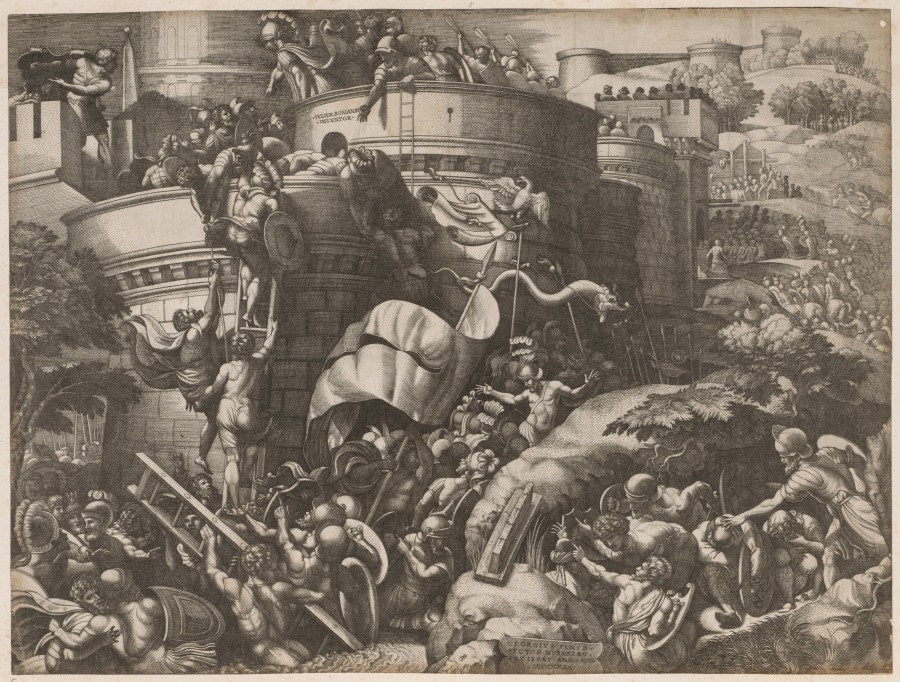 The Seige of Carthage
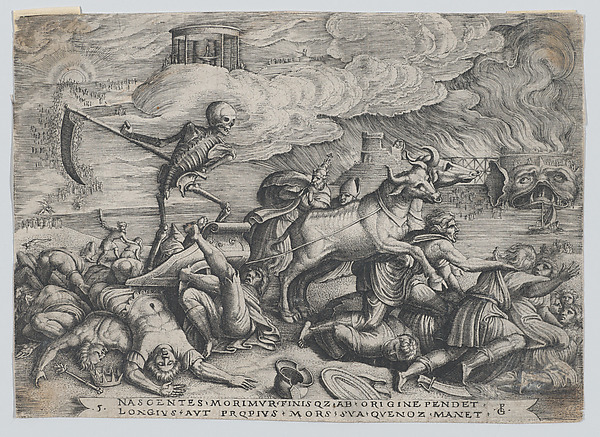 The Triumph of Death on Time, from The Triumph of Petrarch
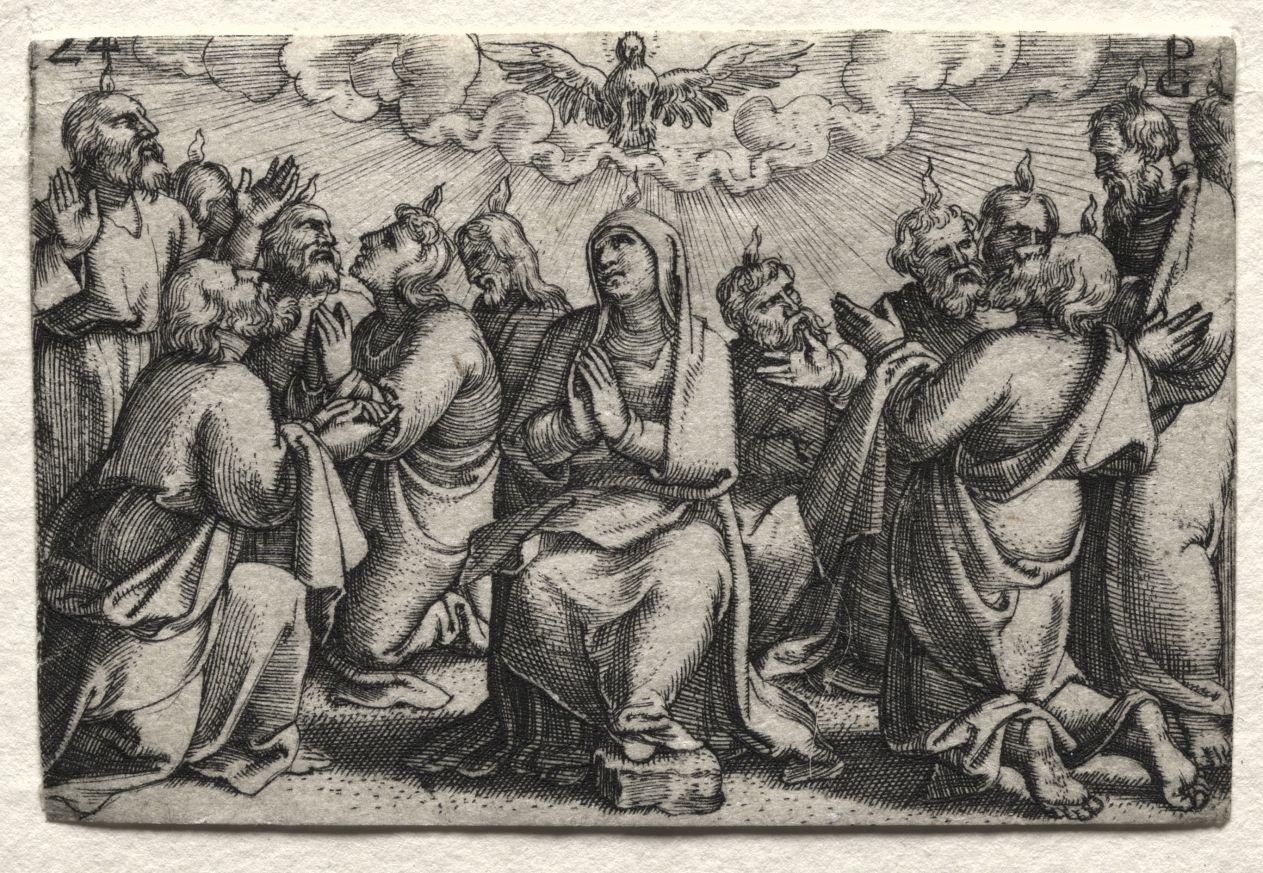 The Life of Jesus Christ: The Descent of the Holy Ghost
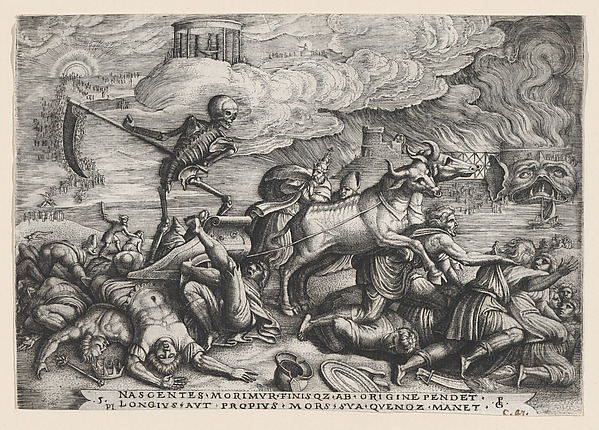 The Triumph of Death on Time, from The Triumph of Petrarch
 The Triumph of Death, plate five from The Triumphs of Petrar
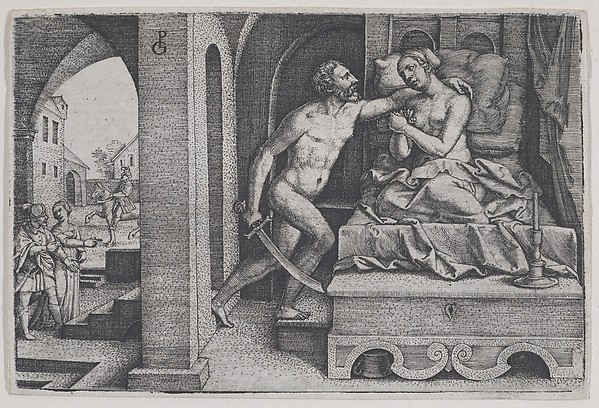 Tarquinius Rapes Lucretia, from Scenes from Roman History
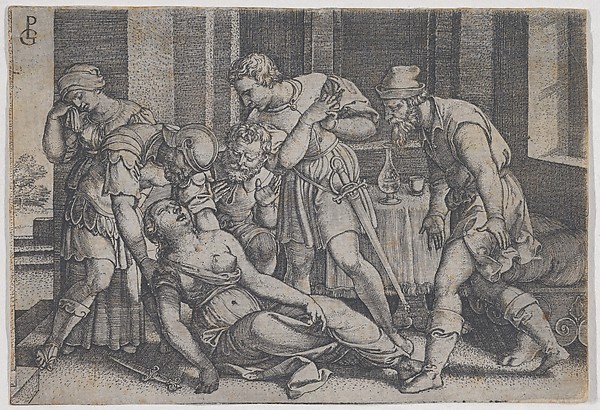 Suicide of Lucretia, from "Scenes from Roman History"
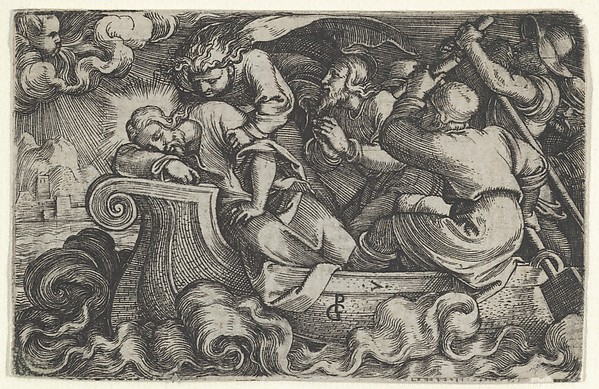 Christ Sleeping During the Storm on Lake Tiberias, from The
 More like this
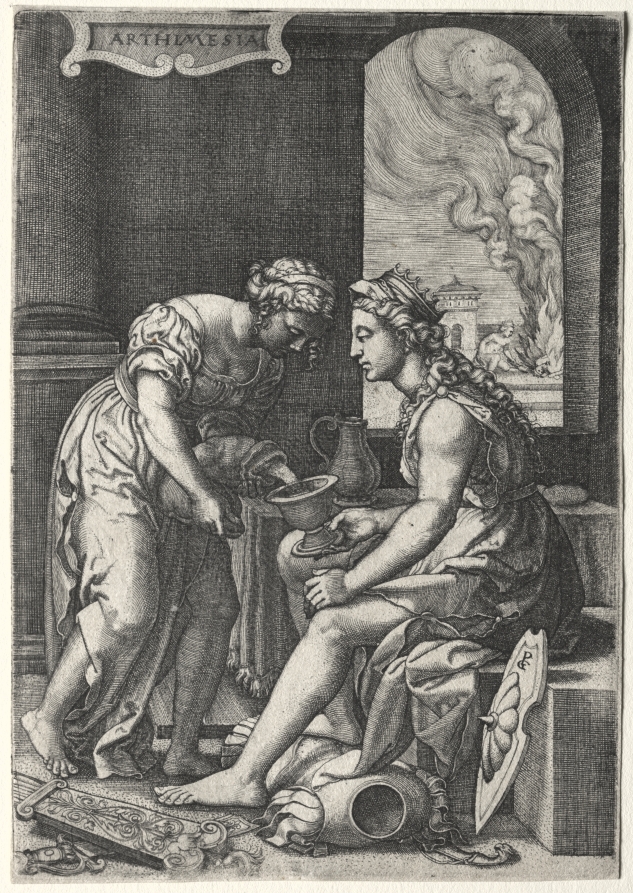 Georg Pencz (German, c. 1500–1550) — Artemisia
 Lucas van Leyden — Lot and his Daughters
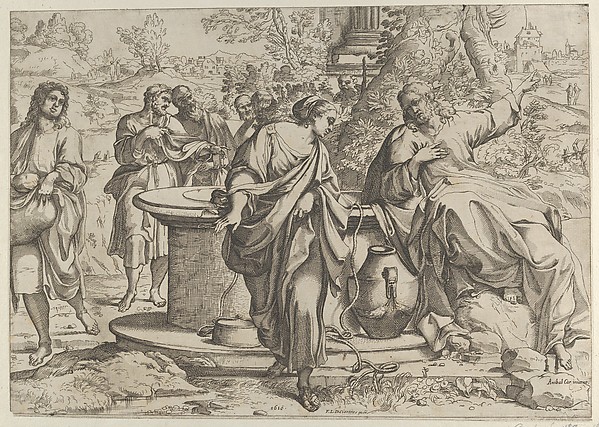 Annibale Carracci|François Langlois|Anonymous|Francesco Briz
 Master of the Die — Ceres Refusing Any Assistance to Psyche
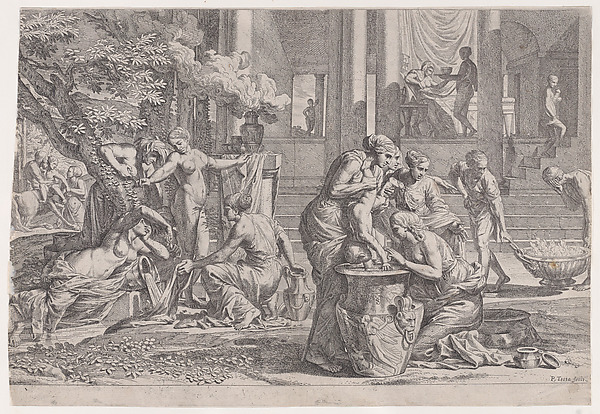 Pietro Testa — The birth and the infancy of Achilles
 Master of the Die — Proserpina Gives Psyche the Box of Beaut
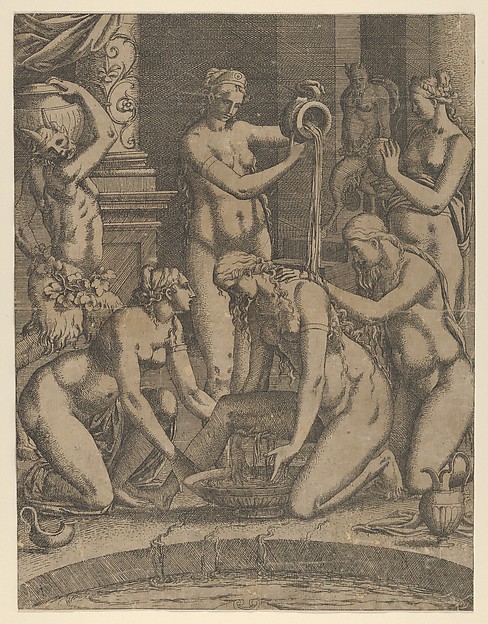 Jean Mignon|Luca Penni — Venus Bathing Attended by Nymphs
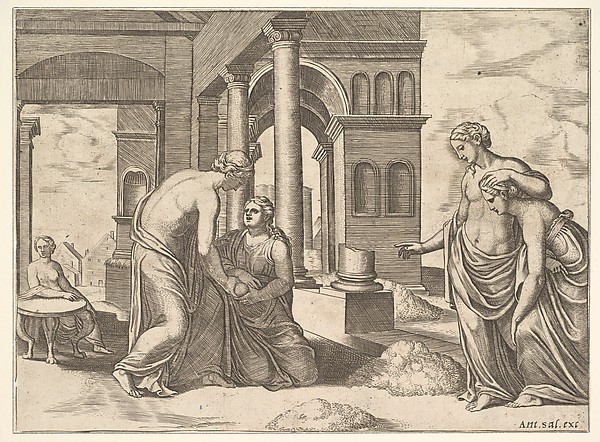 Master of the Die|Antonio Salamanca — Plate 22: Venus orderi
 Lucas van Leyden — Lot and His Daughters
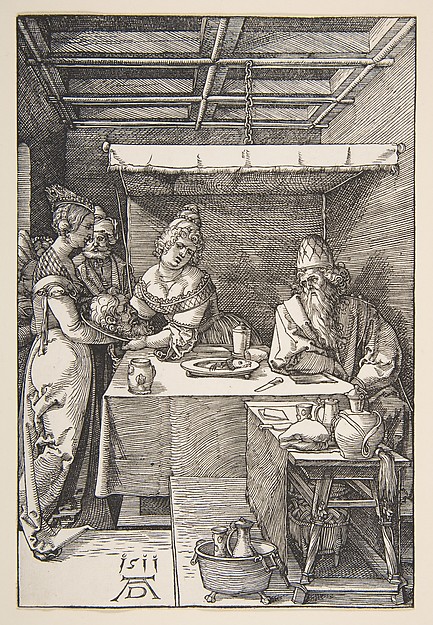 Albrecht Dürer — The Head of Saint John the Baptist Brought
 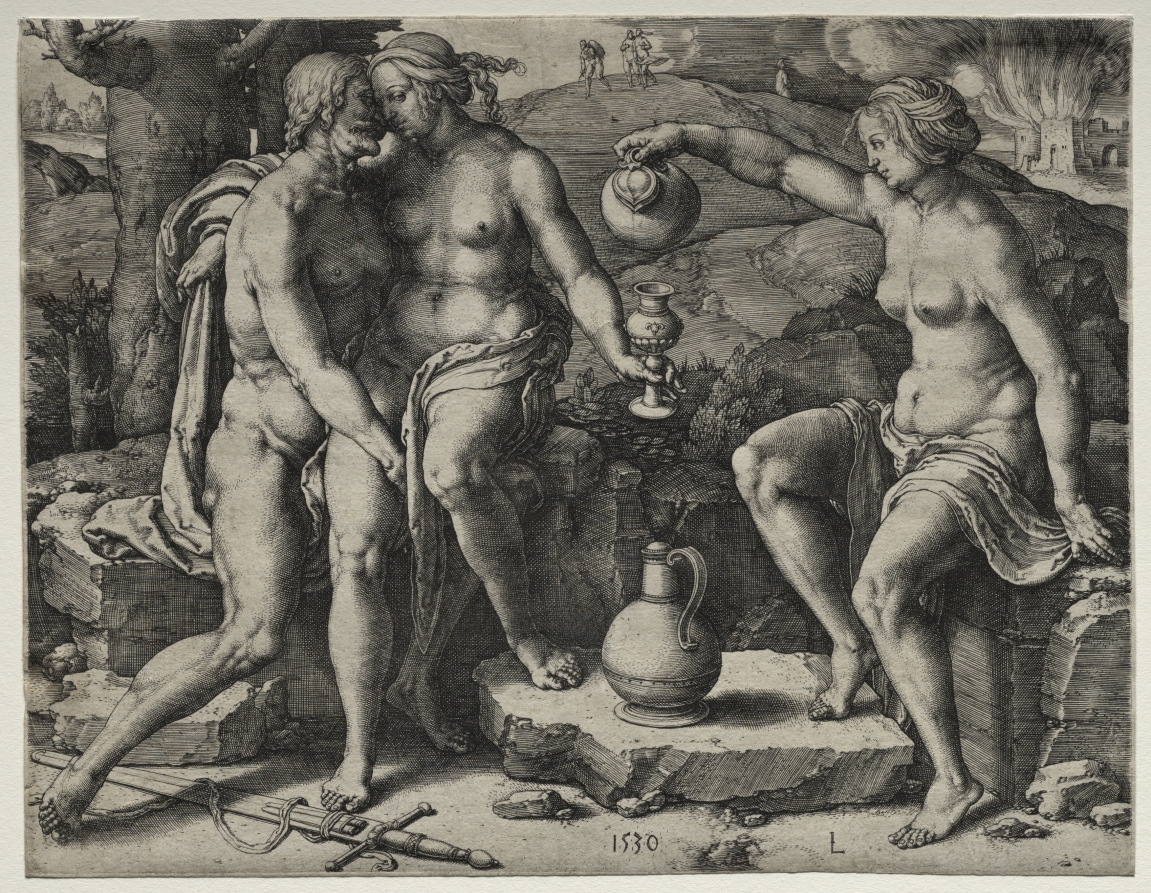 Lucas van Leyden (Netherlandish, 1494–about 1533) — Lot and
 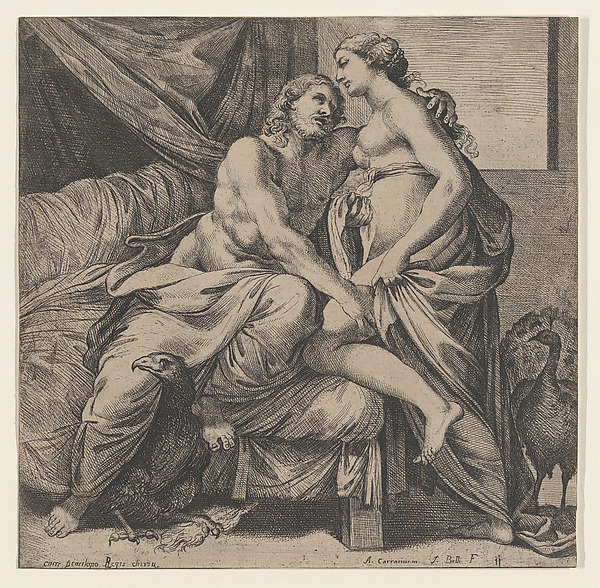 Agostino Carracci|Annibale Carracci|Jacques Belly — Jupiter