In the collection of Cleveland Museum of Art, Cleveland — check current display status with the museum.
FROM THE CLEVELAND MUSEUM OF ART’S CATALOG
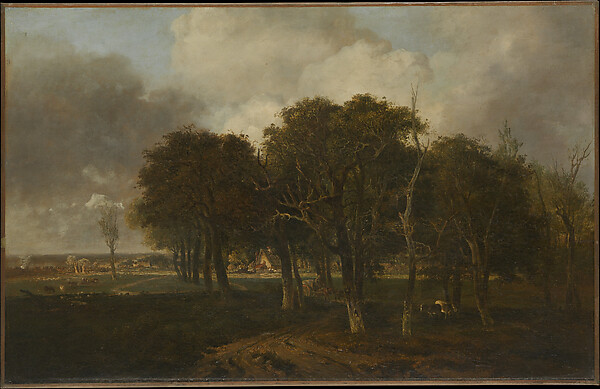
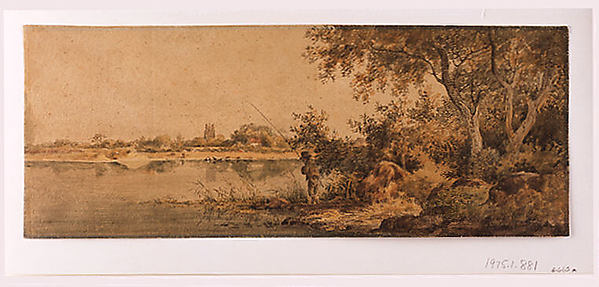
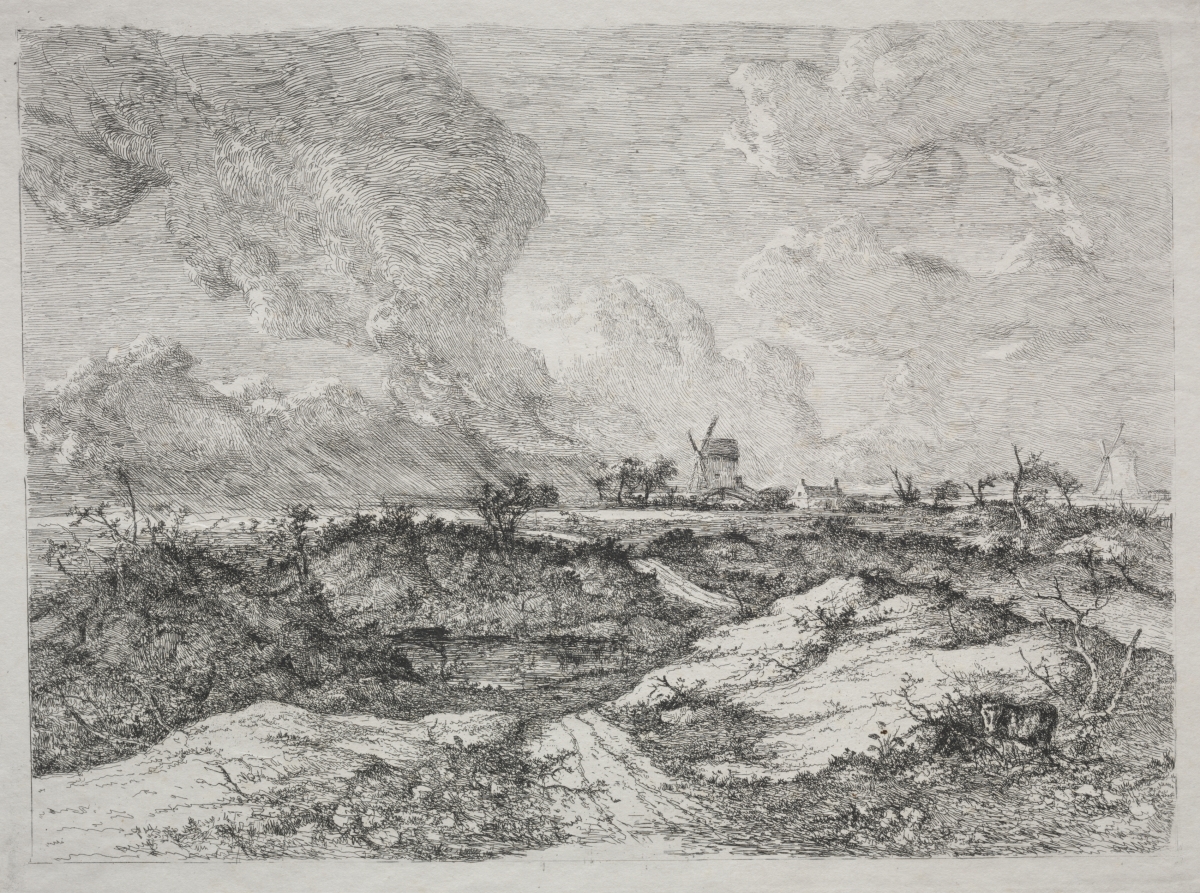
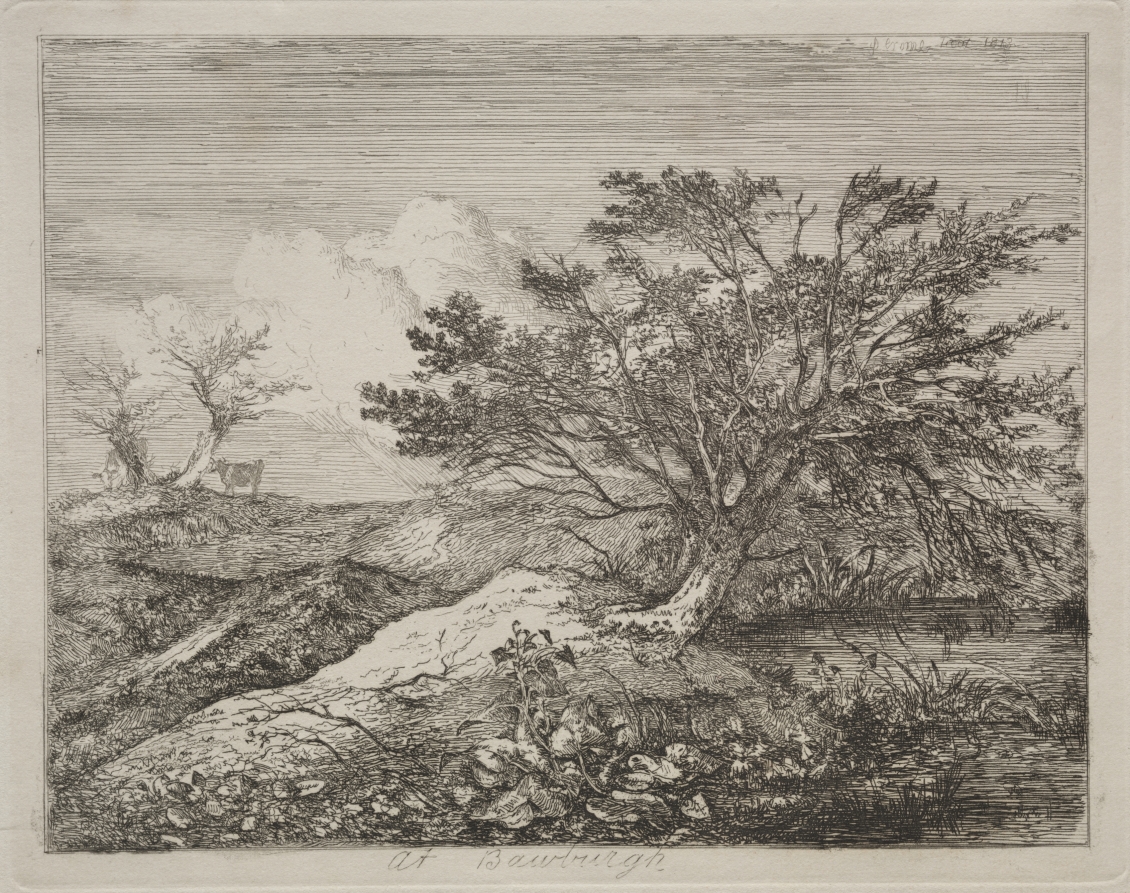
Crome's work epitomizes the essence of British landscape art at the beginning of the 19th century, the moment of its greatest flowering. Rooted in an almost mystical commmunion with nature, the artist's purpose was to express the true naturalism of landscape, a realism of light, air, and weather not seen before. He became interested in etching because he understood its potential for spontaneity, yet he feared his etchings would not be admired because they were, by conventional standards, unfinished and sketchy. In fact, it is precisely the freedom of line, lack of rigidity, and open silvery quality of light that makes them so special and individual. Rather than using prints to just copy his paintings, Crome approached etching as a creative medium with which to capture the special beauty of his native Norwich countryside. It is in early impressions like this one, printed by Crome in small numbers, and now extremely rare, that the delicacy of his technique can be appreciated.
Be the first to share your thoughts.
Sign in to join the discussion.
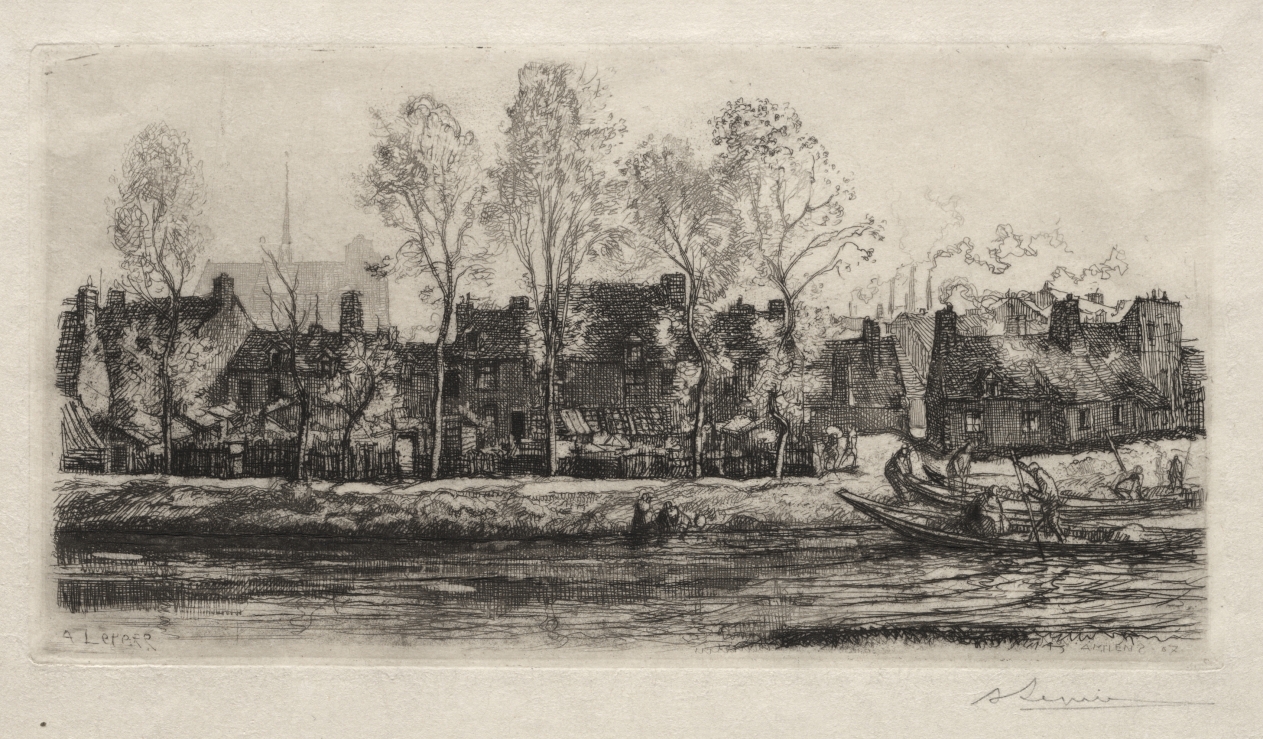 Auguste Louis Lepère (French, 1849–1918) — Amiens, the Banks
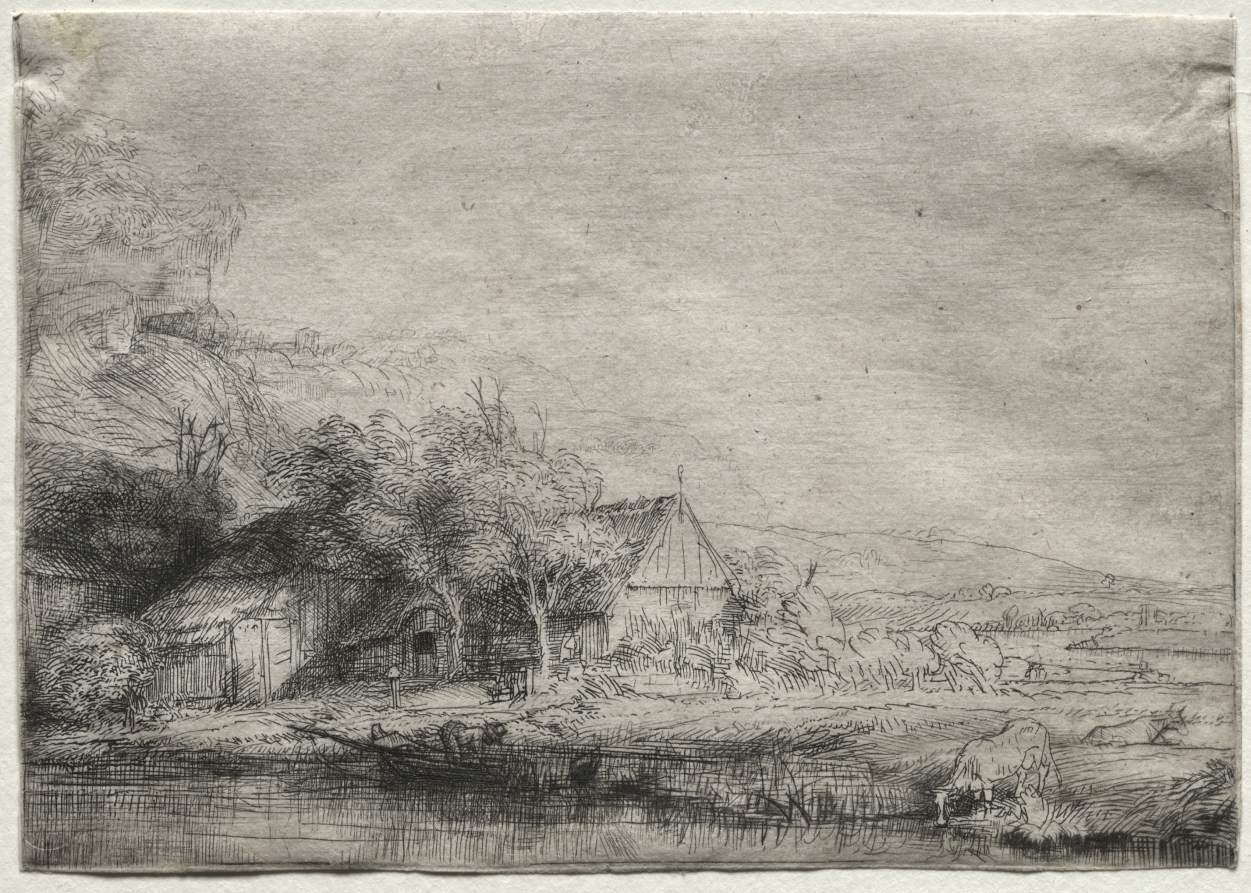 Rembrandt van Rijn (Dutch, 1606–1669) — Landscape with a Cow
 Rembrandt (Rembrandt van Rijn)|Claude Henri Watelet — Landsc
 Rembrandt (Rembrandt van Rijn) — Landscape with a Hay Barn a
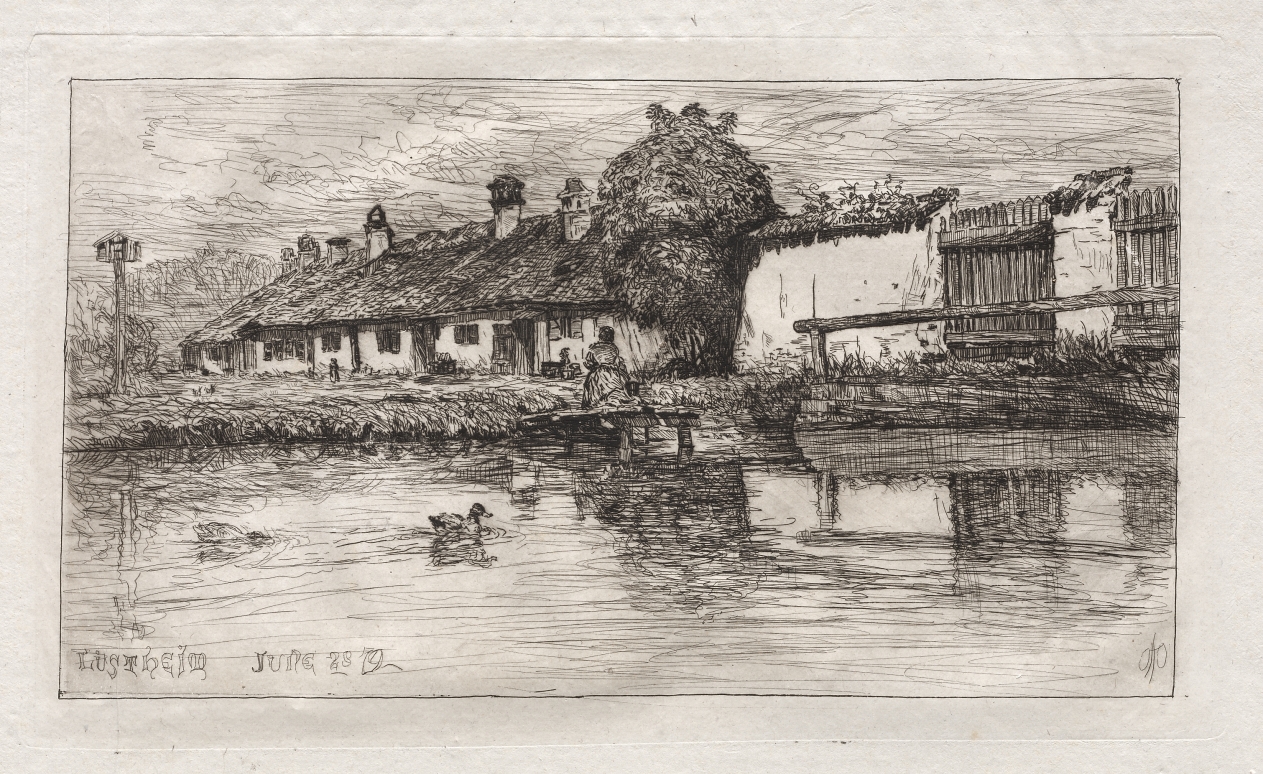 Otto H. Bacher (American, 1856–1909) — Lustheim
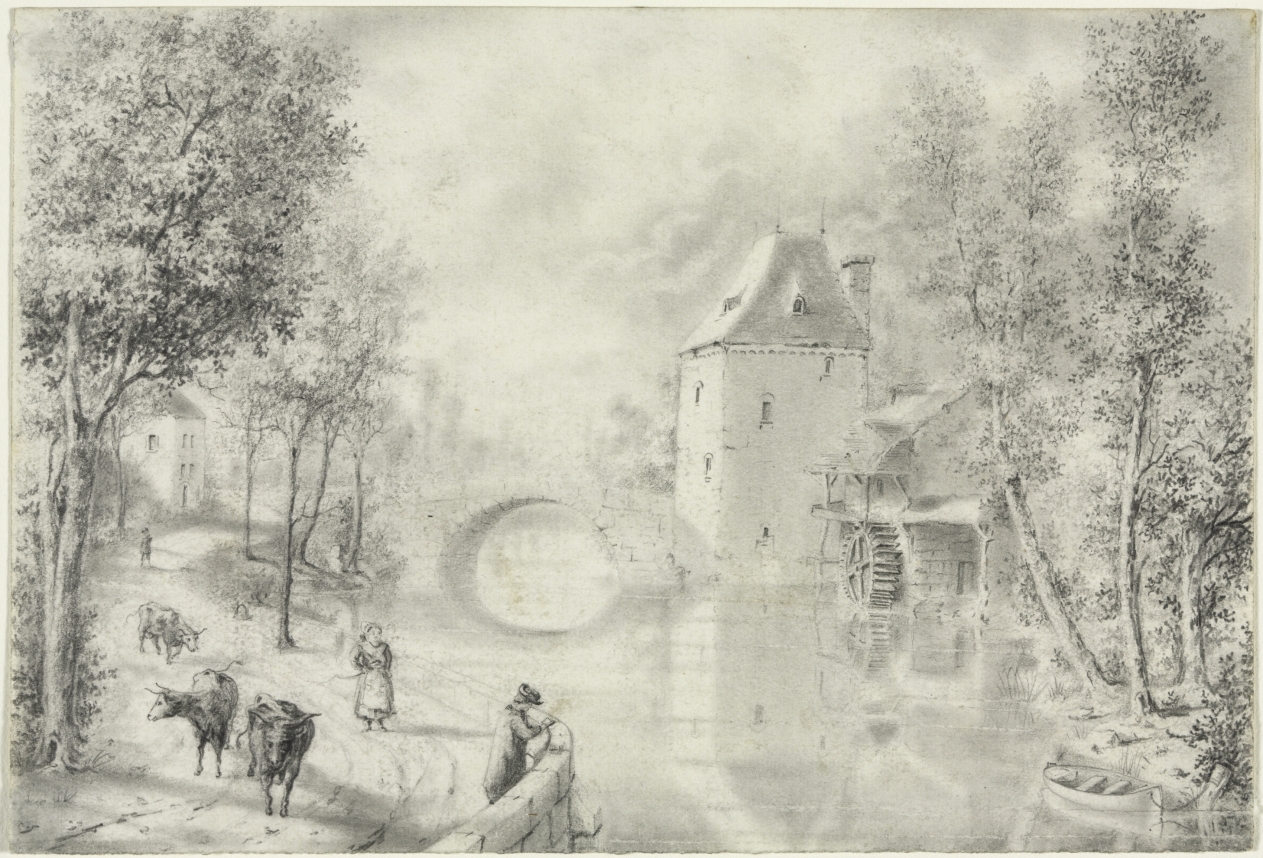 Road by the Old Bridge
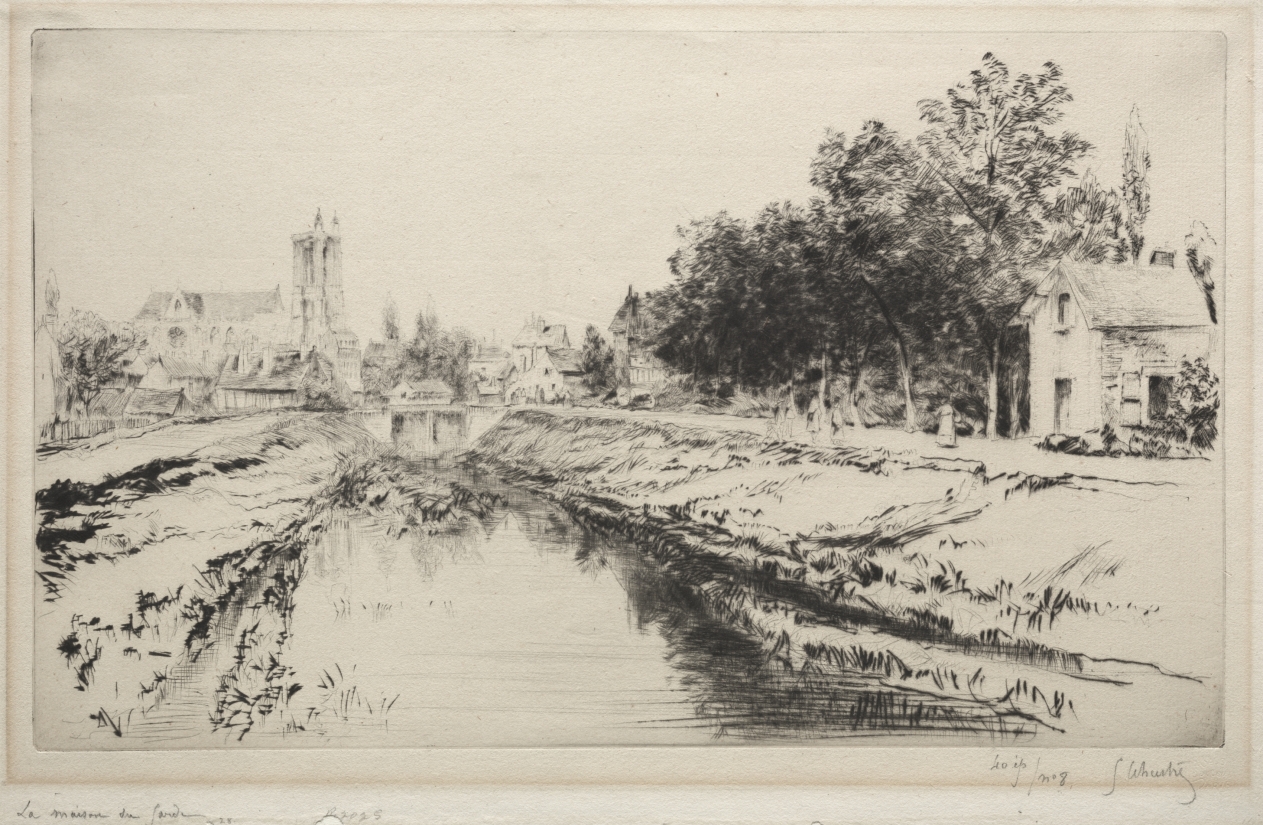 Gustave Leheutre (French, 1861–1932) — The Guardhouse, Troye
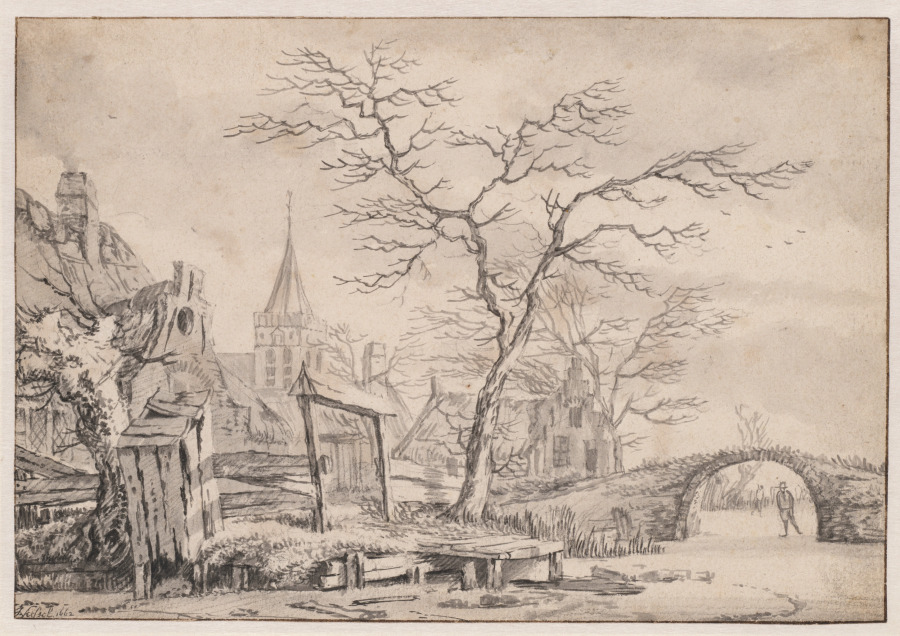 Jan van Kessel (Dutch, 1641–1680) — Winter Landscape with Sk
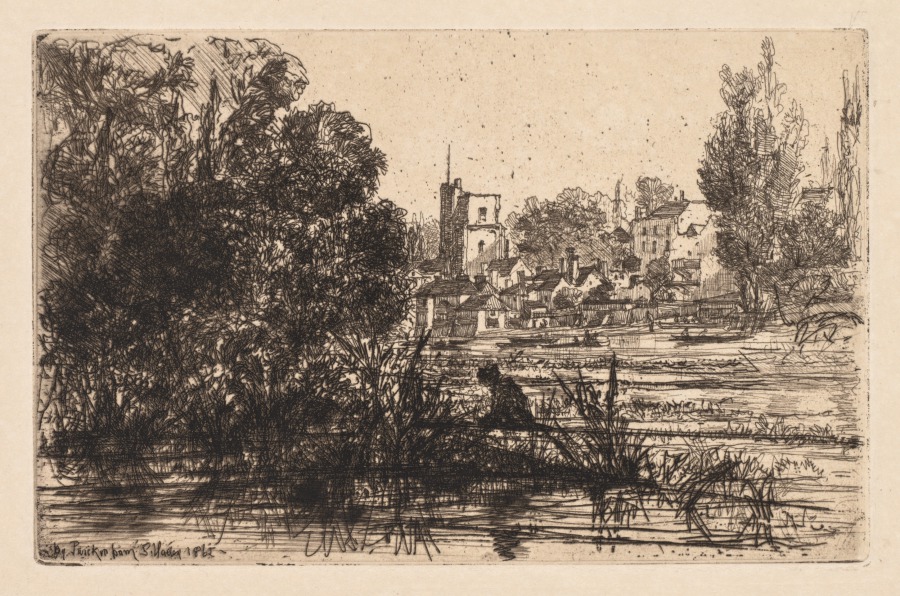 Francis Seymour Haden (British, 1818–1910) — Twickenham Chur
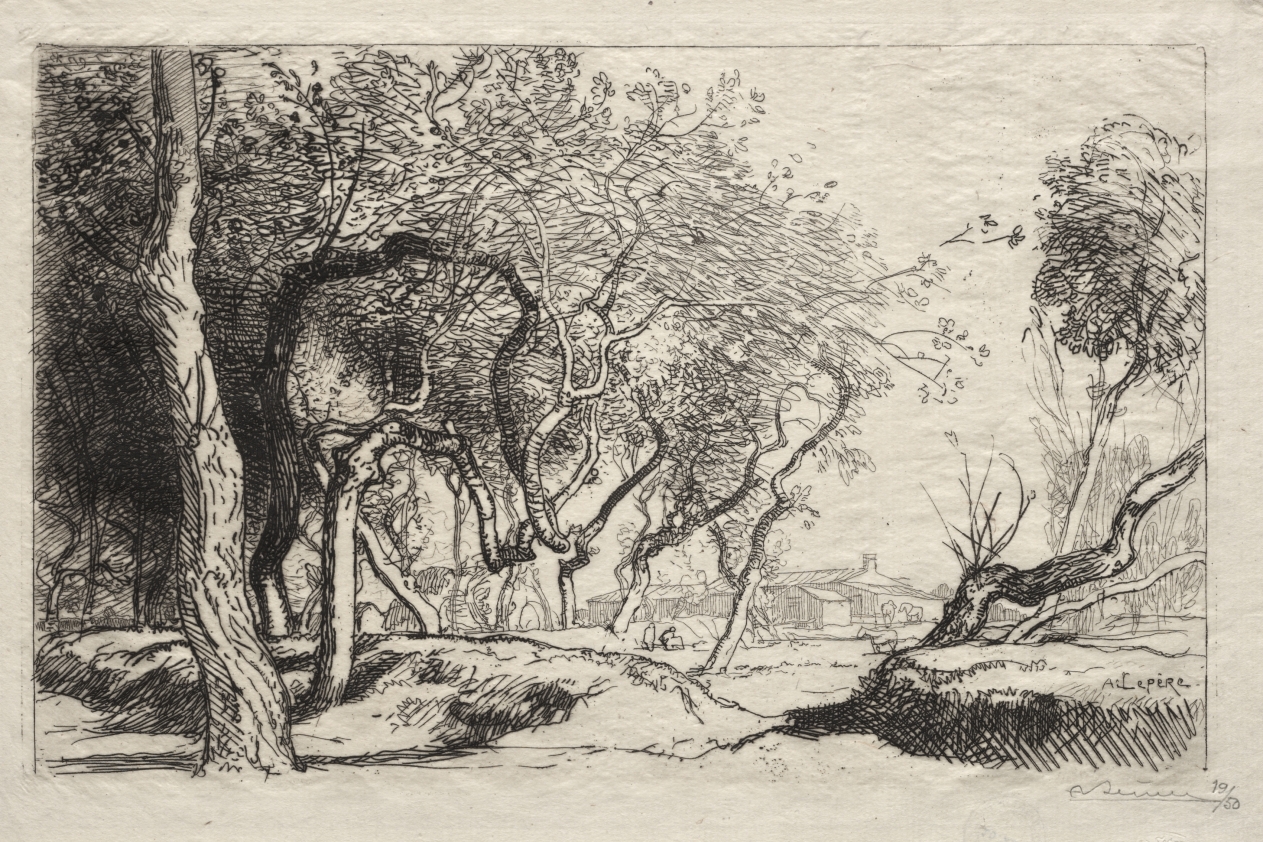 Auguste Louis Lepère (French, 1849–1918) — The Twisted Tree
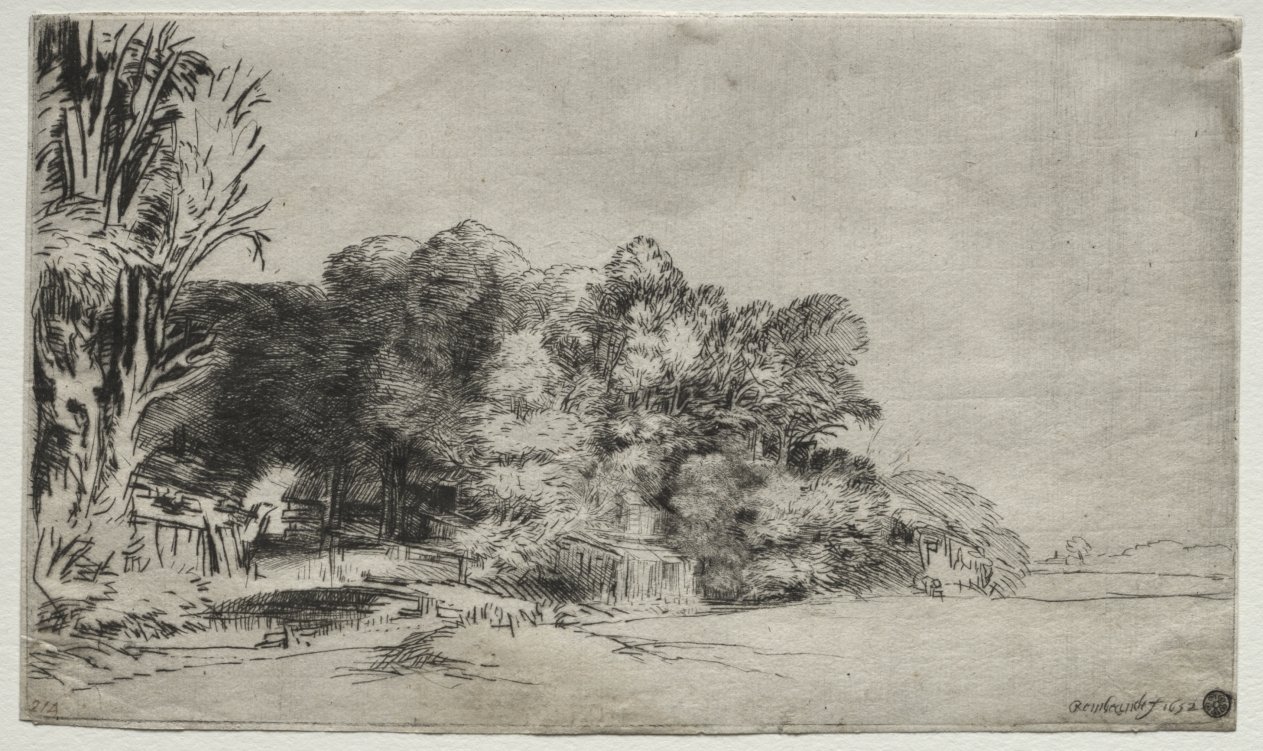 Rembrandt van Rijn (Dutch, 1606–1669) — Clump of Trees with
  Rembrandt (Rembrandt van Rijn) — The Omval