The Tomb of Itimad-ud-Daulah
SEE IT IN PERSON
Not currently on view
In the collection of Art Institute of Chicago, Chicago · as of July 2026
Discussion
FROM THE ART INSTITUTE OF CHICAGO’S CATALOG
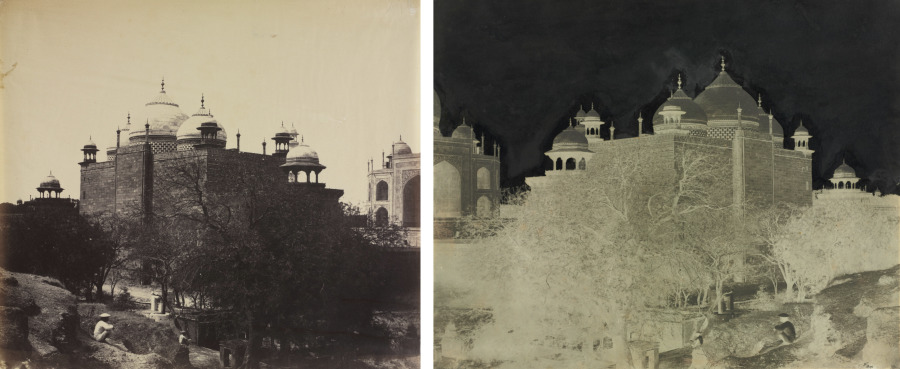
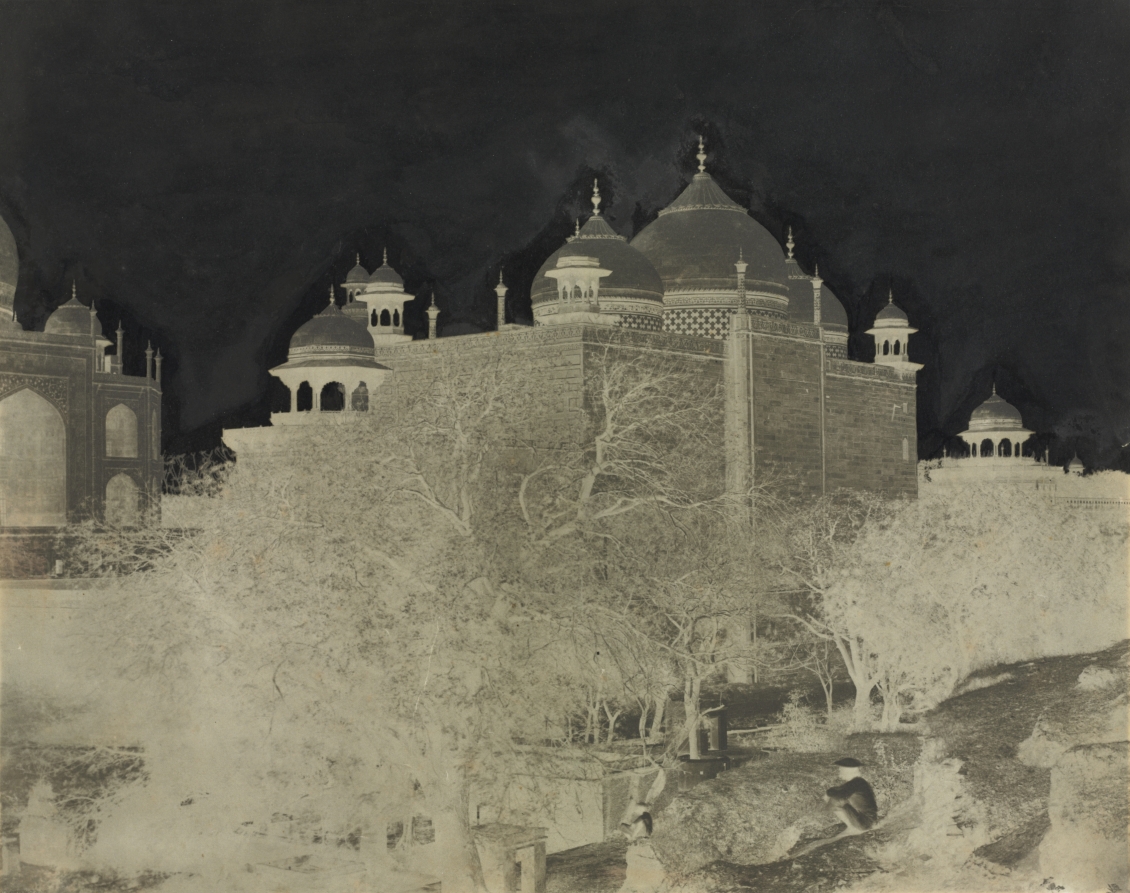
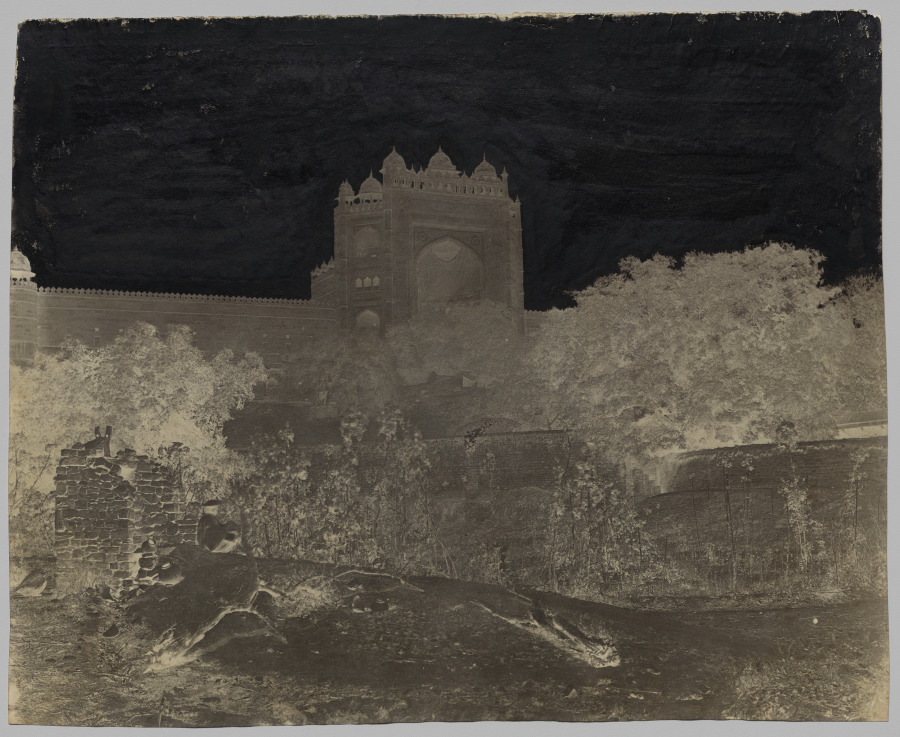
Trained as a doctor, John Murray took up photography while in the medical service of the army of the East India Company. He was stationed near the Taj Mahal, in Agra, India, where he became interested in Mughal architecture and began documenting monuments in the area; in 1857 he exhibited 30 of these views in London. Murray employed a large–format camera that accommodated the size of the waxed–paper negative seen here. With less sensitive photographic emulsions, however, exposing for the building could result in an unsightly, blotchy sky. Murray and others solved this by blacking out the negative’ s sky with India ink, resulting in a crisp white in the final print. The architecture of the site depicted here, a mausoleum built between 1622 and 1628, is often regarded as anticipating the Taj Mahal, constructed some 20 years later.
Be the first to share your thoughts.
Sign in to join the discussion.
More by Dr. John Murray

More like this
![[Itmad-Ud-Daulah's Tomb, Agra]](https://images.metmuseum.org/CRDImages/ph/web-large/DP72037.jpg) Unknown — [Itmad-Ud-Daulah's Tomb, Agra]
Unknown — [Itmad-Ud-Daulah's Tomb, Agra]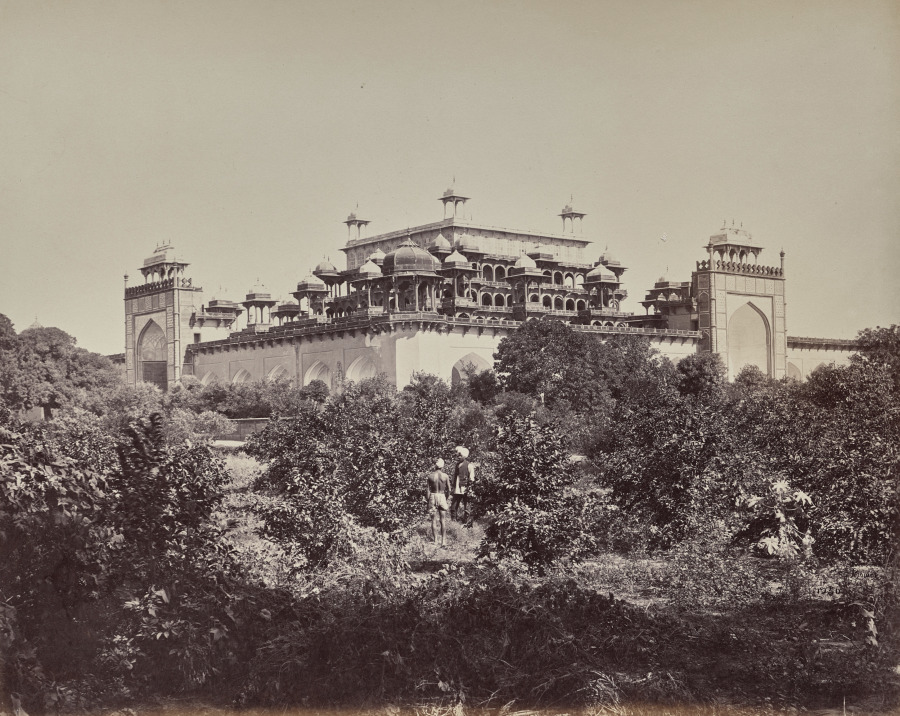 Samuel Bourne (British, 1834–1912) — Secundra Near Agra. The
![[Itmad-Ud-Daulah's Tomb, Agra]](https://images.metmuseum.org/CRDImages/ph/web-large/DP71324.jpg) Unknown — [Itmad-Ud-Daulah's Tomb, Agra]
Unknown — [Itmad-Ud-Daulah's Tomb, Agra]![[Islamic Monument]](https://images.metmuseum.org/CRDImages/ph/web-large/DP147386.jpg) Unknown — [Islamic Monument]
Unknown — [Islamic Monument]![[Akbar's Tomb and Gardens, Sikandra, India]](https://images.metmuseum.org/CRDImages/ph/web-large/DP71332.jpg) Unknown — [Akbar's Tomb and Gardens, Sikandra, India]
Unknown — [Akbar's Tomb and Gardens, Sikandra, India]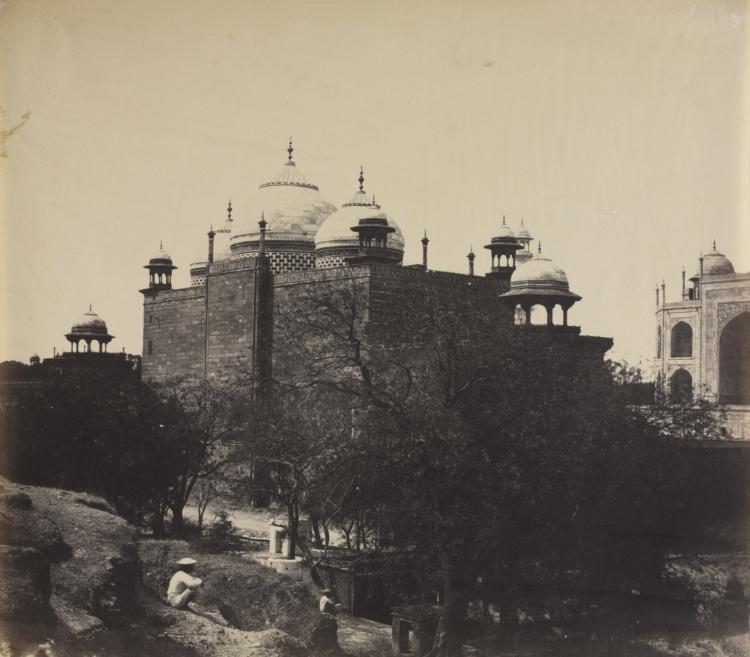 Dr. John Murray (Scottish, 1809–1898) — Taj Mahal, Back View
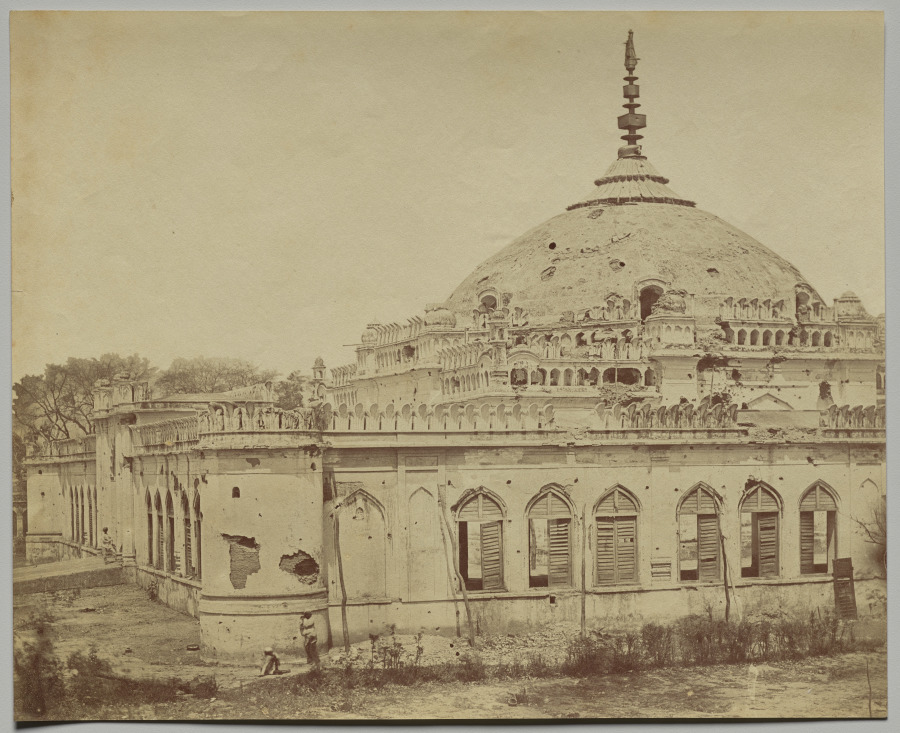 Felice A. Beato (British, 1832–1909) — Shah Najaf
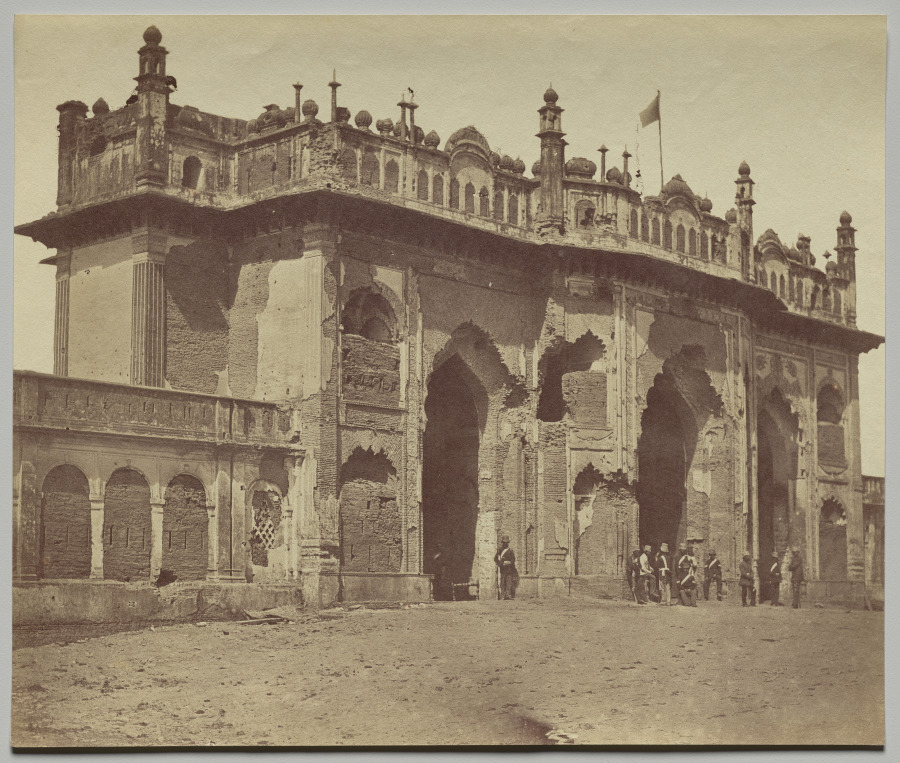 Felice A. Beato (British, 1832–1909) — Gateway of the Small
 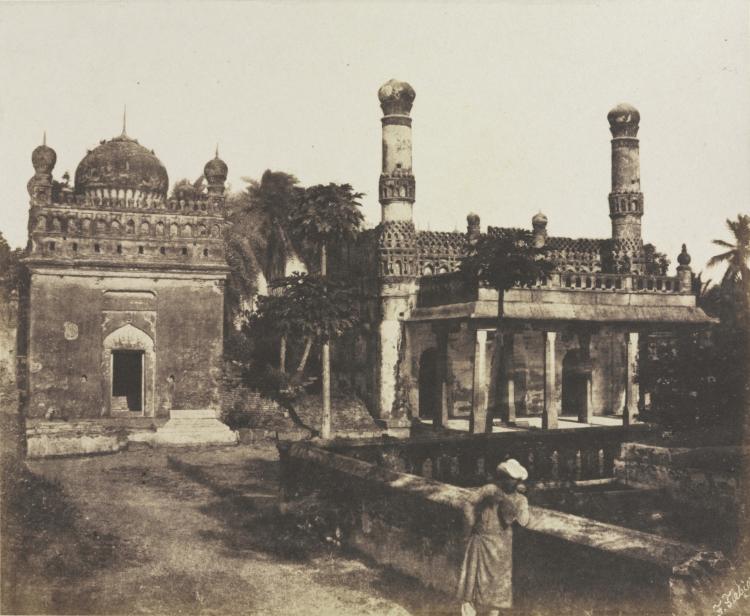 Frederick Fiebig (German) — Mosque, Madras
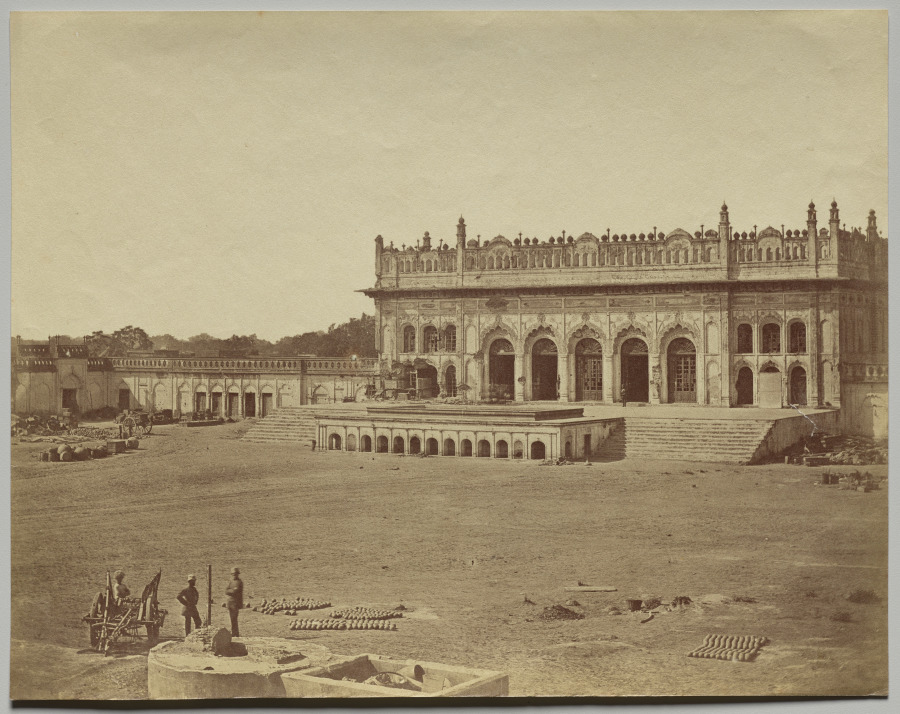 Felice A. Beato (British, 1832–1909) — The Small Imambara
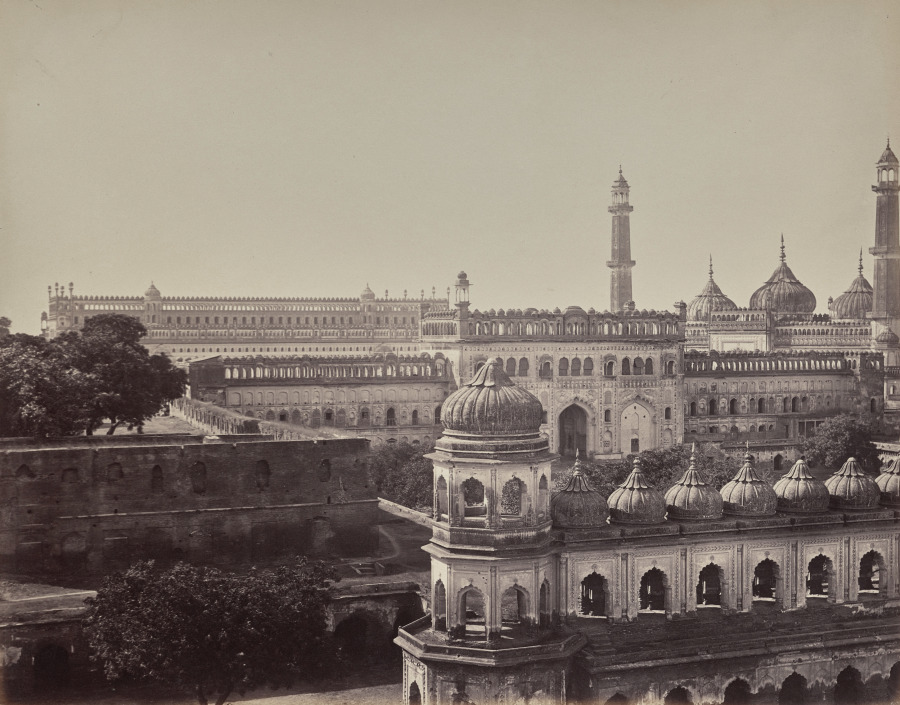 Samuel Bourne (British, 1834–1912) — Lucknow. The Great Emam
![[Albert Hall Museum, Jaipur]](https://images.metmuseum.org/CRDImages/ph/web-large/DP71320.jpg) Unknown — [Albert Hall Museum, Jaipur]
Unknown — [Albert Hall Museum, Jaipur]