Young Spartan Girls Challenging Boys
SEE IT IN PERSON
● On view now — Gallery 226
Art Institute of Chicago, Chicago · verified July 2026
Discussion
FROM THE ART INSTITUTE OF CHICAGO’S CATALOG
In 1859 Edgar Degas returned to Paris following a prolonged stay in Italy, where he visited relatives in Naples and Florence and attended life classes at the Académie Française in Rome. This picture, undertaken around 1860, speaks to his ambition to realize canvases featuring scenes from the Bible, as well as ancient and more recent history. Degas took his subject from the life of Lycurgus, a legendary ninth-century b.c. Spartan lawgiver. Lycurgus’s social reforms included an unusual method of physical training in which adolescent girls competed on an equal footing with boys, exercising nude in public. Degas would have worked up this monochromatic sketch with layers of color had he completed it, but he left it unfinished when he began a second version of the subject (National Gallery of Art, London).
Be the first to share your thoughts.
Sign in to join the discussion.
More by Hilaire Germain Edgar Degas


More like this
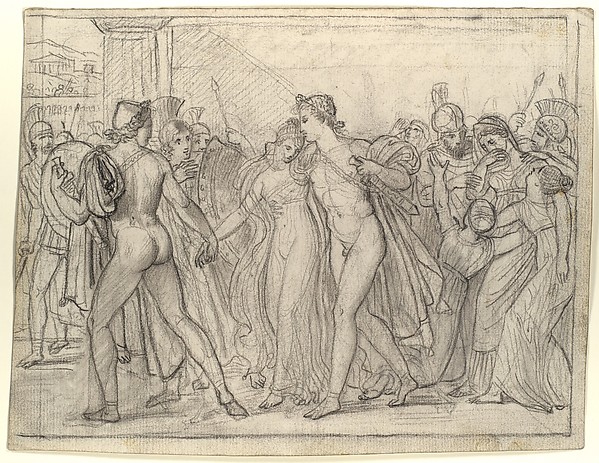 Joseph-Ferdinand Lancrenon — Composition Study for "Castor aJoseph-Ferdinand Lancrenon — Group of studies for "Castor an
 Jan Saenredam — The Punishment of Niobe (Plate 7)
 Giulio Romano — Study for Venus Asking Jupiter for the Servi
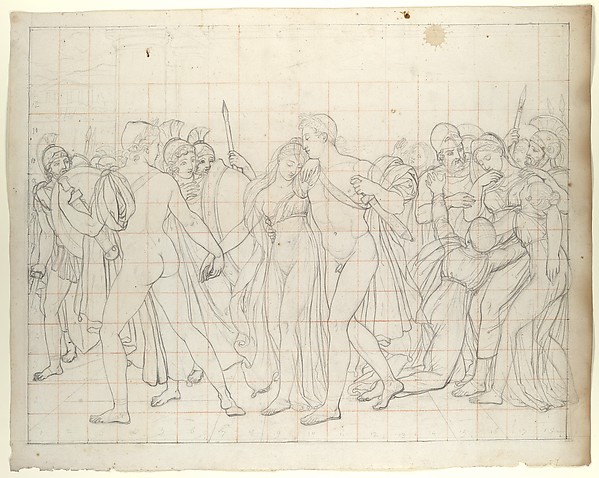 Joseph-Ferdinand Lancrenon — Composition Study for "Castor a
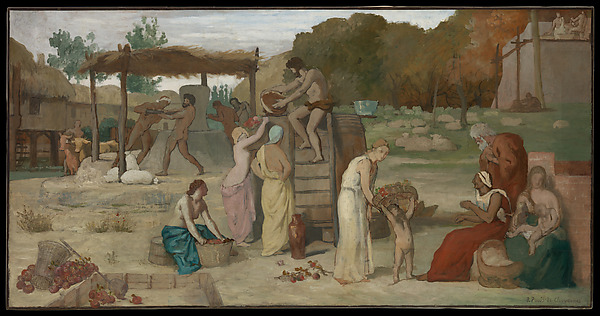 Pierre Puvis de Chavannes — Cider
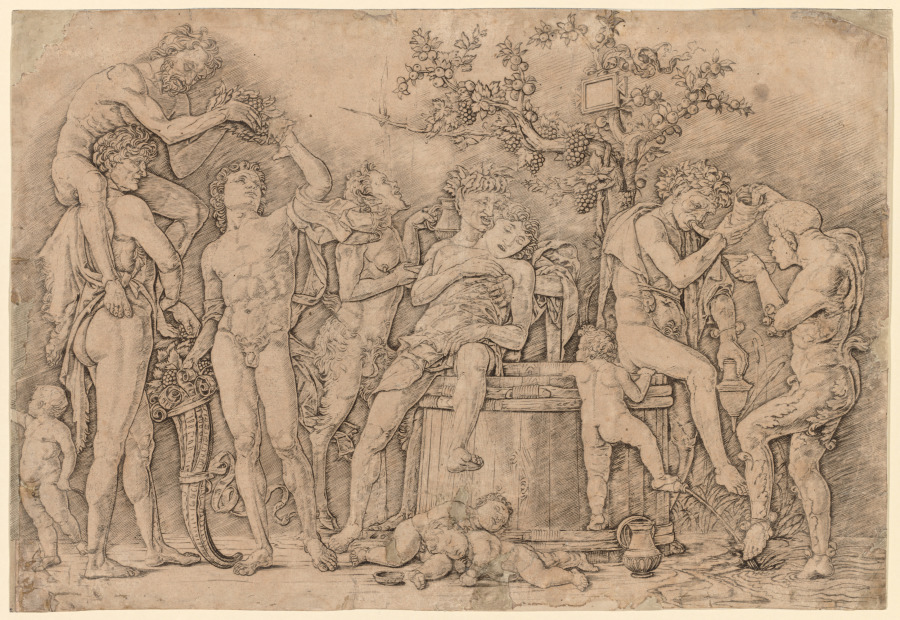 Andrea Mantegna (Italian, about 1431–1506) — Bacchanal with
 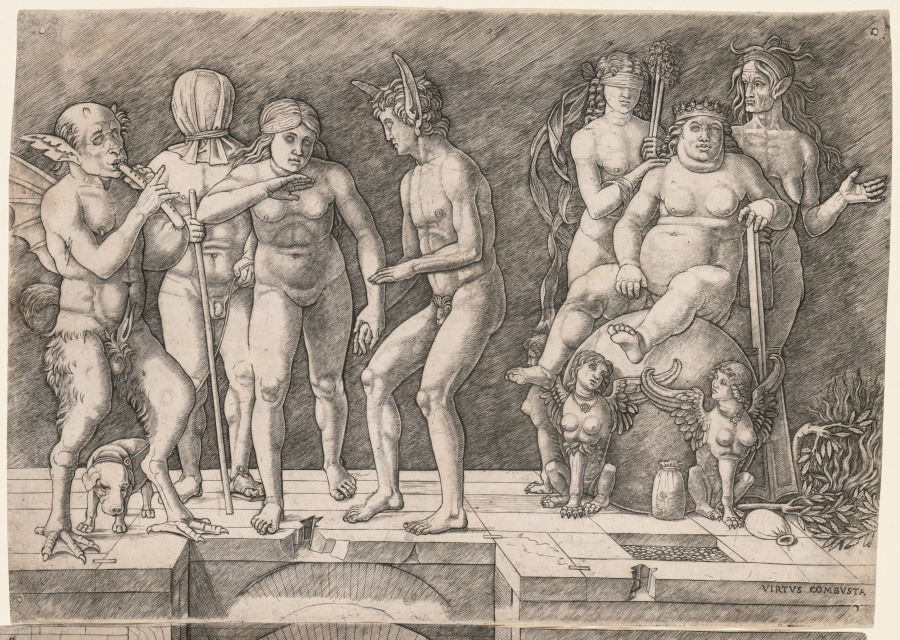 Giovanni Antonio da Brescia (Italian) — Allegory of the Fall
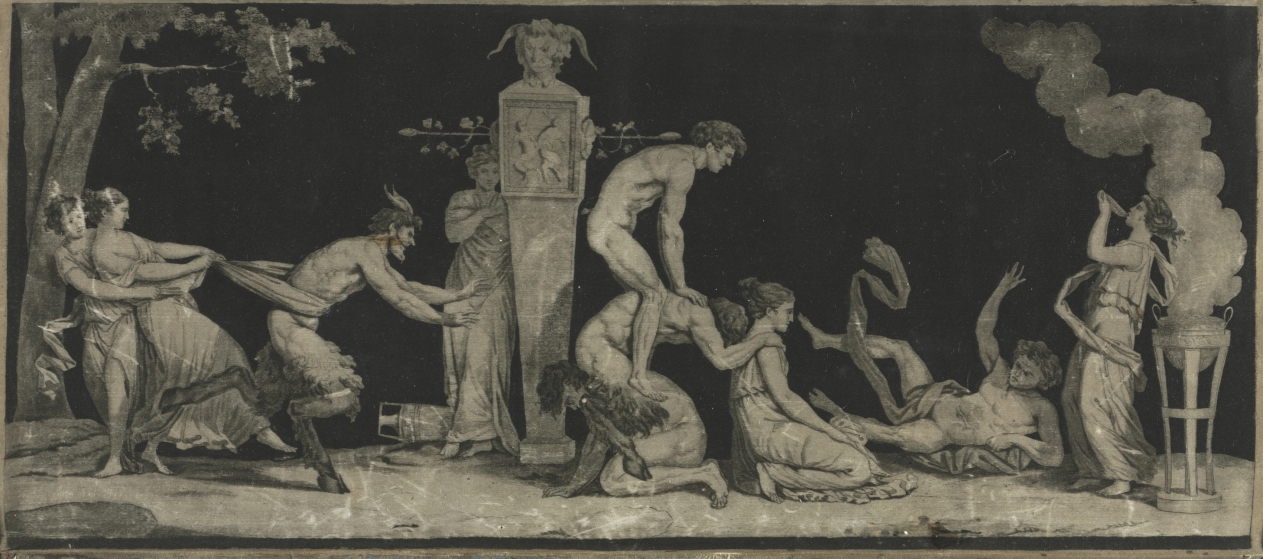 Laurent Guyot (French, 1756-) — Bacchanal, the Game of Leap
  Jacopo de' Barbari — Sacrifice to Priapus, the smaller plate
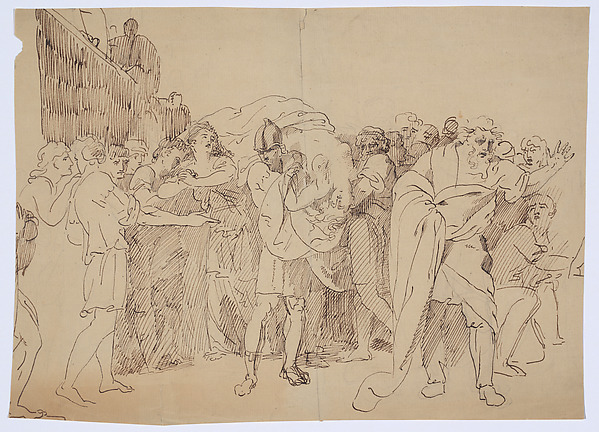 John Hamilton Mortimer — Classical Subject (Lucretia's Dead
 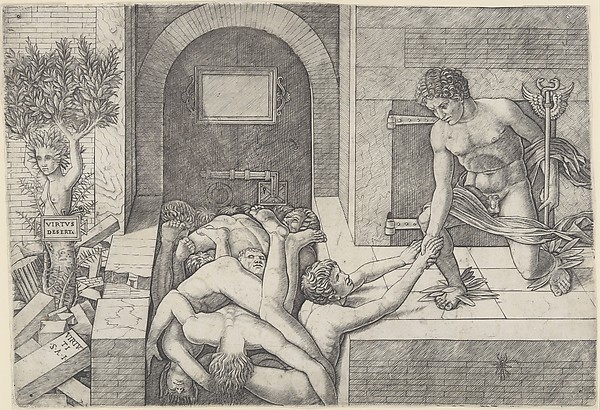 Giovanni Antonio da Brescia — Ignorance and Mercury (an alle