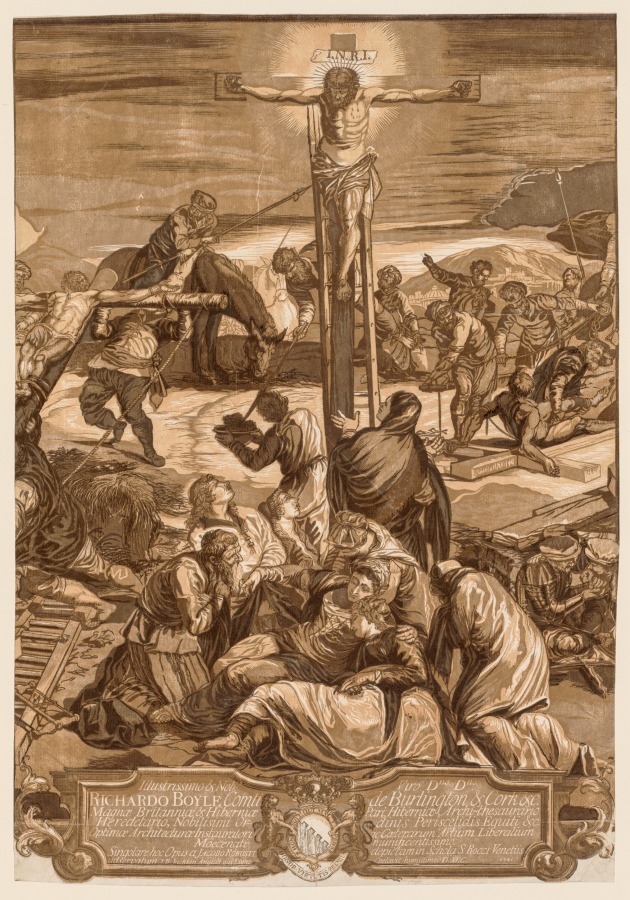
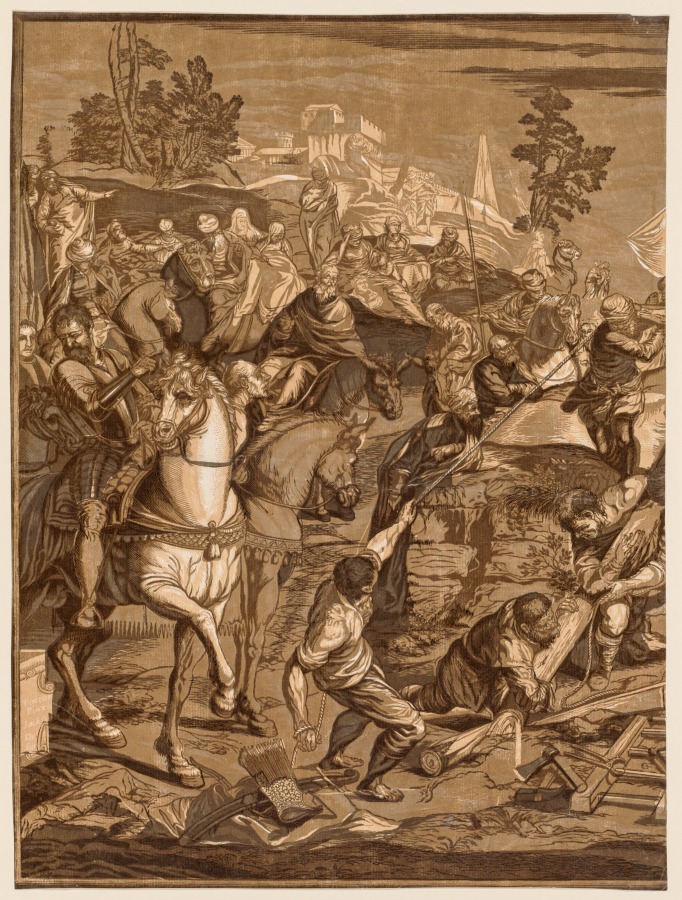
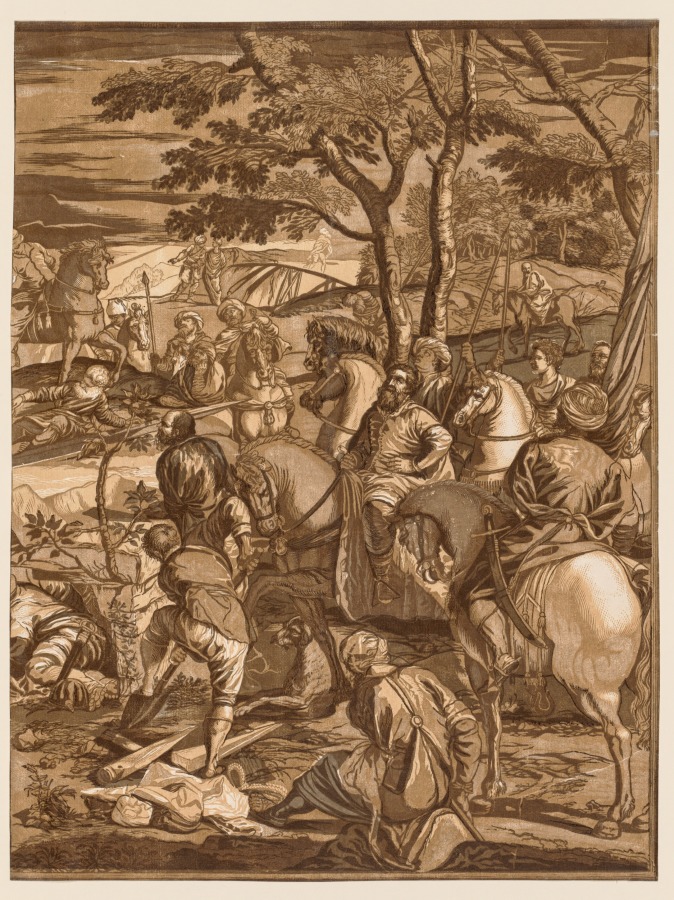
In the collection of Cleveland Museum of Art, Cleveland — check current display status with the museum.
FROM THE CLEVELAND MUSEUM OF ART’S CATALOG
Jackson is the best known 18th-century specialist in chiaroscuro woodcuts. Woodcuts were not popular at this time, and the chiaroscuro technique never took hold in England, but he may have developed his interest in the medium from the Italian nobleman and printmaker Antonio Zanetti who reproduced his collection of Parmigianino drawings as chiaroscuros when in England around 1720. Jackson moved to Venice, where, in 1739, the great English patron Consul Joseph Smith and two other supporters commissioned him to produce chiaroscuro woodcuts after 17 paintings by the Venetian masters Titian, Paolo Veronese, Tintoretto, and Jacobo Bassano. Jackson completed the series in 1743, which was published by J. B. Pasquali in 1745 as a bound volume. These reproductions of masterpieces were meant as souvenirs for the tourist trade and the young gentlemen taking the Grand Tour of the Continent to further their education. Jackson's Venetian Set was the first large-scale group of chiaroscuro woodcuts to reproduce oil paintings. In order to capture the effects of color and light in the paintings, he created complex, virtuosic woodcuts with a multitude of lines and tones.
Be the first to share your thoughts.
Sign in to join the discussion.
 Claude Mellan (French, 1598–1688) — Christ Carried to the To
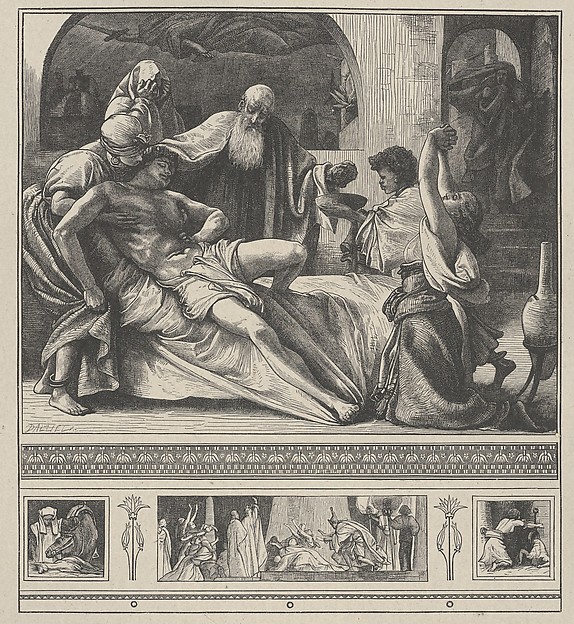 Camden Press|Scribner and Welford|Dalziel Brothers|Frederic,
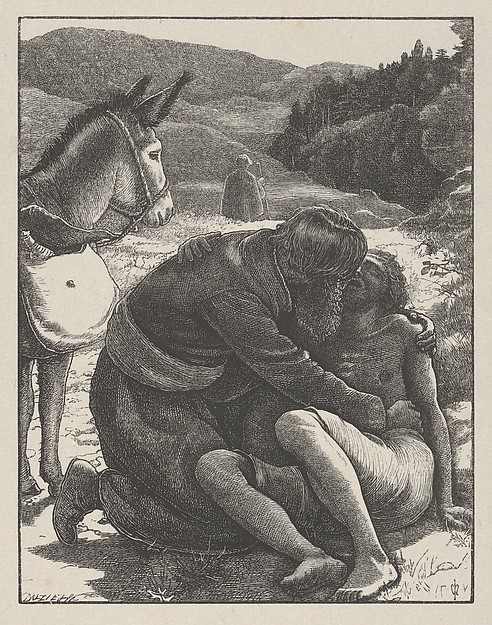 Dalziel Brothers|Sir John Everett Millais — The Good Samarit
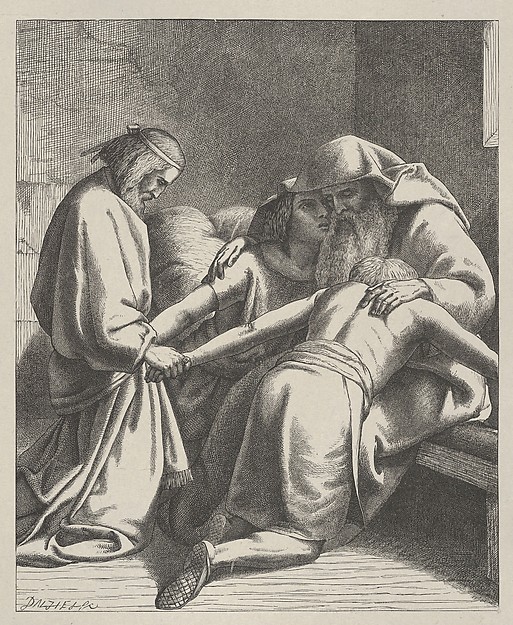 Camden Press|Scribner and Welford|Dalziel Brothers|Frederick
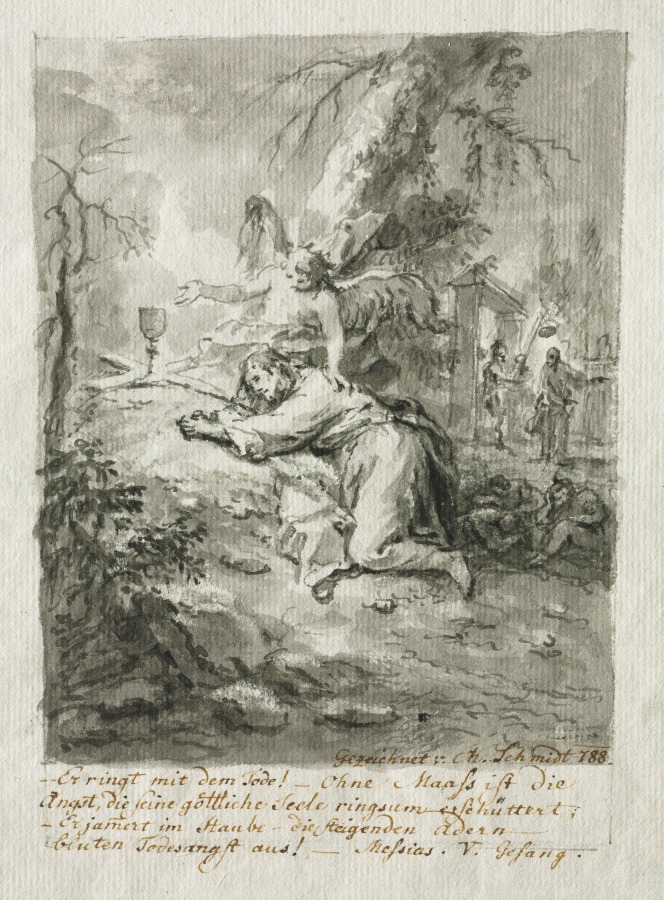 Martin Johann Schmidt (Austrian, 1718–1801) — Christ on the
 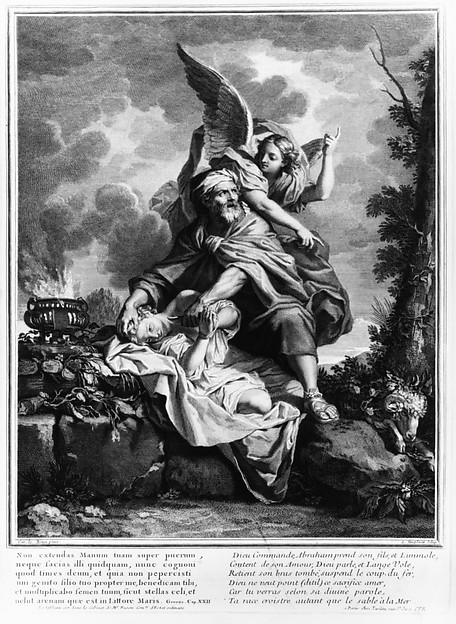 Louis Desplaces|Charles Le Brun — The Sacrifice of Isaac
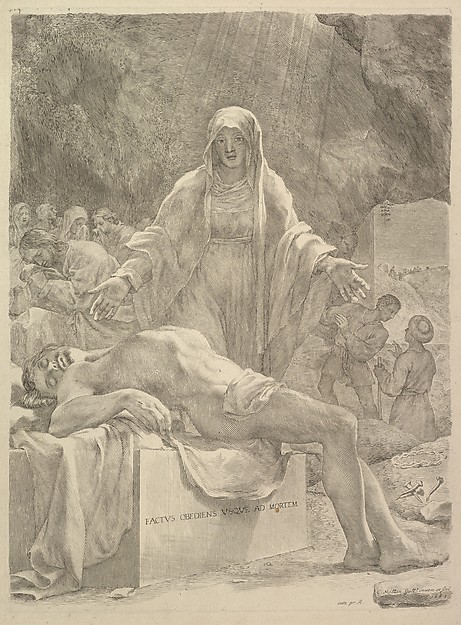 Claude Mellan — Lamentation
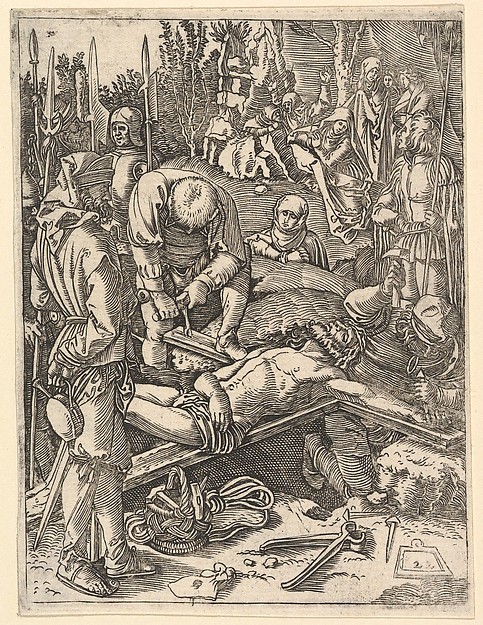 Marcantonio Raimondi|Albrecht Dürer — Two men nailing Christ
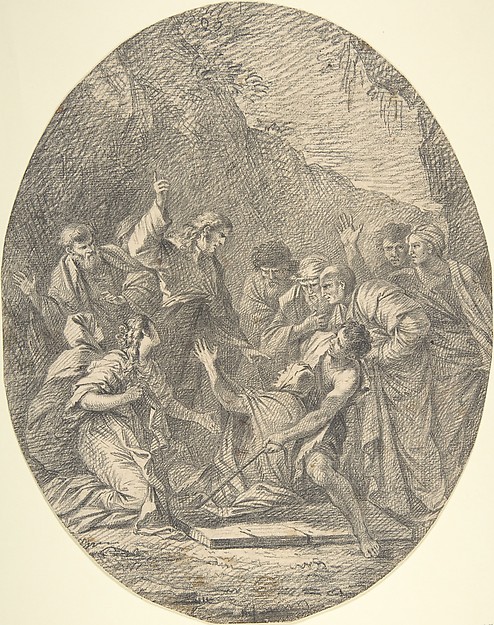 Anonymous, German, 19th century|Anonymous, German, 18th cent
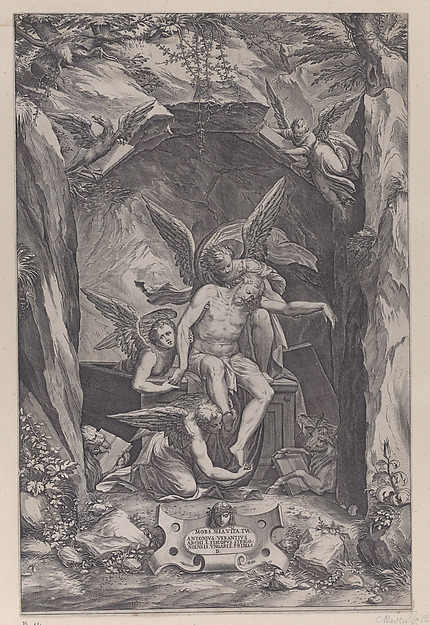 Martino Rota — Christ rising from the tomb, assisted by two
 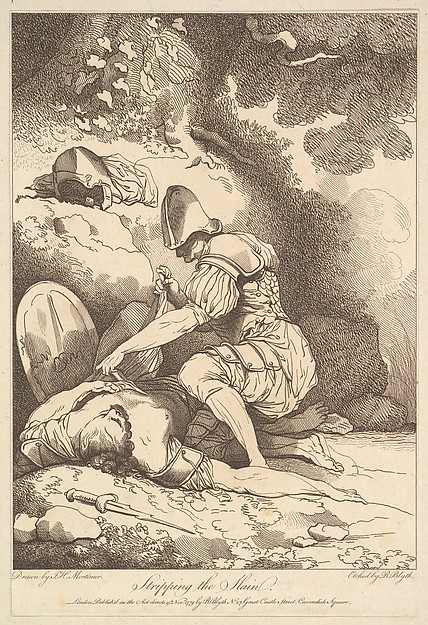 John Hamilton Mortimer|Robert Blyth — Stripping the Slain
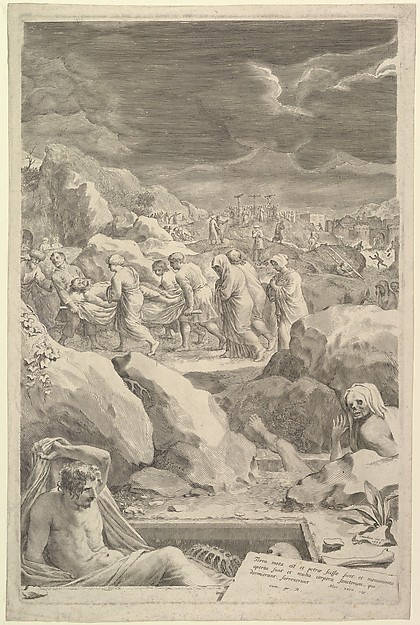 Claude Mellan — Burial Procession of Christ