Corpus of Christ, from the Altarpiece of the Crucifixion
SEE IT IN PERSON
● On view now — Gallery 237
Art Institute of Chicago, Chicago · verified July 2026
Discussion
FROM THE ART INSTITUTE OF CHICAGO’S CATALOG
Corpus of Christ was originally the focal point of a large triptych combining painting and sculpture that was commissioned in 1390 by Philip the Bold, Duke of Burgundy, for the newly founded Charterhouse of Champol outside Dijon. Philip intended this monastery as a dynastic burial place, and he and his successors endowed it with artistic treasures. The triptych was a collaboration between two important artists from the Flemish territories controlled by Philip the Bold: the sculptor Jacques de Baerze and the painter Melchior Broederlam. When open, the altarpiece showed carved reliefs of the Crucifixion, the Adoration of the Magi, and the Entombment together with standing figures of saints. The gilded center could be covered by movable wings whose backs, painted with scenes from the Infancy of Christ by Broederlam, were visible when the altarpiece was closed. The triptych still survives in Dijon (Musée des Beaux-Arts), but the central figure of the crucified Christ was removed during the French Revolution. Even separated from its context within the altarpiece, however, the crucified Christ remains a powerfully expressive work. Christ’s tensed hands and feet and earthy features are re
Be the first to share your thoughts.
Sign in to join the discussion.
More like this
 Florentine — Corpus and Superscription Plaque
 Flemish — Christ on the Cross
 Spanish — Corpus of Christ
 Alessandro Algardi — Crucifix
 Mosan; Meuse River Valley or German; Rhineland — Crucifix
 Tuscan — Corpus from a Processional Cross
 German, probably Brunswick (Braunschweig) — Altar Cross
 Nevers, France — Crucifix
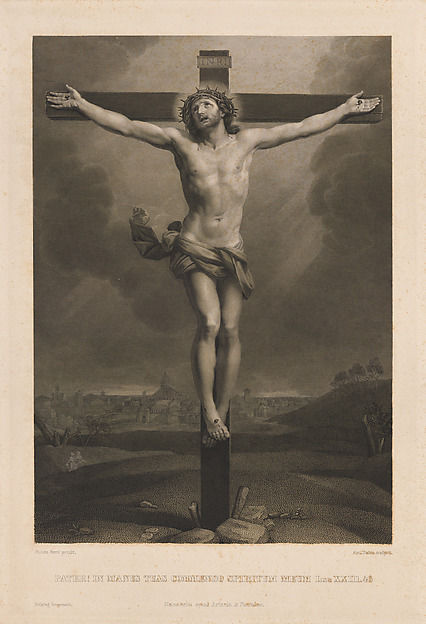 Guido Reni|Antonio Dalco|Artaria et Fontaine — Christ on the
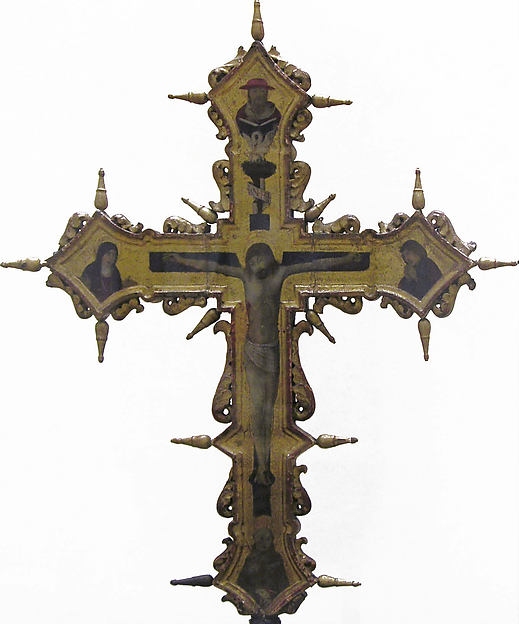 Pietro di Francesco Orioli — Processional Crucifix
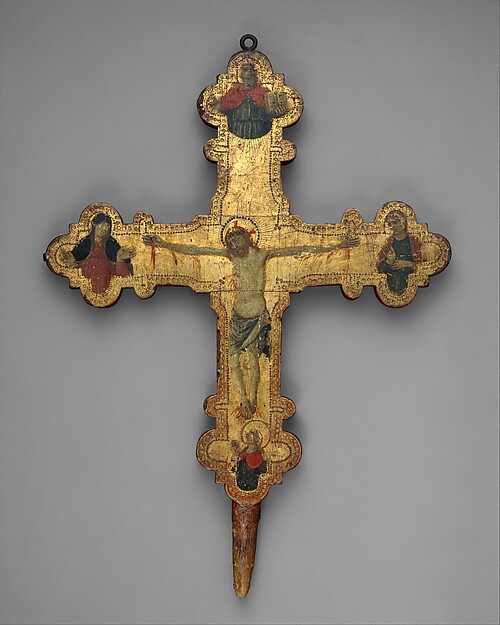 Giovanni Antonio da Pesaro — Crucifix
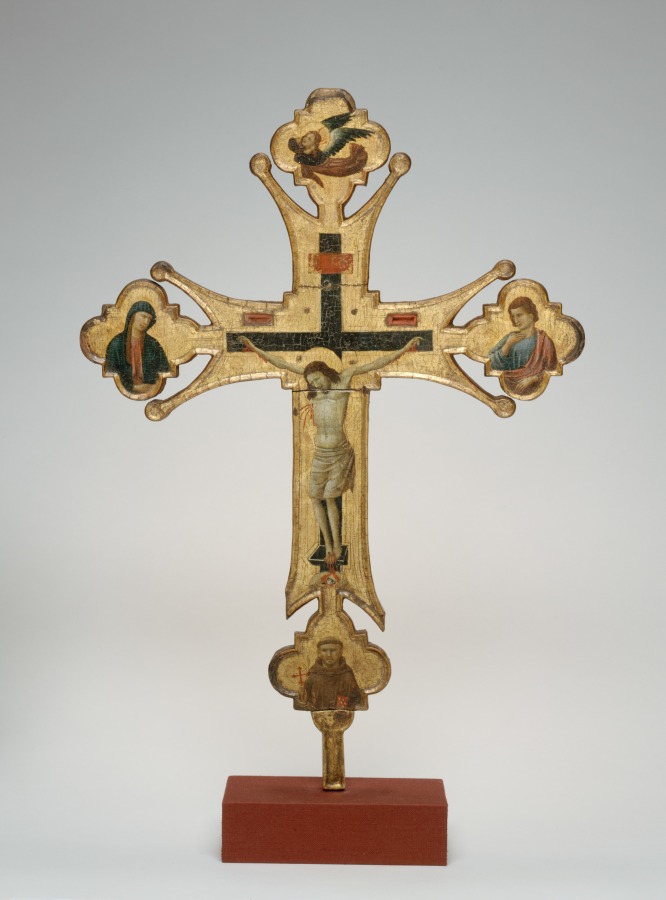 Master of Santa Chiara (Italian) — Processional Cross