The Fountains
SEE IT IN PERSON
● On view now — Gallery 218
Art Institute of Chicago, Chicago · verified July 2026
Discussion
FROM THE ART INSTITUTE OF CHICAGO’S CATALOG
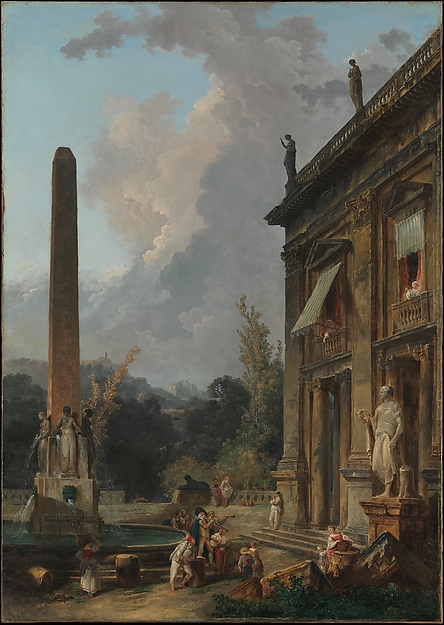
The painting of Classical ruins had reached the zenith of its popularity when Hubert Robert, the leading French practitioner of this specialty, was commissioned in 1787 to paint a suite of four canvases for a wealthy financier’s château at Méréville, near Paris. The Fountains and its companion pieces were set into the paneled walls of a salon in the château, creating an alternate space that played off of the elegant, Neoclassical decor of the room. Robert has studied in Rome from 1754 to 1765 and there had gleaned his artistic vocabulary. Like the other three large paintings from the group painted for Méréville, all in the Art Institute, The Fountains exploits Robert’s typical vocabulary of fictive niches, arches, coffered vaults, colonnades, majestic stairwells, and Roman statuary to create a fantasy of expansive space. The four paintings are inhabited by tiny figures in the foreground; these serve only to set the scale and animate the scene, for the ruins themselves are the true subject of the pictures. In his use of ruins, Robert embodied the notion of the relationship of mankind and the built environment to nature that was expressed by the French philosopher and encyclopedist D
Be the first to share your thoughts.
Sign in to join the discussion.
More by Hubert Robert


More like this
 Franz Ludwig Catel — Inside the Colosseum
 Jan Asselijn — Ezeldrijvers bij een Italiaanse ruïne
 Giovanni Battista Piranesi (Italian, 1720–1778) — Views of R
 Jan Both — Street Scene with Roman Ruins
 Francesco Stagni — Design for a Painted Wall Decoration
 Giovanni Battista Piranesi — View of the So-Called Temple of
 Style of Hubert Robert — Colonnade and Gardens of the Medici
 Jurriaan Andriessen — Arcadisch landschap met links een temp
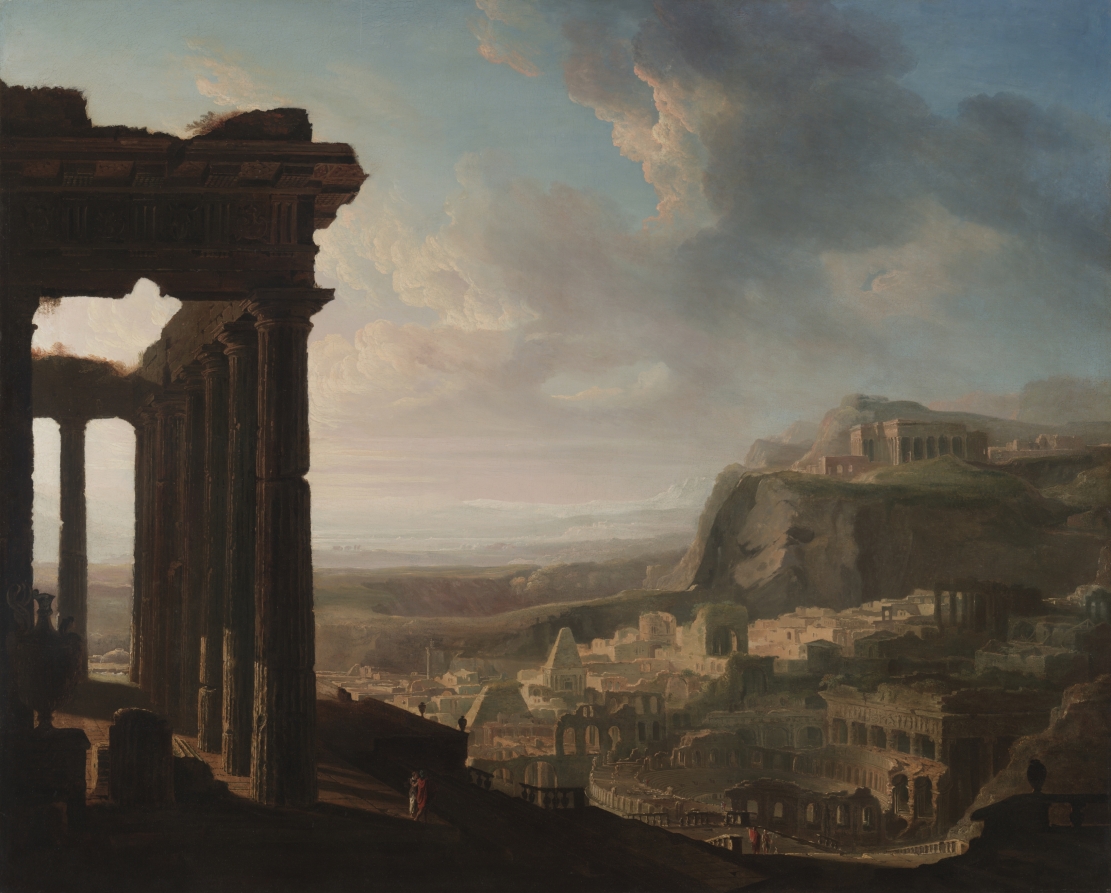 John Martin (British, 1789–1854) — Ruins of an Ancient City
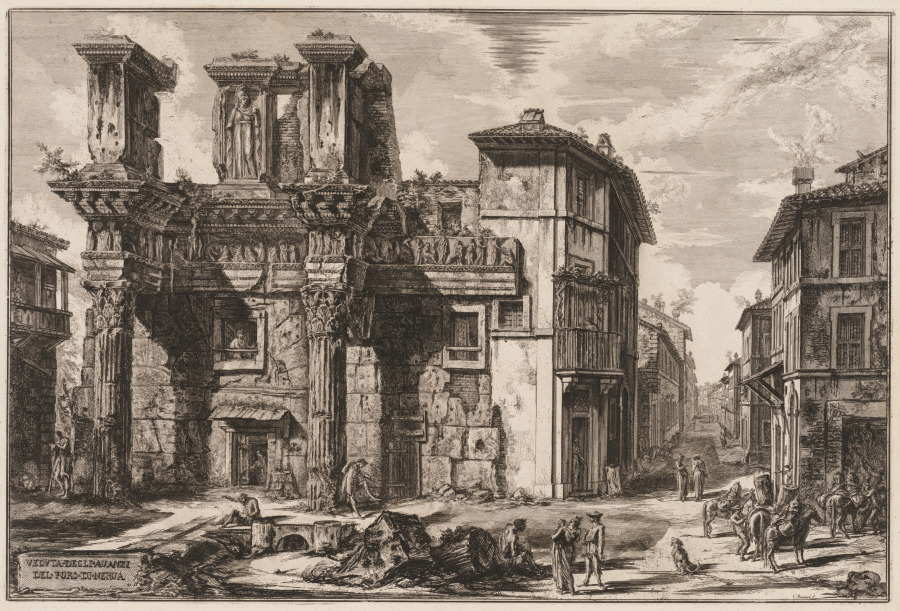 Giovanni Battista Piranesi (Italian, 1720–1778) — Views of R
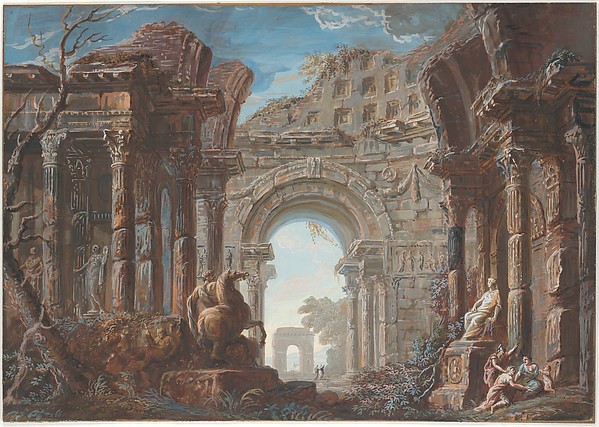 Jean Nicolas Servandoni — Architectural Capriccio with a Mon
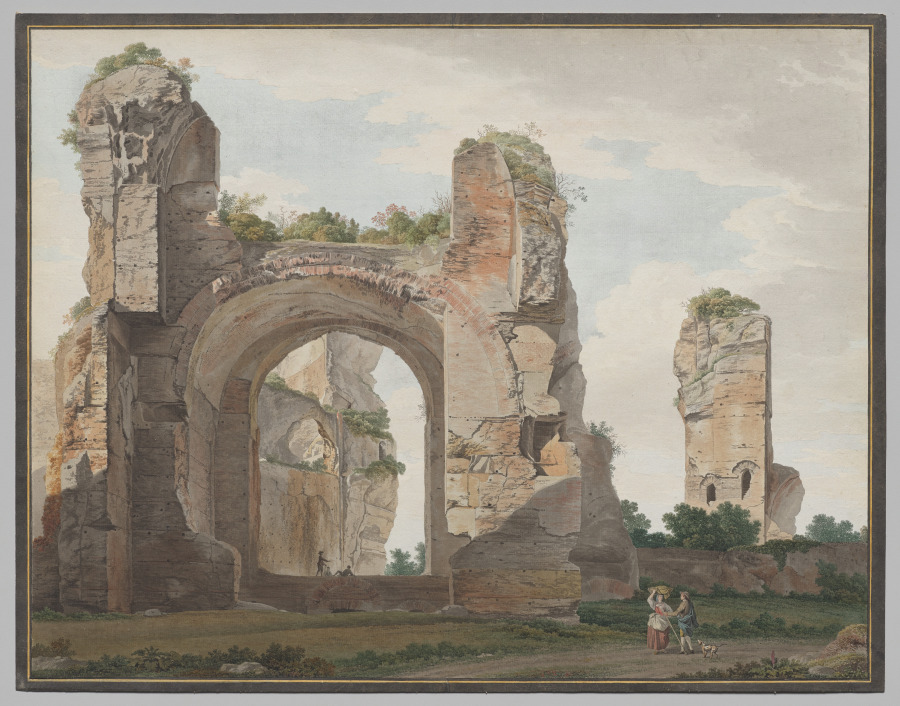 Giovanni Battista Lusieri (Italian, 1750–1825) — A View of t