A Sheet of Anatomical Studies
SEE IT IN PERSON
Not currently on view
In the collection of Art Institute of Chicago, Chicago · as of July 2026
Discussion
FROM THE ART INSTITUTE OF CHICAGO’S CATALOG
In addition to his study of Classical antiquity, Peter Paul Rubens also developed his sense of ideal anatomical form through proto-scientific treatises, some of which represented the muscles of the body with the skin flayed. Rubens adopted this manner, known as écorché, for his compelling representation of two interlocking forearms and a face. A virtuoso performance of the use of pen and ink (perhaps the most unforgiving media since it cannot be easily blended or erased), the drawing belongs to a group of about a dozen similar sheets that Rubens intended to publish as an anatomical treatise. The project was never realized, but one of the members of his workshop distributed a series of engravings years after the artist’s death that included these images together with other highlights of the artist’s repertoire.
Be the first to share your thoughts.
Sign in to join the discussion.
More by Peter Paul Rubens
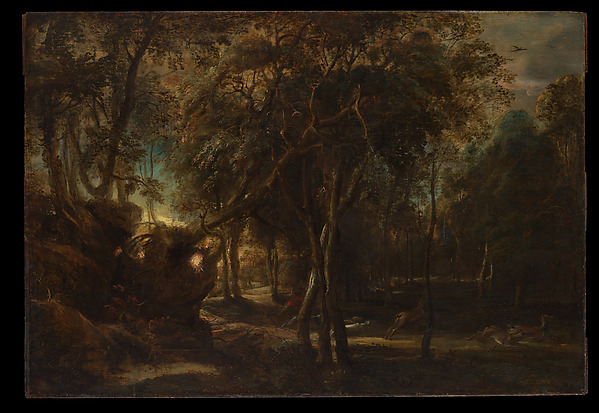 A Forest at Dawn with a Deer Hunt
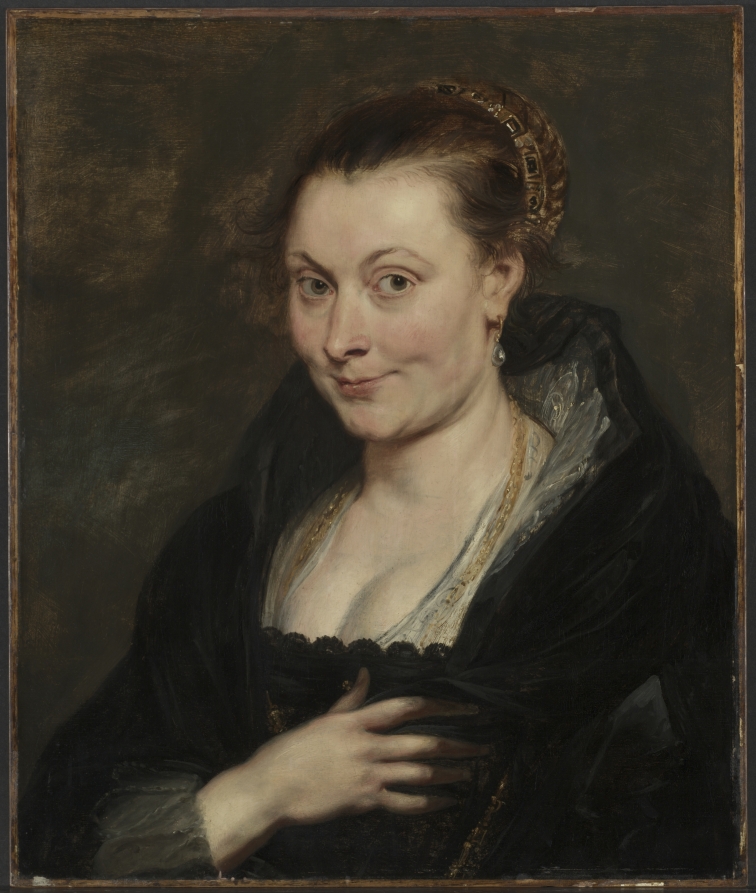 Portrait of Isabella Brant
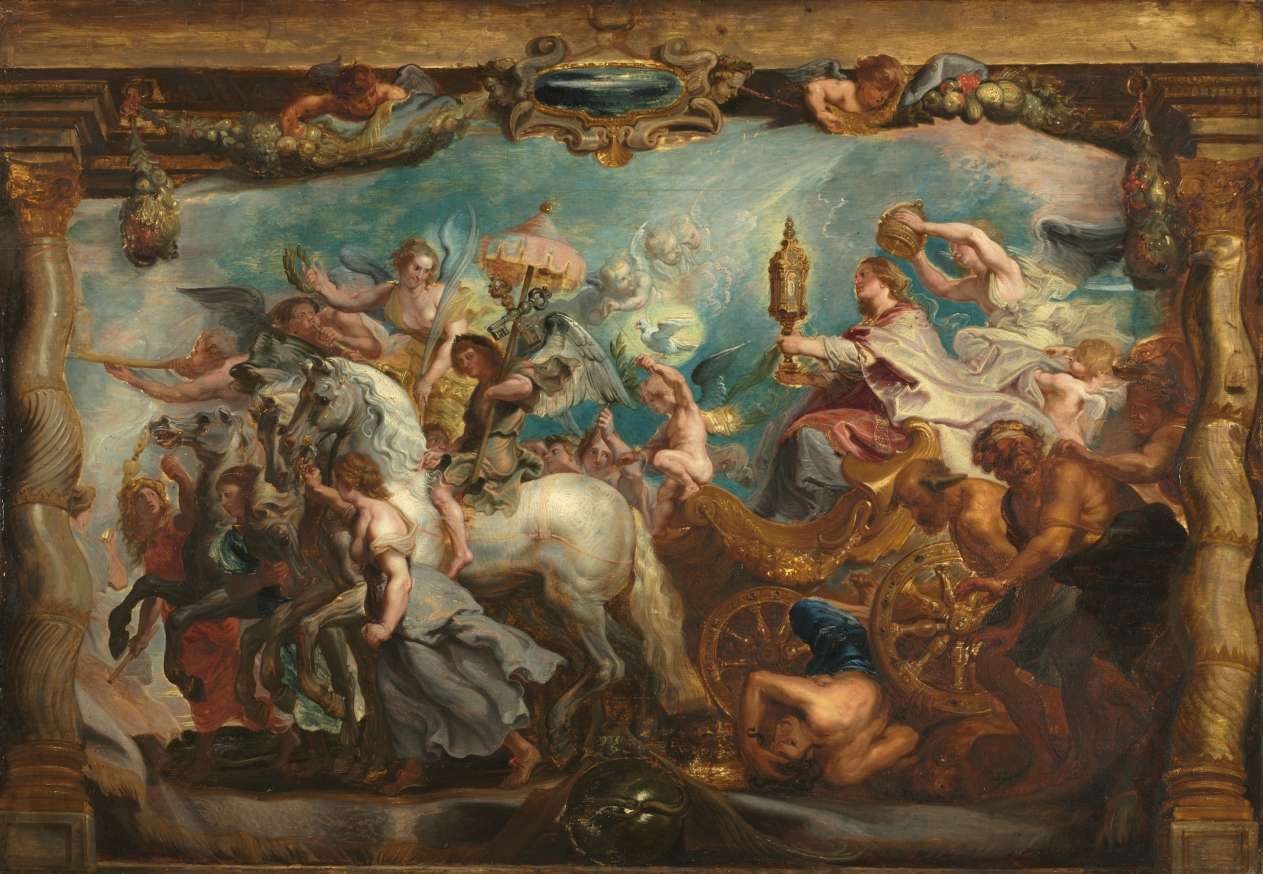 The Triumph of the Church
 The Holy Family with Saints Elizabeth and John the Baptist
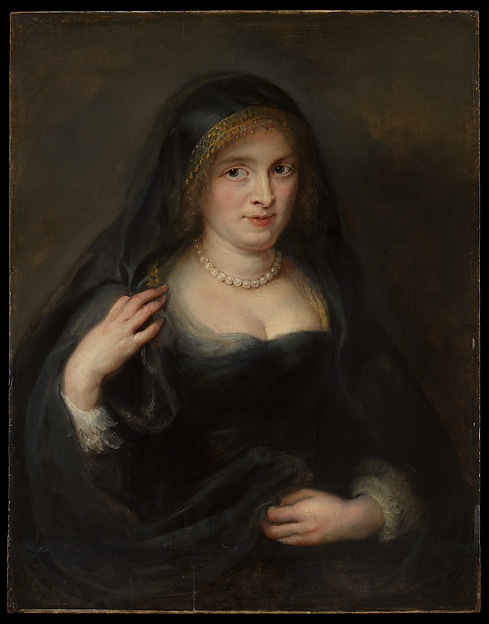 Portrait of a Woman, Probably Susanna Lunden (Susanna Fourme
 Atalanta and Meleager
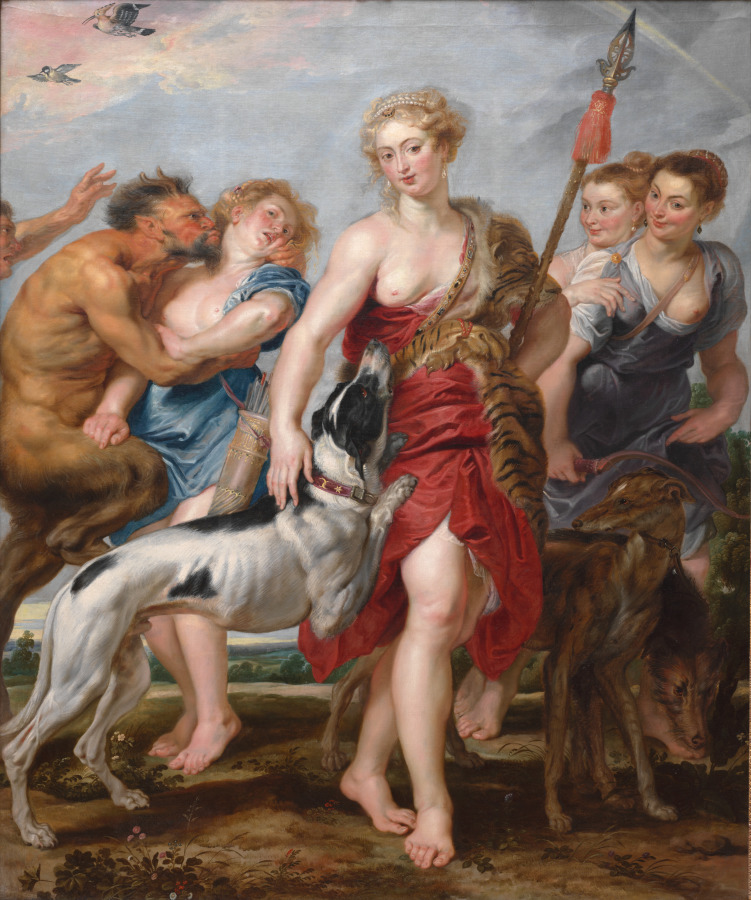 Diana and Her Nymphs Departing for the Hunt
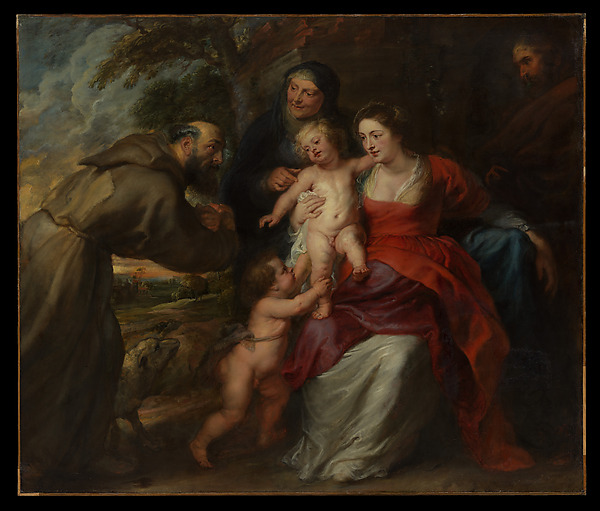 The Holy Family with Saints Francis and Anne and the Infant
 More like this
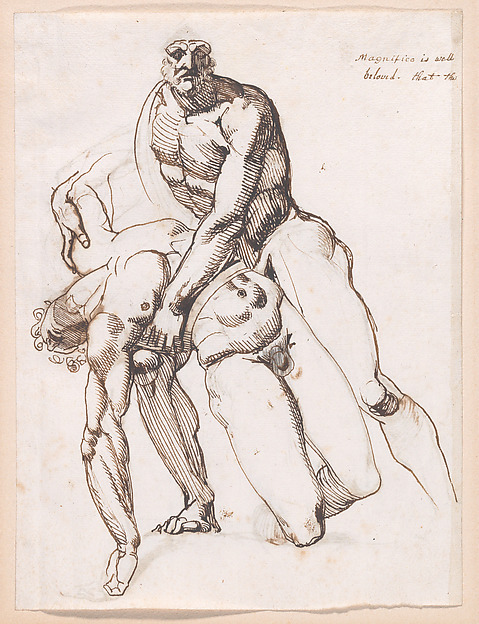 Henry Fuseli — Menelaus and Patroclus, after the Antique (re
 Michelangelo Buonarroti — Legs and Feet of Male Nude
 Frans Floris, I — Cain Killing Abel
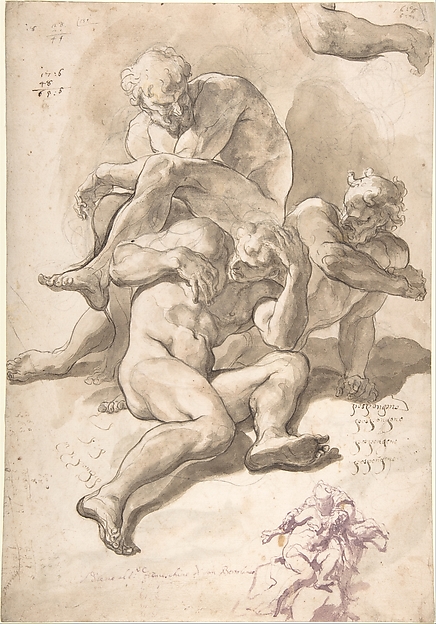 Paolo Pagani — Studies of Three Naked Men, a Right Arm and a
 Perino del Vaga — Study of a Nude Seen from the Back, and Tw
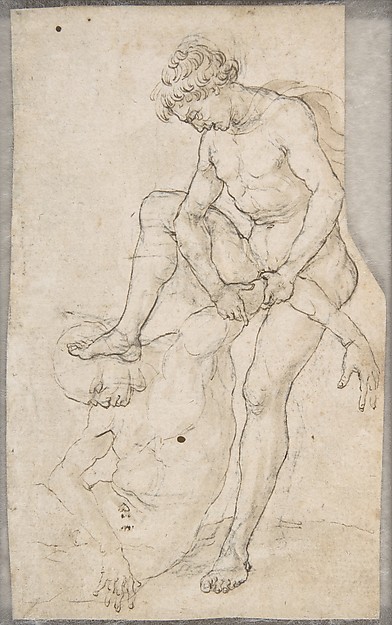 Maso Finiguerra — A Warrior Subduing Another (recto); Warrio
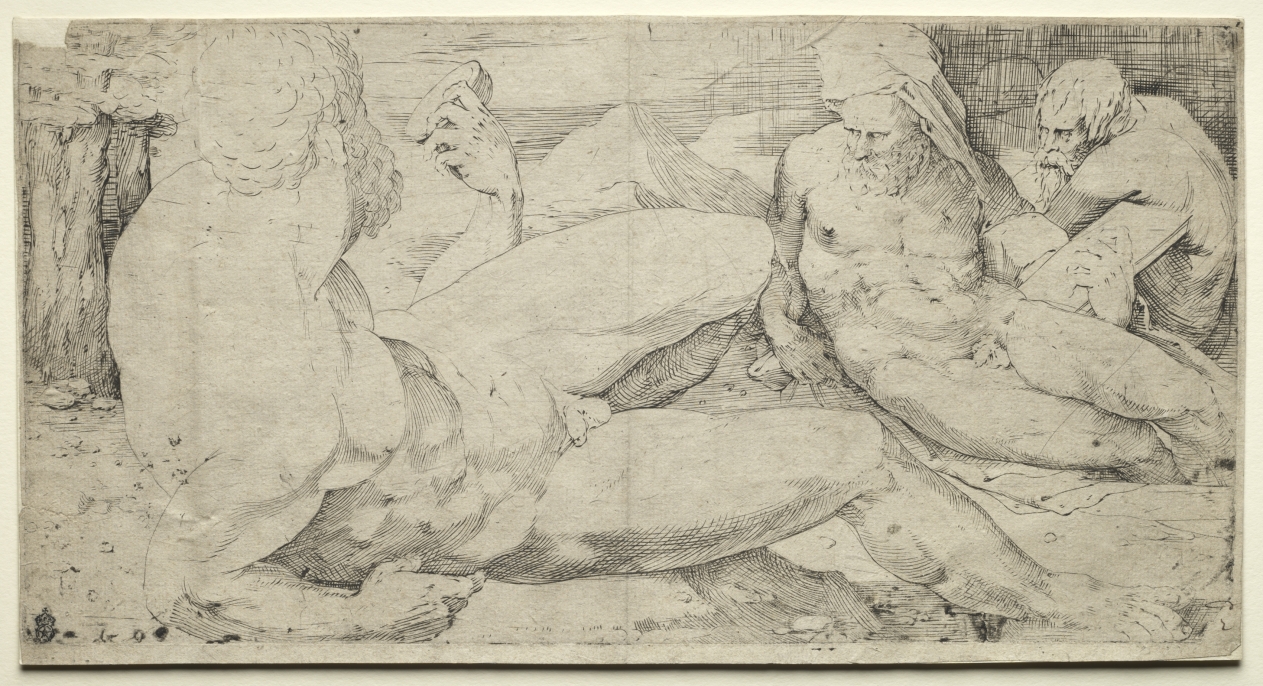 Domenico Beccafumi (Italian, 1486–1551) — Three Male Nudes
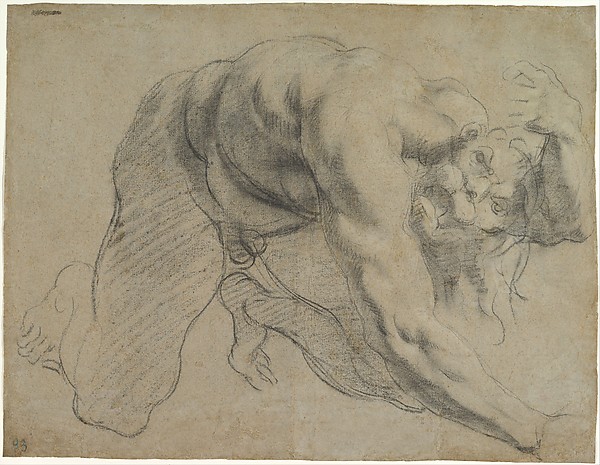 Annibale Carracci — Crawling Male Figure (Study for Cacus)
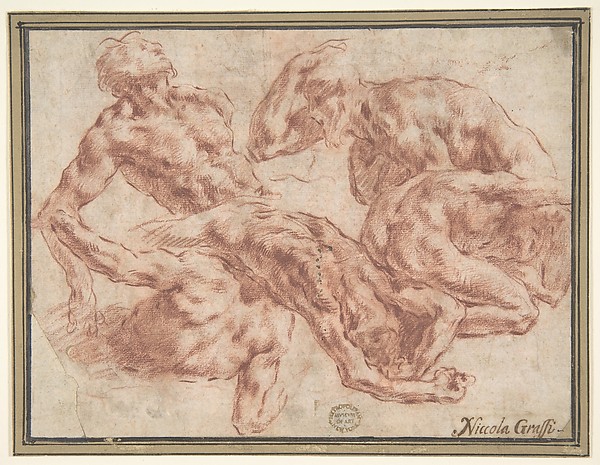 Nicola Grassi — Studies of Nude Men
 Melchior Lorck (Danish, 1526/27–after 1588) — Crucified Man
 Juste de Juste (French, 1505–1559) — Pyramid of Five Men
 Pierre Biard the Younger (French, 1592–1661) — Ignudo (after