In the collection of Cleveland Museum of Art, Cleveland — check current display status with the museum.
FROM THE CLEVELAND MUSEUM OF ART’S CATALOG
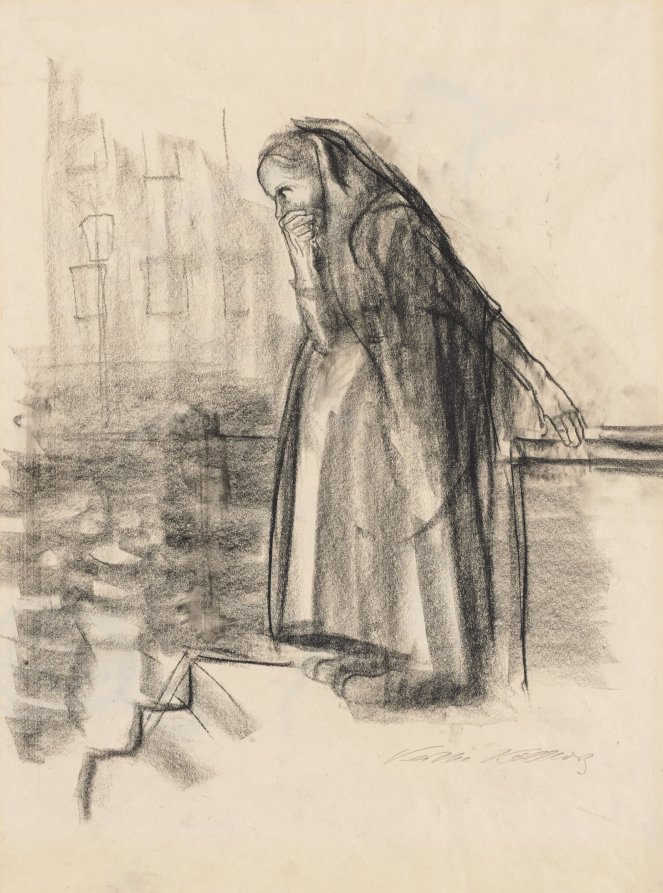
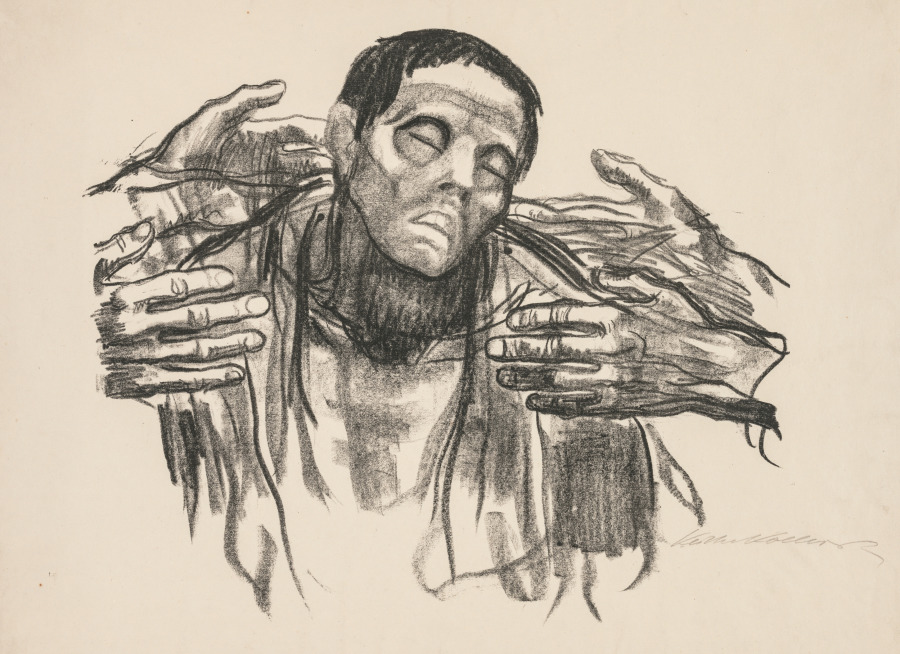
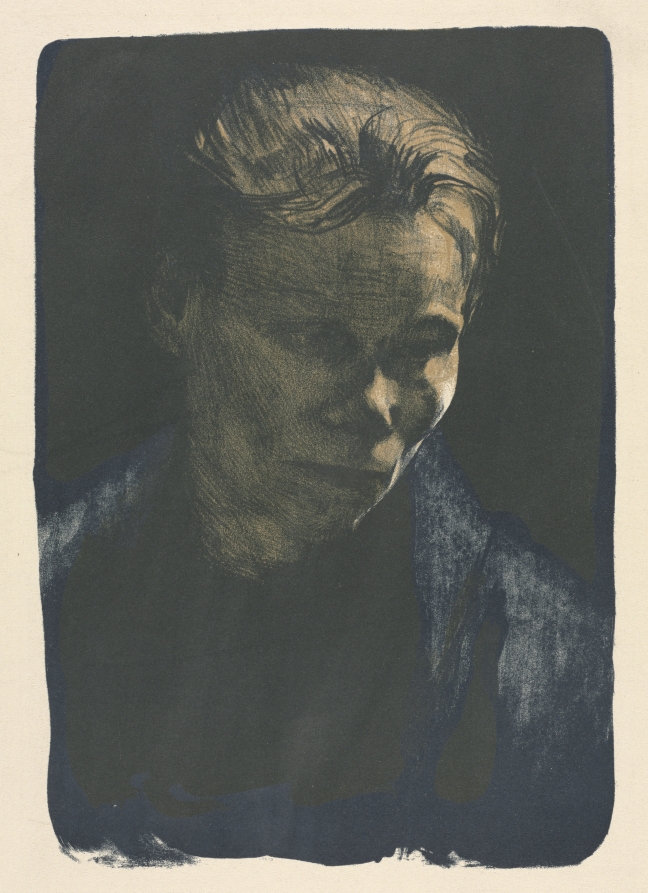
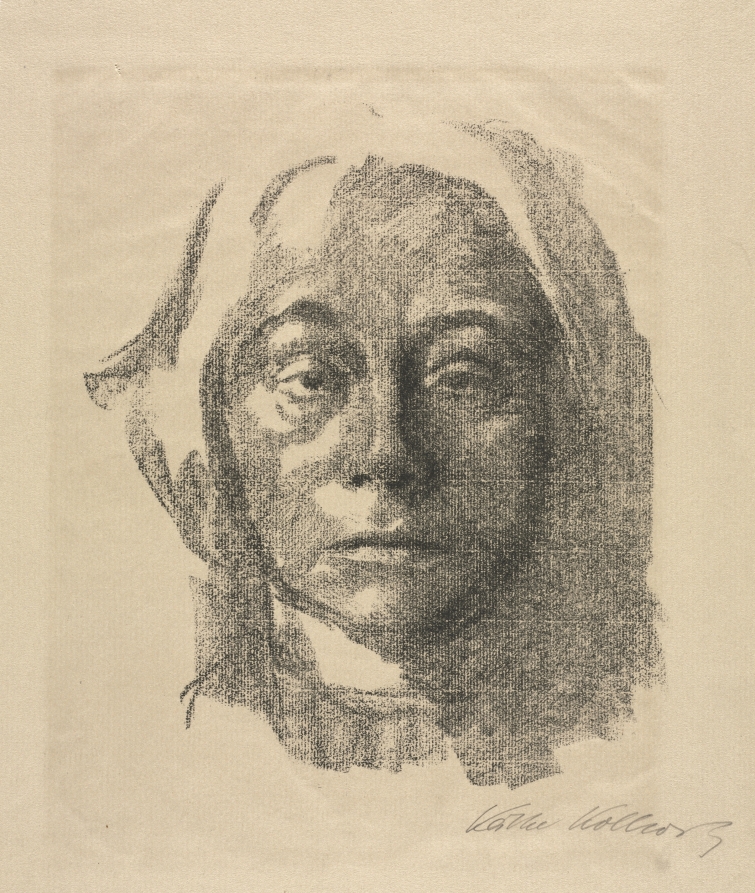
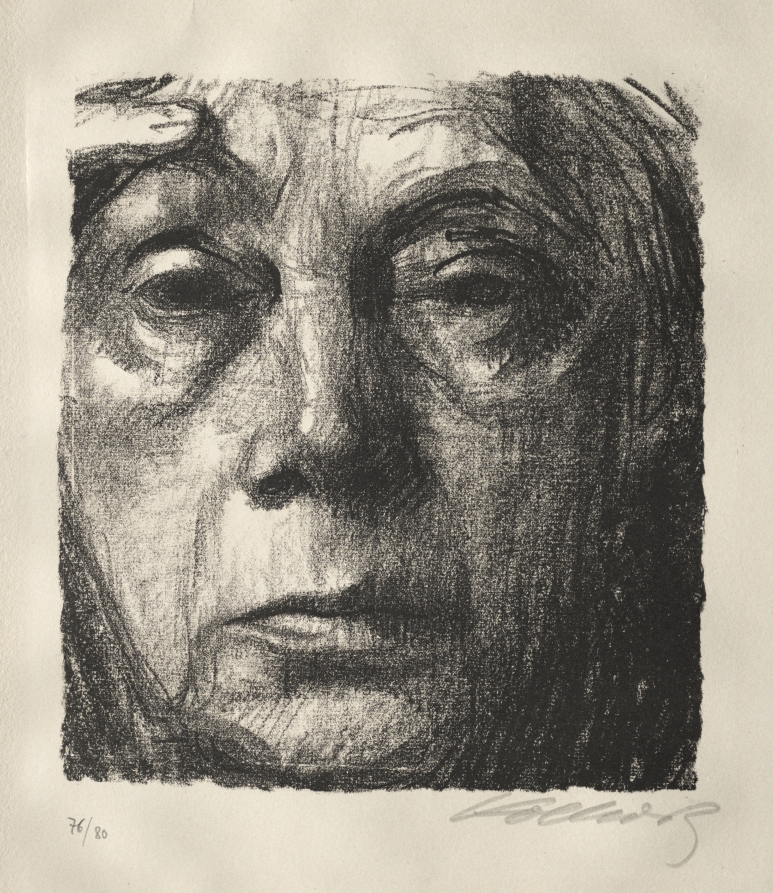
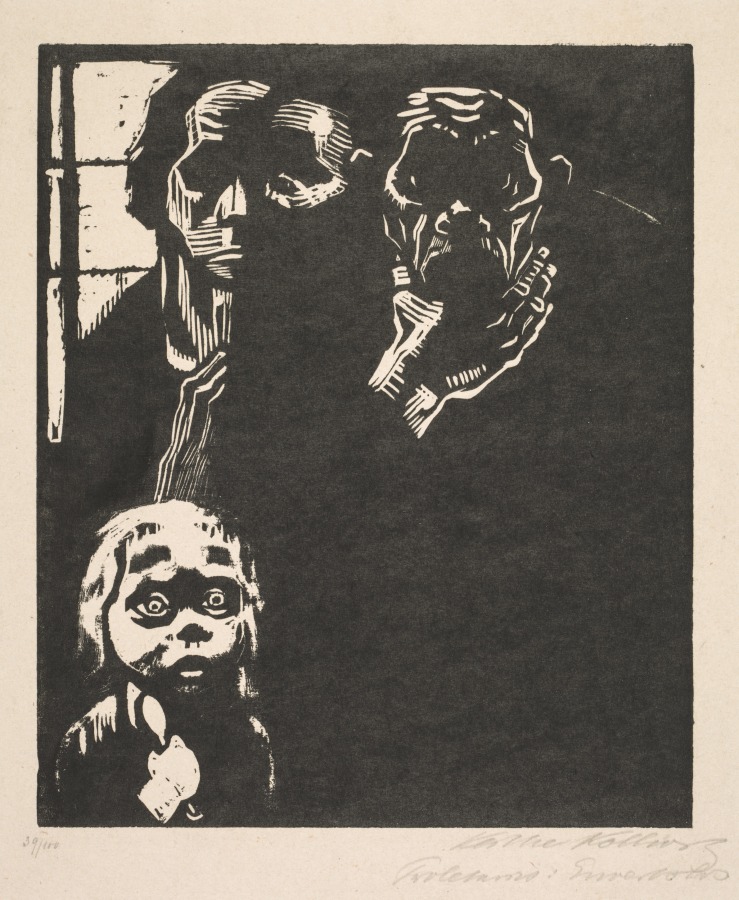
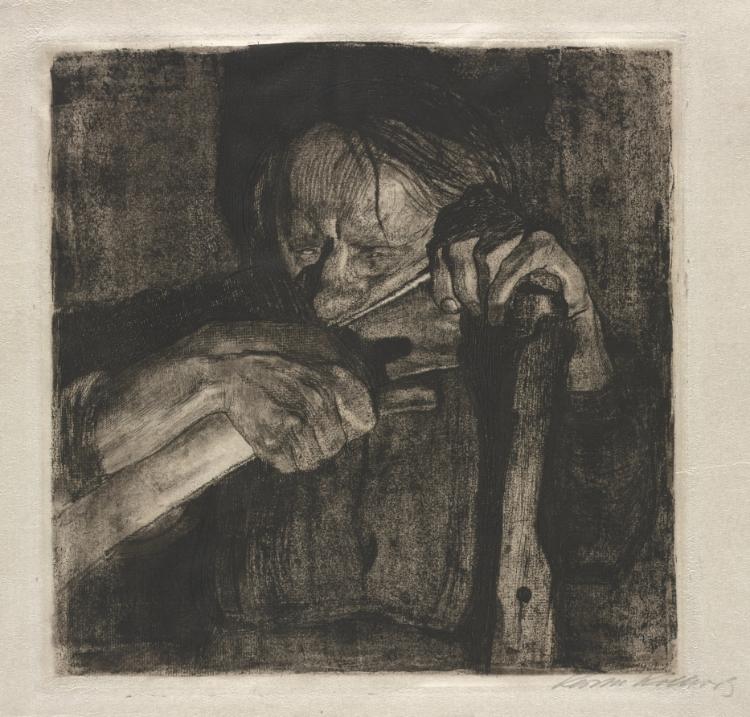
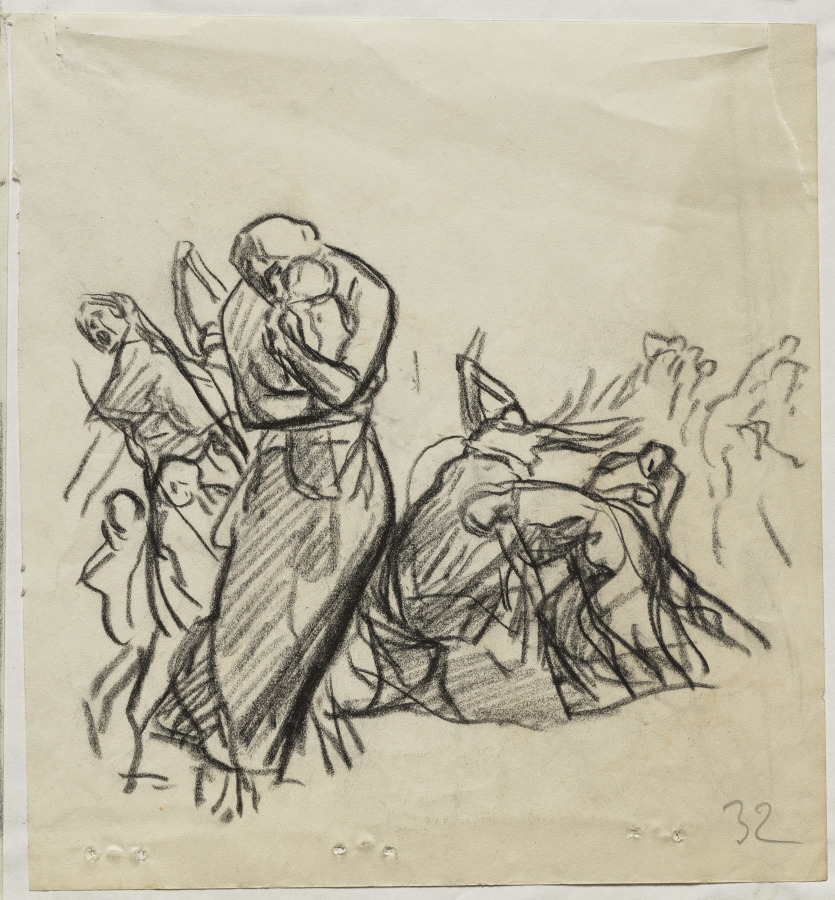
Working in a frank but emotional naturalistic style far different from that of her contemporaries, Käthe Kollwitz depicted a pregnant woman who stands as a universal symbol of human grief. Just a few bold strokes of crayon relay the woman’s despair. After World War I, Kollwitz’s work focused on the sorrows of those left behind: the children, widows, and mothers who underwent loss, physical neglect, and economic hardship. Her focus on grief and despair in this and other works emerged especially after her youngest son, Peter, was killed in the first months of the war.
Be the first to share your thoughts.
Sign in to join the discussion.
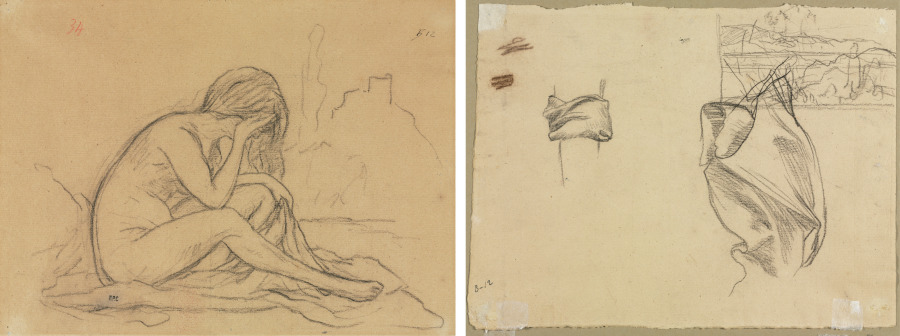 Pierre Puvis de Chavannes (French, 1824–1898) — Study of a F
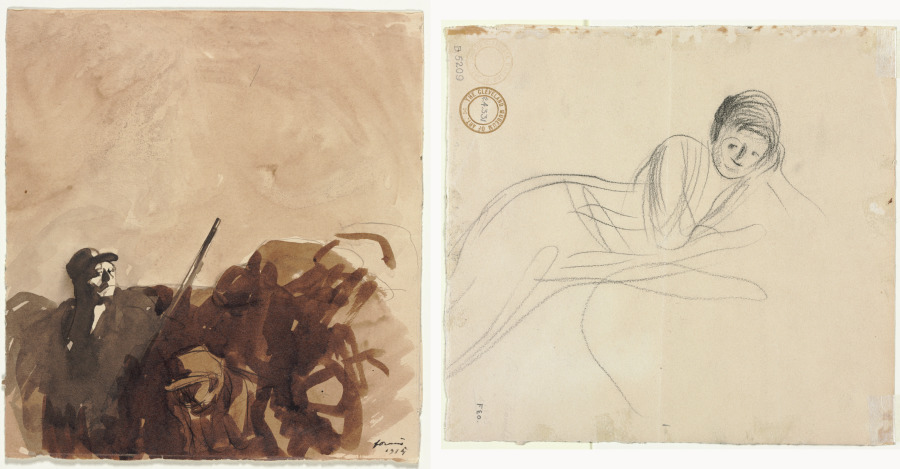 Jean Louis Forain (French, 1852–1931) — Soldier in a Trench
 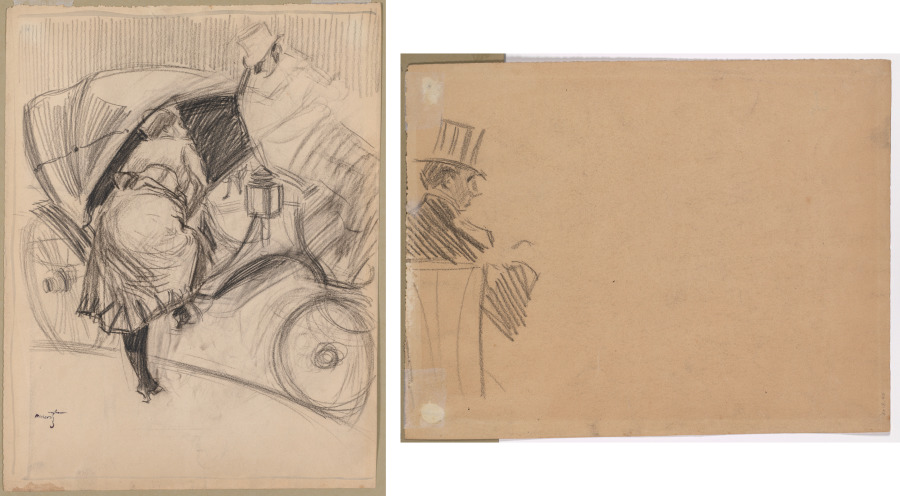 Jean Louis Forain (French, 1852–1931) — Woman Entering a Fia
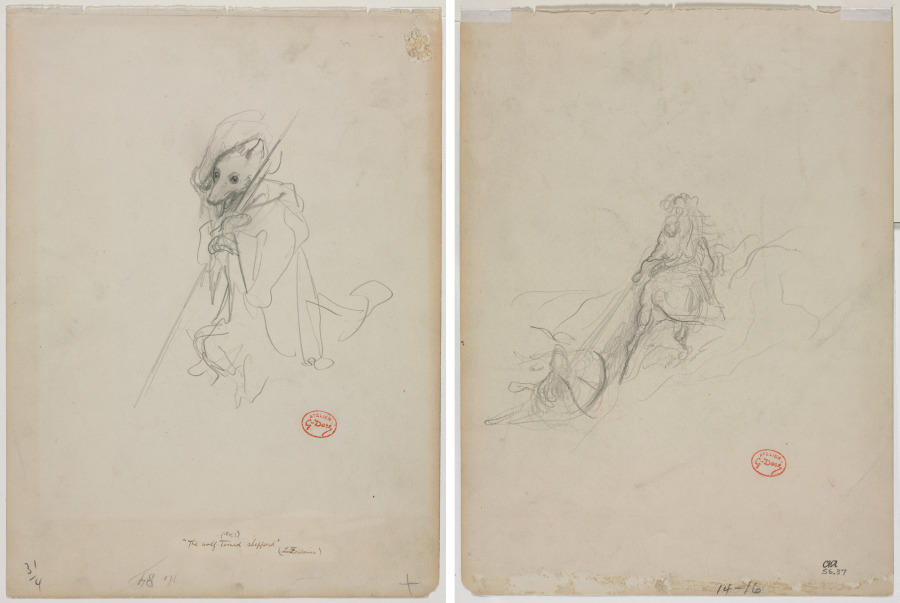 Gustave Doré (French, 1832–1883) — Sketch for "The Wolf Turn
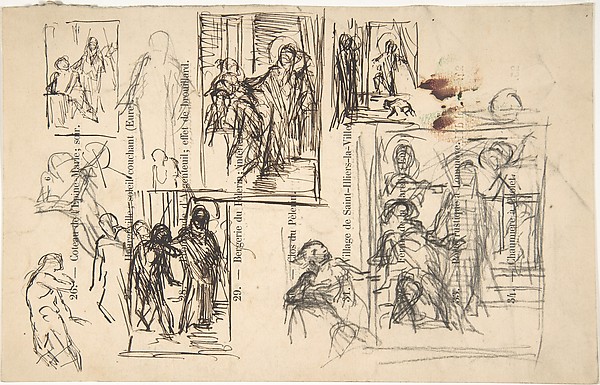 Narcisse-Virgile Diaz de la Peña — Studies for a figure comp
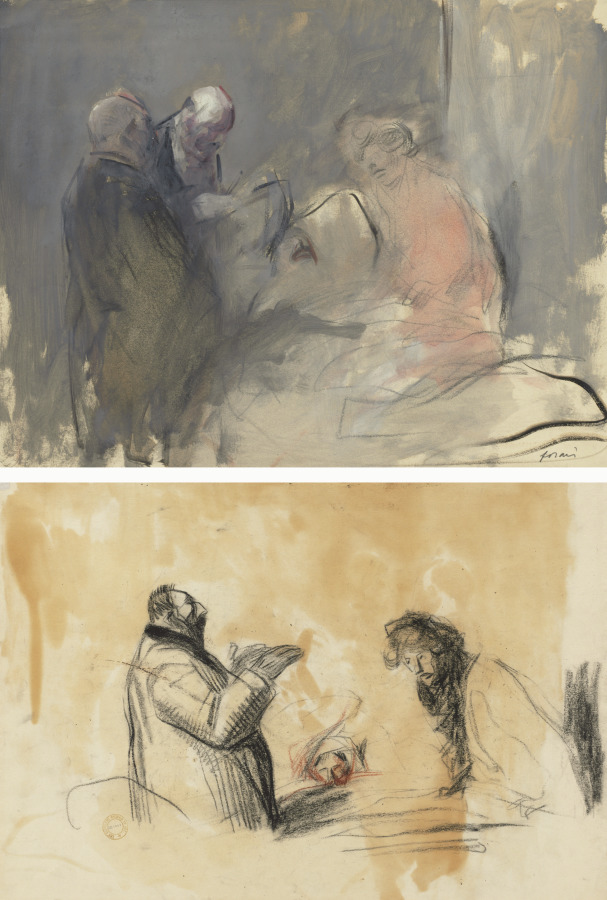 Jean Louis Forain (French, 1852–1931) — In the Hospital (rec
 Auguste Louis Lepère (French, 1849–1918) — L'Incendie de Lou
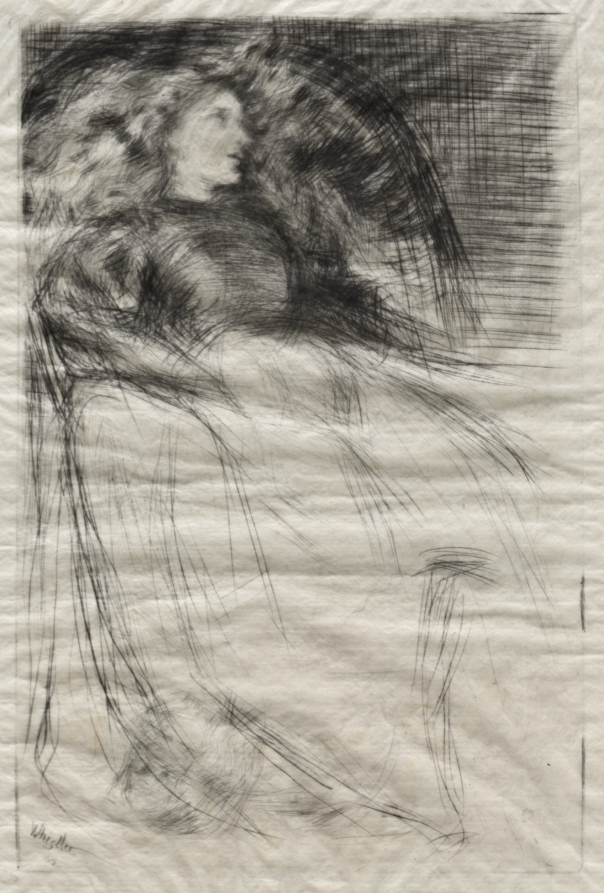 James McNeill Whistler (American, 1834–1903) — Weary
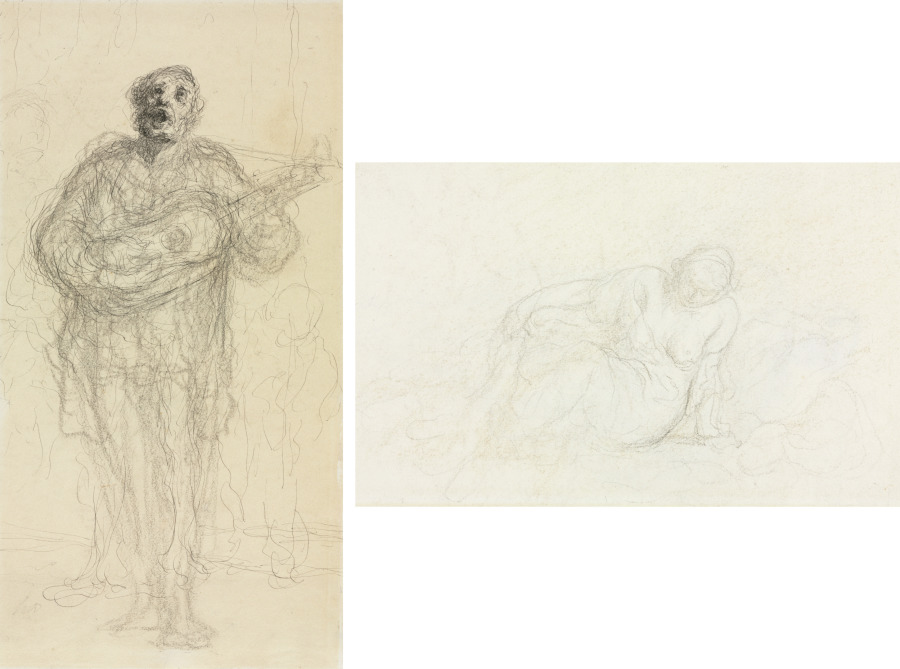 Honoré Daumier (French, 1808–1879) — Singing Guitarist (rect
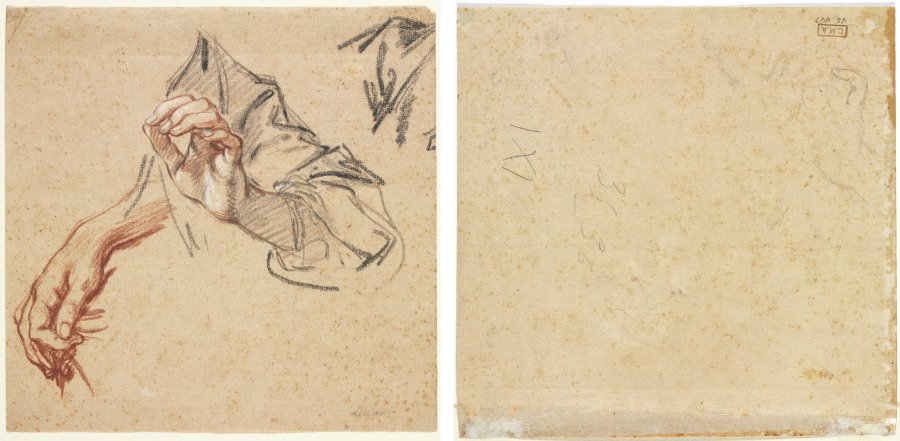 Pierre Lenfant (French, 1704–1787) — Study of Hands (recto);
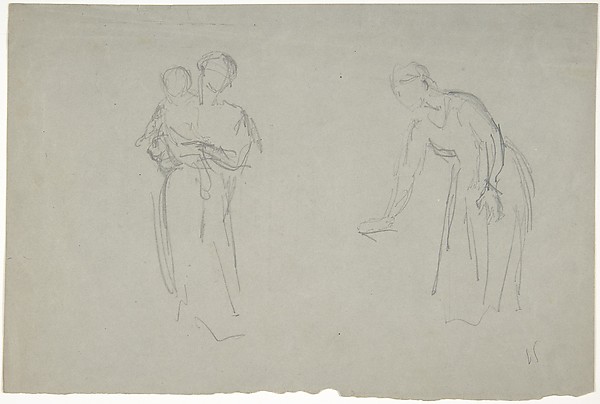 Narcisse-Virgile Diaz de la Peña — Mother and Child and a Fe
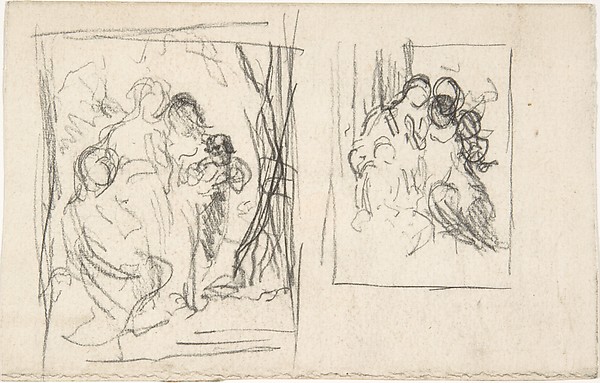 Narcisse-Virgile Diaz de la Peña — Two studies for a figure