In the collection of Cleveland Museum of Art, Cleveland — check current display status with the museum.
FROM THE CLEVELAND MUSEUM OF ART’S CATALOG
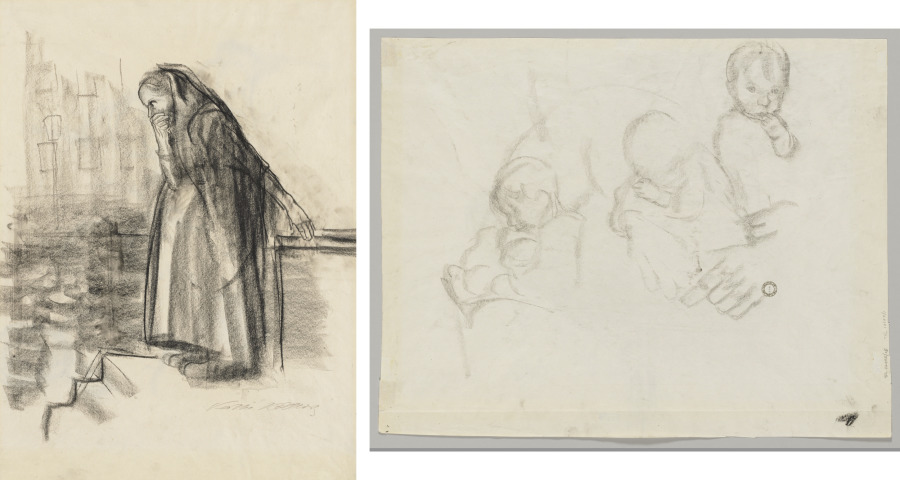
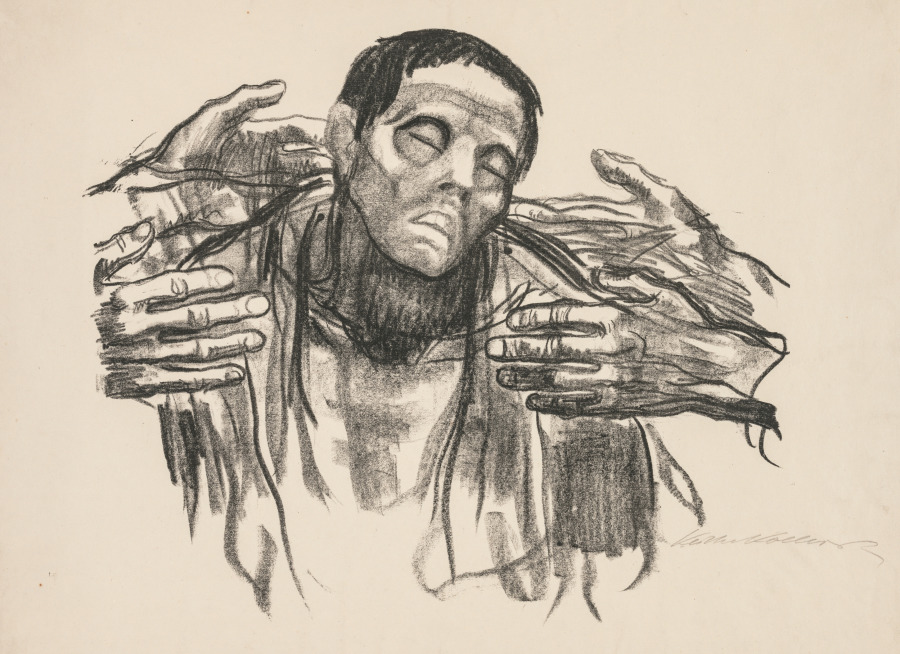
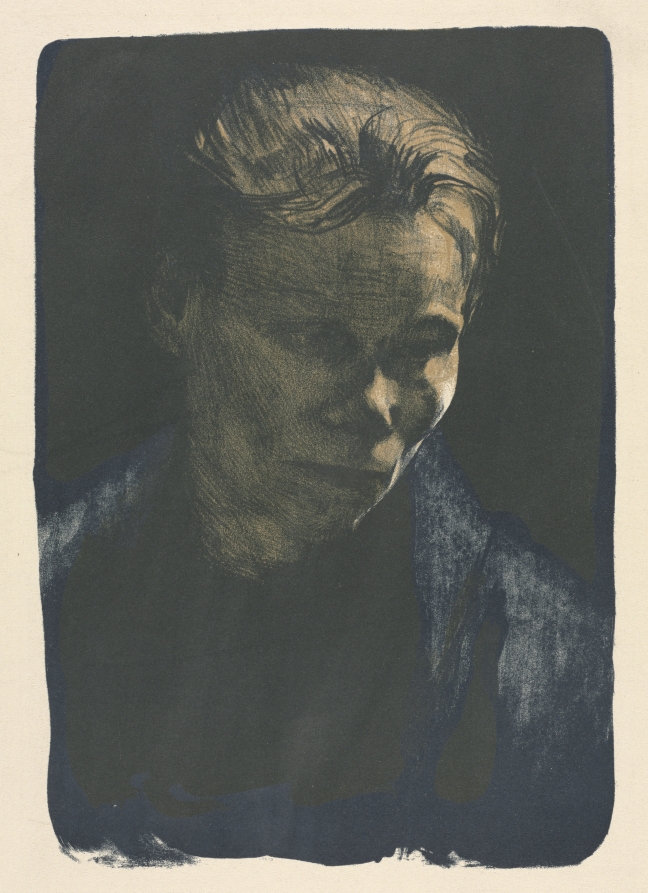
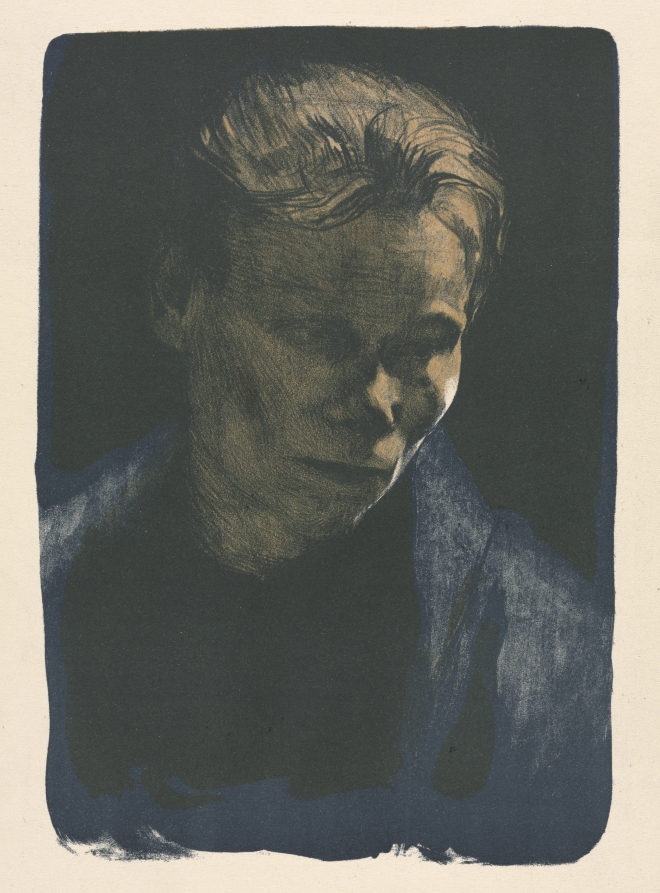
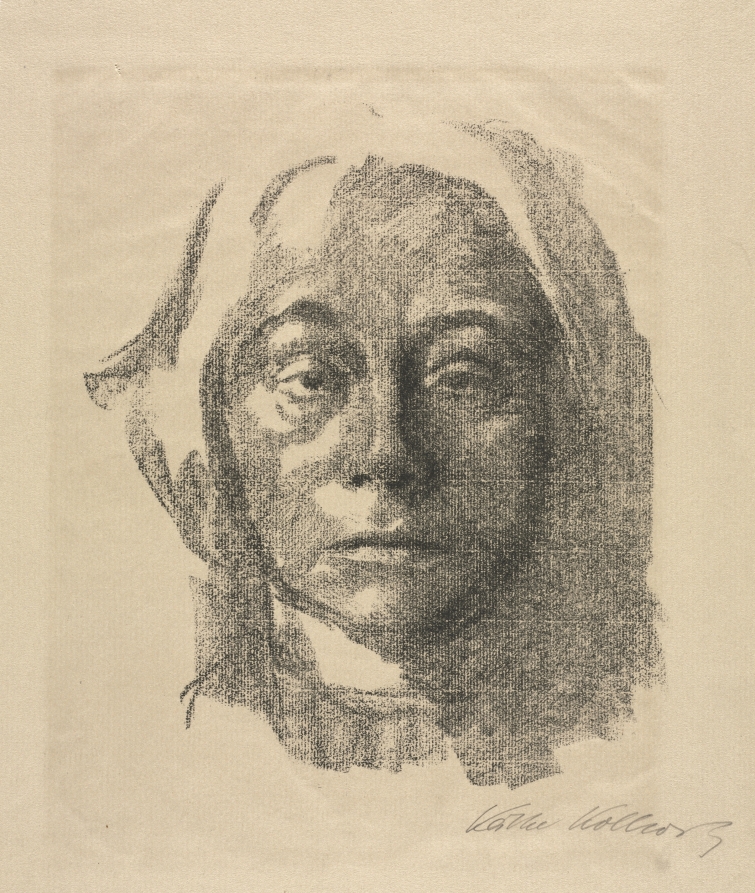
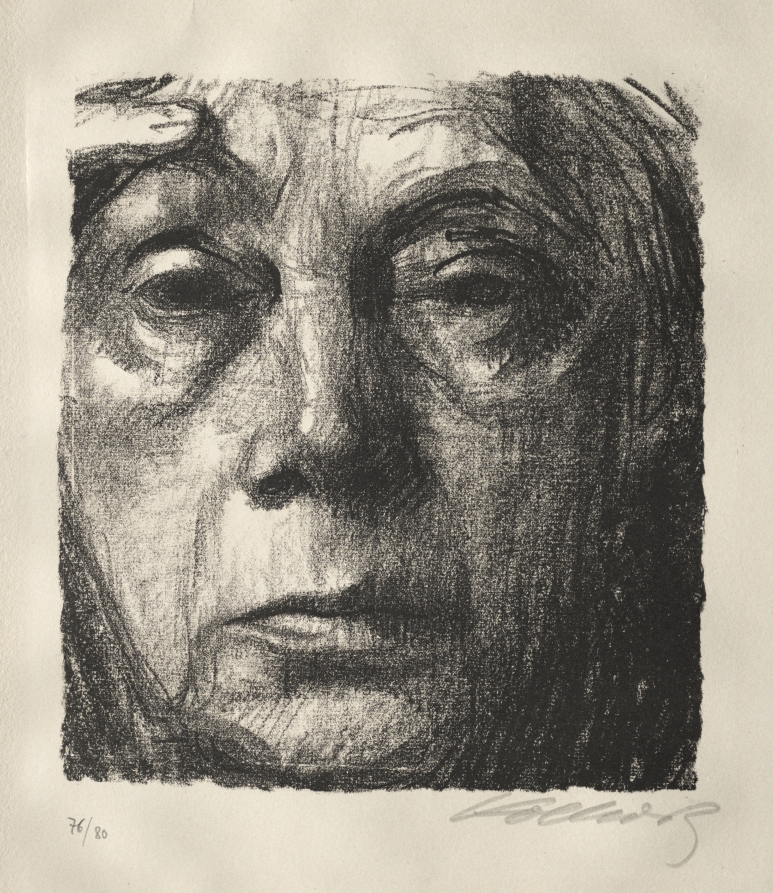
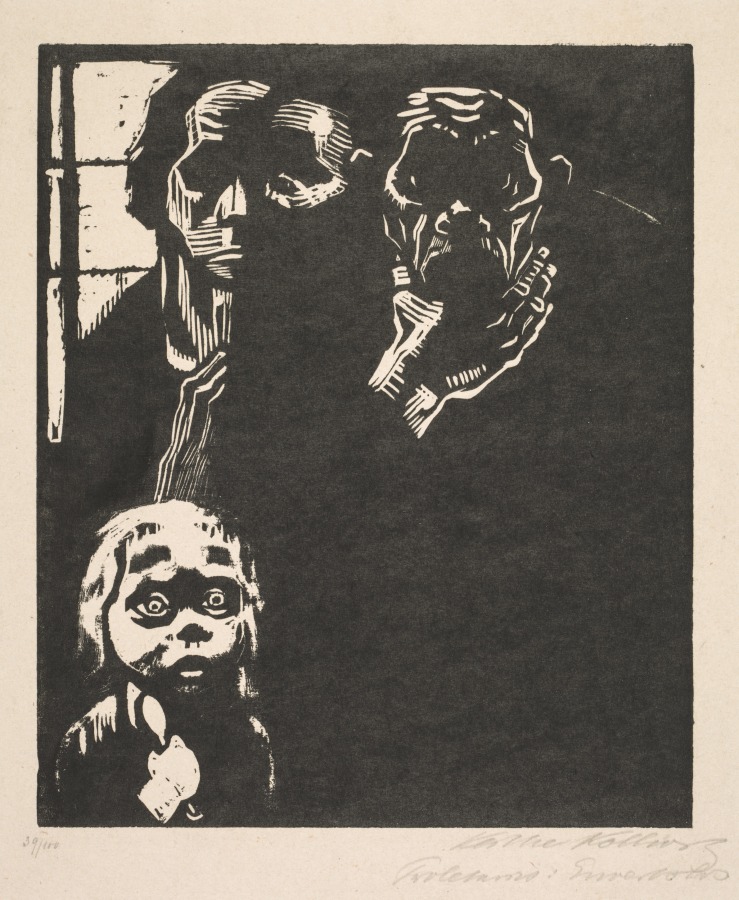
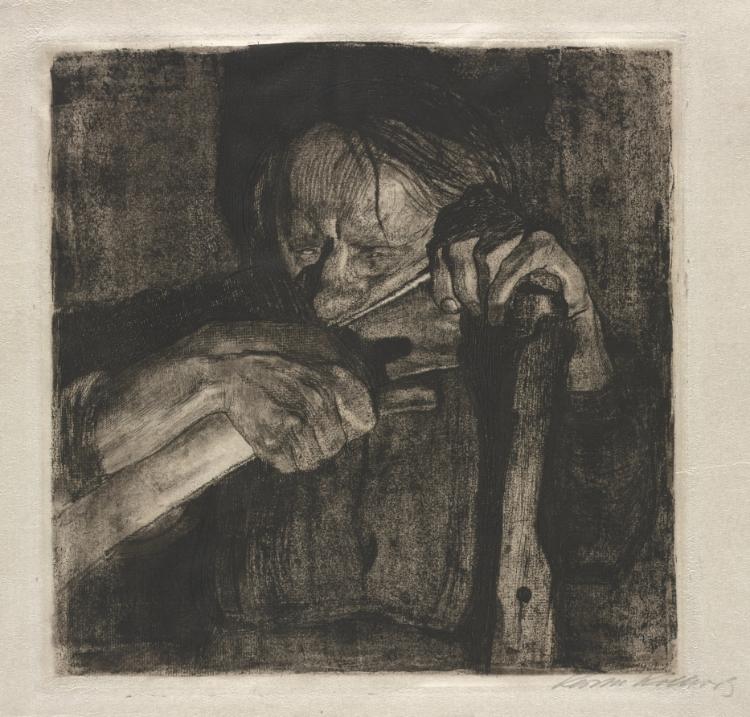
Working in a frank but emotional naturalistic style far different from that of her contemporaries, Käthe Kollwitz depicted a pregnant woman who stands as a universal symbol of human grief. Just a few bold strokes of crayon relay the woman’s despair. After World War I, Kollwitz’s work focused on the sorrows of those left behind: the children, widows, and mothers who underwent loss, physical neglect, and economic hardship. Her focus on grief and despair in this and other works emerged especially after her youngest son, Peter, was killed in the first months of the war.
Be the first to share your thoughts.
Sign in to join the discussion.
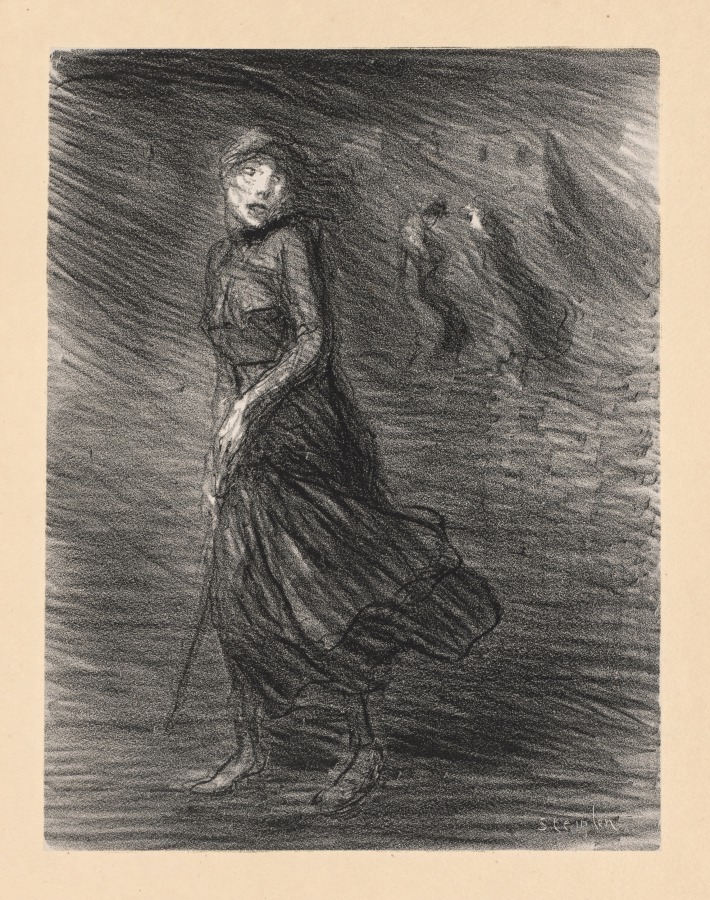 Théophile Alexandre Steinlen (Swiss, 1859–1923) — In the Str
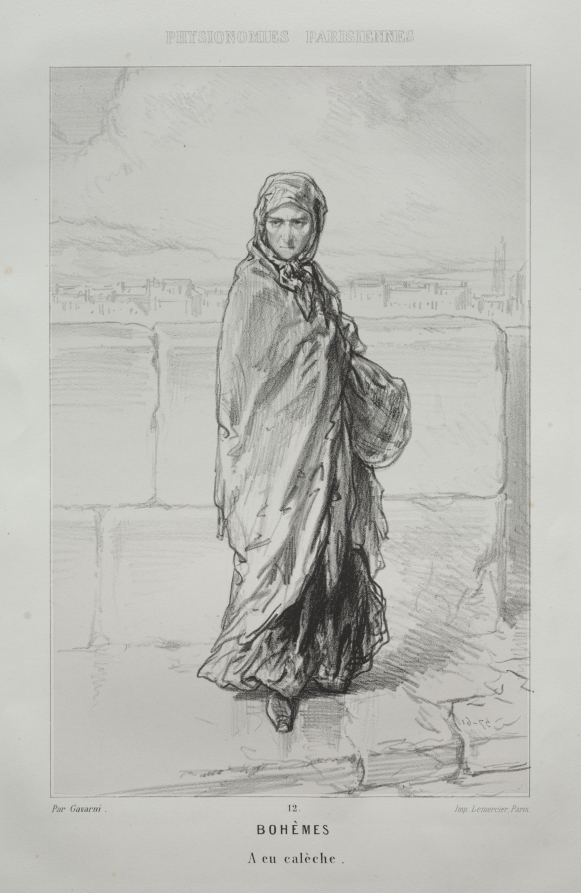 Paul Gavarni (French, 1804–1866) — Bohèmes
 George Hendrik Breitner — Schevenings meisje aan de wastobbe
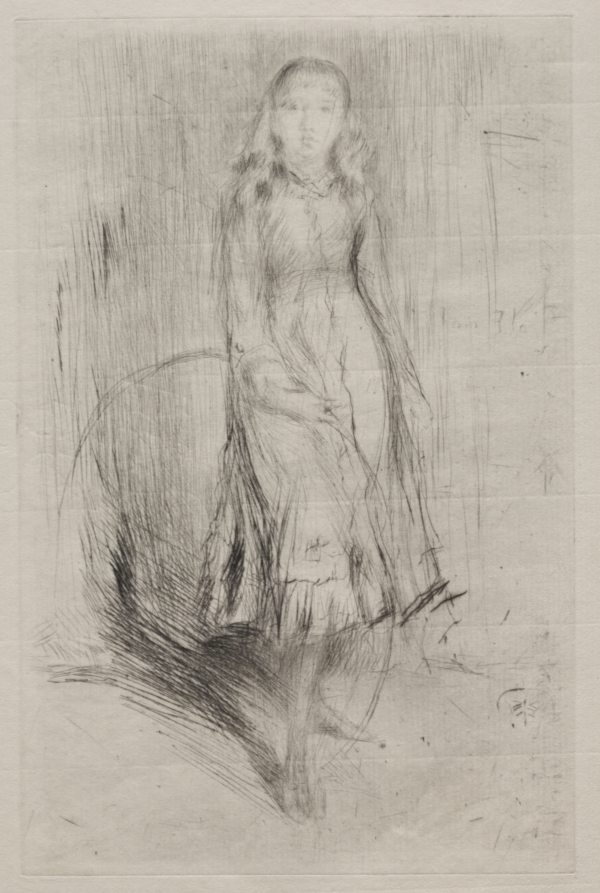 James McNeill Whistler (American, 1834–1903) — Florence Leyl
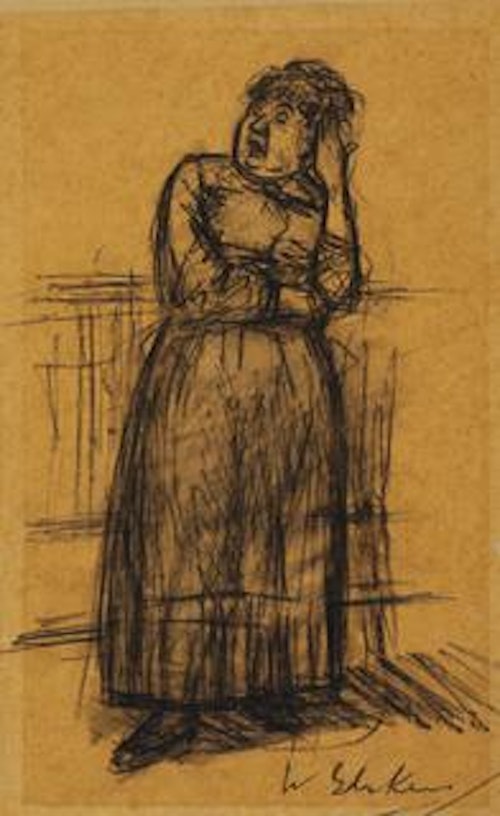 William Glackens — A Party Has a Right to Add More Tong to T
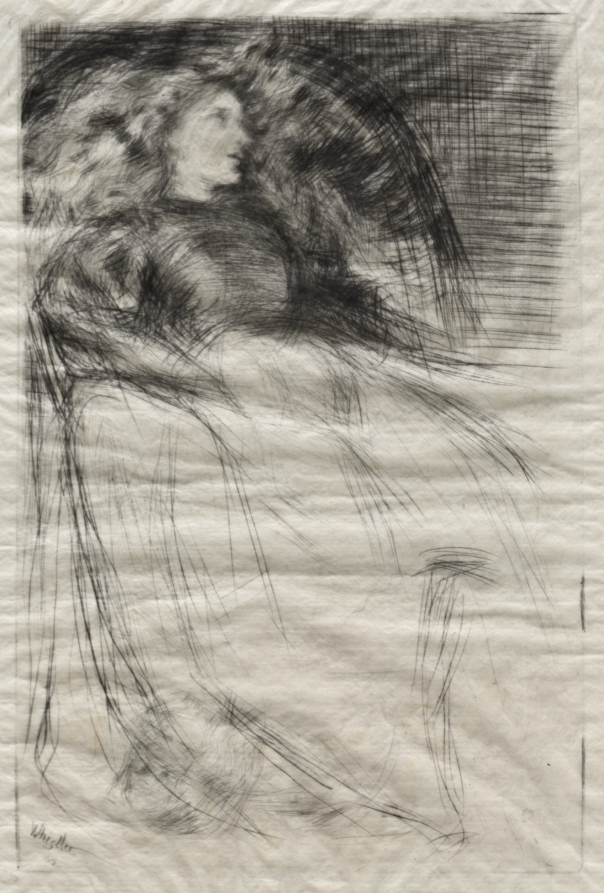 James McNeill Whistler (American, 1834–1903) — Weary
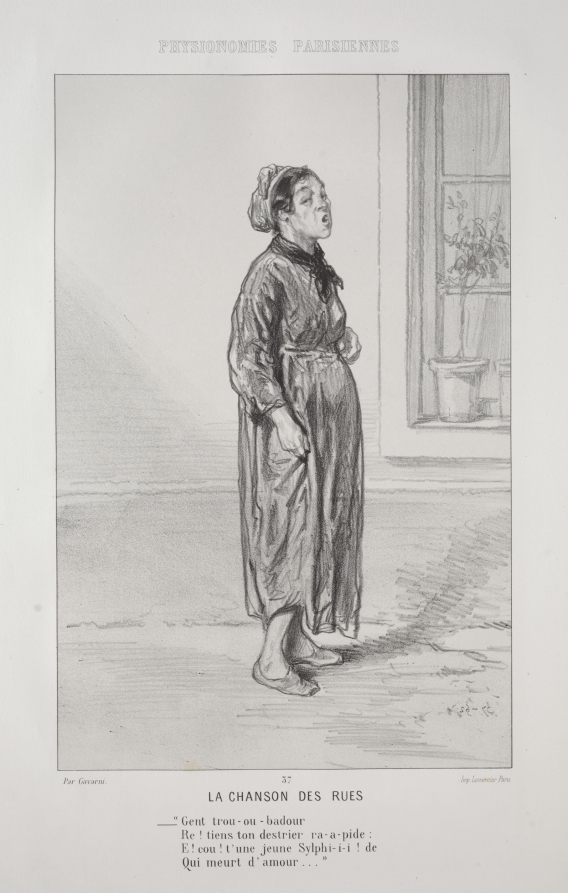 Paul Gavarni (French, 1804–1866) — La Chanson des Rues
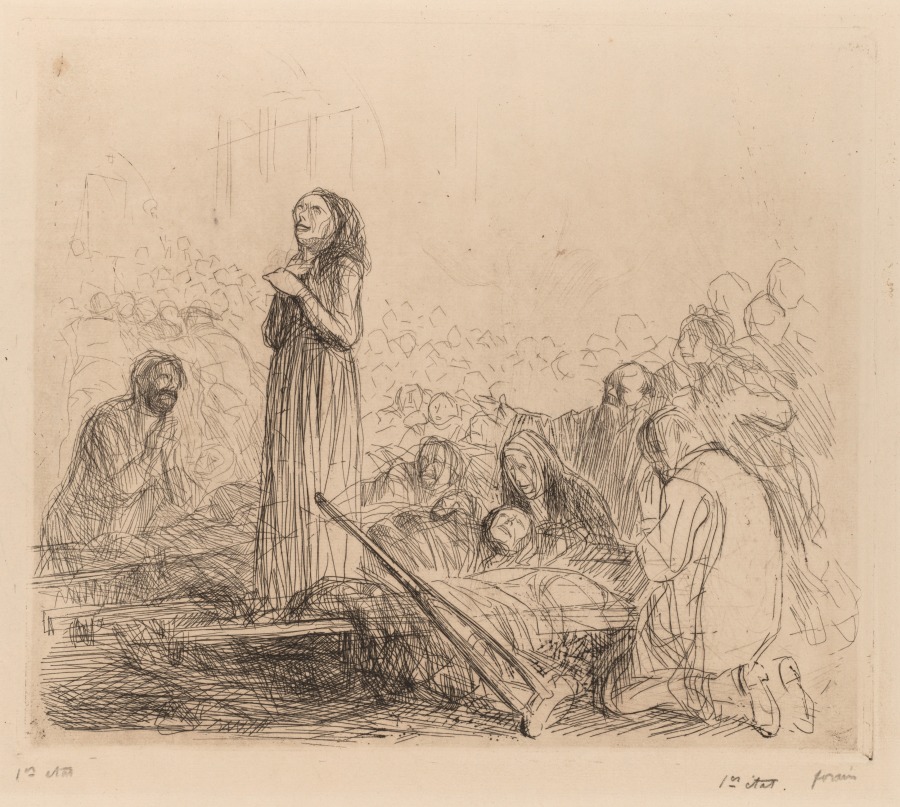 Jean Louis Forain (French, 1852–1931) — The Miracle before t
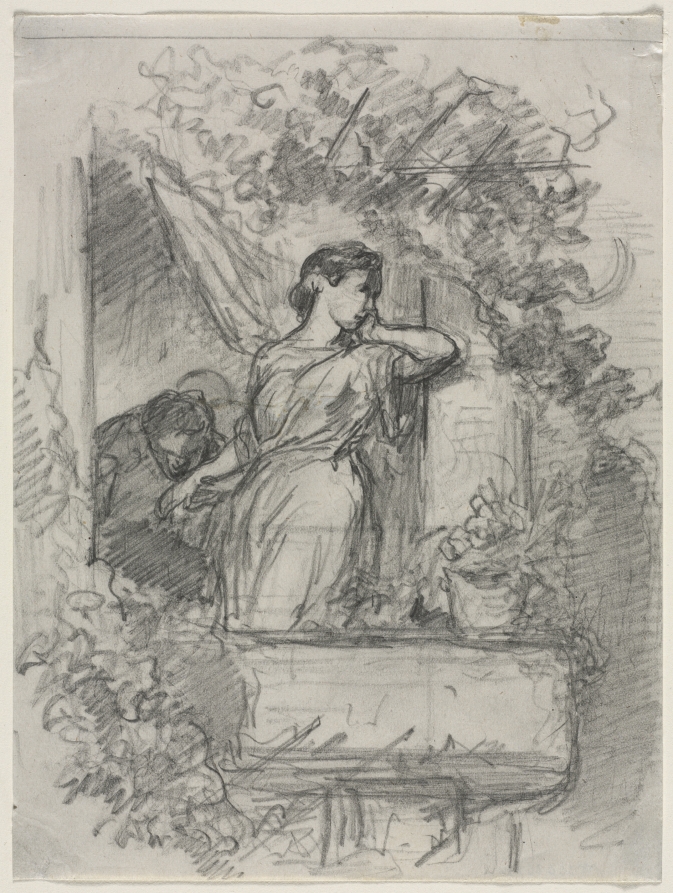 Célestin François Nanteuil (French, 1813–1873) — On the Balc
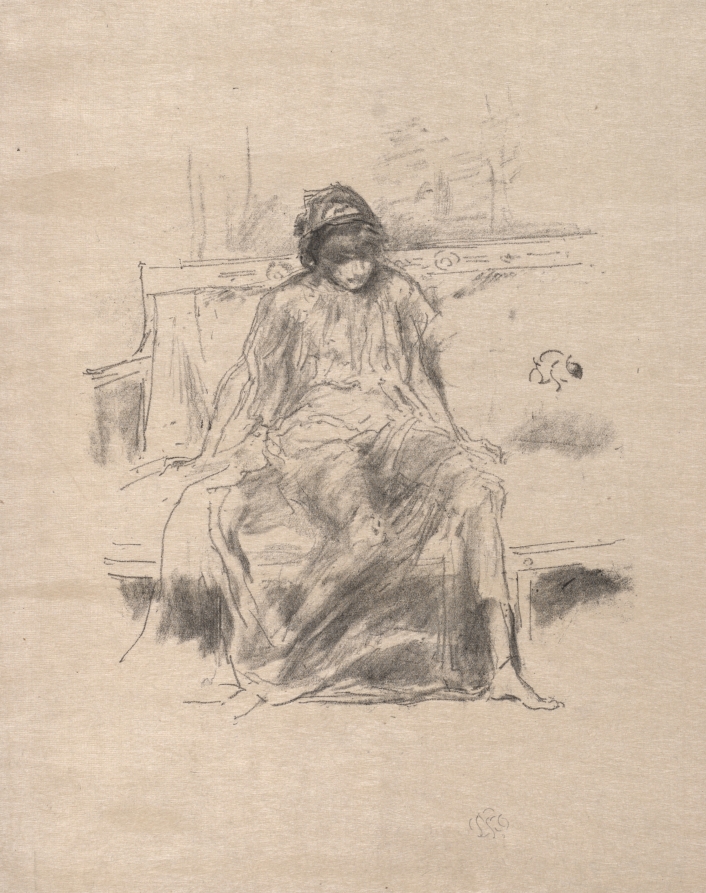 James McNeill Whistler (American, 1834–1903) — The Draped Fi
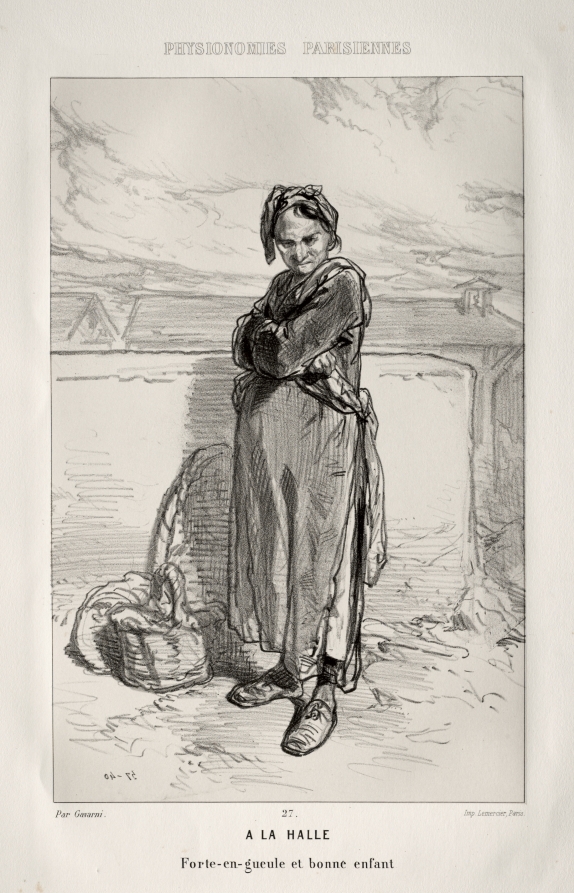 Paul Gavarni (French, 1804–1866) — À la Halle
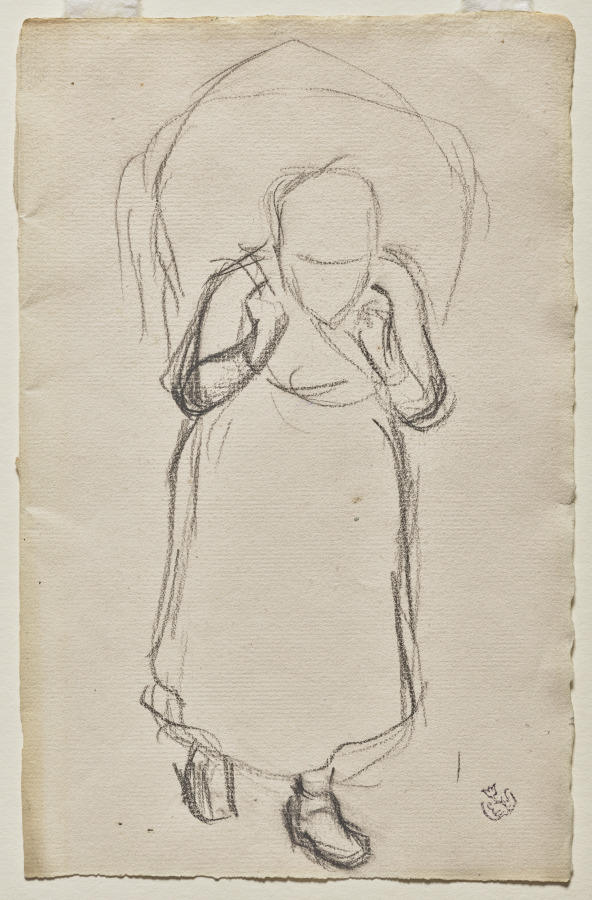 Claude-Emile Schuffenecker (French, 1851–1934) — Study for "