In the collection of Cleveland Museum of Art, Cleveland — check current display status with the museum.
FROM THE CLEVELAND MUSEUM OF ART’S CATALOG
Some buildings in Paris illustrate multiple layers of French history. This entrance was once part of the Château d’Anet, built in 1548–50 in northern France by King Henri II for his mistress. This section of the facade was rescued from a campaign during the French Revolution to destroy symbols of the former monarchy. It was moved to Paris to a repository of cultural artifacts and later incorporated into a renovation and expansion of the buildings housing the national school for fine arts, the Beaux-Arts de Paris, where it remains to this day.
Be the first to share your thoughts.
Sign in to join the discussion.
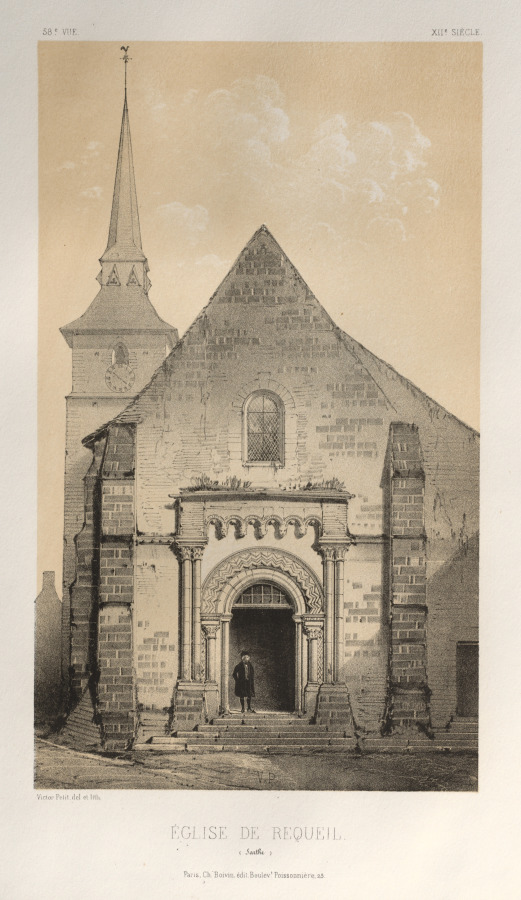 Victor Petit (French, 1817–1874) — Architecture Pittoresque
 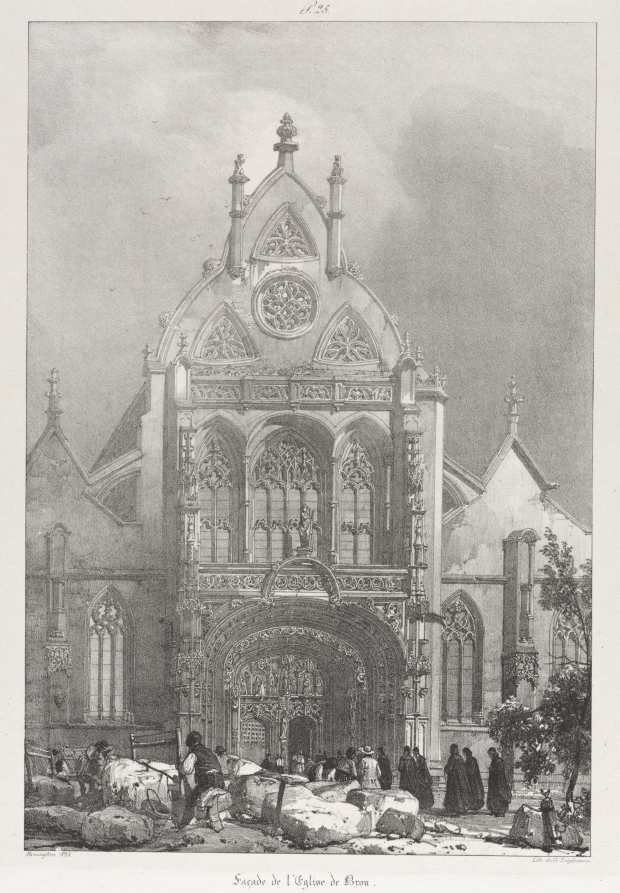 Richard Parkes Bonington (British, 1802–1828) — Picturesque
 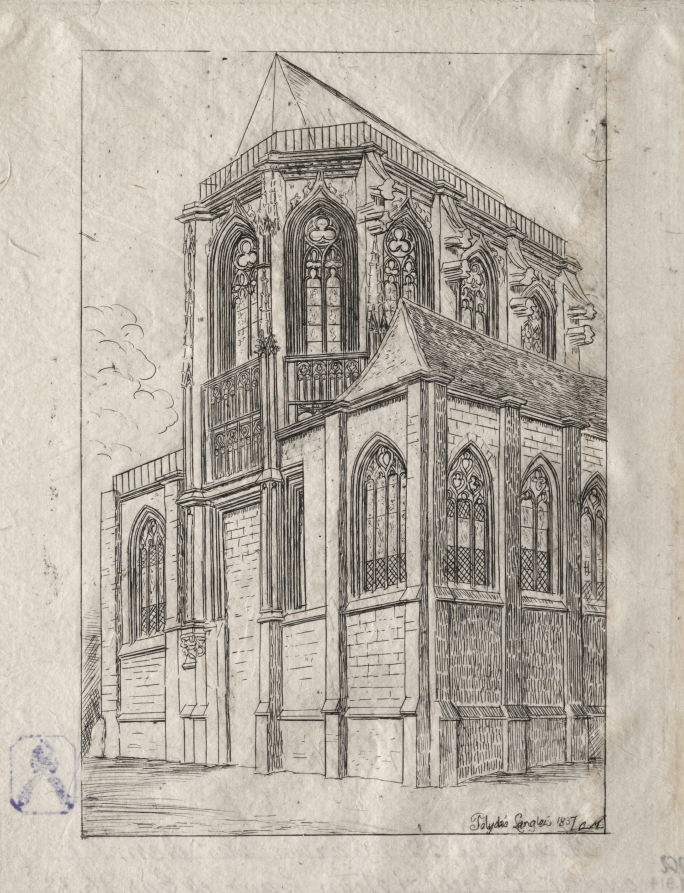 Charles Meryon (French, 1821–1868) — The Apse of the Church
 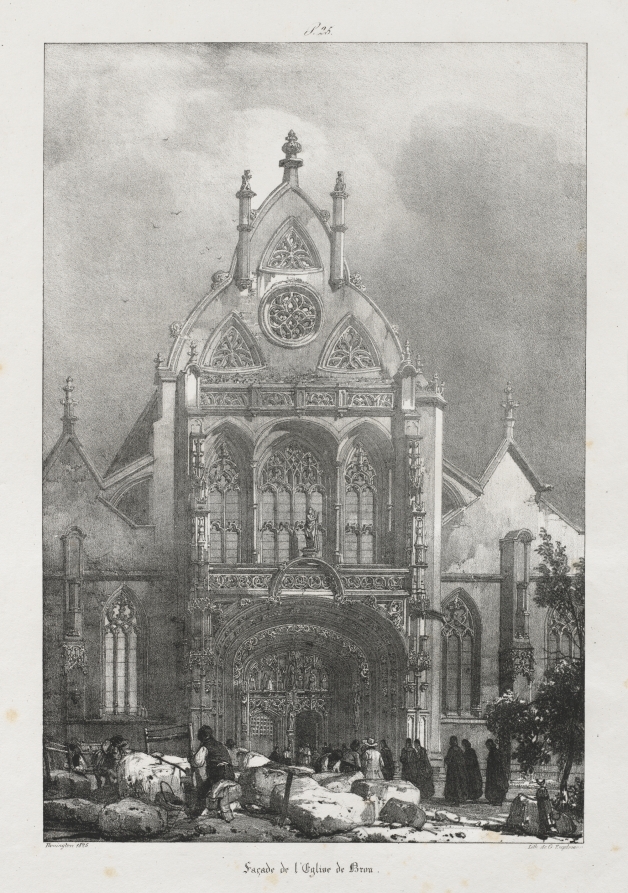 Richard Parkes Bonington (British, 1802–1828) — Voyages pitt
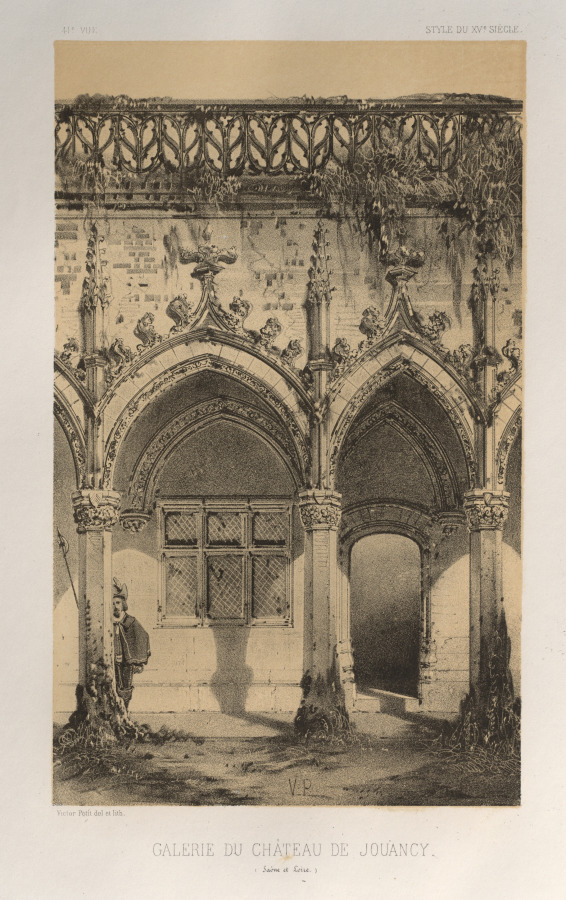 Victor Petit (French, 1817–1874) — Architecture Pittoresque
 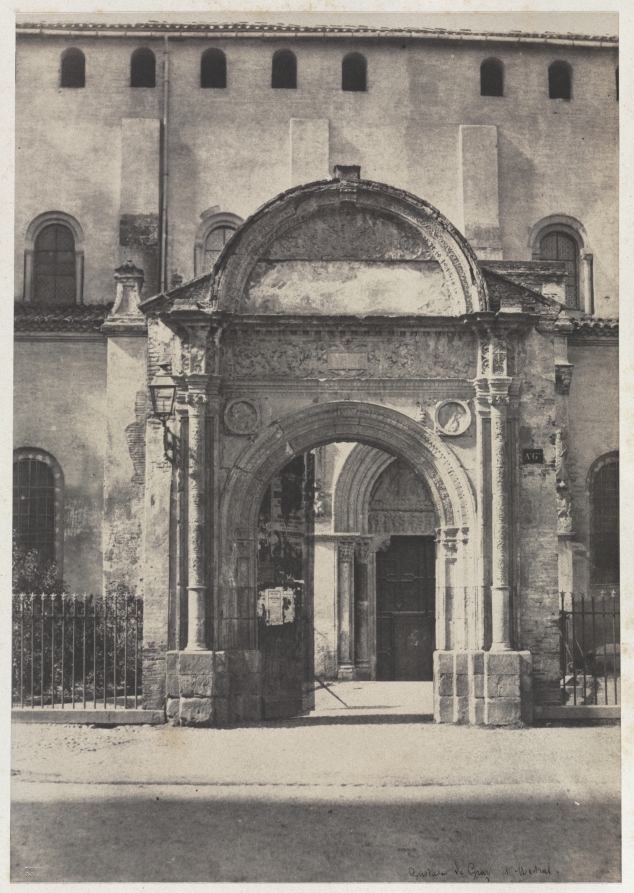 Auguste Mestral (French, 1812–1884) — Porte Bachelier, Eglis
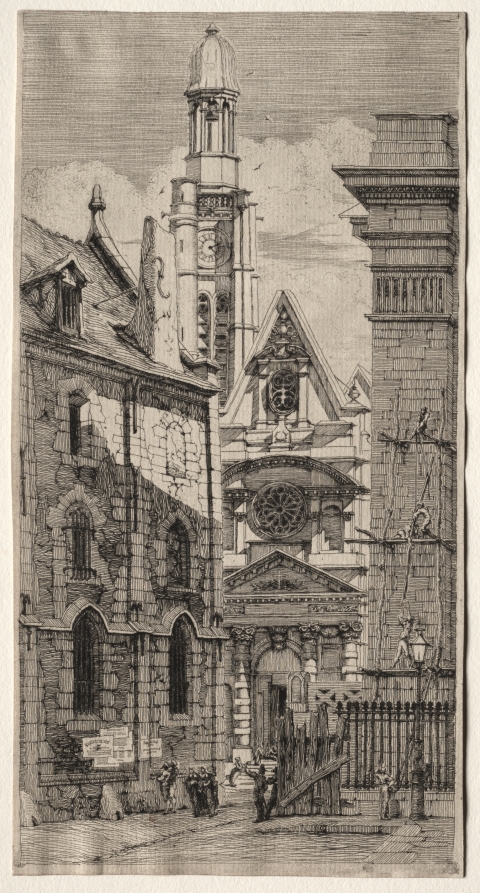 Charles Meryon (French, 1821–1868) — Etchings of Paris: Chu
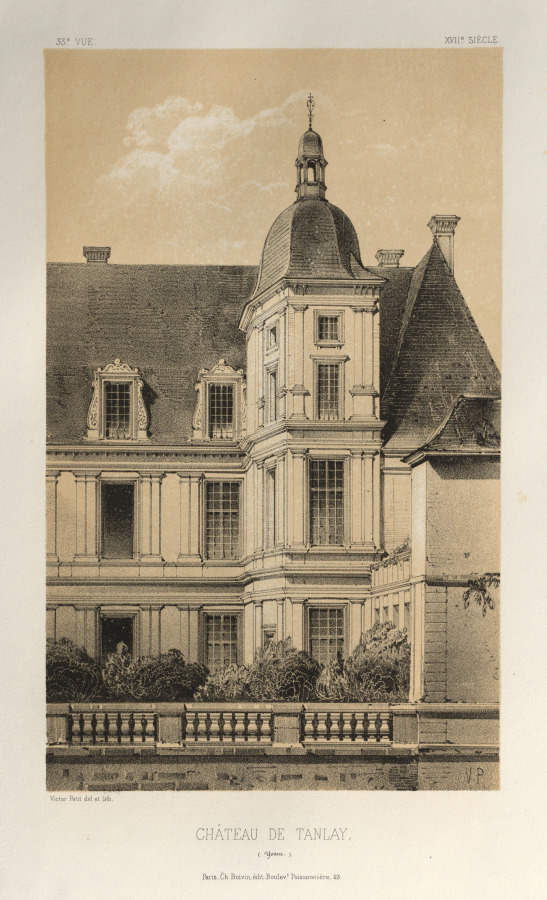 Victor Petit (French, 1817–1874) — Architecture Pittoresque
 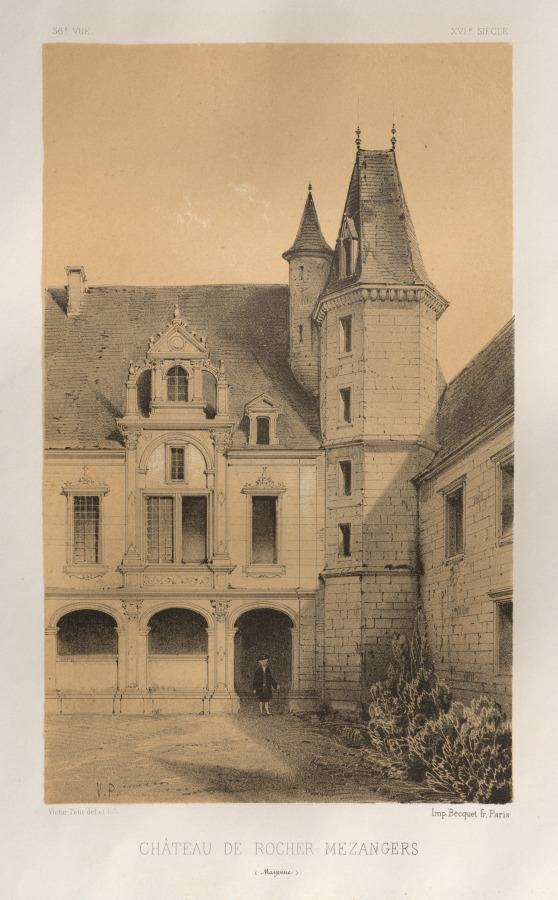 Victor Petit (French, 1817–1874) — Architecture Pittoresque
 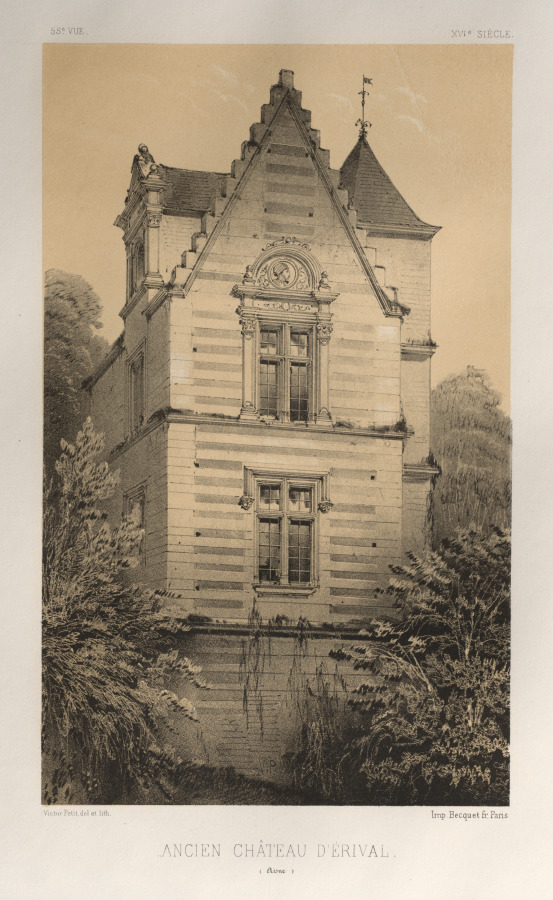 Victor Petit (French, 1817–1874) — Architecture Pittoresque
 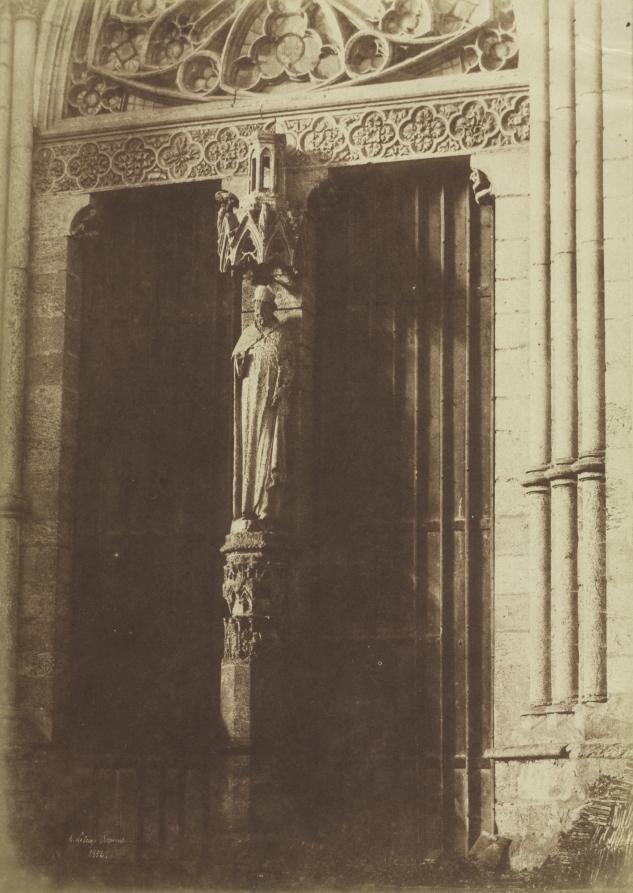 Henri Le Secq (French, 1818–1882) — Amiens, Northern Façade
 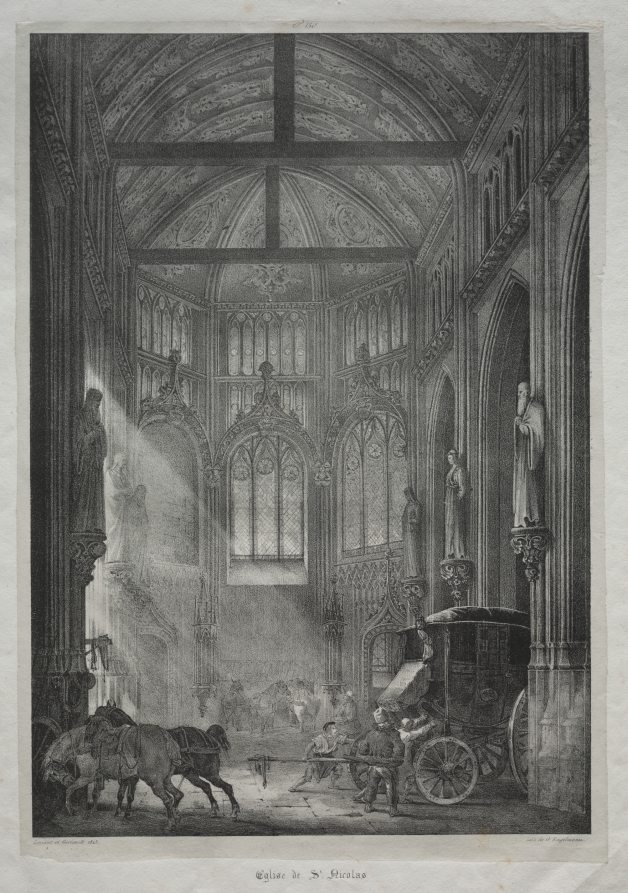 Charles Louis Lesaint (French, 1795–after 1843) — Church of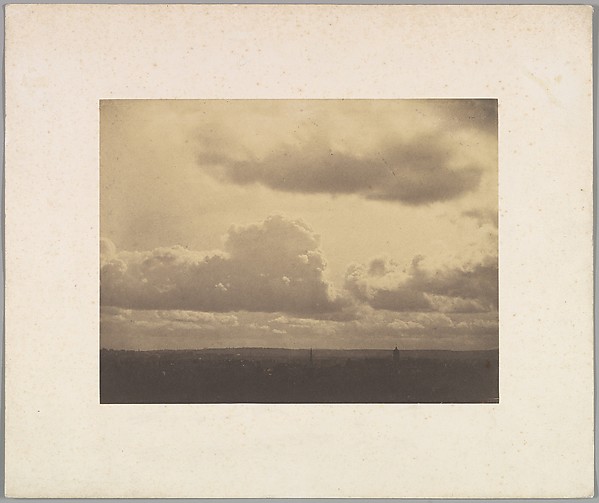
![[Cloud Study over Paris]](https://images.metmuseum.org/CRDImages/ph/web-large/DP273004.jpg)
![[Rue de Constantine]](https://images.metmuseum.org/CRDImages/ph/web-large/DP278779.jpg)