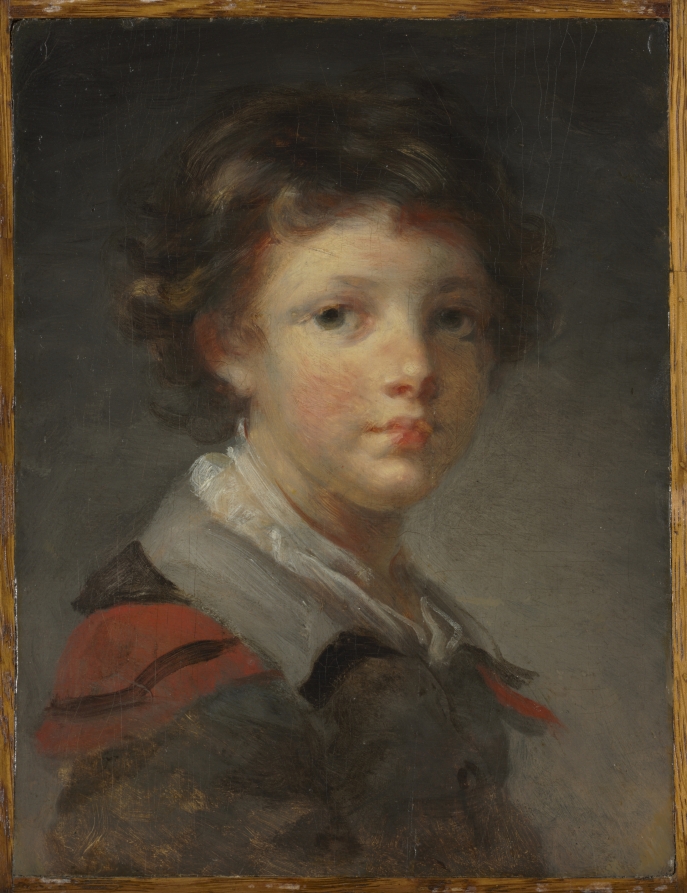
In the collection of Cleveland Museum of Art, Cleveland — check current display status with the museum.
FROM THE CLEVELAND MUSEUM OF ART’S CATALOG
Jean-Honoré Fragonard made these four etchings shortly after returning to Paris from Italy, where he studied antique subjects and sculpture. He may have also looked at other sources for inspiration, such as Jacques François Joseph Saly’s suite of vase designs. Though the prints feature the followers of Bacchus, the wine god does not make an appearance. Instead, Fragonard highlighted the playfully erotic frolics, conflicts, and even family life of a group of bacchants, conceiving them as low-relief sculptures on stone fragments within abundant foliage. Fragonard’s creations helped to popularize revelries in nature in French art, architecture, and garden design during the later 1700s.
Be the first to share your thoughts.
Sign in to join the discussion.
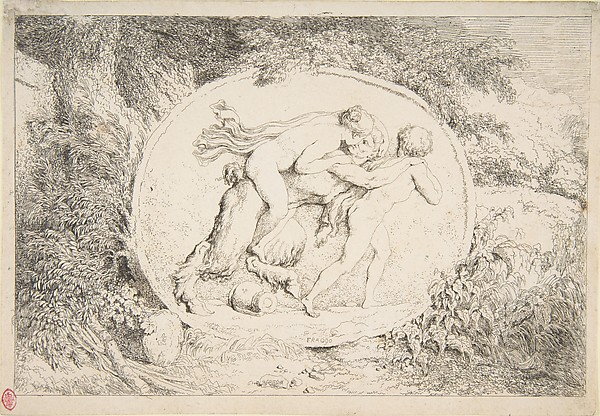 Jean Honoré Fragonard — A Young Girl Astride a Satyr
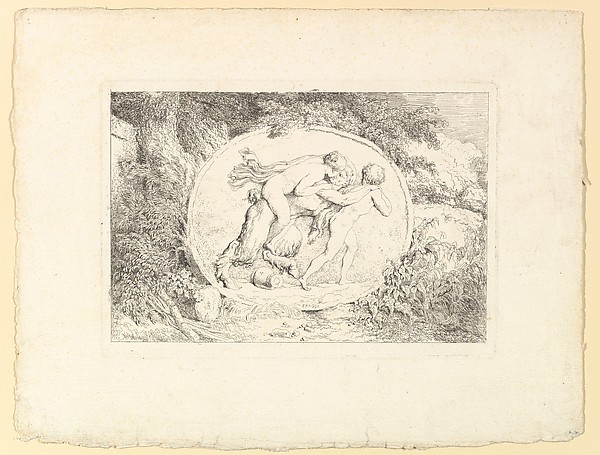 Jean Honoré Fragonard — Nymph Astride a Satyr
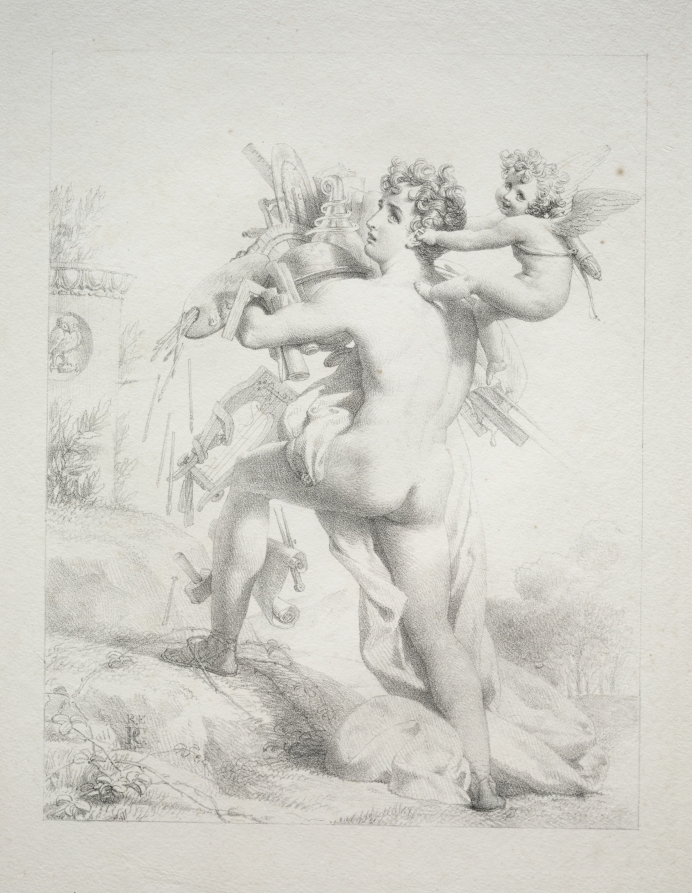 Pierre Guérin (French, 1774–1833) — Grasp All, Lose All
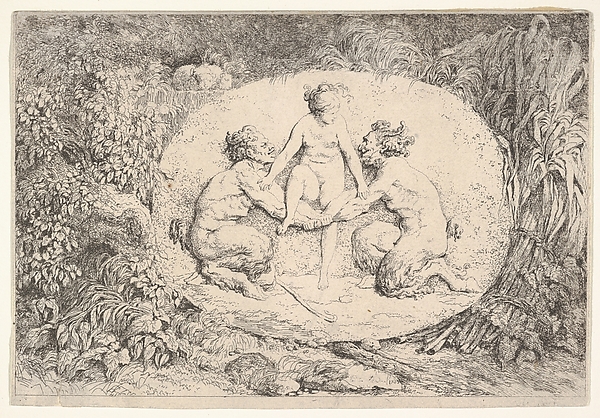 Jean Honoré Fragonard — Nymph Supported by Two Satyrs
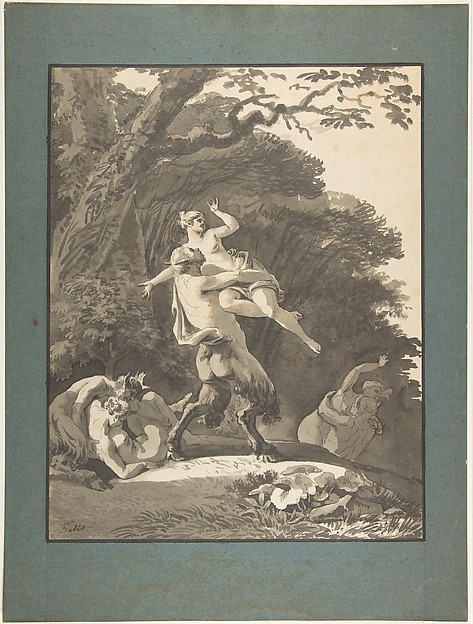 François Jean Sablet — Satyrs Abducting Nymphs
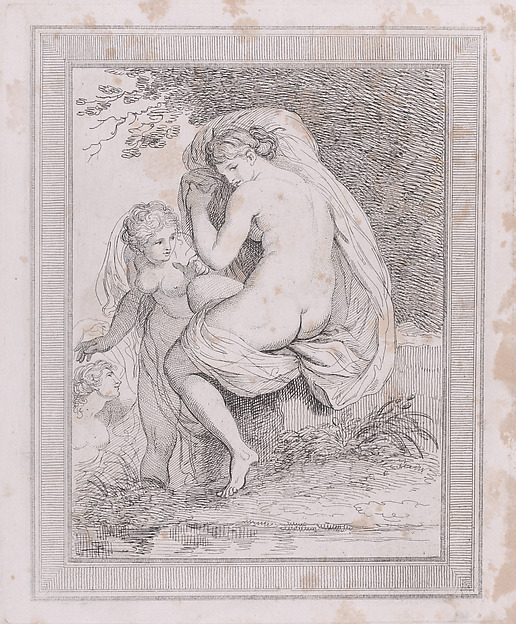 Giovanni Battista Cipriani|Francesco Bartolozzi|Thomas Rowla
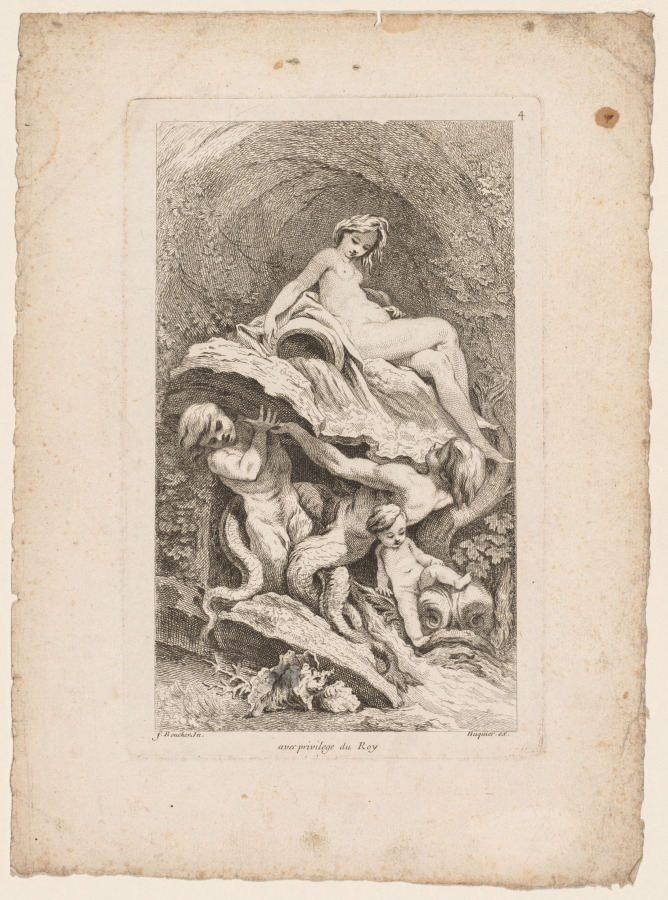 Gabriel Huquier (French, 1695–1772) — Book of Fountains: No
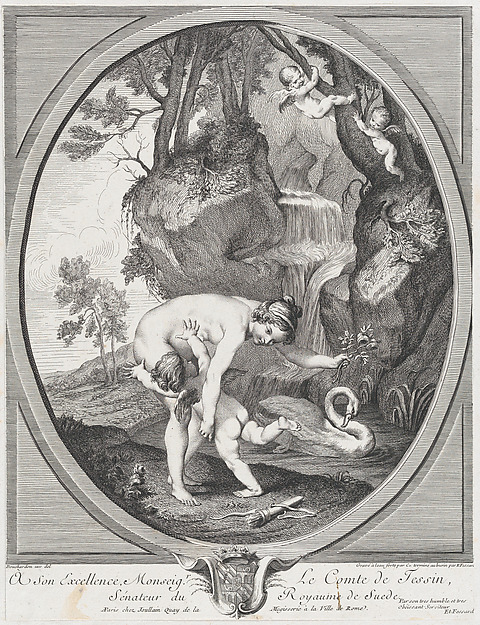 Edme Bouchardon|François Joullain|Etienne Fessard|Anne Claud
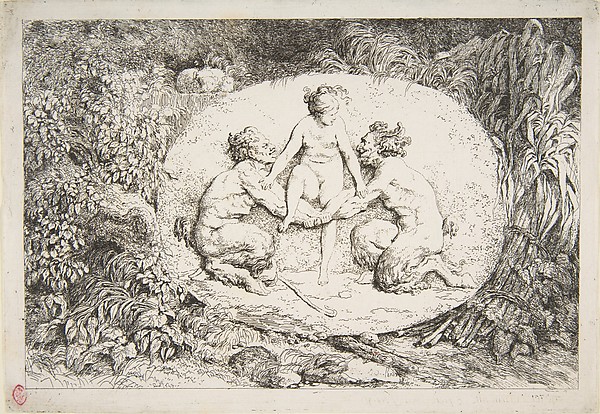 Jean Honoré Fragonard — Nymph Supported by Two Satyrs
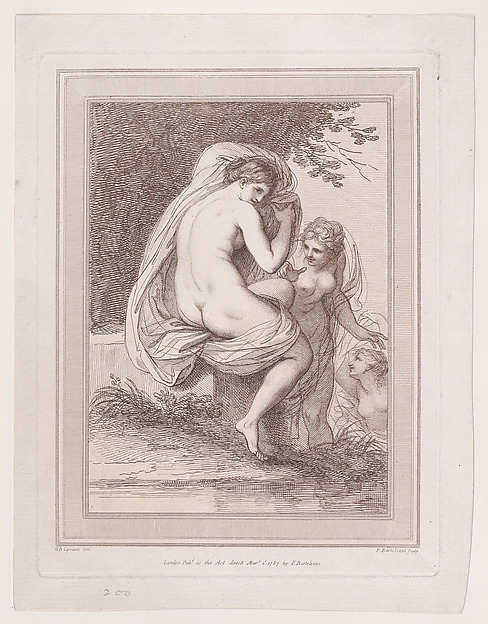 Francesco Bartolozzi|Giovanni Battista Cipriani|Francesco Ba
 Jean Honoré Fragonard — Nymph Supported by Two Satyrs
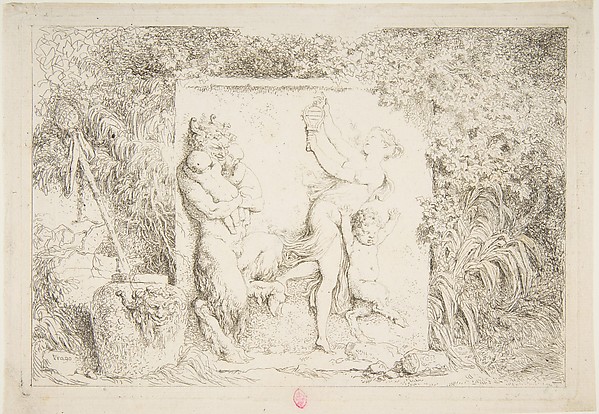 Jean Honoré Fragonard — Danse de satyres