View of Cotopaxi
SEE IT IN PERSON
● On view now — Gallery 161
Art Institute of Chicago, Chicago · verified July 2026
Discussion
FROM THE ART INSTITUTE OF CHICAGO’S CATALOG
View of Cotopaxi brings together in visual form scientific, religious, political, and cultural ideas in the mid-19th century. Inspired by German naturalist Alexander von Humboldt’s concept of ecological interconnectedness, Frederic Edwin Church traveled to South America to meticulously study the tropical landscape. The artist produced at least ten finished paintings of the Ecuadorian volcano, this one completed in his studio just before his second visit to the region. For Church and other Christian viewers, nature, with all its creative and destructive wonders, was evidence of divine power. The painting likewise reflected an imperialist vision, as US government officials eyed Latin America as a site for territorial expansion and conquest.
Be the first to share your thoughts.
Sign in to join the discussion.
More by Frederic Edwin Church
More like this
 Robert S. Duncanson (American, 1821–1872) — Vale of Kashmir
 Antoine Auguste Joseph Payen — De Grote Postweg bij Rajapola
 Agostino Brunias — View on the River Roseau, Dominica
 Achille-Etna Michallon — Waterfall at Mont-Dore
 Thomas Cole — New England Scenery
 Maurits E.H.R. van den Kerkhoff — Landscape in the Dutch Eas
 Robert S. Duncanson (American, 1821–1872) — View of Lake Pep
 Frans Jansz Post — Landscape in Brazil
 George Fennel Robson — Snowdon from Llyn Nantlle, North Wale
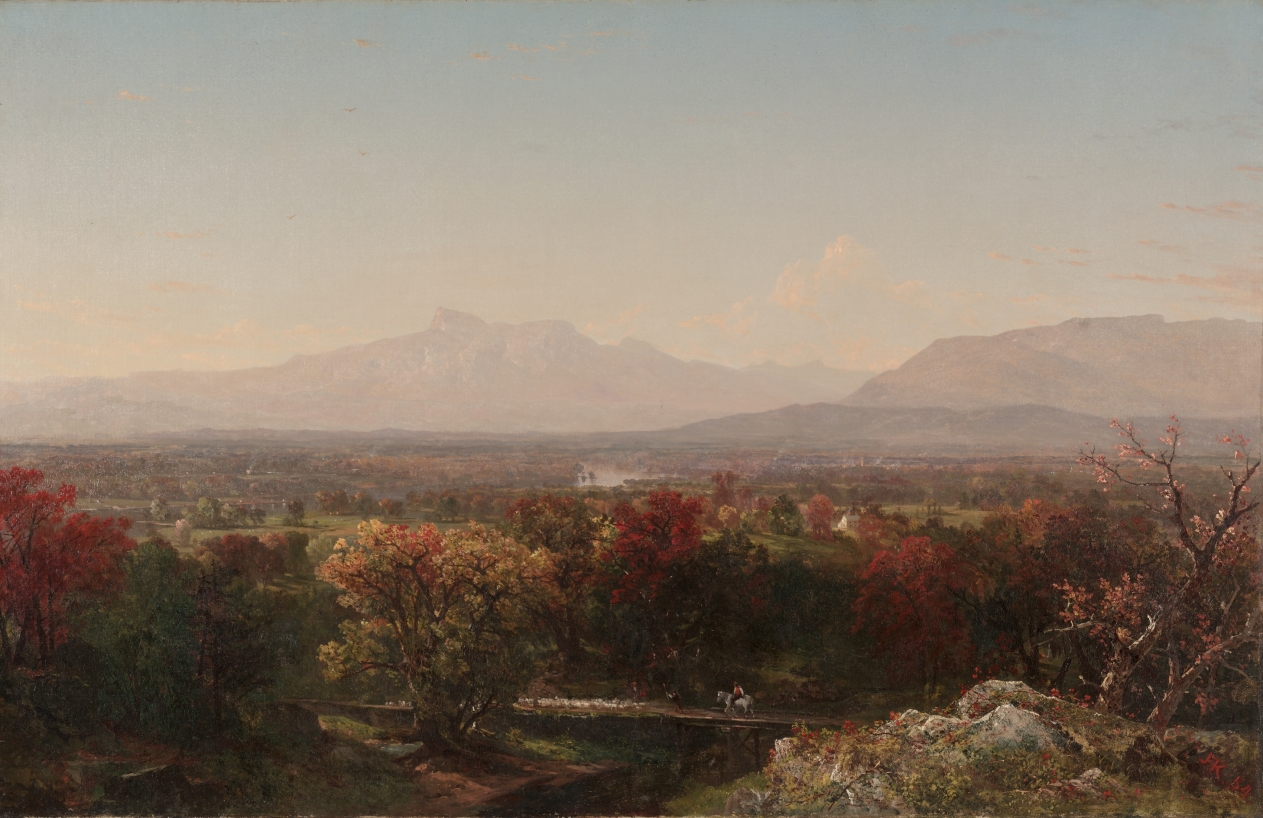 John Frederick Kensett (American, 1816–1872) — An October Da
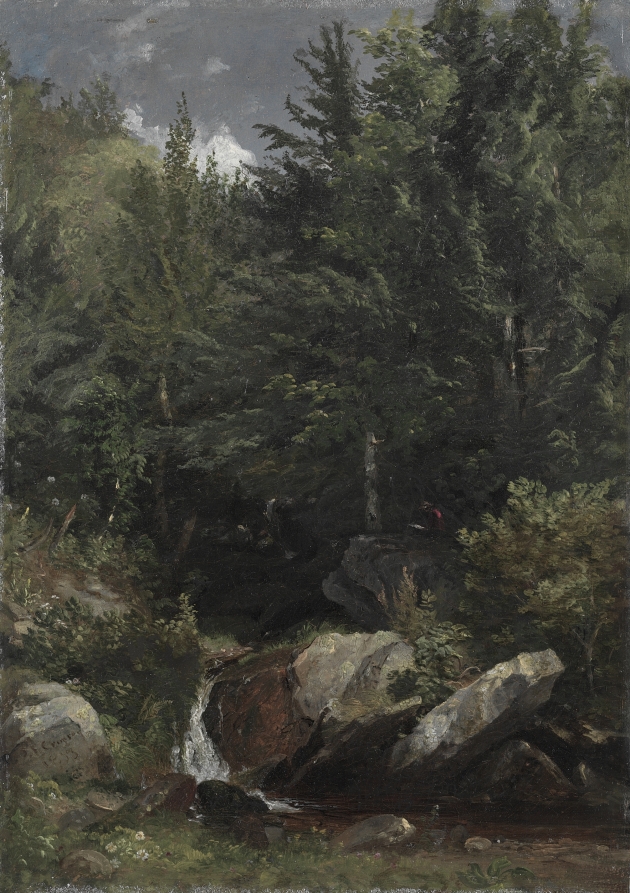 Jasper F. Cropsey (American, 1823–1900) — Trees and a Stream
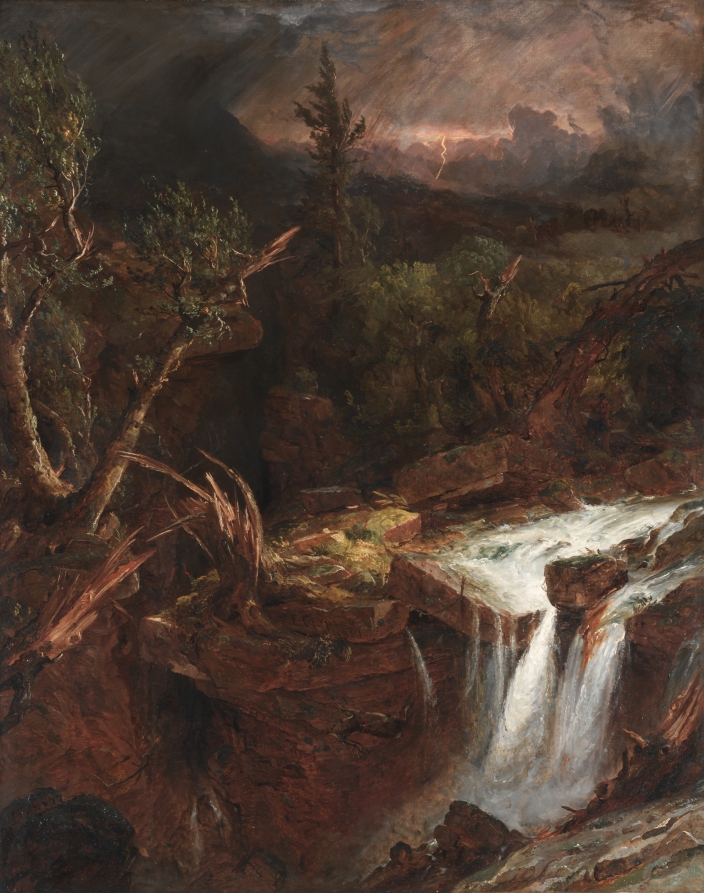 Jasper F. Cropsey (American, 1823–1900) — The Clove - A Stor