In the collection of Cleveland Museum of Art, Cleveland — check current display status with the museum.
FROM THE CLEVELAND MUSEUM OF ART’S CATALOG
Dürer based Adam’s pose on the Apollo Belvedere, a Roman sculpture discovered in Italy during the late 1400s. He constructed the idealized bodies of Adam and Eve using geometry and a mathematical system of proportion loosely derived from ancient models. For Dürer, who mostly depicted Christian subjects, the creation of theoretically perfect human bodies was a pathway to comprehending the divine. He thus represented Adam and Eve as he understood them in both theological and artistic terms: moments before tasting the forbidden fruit, they are still uncorrupted by sin and death, existing in a state of faultless beauty.
Be the first to share your thoughts.
Sign in to join the discussion.
 Albrecht Dürer — Adam and Eve
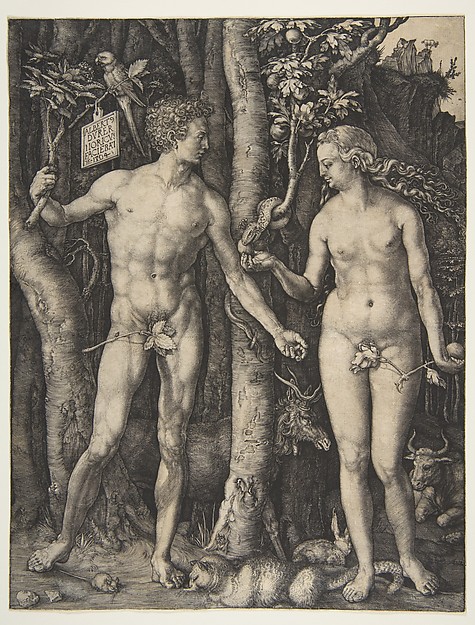 Albrecht Dürer — Adam and Eve
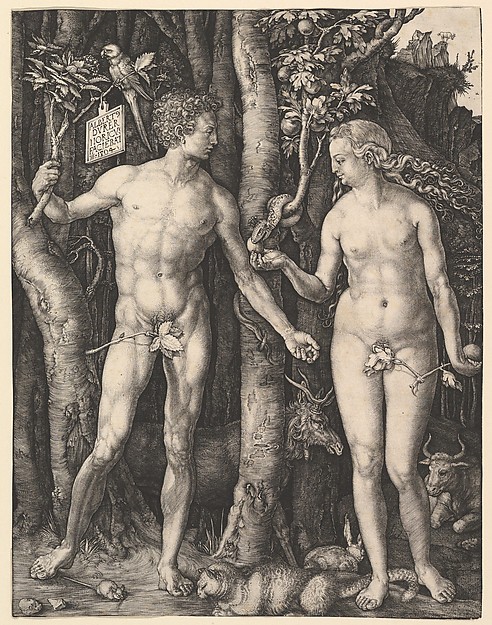 Albrecht Dürer — Adam and Eve
 Albrecht Dürer — Adam and Eve
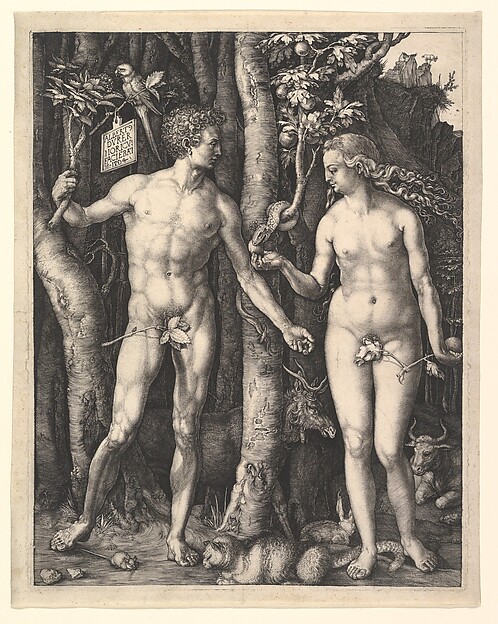 Albrecht Dürer — Adam and Eve
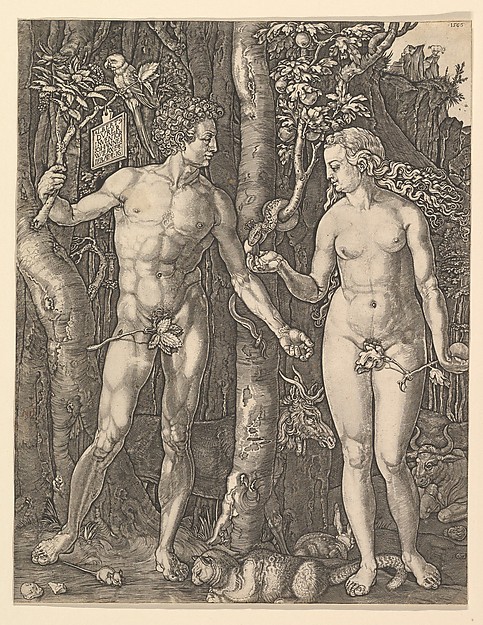 Jan (Johannes) Wierix|Albrecht Dürer — Adam and Eve
 Jan (Johannes) Wierix|Albrecht Dürer — Adam and Eve (copy)
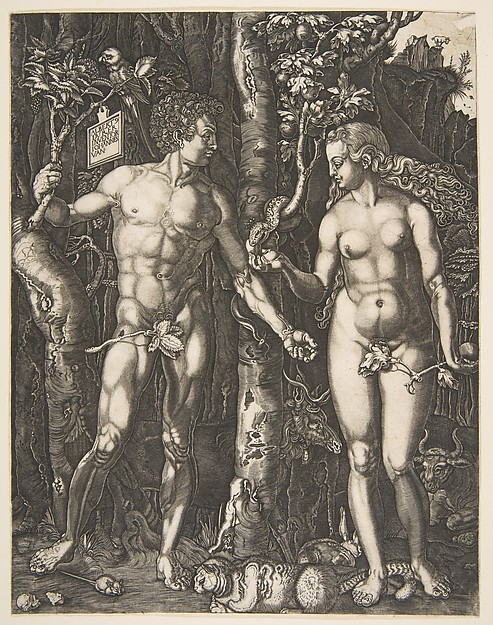 Albrecht Dürer — Adam and Eve
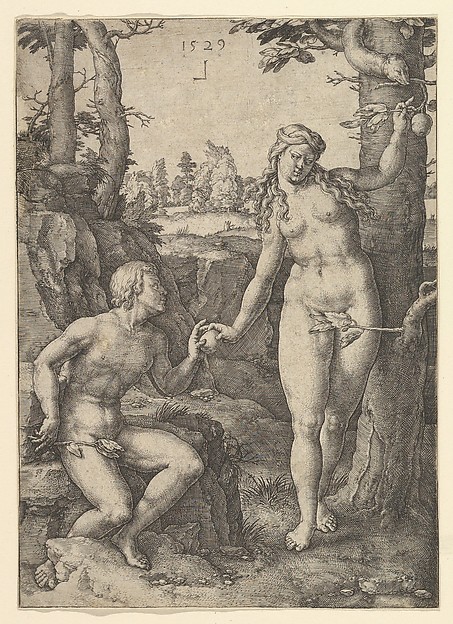 Lucas van Leyden — Fall of Man
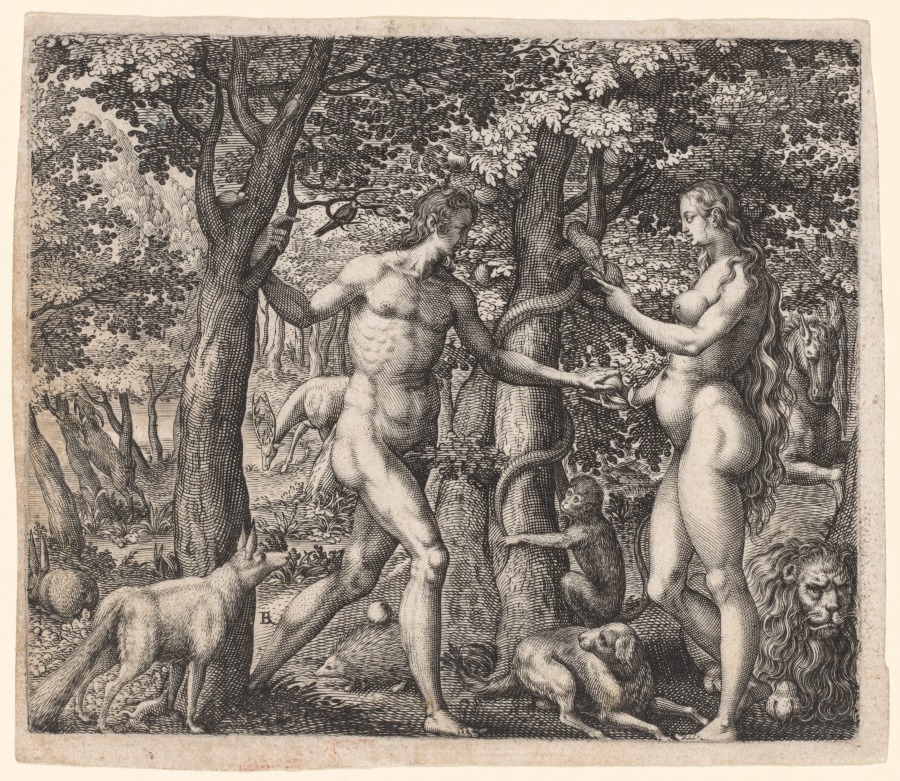 Robert Boissard (French, 1570–after 1603) — Adam and Eve
 Lucas van Leyden — Sin of Adam and Eve
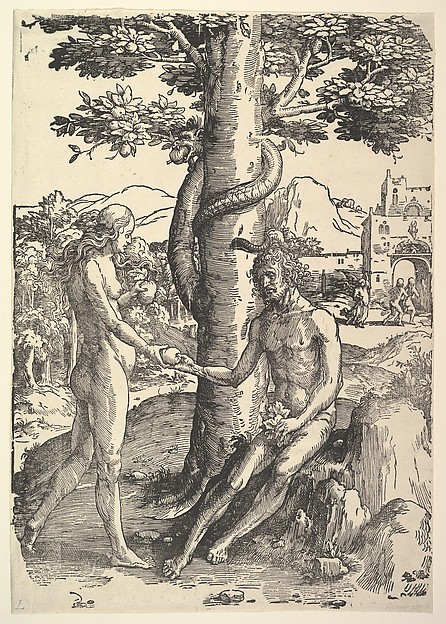 Lucas van Leyden — Fall of Man (Adam and Eve)
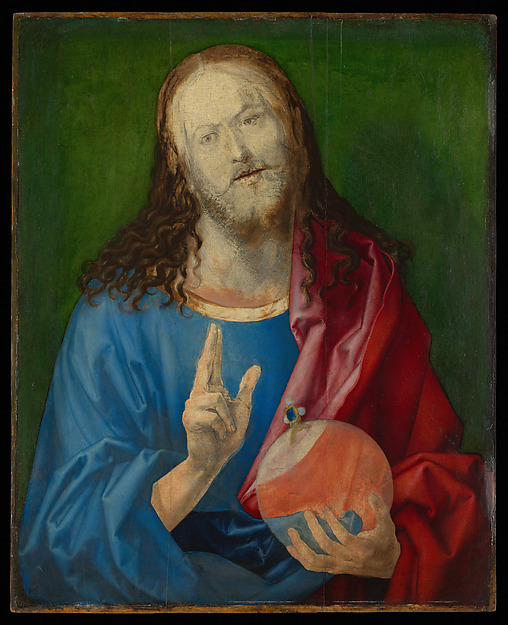
![Madonna and Child [obverse]](https://api.nga.gov/iiif/878db7e6-10ae-4cae-ba5d-6d6f5c413ae8/full/!500,500/0/default.jpg)
![Lot and His Daughters [reverse]](https://api.nga.gov/iiif/7565a449-f82a-414b-9bda-c93f55a51b4d/full/!500,500/0/default.jpg)