Plaque Depicting a Ram
SEE IT IN PERSON
● On view now — Gallery 50
Art Institute of Chicago, Chicago · verified July 2026
Discussion
FROM THE ART INSTITUTE OF CHICAGO’S CATALOG
The two sets of horns on this exemplary portrayal of a ram reflect ancient Egyptian sculptors’ simultaneous close observation of nature and strict adherence to artistic tradition. The elongated corkscrew horns atop the ram’s head belong to a species that was already long extinct when this plaque was carved. Rather than abandoning the conventional representation of this animal, artists added a set of curved horns to reflect the appearance of contemporary rams. On similar plaques portions of the original gridded surface remain in the top corners and along the bottom to emphasize the depth of carving. Egyptian artists utilized grids to maintain correct proportions in their work.
Be the first to share your thoughts.
Sign in to join the discussion.
More by Ancient Egyptian


More like this
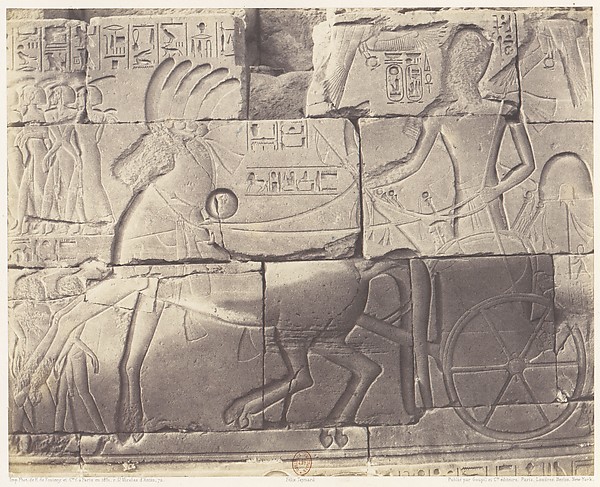 Félix Teynard|Imprimerie Photographique de H. de Fonteny et
 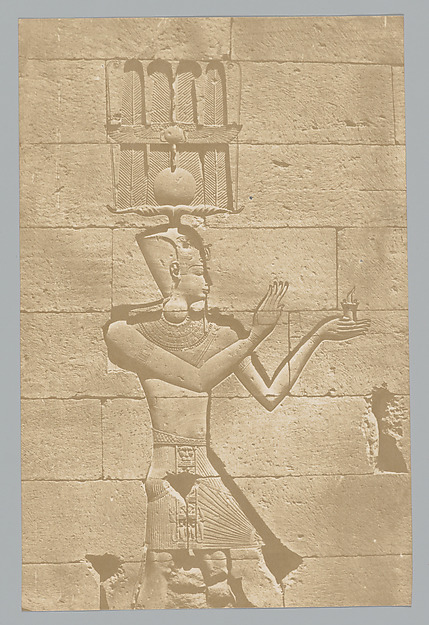 Maxime Du Camp — Kalabscheh, sculpture de la façade postérie
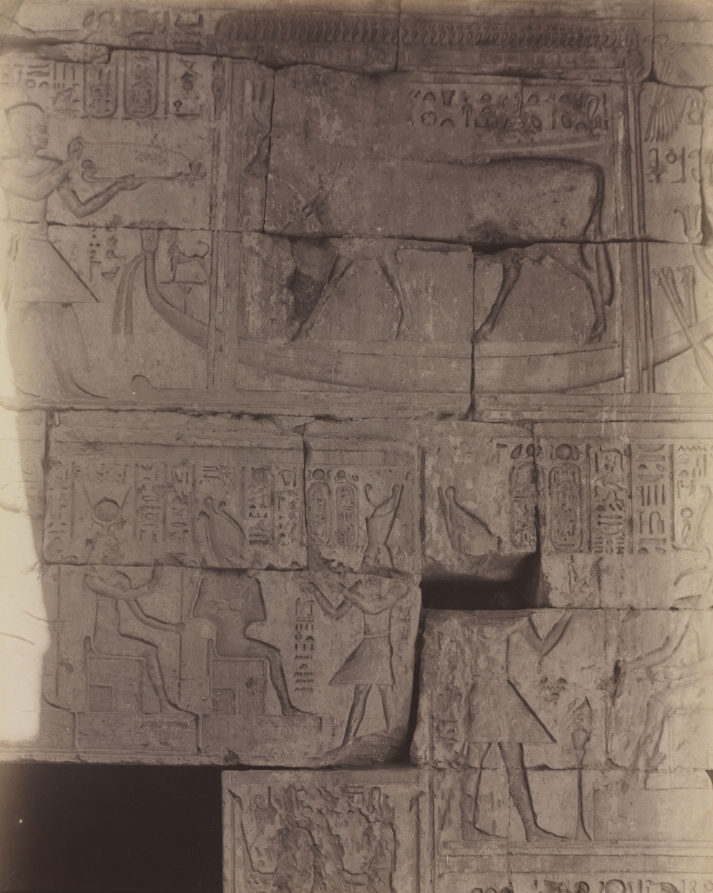 Antonio Beato (British, c. 1825–1903) — Deir el-Medineh, Sac
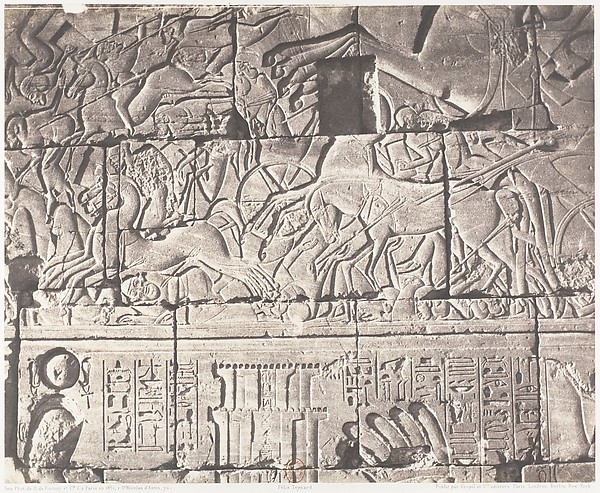 Félix Teynard|Imprimerie Photographique de H. de Fonteny et
  Félix Teynard|Imprimerie Photographique de H. de Fonteny et
  Maxime Du Camp — Grand Temple de Dendérah (Teutyres), Sculpt
 Maxime Du Camp — Palais de Karnak, Pilier Devant le Sanctuai
 Maxime Du Camp — Kalabscheh, Sculptures De La Façade Postéri
 Maxime Du Camp — Palais de Karnak, sculptures extérieures du
 Maxime Du Camp — Grand Temple d'Isis à Philoe, Inscription D
 Maya — Chak Ak’ Paat Kuy ("Red Turkey") Playing the Ballgame
 Maxime Du Camp — Grand Temple d'Isis à Philoe, Tôth Ibiocéph