Daniel Hubbard
SEE IT IN PERSON
Not currently on view
In the collection of Art Institute of Chicago, Chicago · as of July 2026
Discussion
FROM THE ART INSTITUTE OF CHICAGO’S CATALOG
Between 1753 and 1774, John Singleton Copley painted 350 portraits, primarily of Bostonians. He was largely self-taught, his only formal training from his stepfather Peter Pelham, an English artist who specialized in mezzotint engraving. Pelham encouraged Copley to produce his own mezzotints and to learn to draw by copying English prints. By the time Daniel Hubbard (1764) and Mrs. Daniel Hubbard (Mary Greene) (c. 1764; 1947.28) were produced, the artist had established a popular portrait style featuring individualized faces and luxurious fabrics. A decade later, Copley left colonial Massachusetts for England to further his career and simultaneously escape the strong political divides among family, friends, and patrons amid the impending Revolution.
Be the first to share your thoughts.
Sign in to join the discussion.
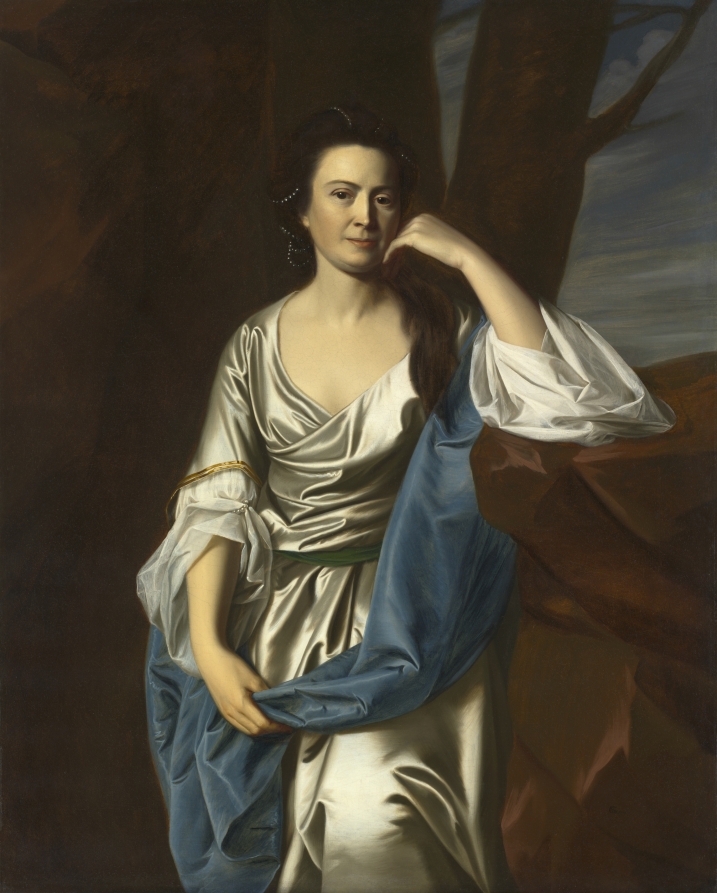
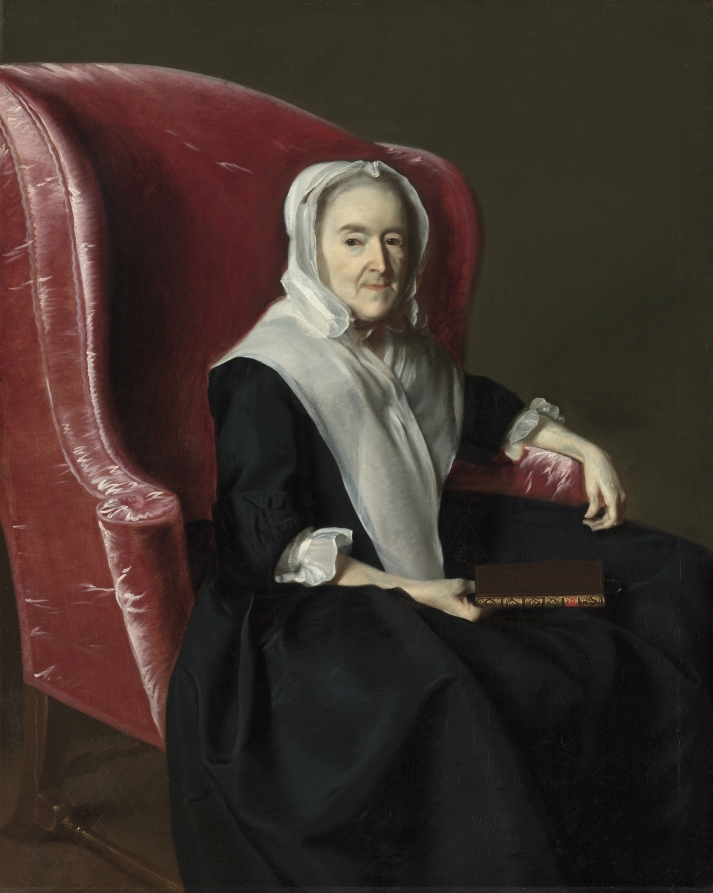
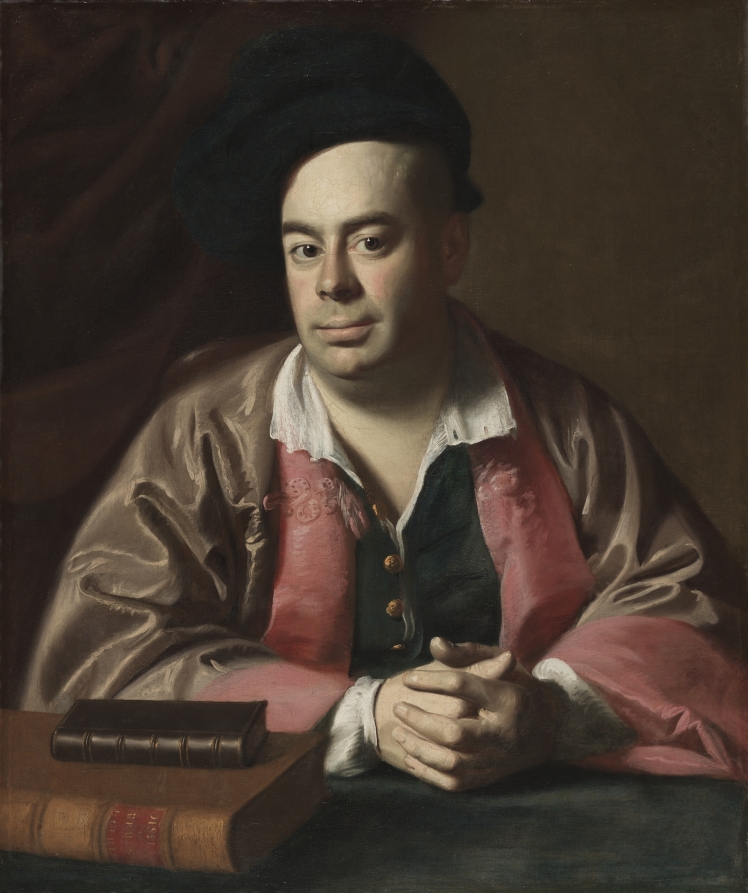
More by John Singleton Copley



More like this
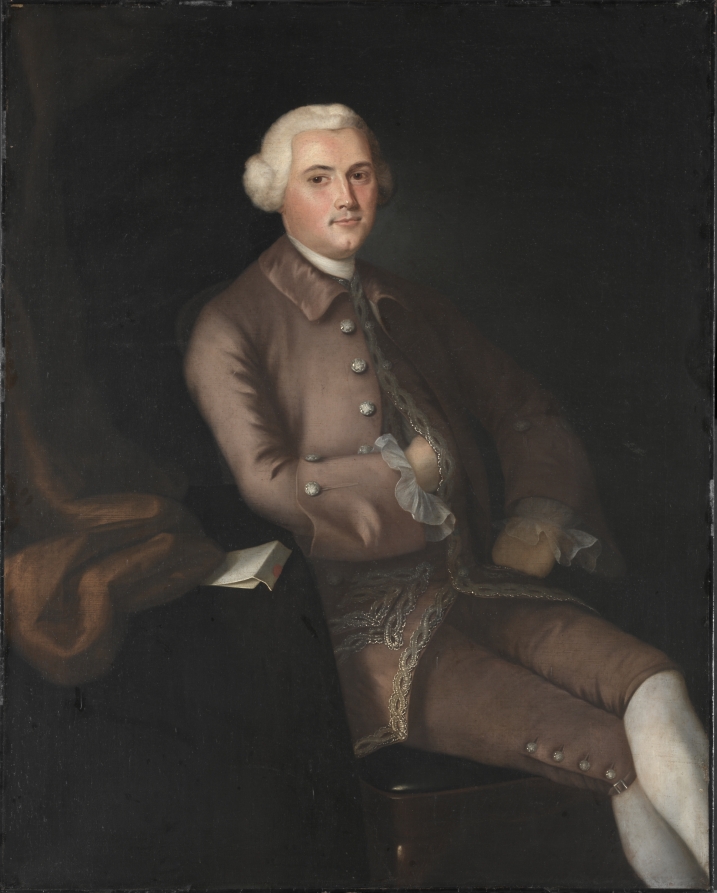 Joseph Blackburn (British, c. 1730–1787) — John Browne
 Cosmo Alexander — Alexander Grant
 John Wollaston — Portrait of a Young Man
 Ralph Earl — Noah Smith
 Joseph Highmore — Freeman Flower
 John Smibert — Richard Bill
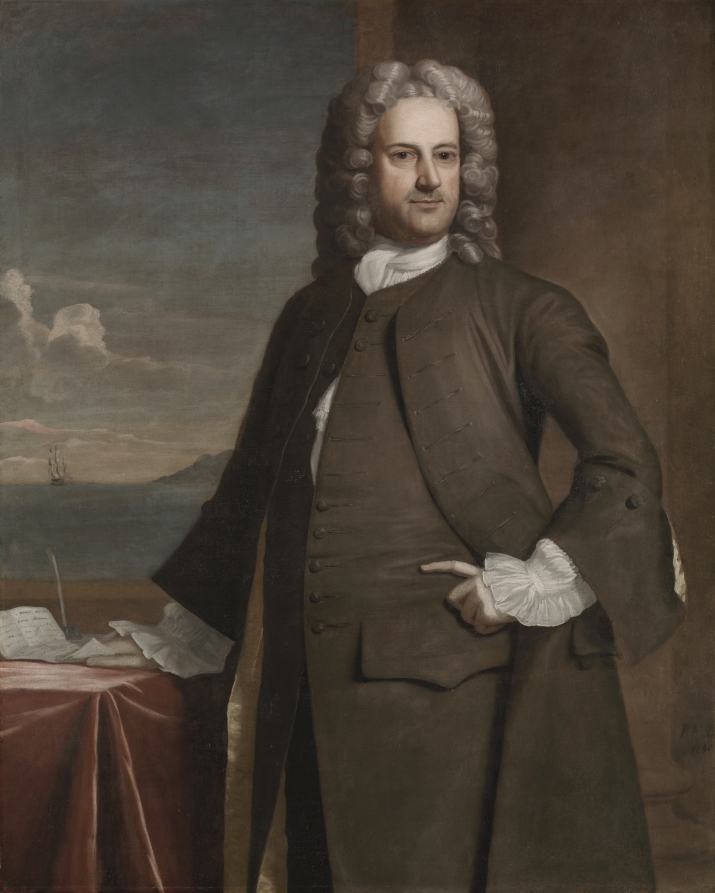 Robert Feke (American, c. 1707–c. 1752) — Charles Apthorp
 Samuel De Wilde — Mr. Quick as Vellum in Addison's Drummer
 August Christian Hauck — Johan Arnold Zoutman (1724-93), Vic
 Jean-Etienne Liotard — Portrait of Joseph Bouër
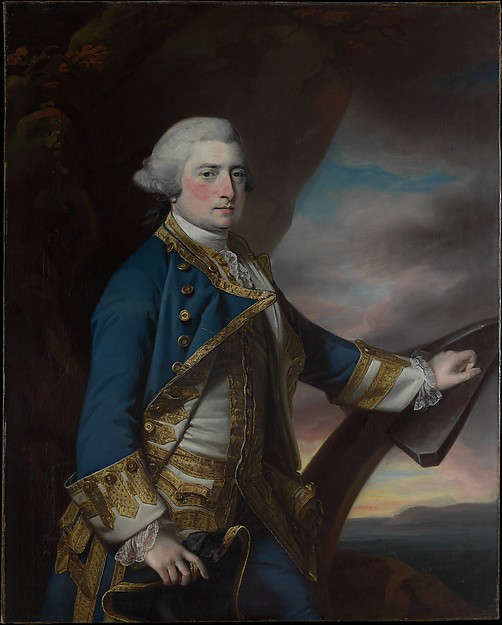 Francis Cotes — Admiral Harry Paulet (1719/20–1794), Sixth D
 Thomas Hudson — John Newton