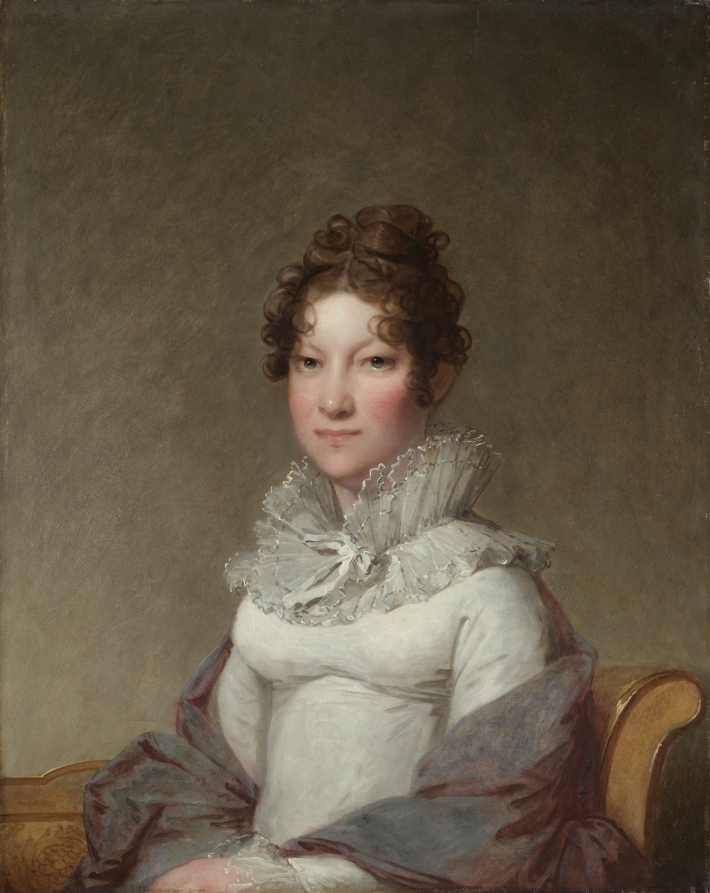
Mrs. Daniel Hubbard (Mary Greene)
SEE IT IN PERSON
Not currently on view
In the collection of Art Institute of Chicago, Chicago · as of July 2026
Discussion
FROM THE ART INSTITUTE OF CHICAGO’S CATALOG
John Singleton Copley was largely self-taught, his only formal training from his stepfather Peter Pelham, an English artist who specialized in mezzotint engraving. He nonetheless garnered considerable success as a portrait painter before the Revolutionary War. The sitter here, Mary Greene Hubbard, was a member of Boston’s merchant class (Copley’s portrait of her husband, Daniel Hubbard [1947.27], is also in the Art Institute collection). Her pose, gown, and background were precisely copied from a British engraving of a noblewoman, yet Copley distinguished the work as his own by capturing the figure’s individual features as well as the surfaces and colors of the luxurious fabrics. A decade later, he left colonial Massachusetts for England to further his career and simultaneously escape the strong political divides among family, friends, and patrons amid the impending Revolution.
Be the first to share your thoughts.
Sign in to join the discussion.
More by John Singleton Copley
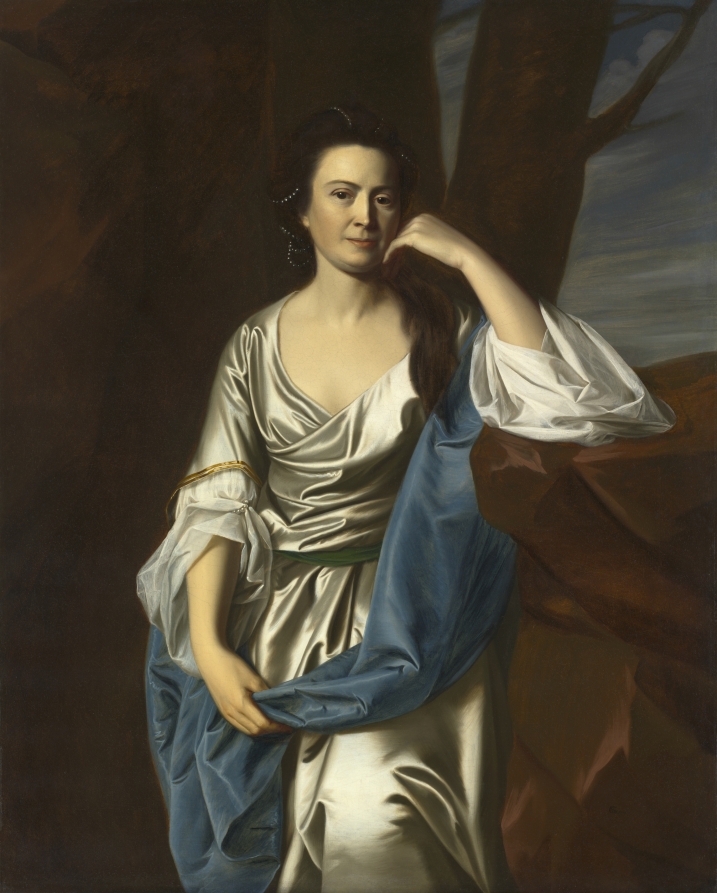
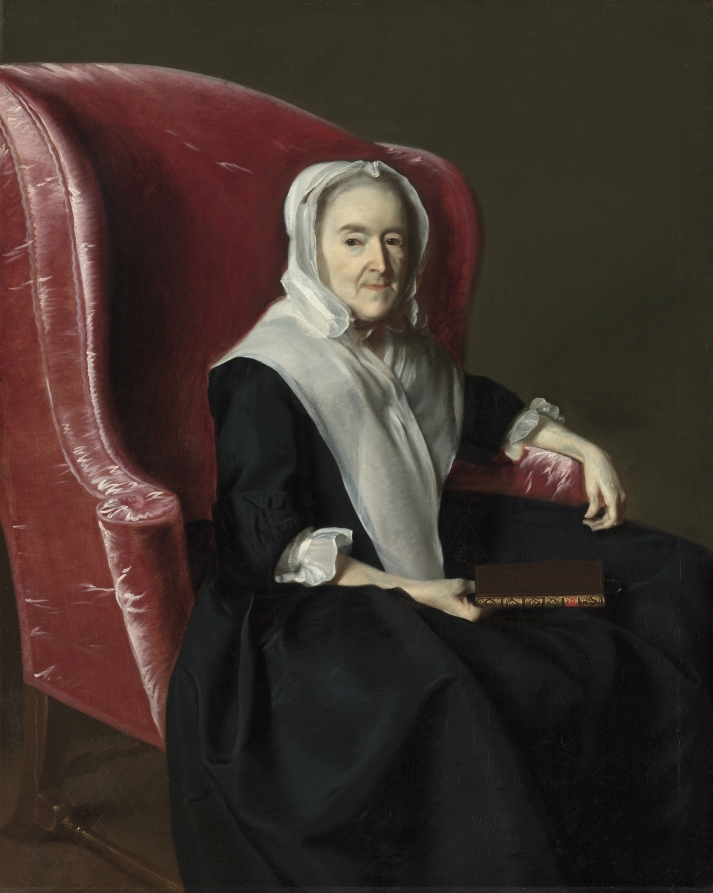

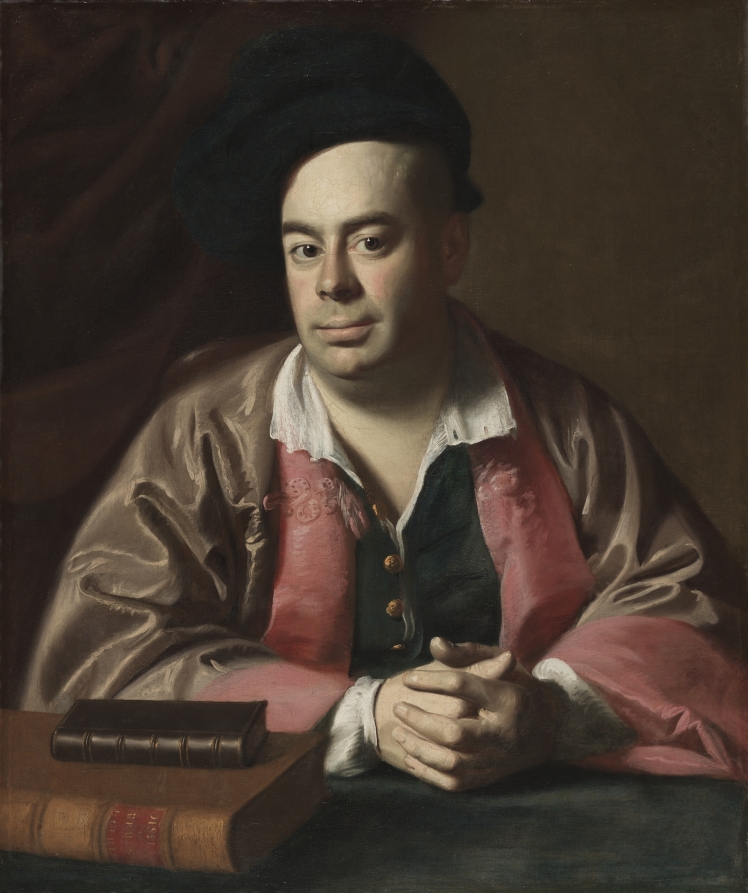


More like this
 Joseph Blackburn — Abigail Chesebrough (Mrs. Alexander Grant
 John Hesselius — Mrs. Thomas Sprigg
 John Wollaston — Portrait of a Woman
 Frans van der Mijn — Portrait of Maria Henriëtte van de
 Joseph Highmore — Mrs. Freeman Flower
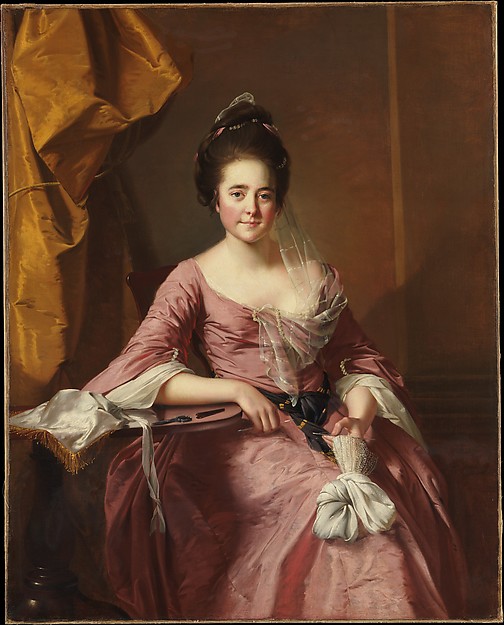 Joseph Wright (Wright of Derby) — Portrait of a Woman
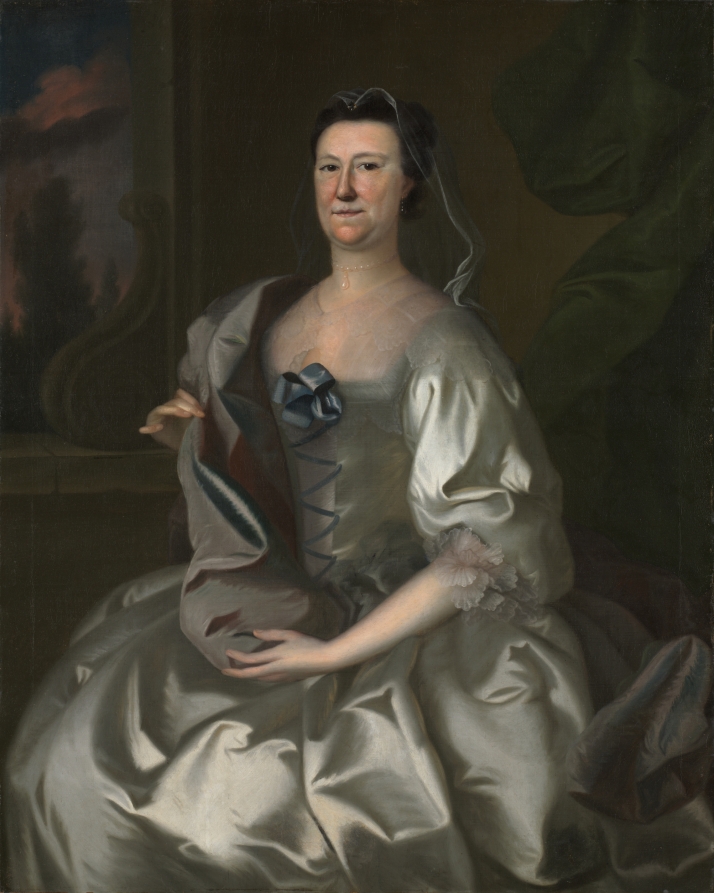 Joseph Blackburn (British, c. 1730–1787) — Hannah Wentworth
  John Hesselius — Mrs. William Carmichael
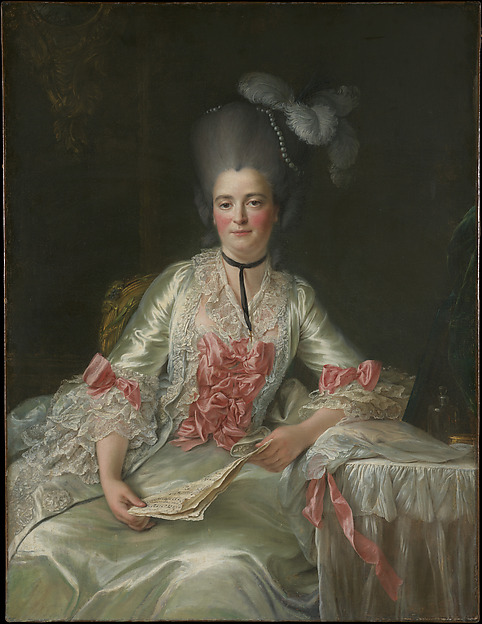 François Hubert Drouais — Marie Rinteau, called Mademoiselle
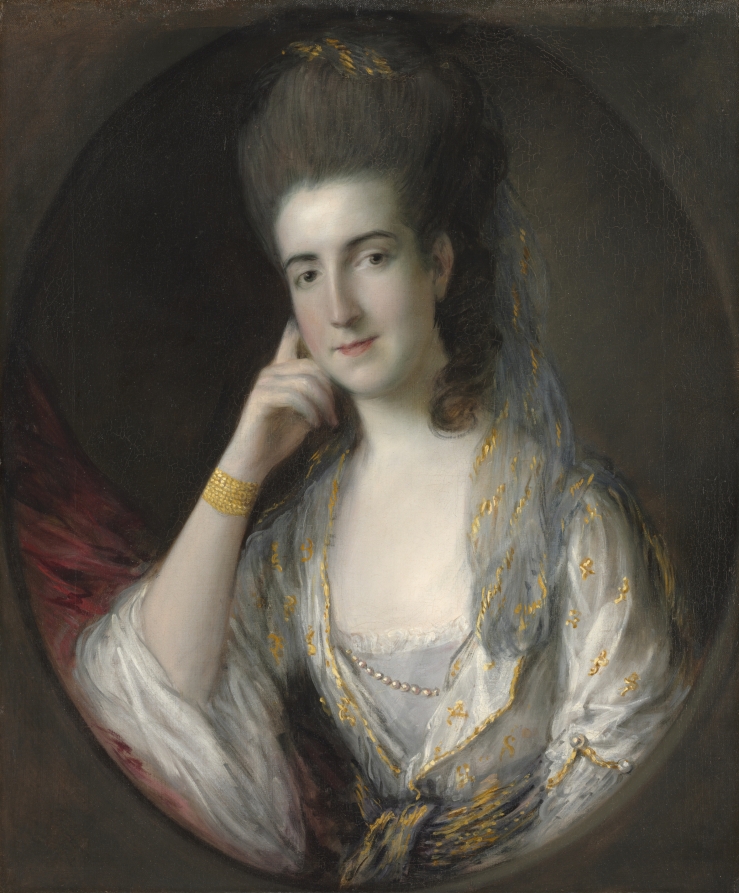 Thomas Gainsborough (British, 1727–1788) — Portrait of Mary
 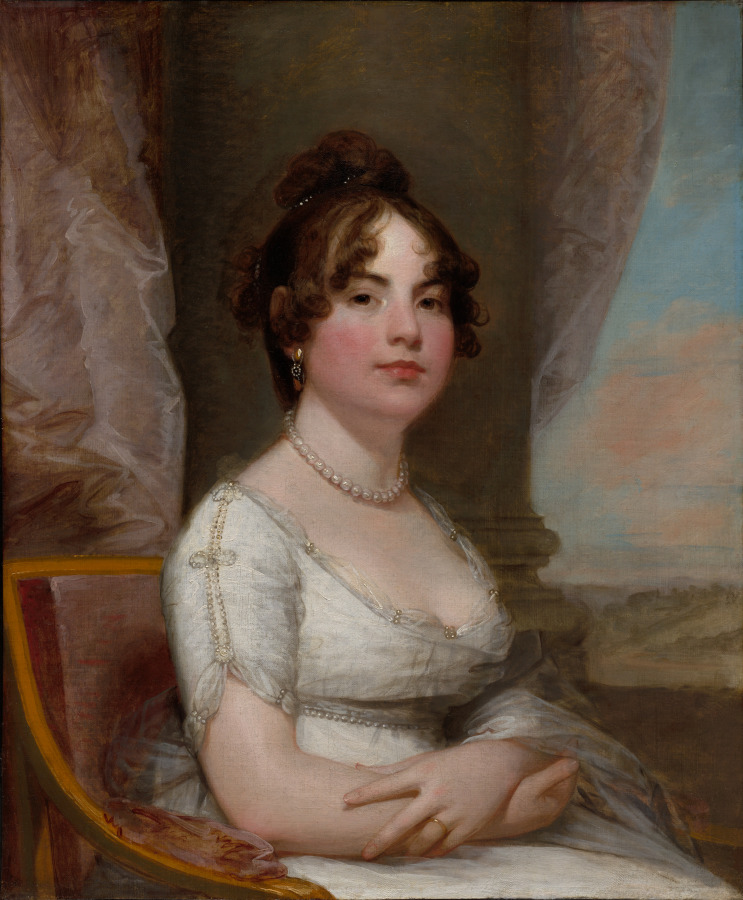 Gilbert Stuart (American, 1755–1828) — Elizabeth Beltzhoover
 Gilbert Stuart (American, 1755–1828) — Mary Campbell Stuart