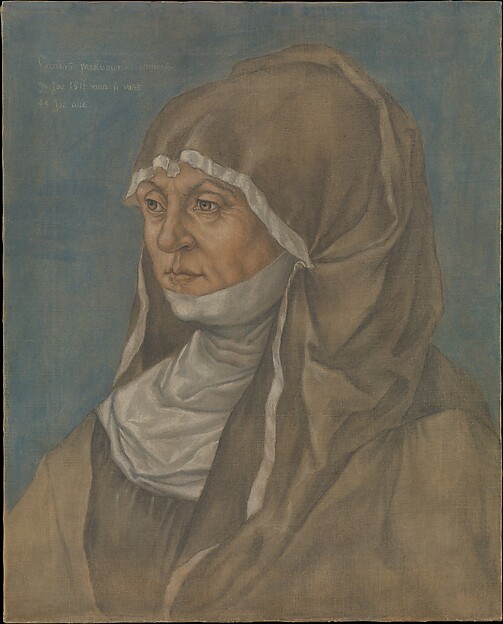
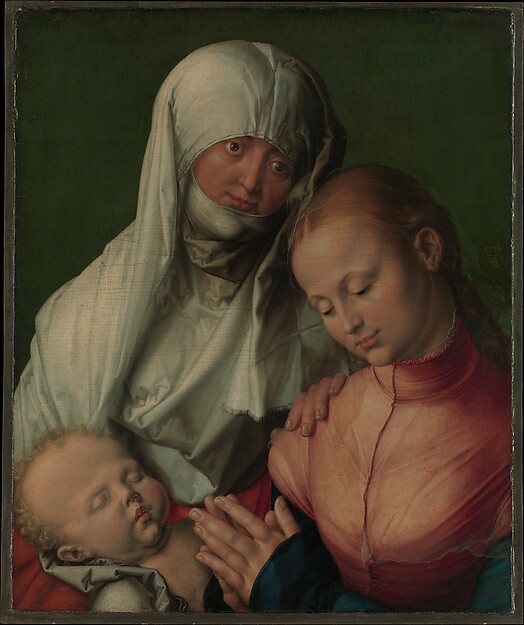
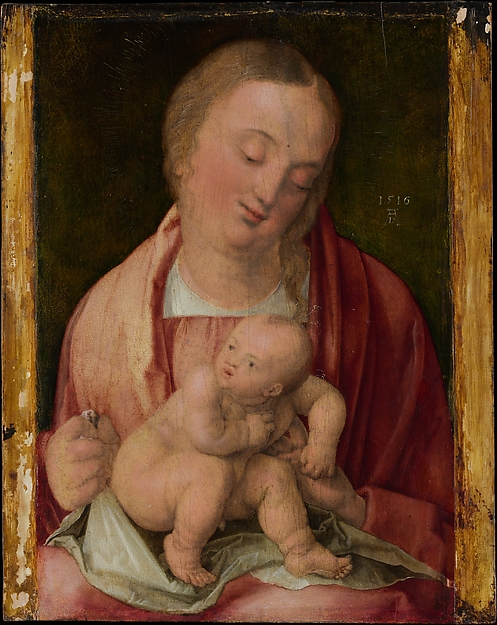
In the collection of The Metropolitan Museum of Art, New York — check current display status with the museum.
Be the first to share your thoughts.
Sign in to join the discussion.
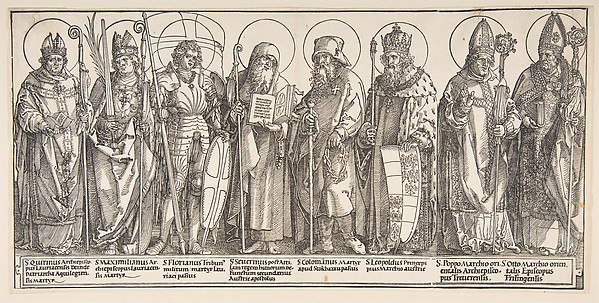 Albrecht Dürer|Hans Springinklee — The Patron Saints of Aust
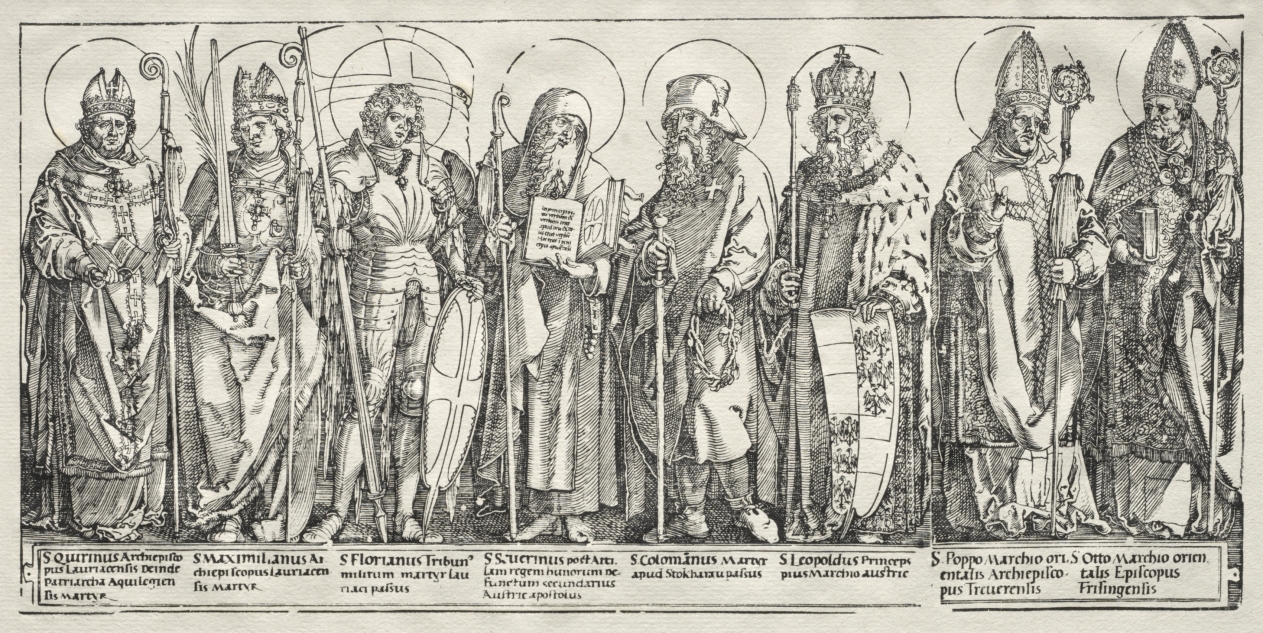 Albrecht Dürer (German, 1471–1528) — The Eight Saints of Aus
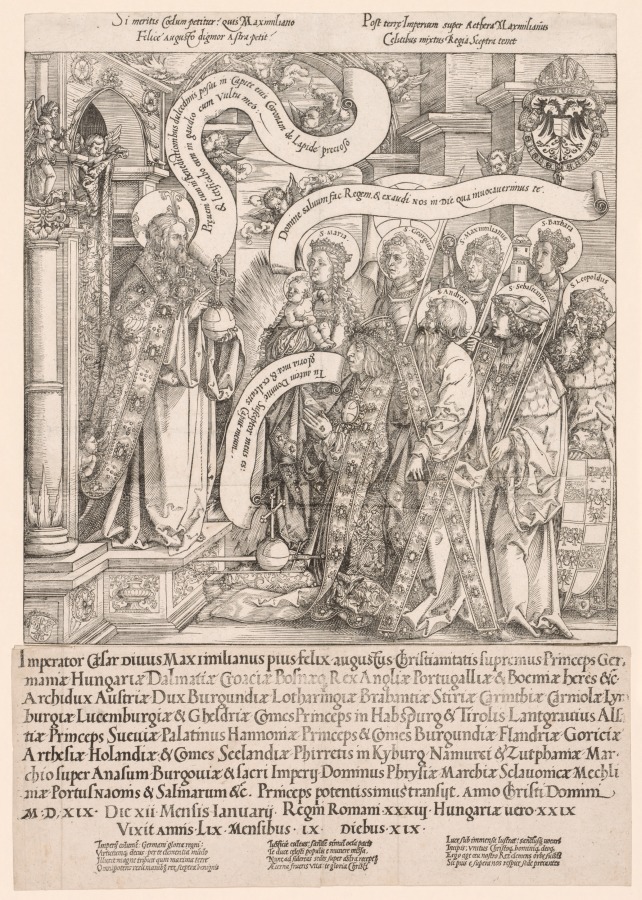 Hans Springinklee (German, 1540) — Maximilian Presented by H
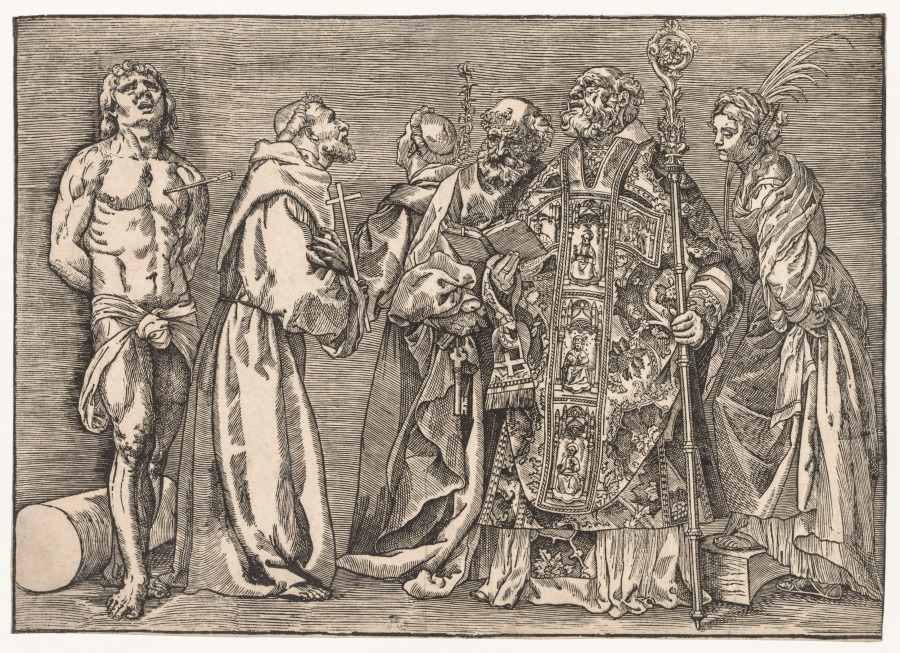 Niccolo Boldrini (Italian, c. 1500–after 1566) — The Six Sai
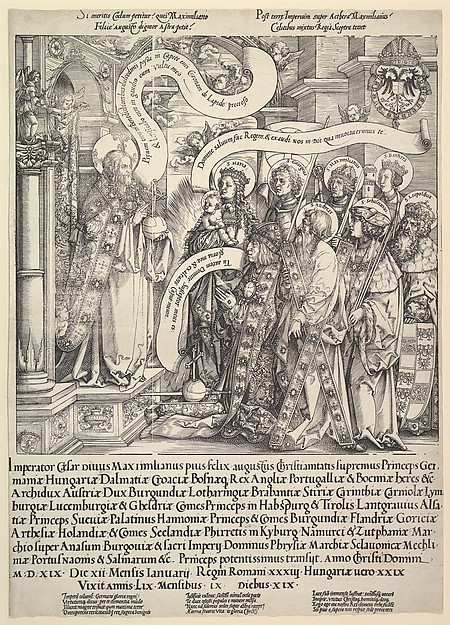 Hans Springinklee — Maximilian Presented by his Patron Saint
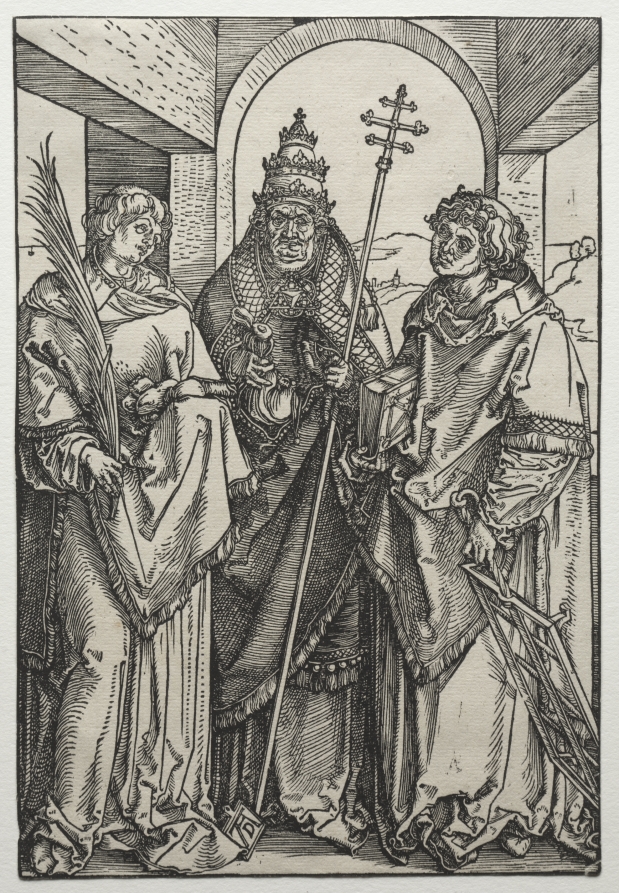 Albrecht Dürer (German, 1471–1528) — Saints Stephen, Sixtus
 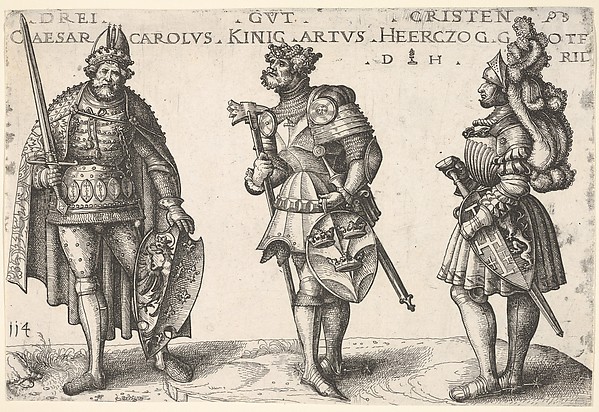 Daniel Hopfer|Hans Burgkmair — Three Worthy Christians: Char
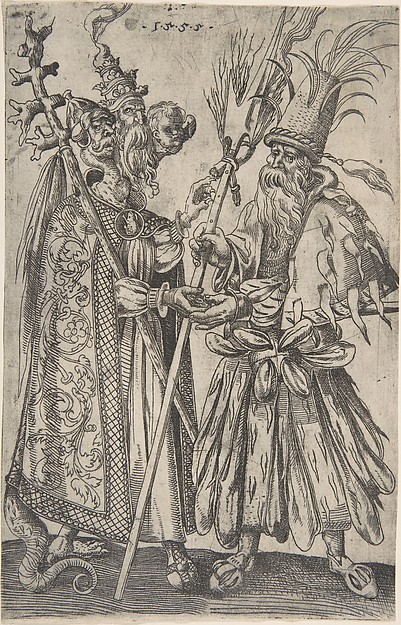 Melchior Lorck — Satire on the Papacy
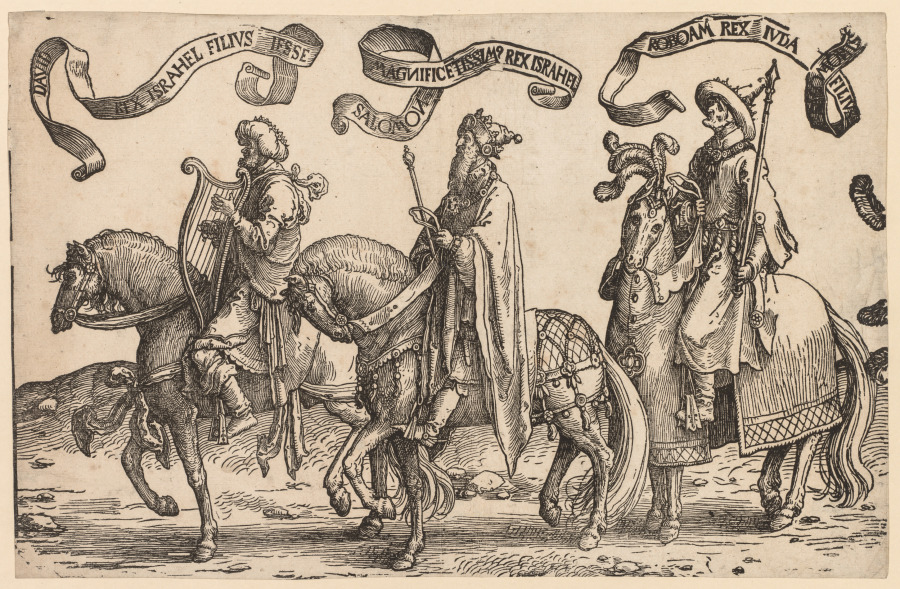 Lucas van Leyden (Netherlandish, 1494–about 1533) — The Twel
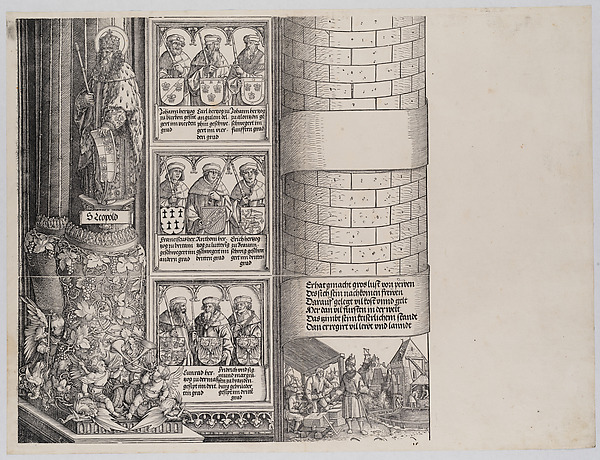 Hans Springinklee|Albrecht Dürer|Albrecht Altdorfer|Hieronym
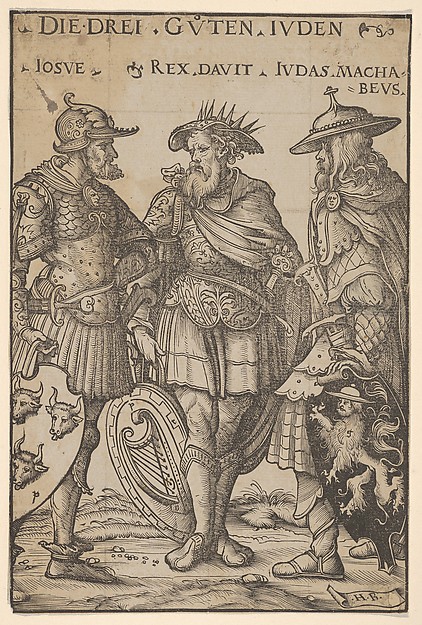 Hans Burgkmair|Jost de Negker — The Three Jewish Heroes (Die
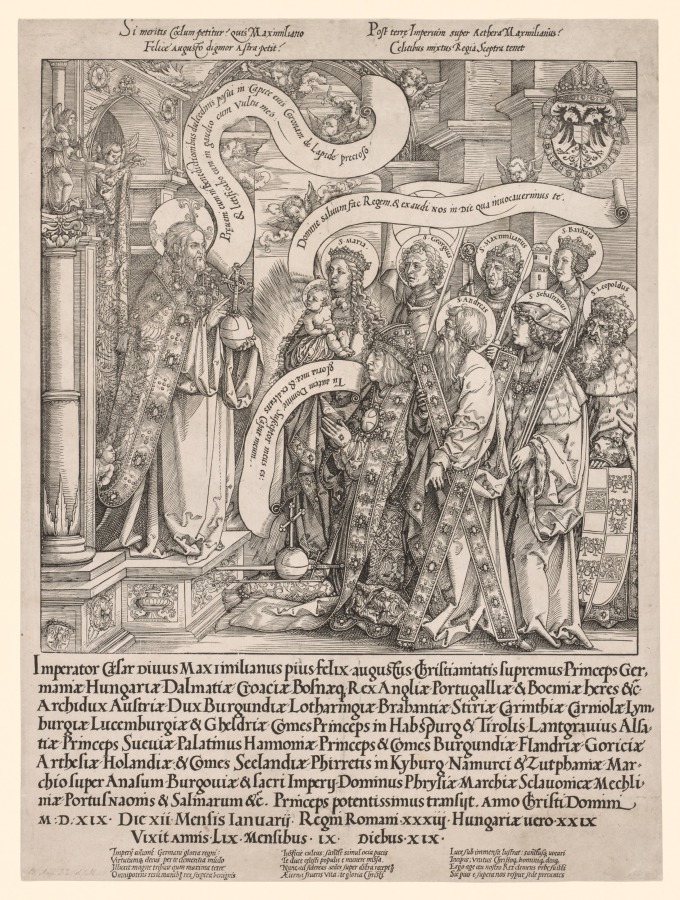 Hans Springinklee (German, 1540) — The Emperor Maximilian Pr
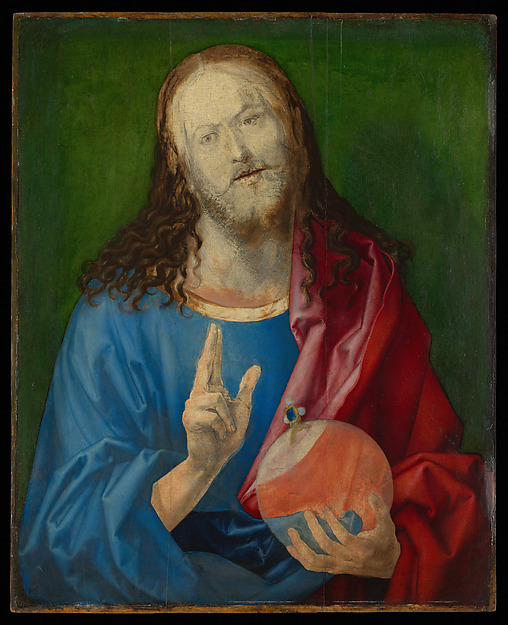
![Madonna and Child [obverse]](https://api.nga.gov/iiif/878db7e6-10ae-4cae-ba5d-6d6f5c413ae8/full/!500,500/0/default.jpg)
![Lot and His Daughters [reverse]](https://api.nga.gov/iiif/7565a449-f82a-414b-9bda-c93f55a51b4d/full/!500,500/0/default.jpg)