In the collection of Cleveland Museum of Art, Cleveland — check current display status with the museum.
FROM THE CLEVELAND MUSEUM OF ART’S CATALOG
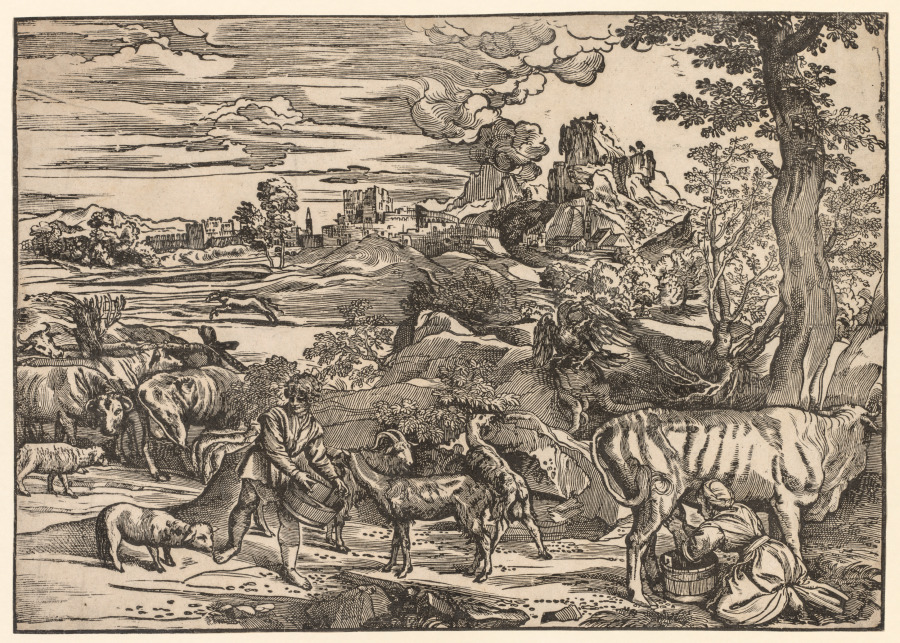
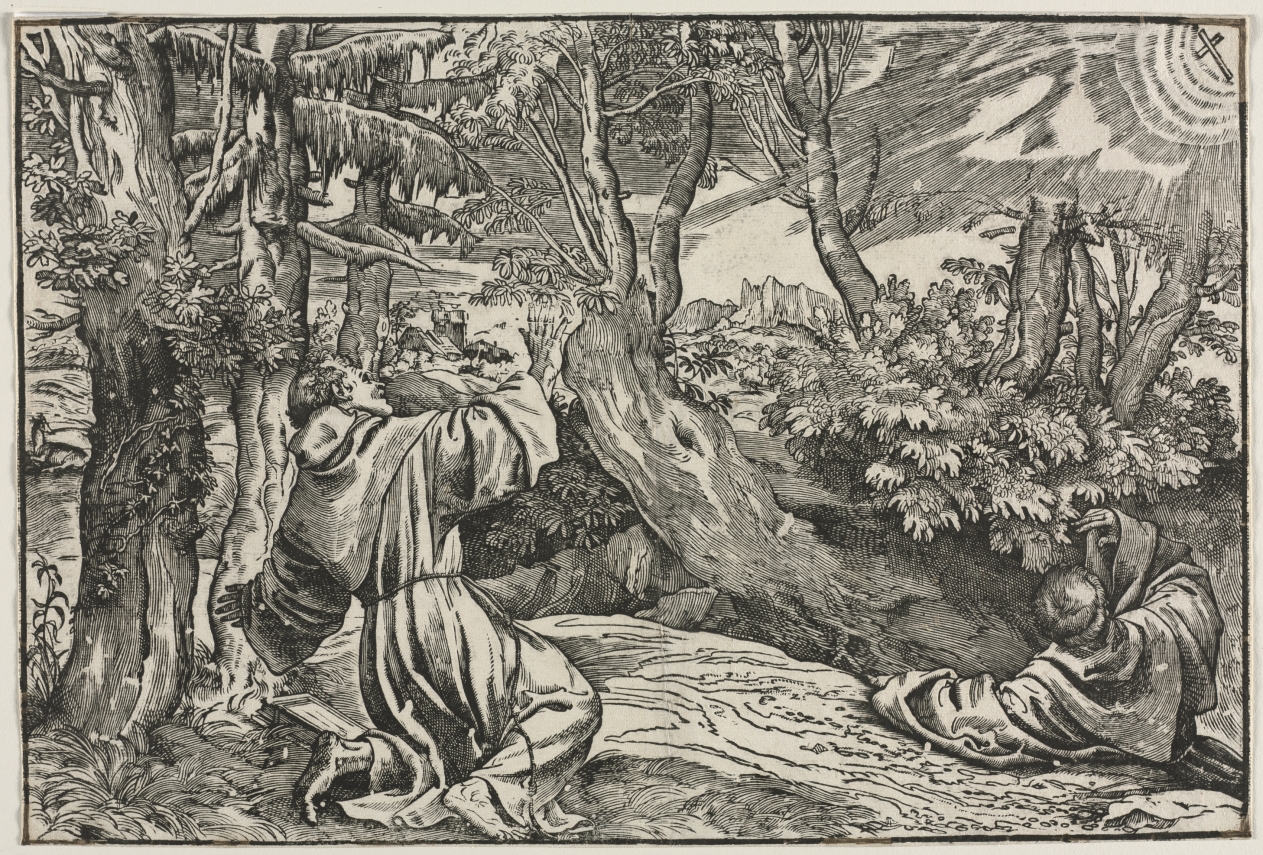
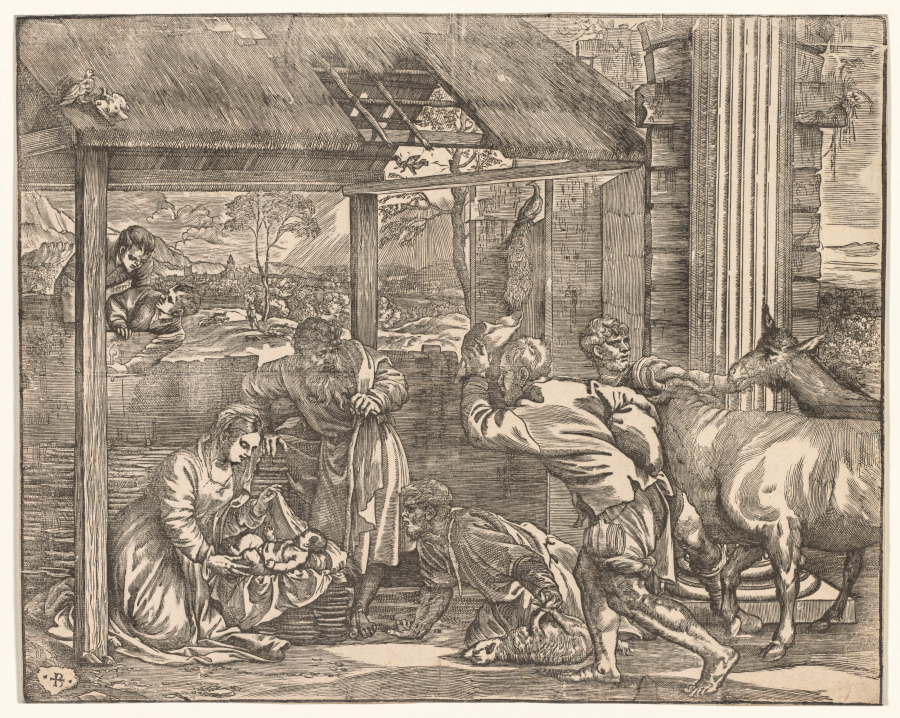
At first, Titian utilized woodcut as a medium of direct expression. He most probably drew directly on the blocks for The Submersion of Pharaoh's Army in the Red Sea and prepared several drawings for each landscape print, carefully perfecting the compositions. After 1530, however, Titian no longer created new designs expressly for graphic reproduction. Rather, prints were a means of circulating pictorial ideals conceived for and executed initially in painting. The Six Saints records, in reverse, the group of saints—Sebastian, Francis, Anthony of Padua, Peter, Nicholas, and Catherine—standing below the vision of the Madonna and Child in Titian's altarpiece for the Venetian church of Saint Nicolo ai Frari. Because the print reproduces only the lower section of the picture, the monumentality of the original conception is diminished, but an image of greater intimacy is gained. Here, Titian changed the figure of Sebastian, whose pose in the original is ungainly. In the print, Sebastian's body is more clearly articulated and, looking heavenward, his face is filled with a stoic pathos.
Be the first to share your thoughts.
Sign in to join the discussion.
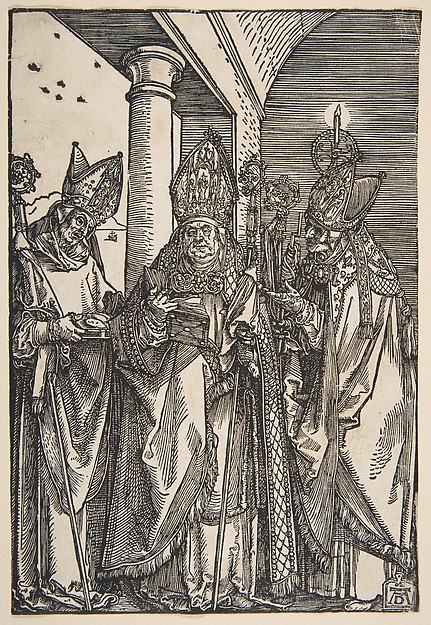 Albrecht Dürer — Saints Nicholas, Ulrich and Erasmus
 Andrea Andreani — Zes staande heiligen
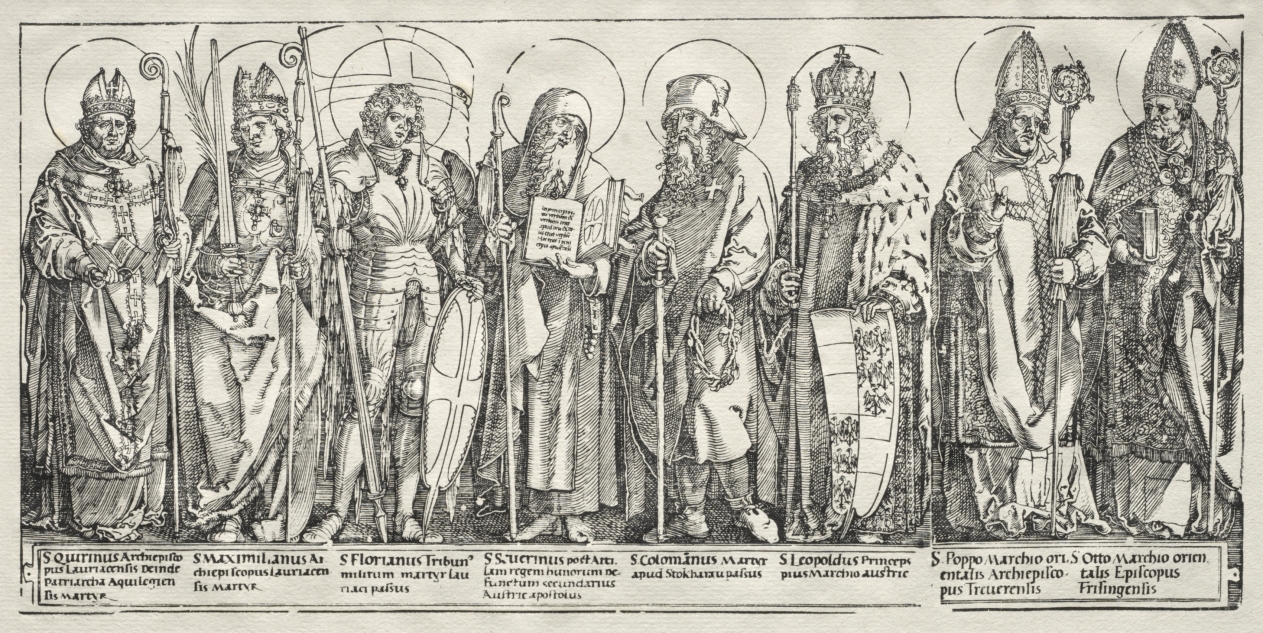 Albrecht Dürer (German, 1471–1528) — The Eight Saints of Aus
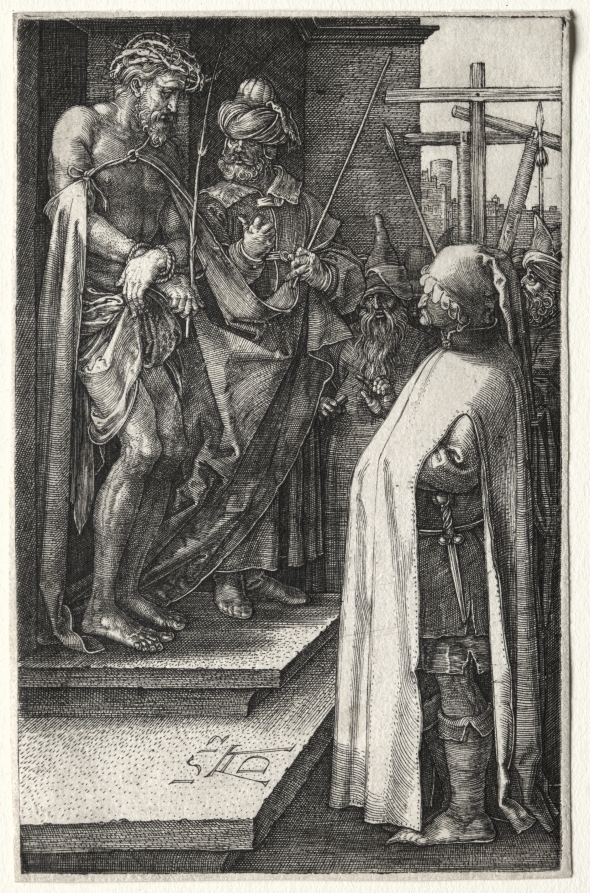 Albrecht Dürer (German, 1471–1528) — Christ Shown to the Peo
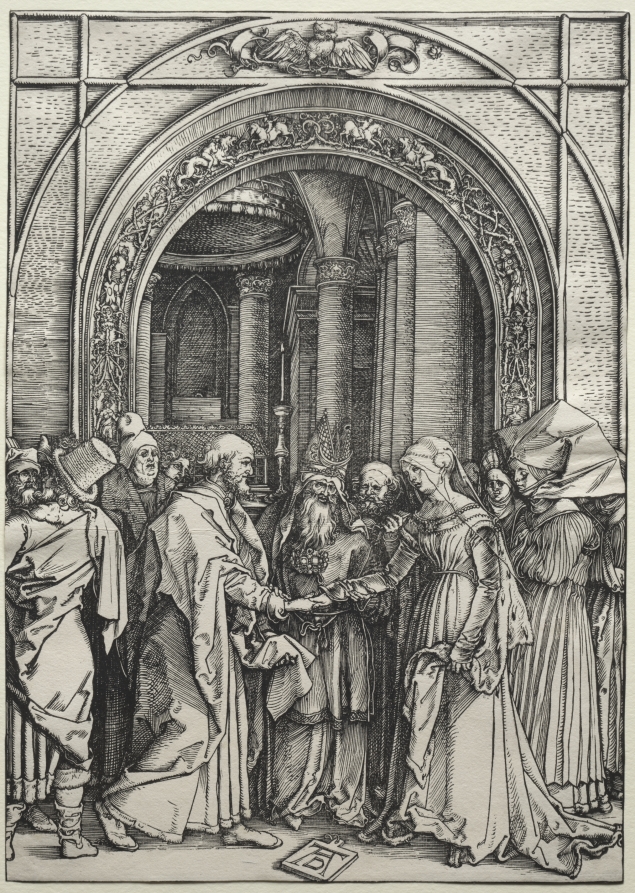 Albrecht Dürer (German, 1471–1528) — The Betrothal of the Vi
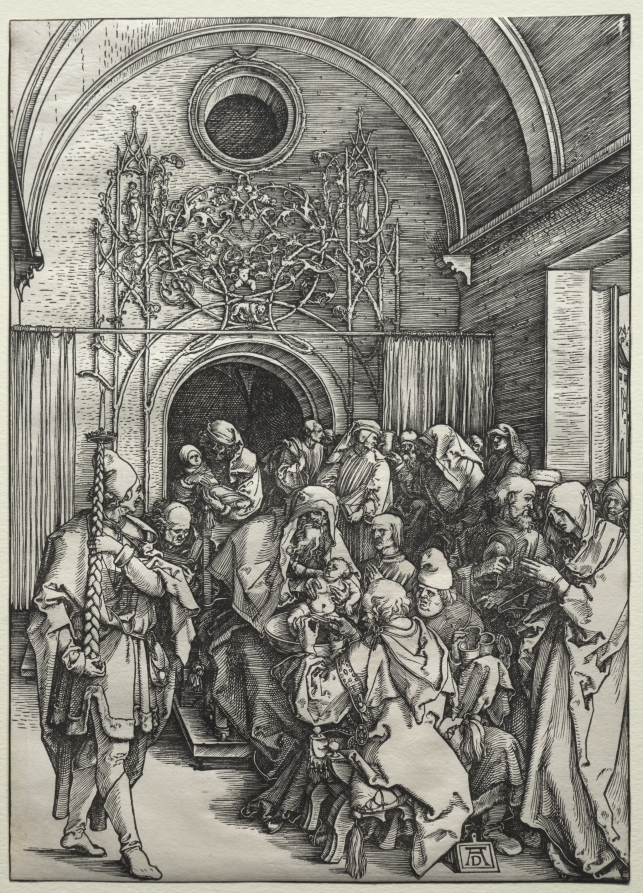 Albrecht Dürer (German, 1471–1528) — The Circumcision
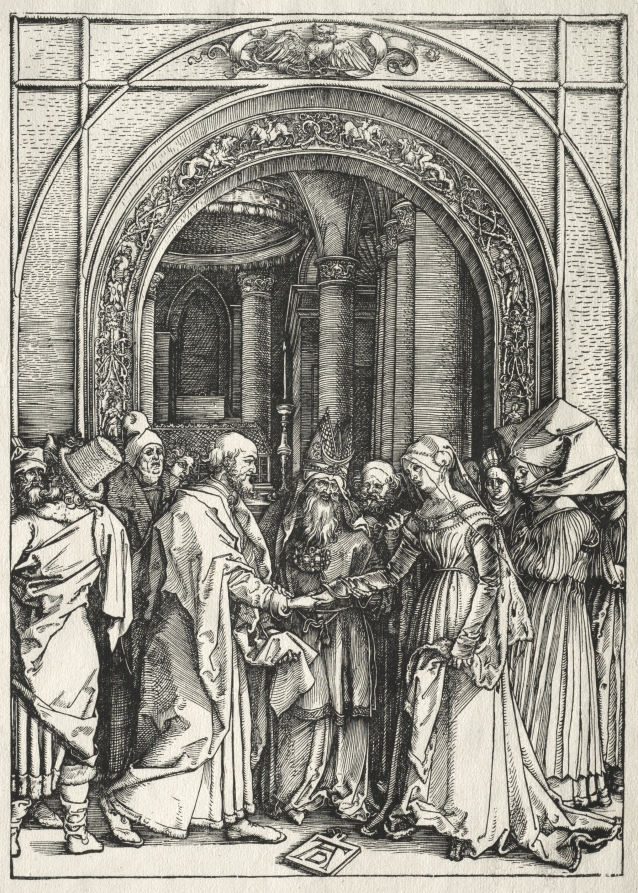 Albrecht Dürer (German, 1471–1528) — Life of the Virgin: Ma
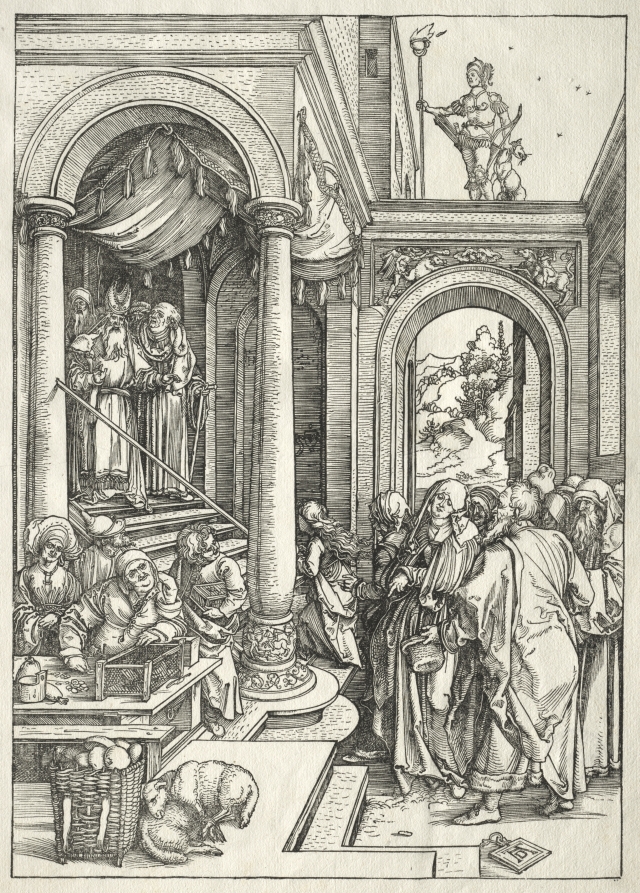 Albrecht Dürer (German, 1471–1528) — Life of the Virgin: Pr
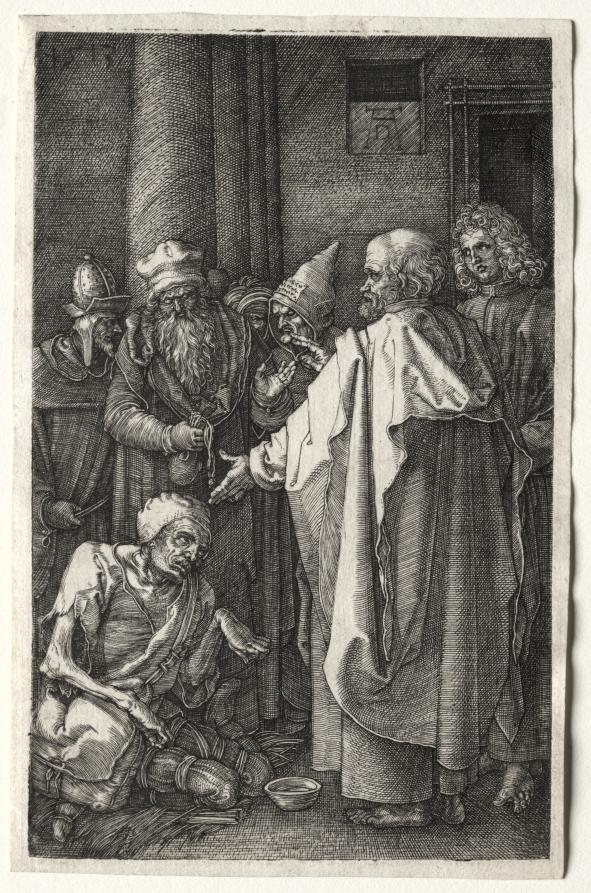 Albrecht Dürer (German, 1471–1528) — Peter and John Healing
 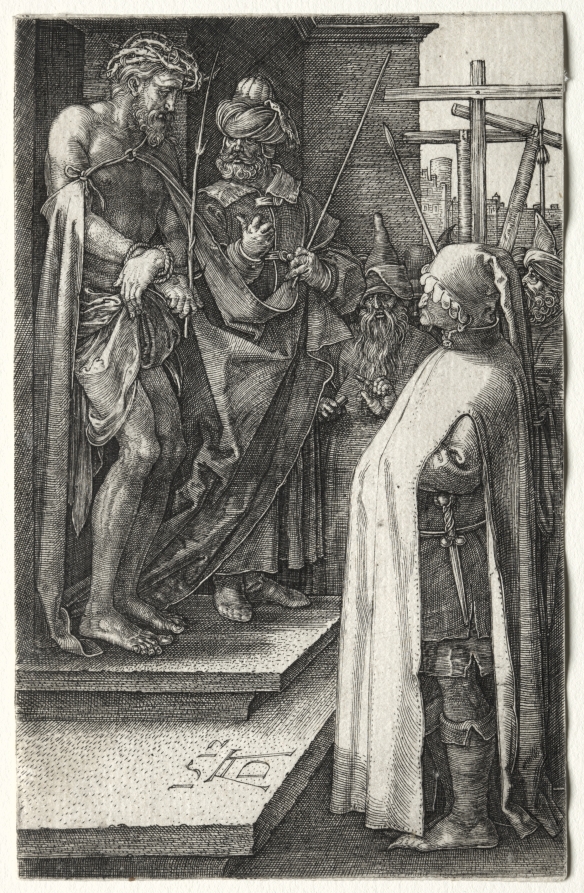 Albrecht Dürer (German, 1471–1528) — Ecce Homo
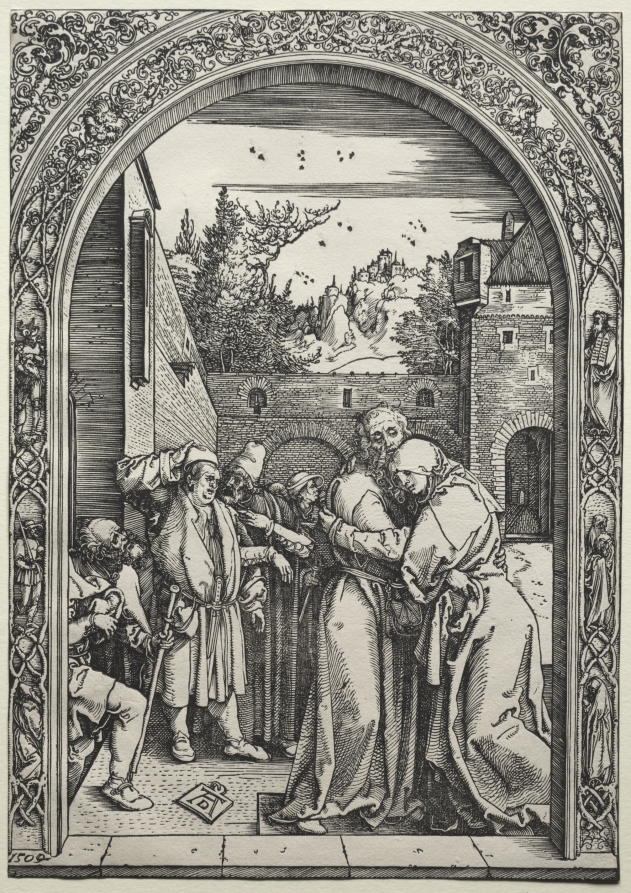 Albrecht Dürer (German, 1471–1528) — The Meeting of Joachim
 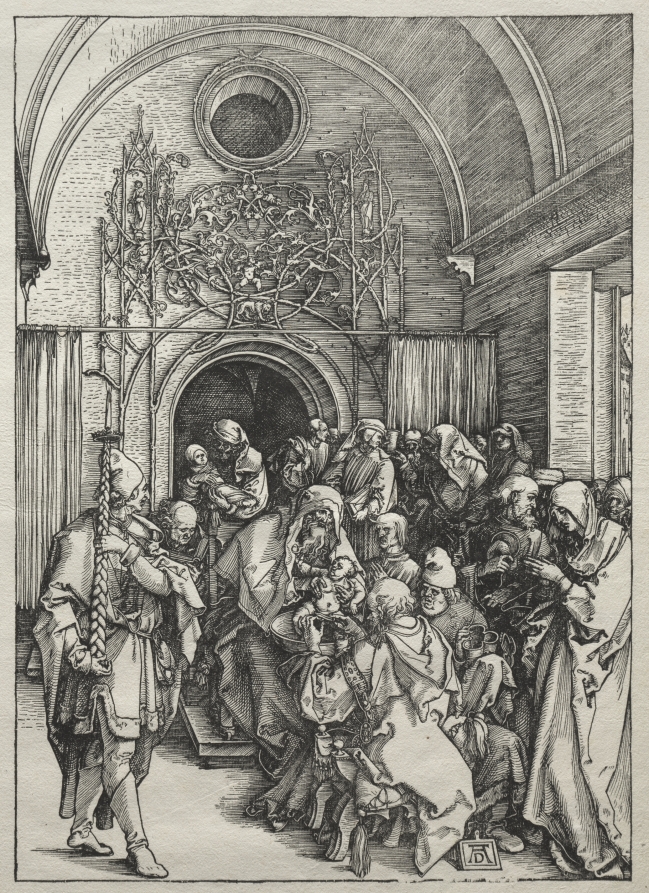 Albrecht Dürer (German, 1471–1528) — Life of the Virgin: Th