In the collection of Cleveland Museum of Art, Cleveland — check current display status with the museum.
FROM THE CLEVELAND MUSEUM OF ART’S CATALOG
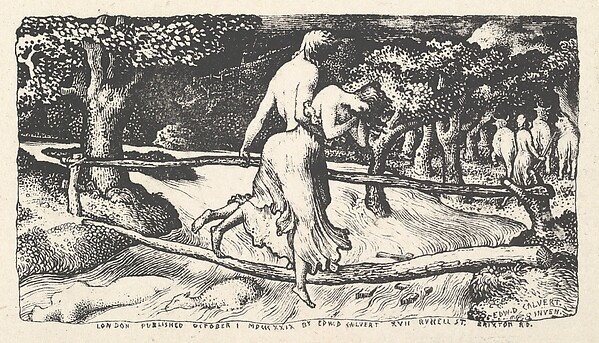
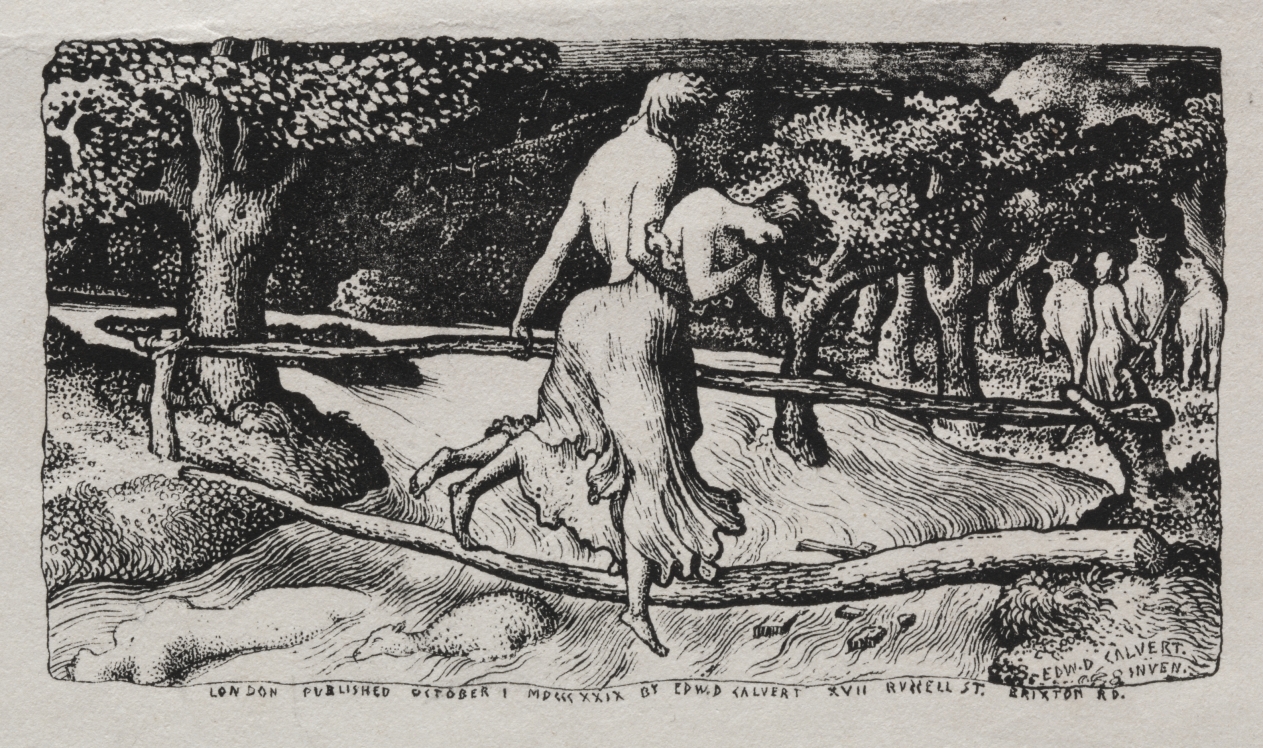
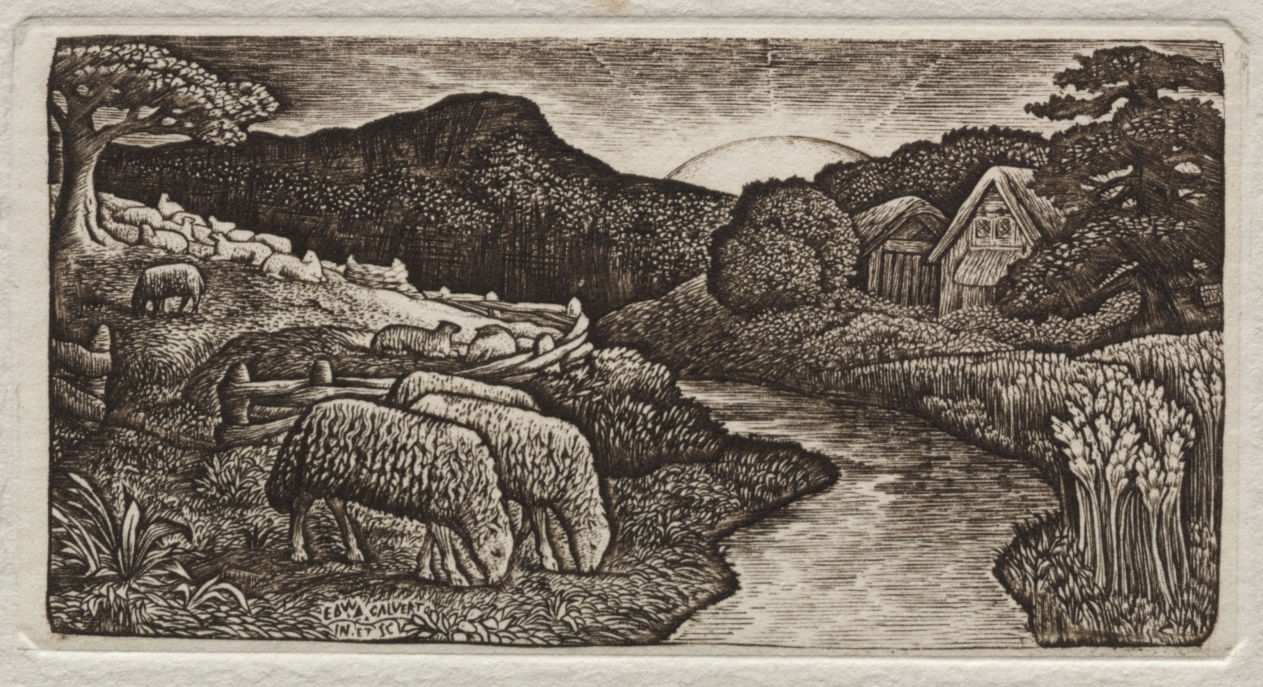
Calvert was so influenced by William Blake's wood engravings that The Sheep of His Pasture is directly based on an illustration for The Pastorals of Virgil . Calvert, however, even more than Blake, exploited the ability of wood engraving to achieve the most delicate detail, so astonishing in these miniatures. Calvert's subject matter originated from a vision of the golden age of pastoral innocence and abundance that has both Christian and classical overtones. The women in The Brook resemble figures carved on antique gems, and the tree stumps symbolize the transitory nature of life.
Be the first to share your thoughts.
Sign in to join the discussion.
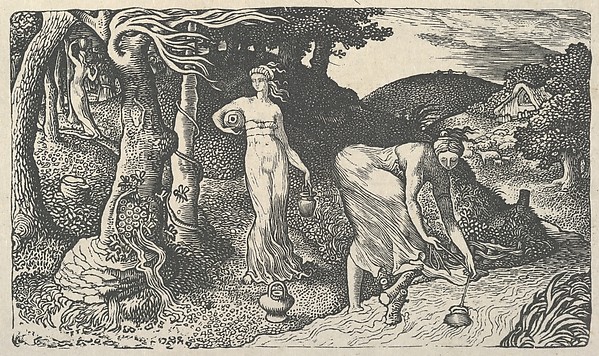 Edward Calvert — The Brook
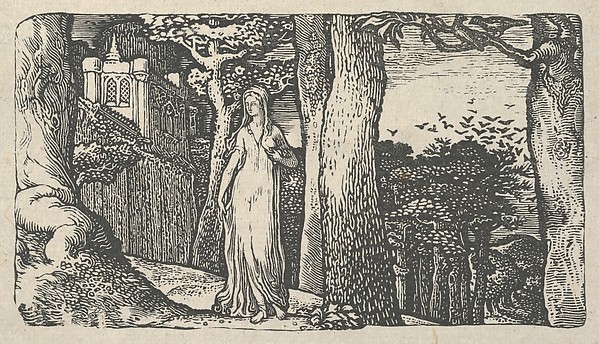 Edward Calvert — Lady with the Rooks
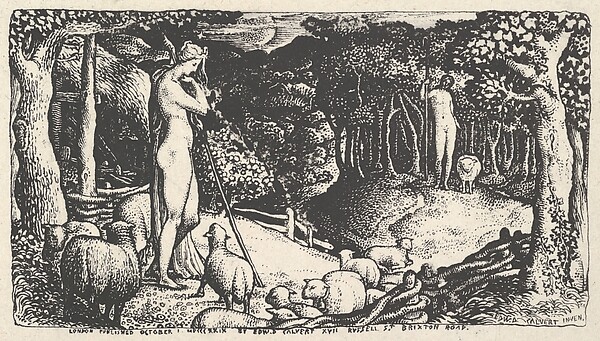 Edward Calvert — Ideal Pastoral Life
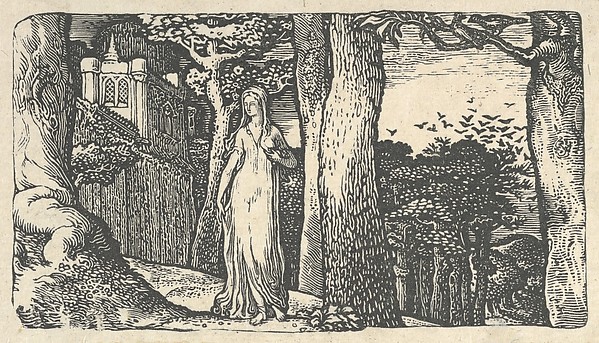 Edward Calvert — Lady with the Rooks
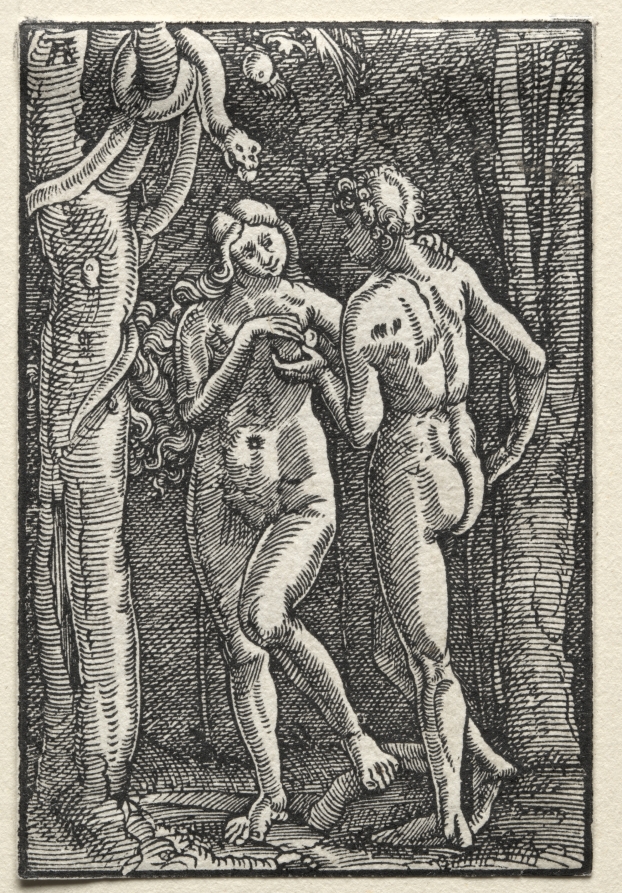 Albrecht Altdorfer (German, c. 1480–1538) — The Fall and Red
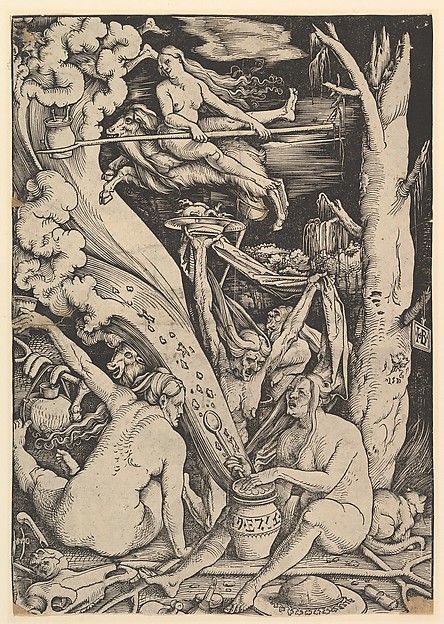 Hans Baldung (called Hans Baldung Grien) — The Witches
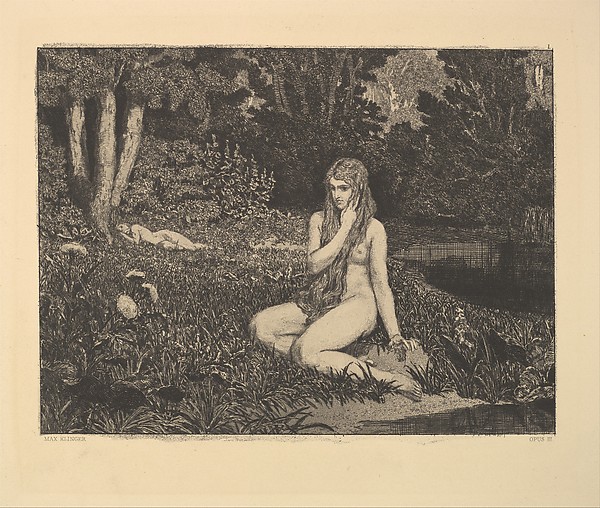 Max Klinger|Max Klinger|Wilhelm Felsing — Eva from Eva und d
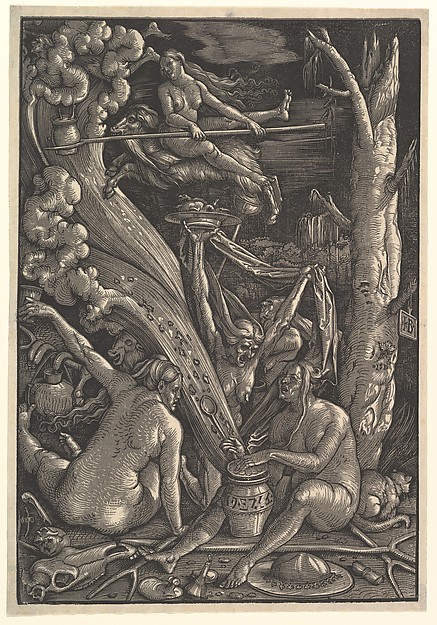 Hans Baldung (called Hans Baldung Grien) — The Witches
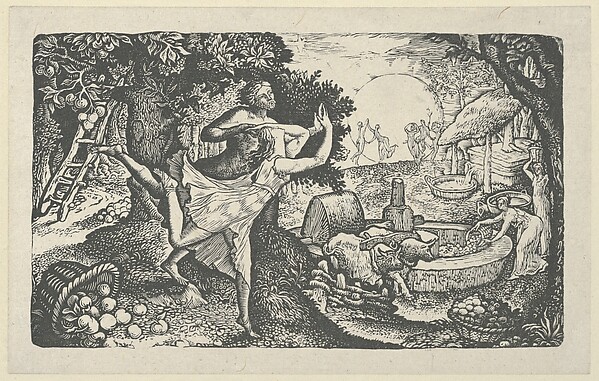 Edward Calvert — The Cyder Feast
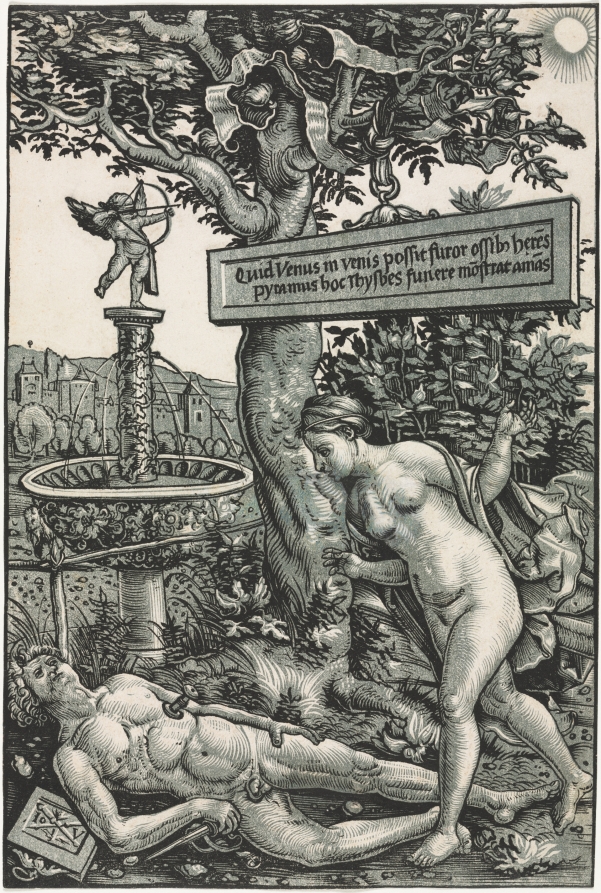 Hans Wechtlin (German, 1480/85–after 1526) — Pyramus and Thi
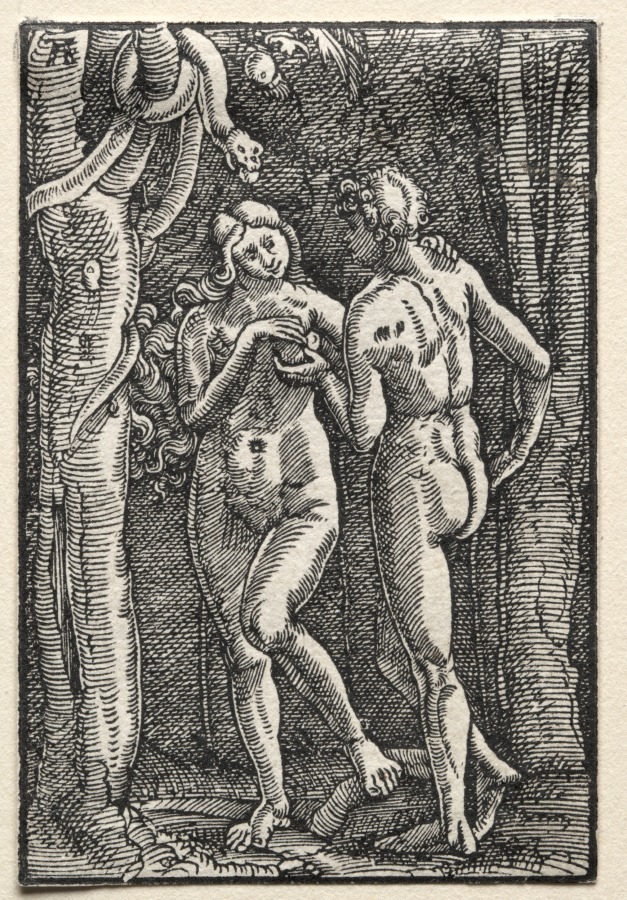 Albrecht Altdorfer (German, c. 1480–1538) — The Fall and Red
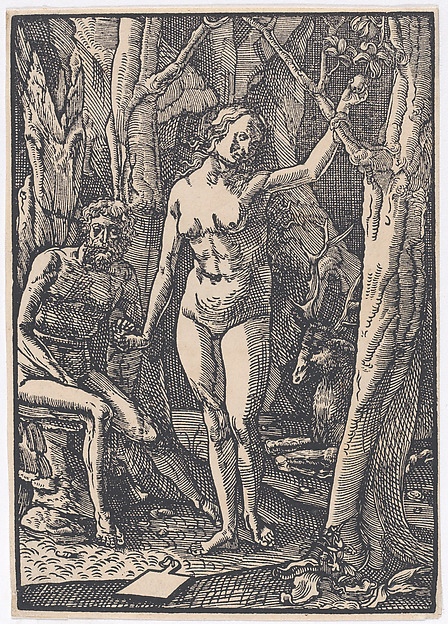 Ludwig Krug — The Fall of Man