Jacques Callot|Anonymous

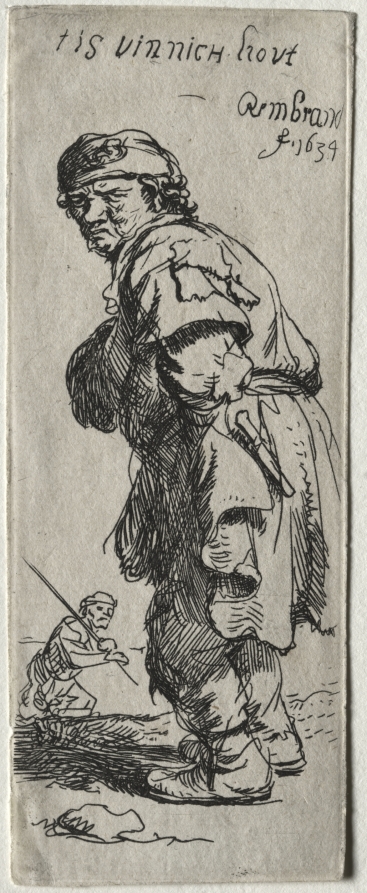
Reverse Copy of Le Gentilhomme qui Salue Tenant son Feutre sous le Bras (The Gentleman who Bows Holding his Felt Hat under his Arm), from La Noblesse (The Nobility)

17th century
Etching
14.3 × 9.7 cm (5.6 × 3.8 in)

SEE IT IN PERSON

Not currently on view

In the collection of The Metropolitan Museum of Art, New York · as of July 2026

View at metmuseum.orgPlan a visit ↗

Discussion

Be the first to share your thoughts.

Sign in to join the discussion.

Community guidelines

More by Jacques Callot|Anonymous
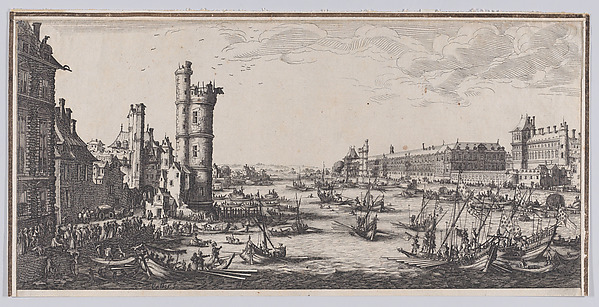
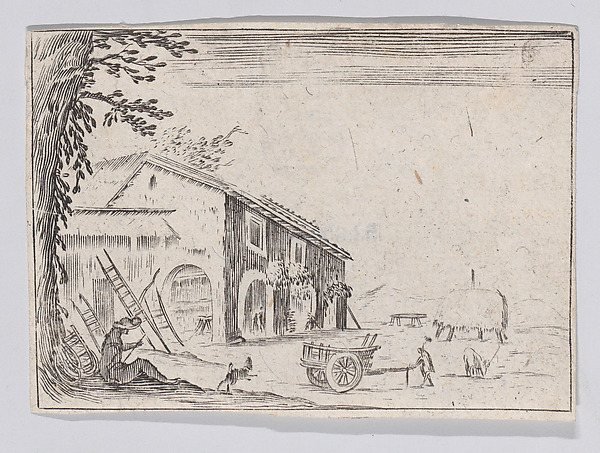
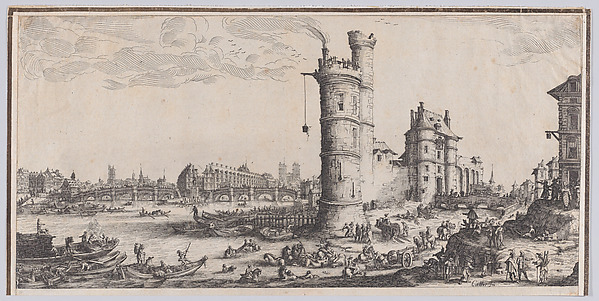
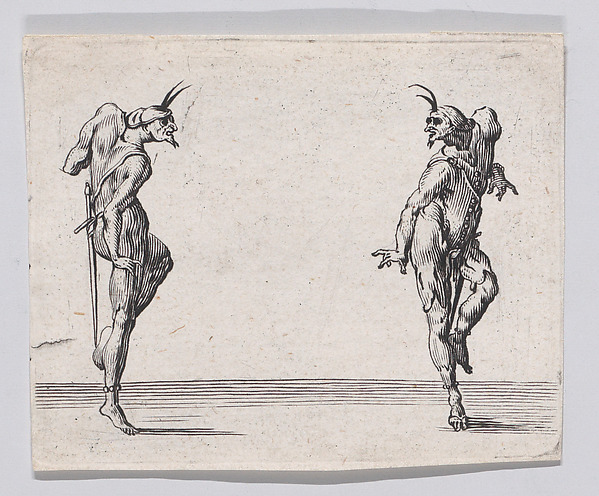
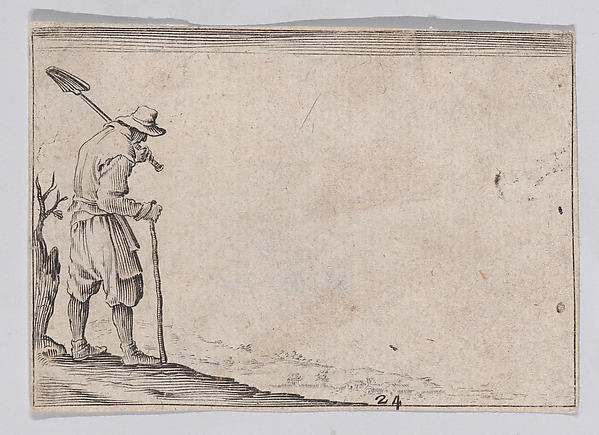
Reverse Copy of La Fiore de Gondreville pièce appelée aussi La Fête du Village, La Petite Foire, Le Bal Champêtre, Le Jeu de Boules (The Fair at Gondreville also called The Village Festival, The Little Fair, The Country Dance, The Game of Bowls)Reverse Copy of La Fiore de Gondreville pièce appelée aussi Reverse Copy of Le Feu d'Artifice sur l'Arno (Fireworks on the Arno), from "Les Caprices"Reverse Copy of Le Feu d'Artifice sur l'Arno (Fireworks on tCopy of Le Martyre de St. Sébastien (The Martyrdom of St. Sebastian)Copy of Le Martyre de St. Sébastien (The Martyrdom of St. SeCopy of Vue du Louvre (View of the Louvre), from Les Deux Grandes Vues de Paris (The Two Large Views of Paris)Copy of Vue du Louvre (View of the Louvre), from Les Deux GrReverse Copy of La Factoria (The Factory), from Les CapricesReverse Copy of La Factoria (The Factory), from Les CapricesCopy of Vue du Pont-Neuf (View of the Pont-Neuf), from Les Deux Grandes Vues de Paris (The Two Large Views of Paris)Copy of Vue du Pont-Neuf (View of the Pont-Neuf), from Les DReverse Copy of Les Deux Pantalons se Regardant (Men in Pantsuits Looking at Each Other), from "Les Caprices"Reverse Copy of Les Deux Pantalons se Regardant (Men in PantReverse Copy of Le Paysan Portant sa Pelle sur L'Épaule (The Peasant Carrying his Shovel over his Shoulder), from Les Caprices Series A, The Florence SetReverse Copy of Le Paysan Portant sa Pelle sur L'Épaule (The
More like this

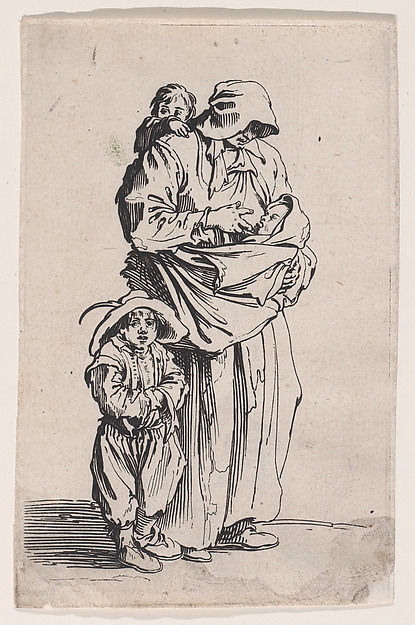
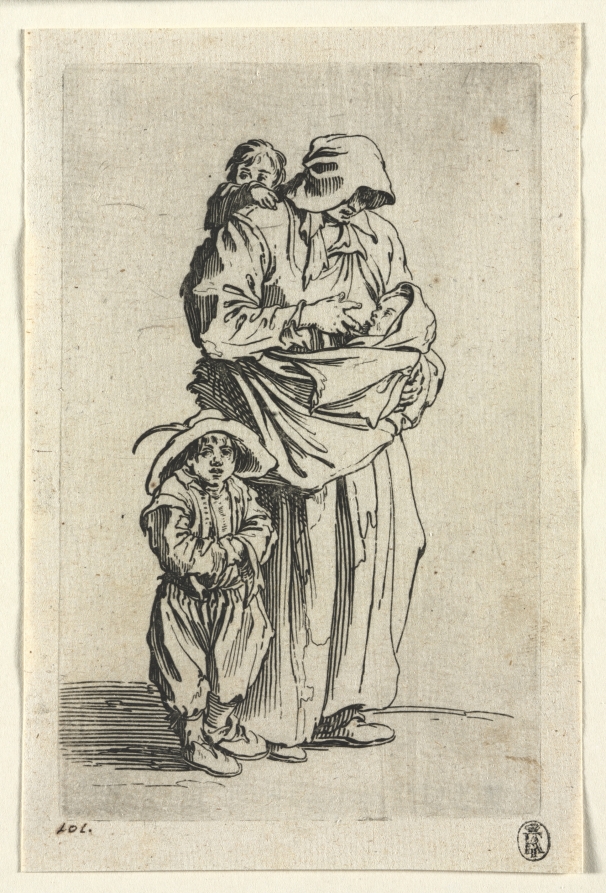
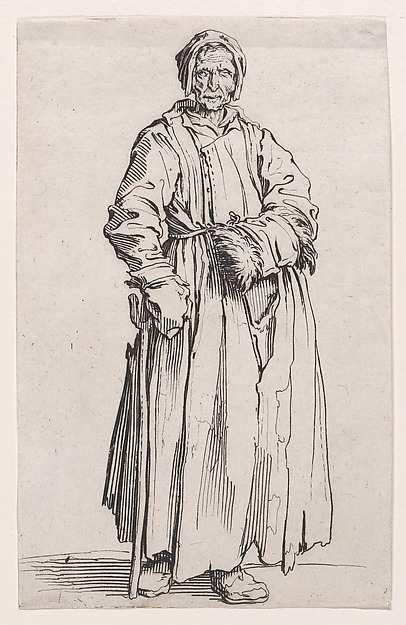
La Mère et ses Trois Enfans (The Mother and her Three Children), from Les Gueux suite appelée aussi Les Mendiants, Les Baroni, ou Les Barons (The Beggars, also called the Barons)Jacques Callot — La Mère et ses Trois Enfans (The Mother andA Mother with her Three Children, plate 18 from The BeggarsJacques Callot — A Mother with her Three Children, plate 18 The Beggars: A Mother and Her Three Children Jacques Callot (French, 1592–1635) — The Beggars: A Mother aLa Borgnesse (The Woman with One Eye), from Les Gueux suite appelée aussi Les Mendiants, Les Baroni, ou Les Barons (The Beggars, also called the Barons)Jacques Callot — La Borgnesse (The Woman with One Eye), fromStanding Saint (apostle?)Pedro Duque Cornejo|Anonymous, Spanish, School of Seville, The Blind Man and his Companion, plate nine from The BeggarsJacques Callot — The Blind Man and his Companion, plate nineGirl carrying a cushion, seen in profile facing rightGuido Reni|Parmigianino (Girolamo Francesco Maria Mazzola) —L'Aveugle et son Compagnon (The Blind Man and his Companion), from Les Gueux suite appelée aussi Les Mendiants, Les Baroni, ou Les Barons (The Beggars, also called the Barons)Jacques Callot — L'Aveugle et son Compagnon (The Blind Man aLa Mendiante Venant de Recevoir la Charité (The Female Beggar Receiving her Charity), from Les Gueux suite appelée aussi Les Mendiants, Les Baroni, ou Les Barons (The Beggars, also called the Barons)Jacques Callot — La Mendiante Venant de Recevoir la Charité Girl carrying a cushion, seen in profile facing rightGuido Reni|Parmigianino (Girolamo Francesco Maria Mazzola) —Girl carrying a cushion, seen in profile facing rightGuido Reni|Parmigianino (Girolamo Francesco Maria Mazzola) —Standing WomanJan van Goyen — Standing Woman