French, Nancy 1592–1635 Nancy| · 109 works on DiscoverArt
Works
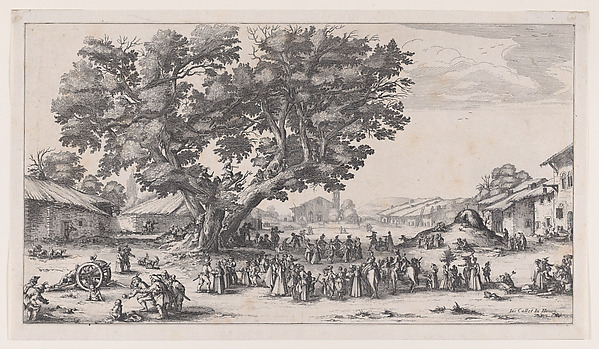
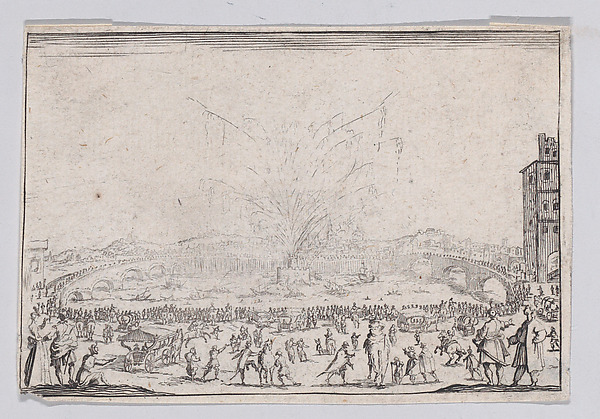
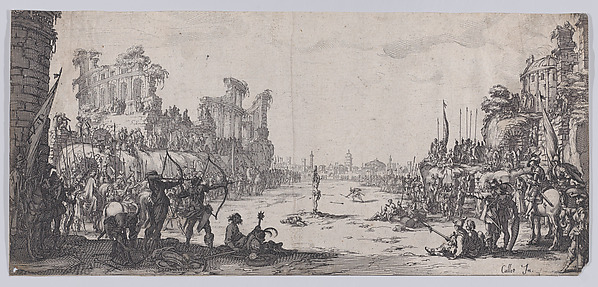
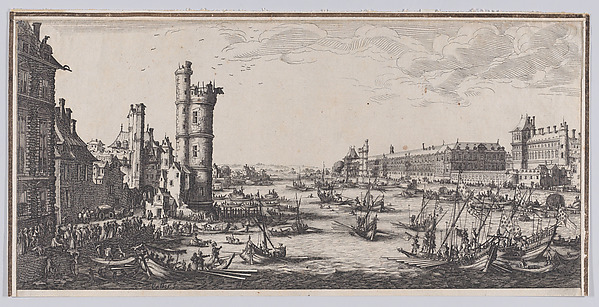
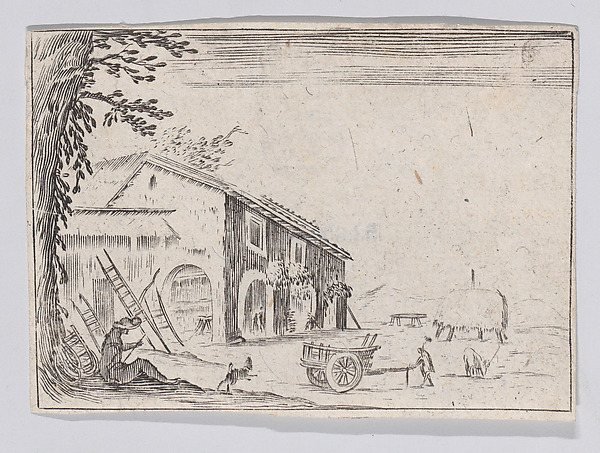
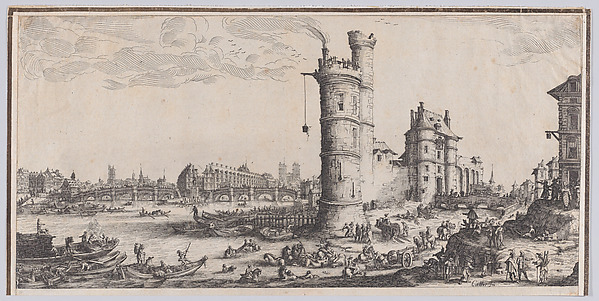
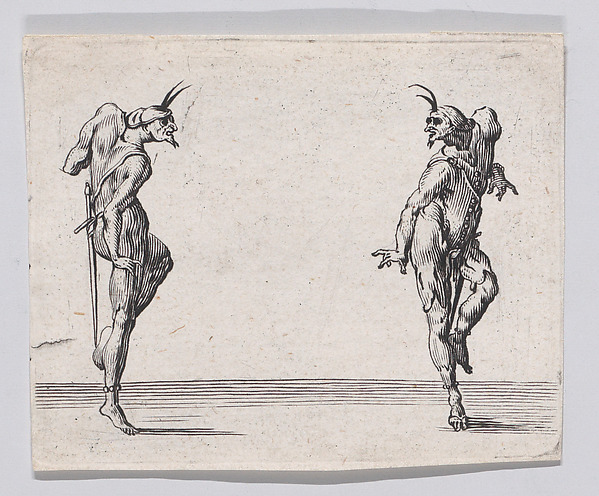
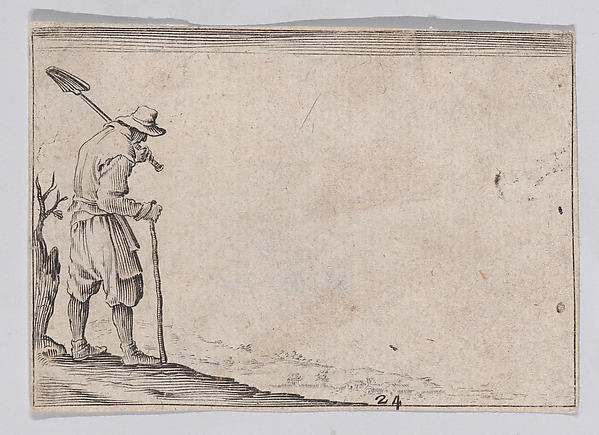
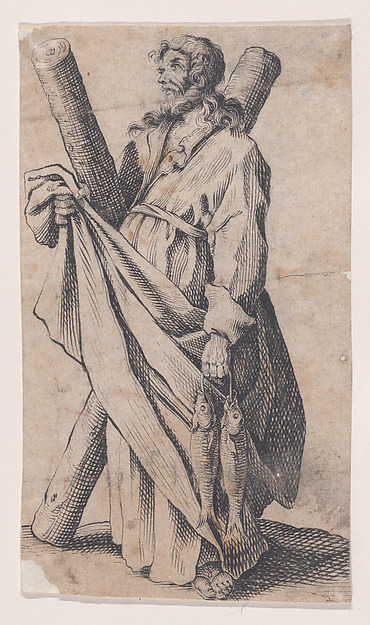
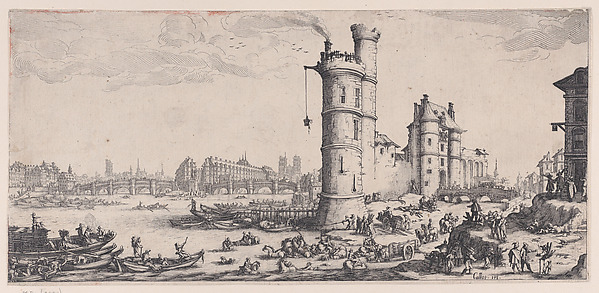
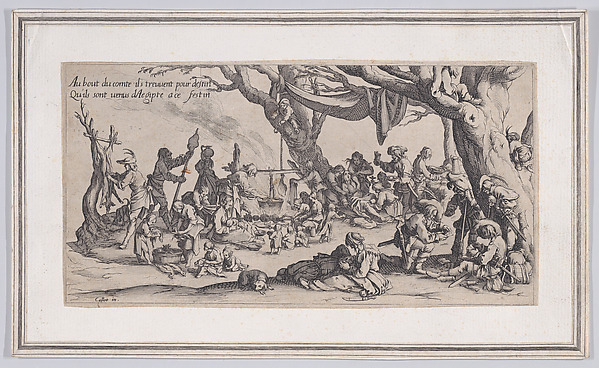
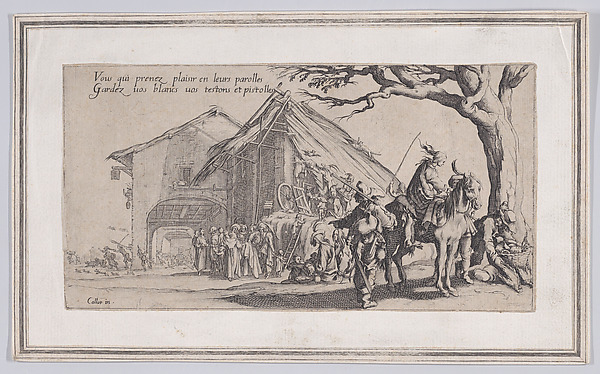
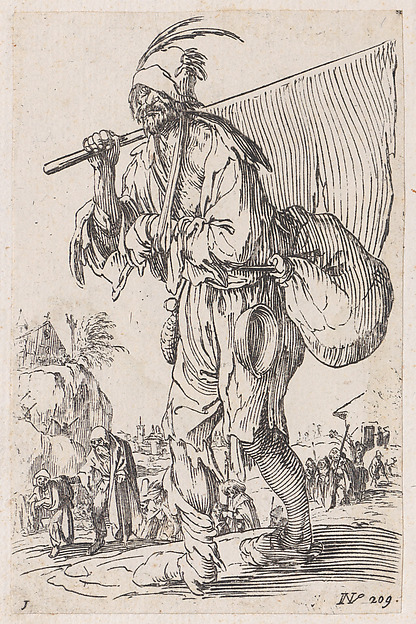
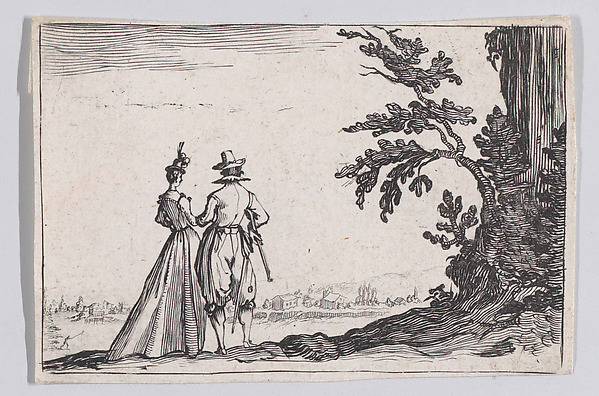
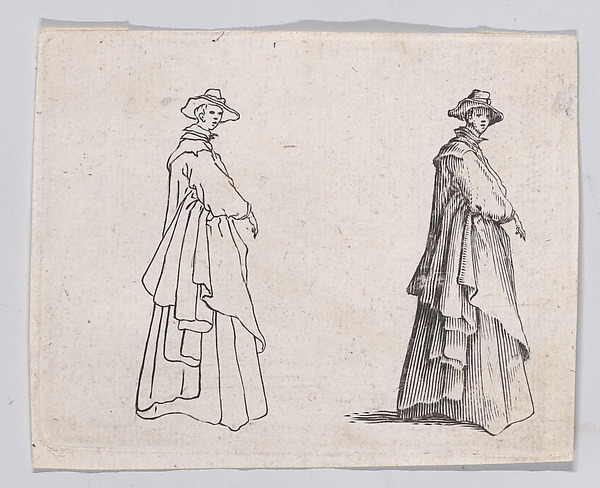
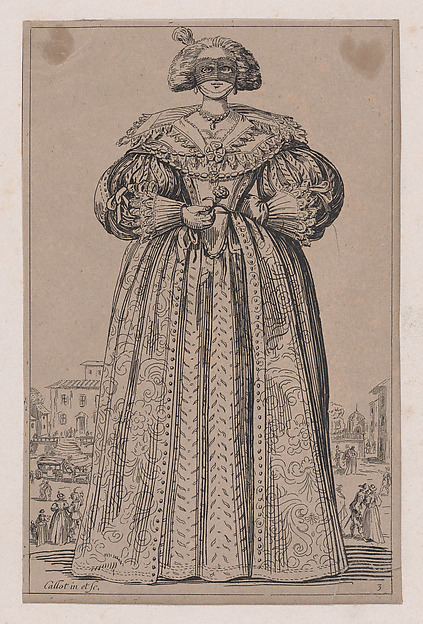
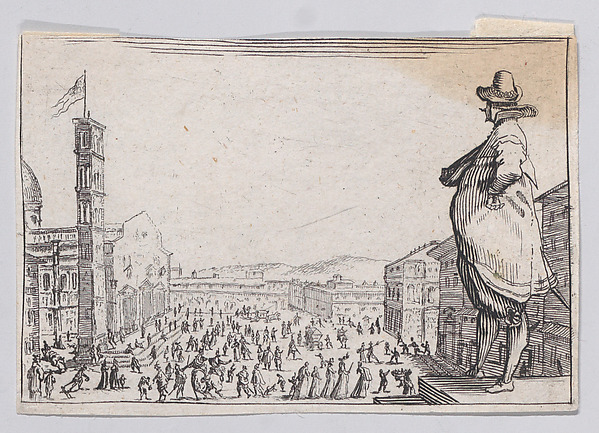
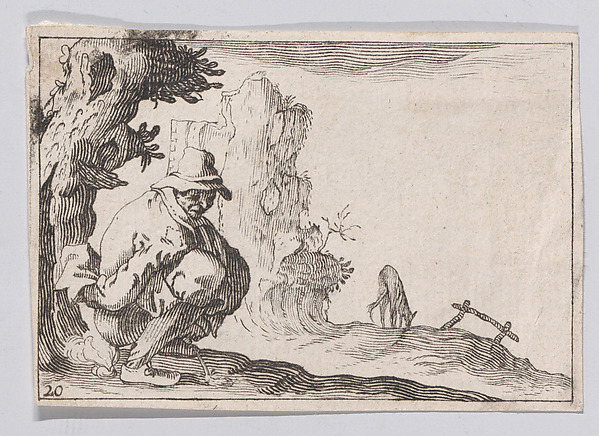
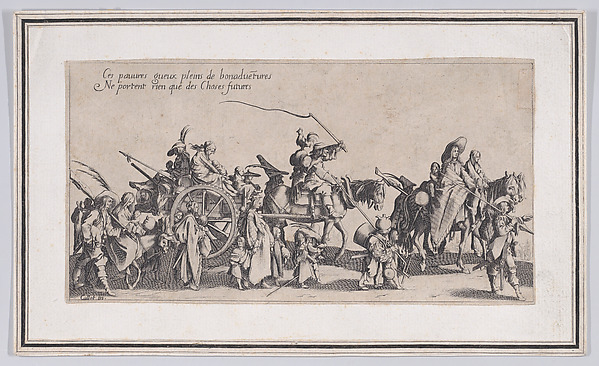
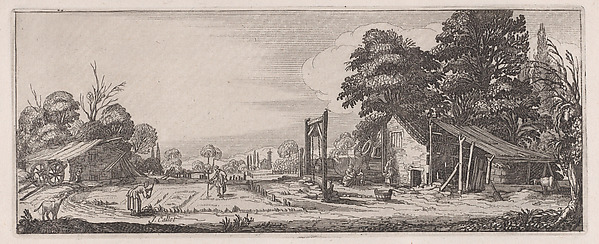
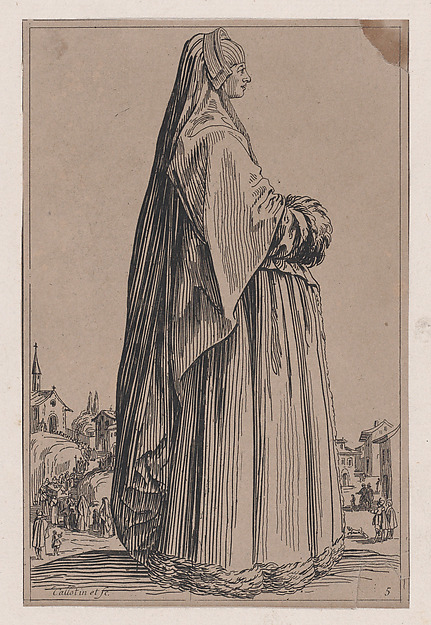
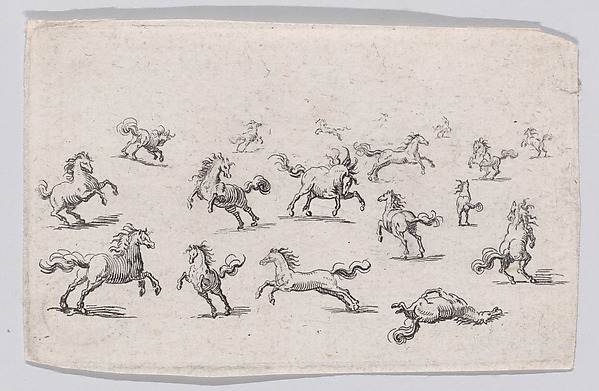
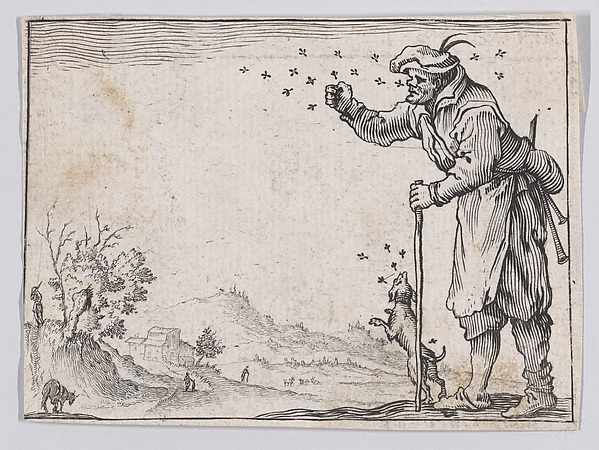
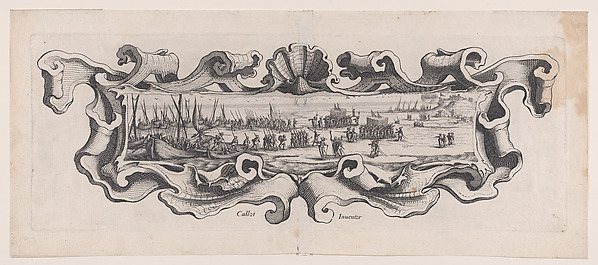
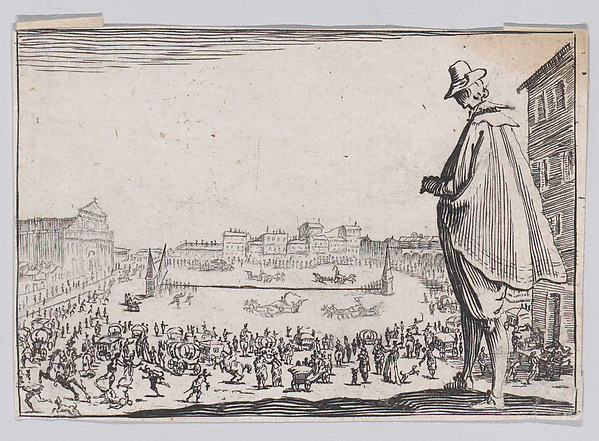
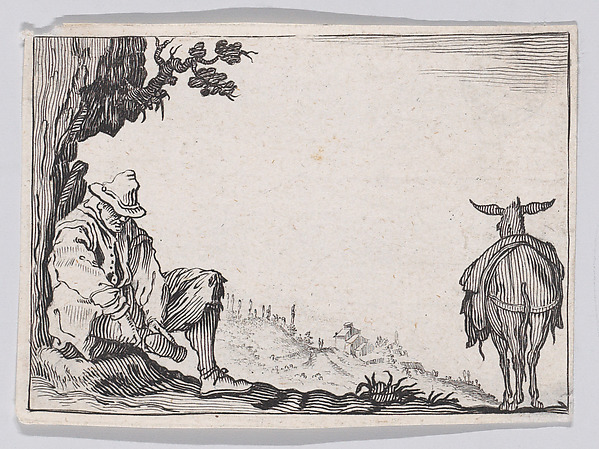
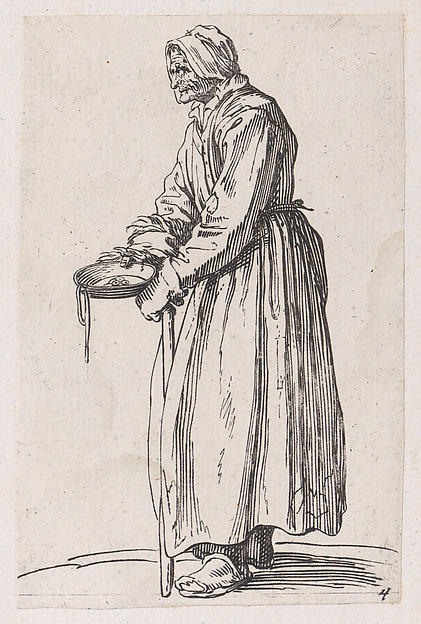
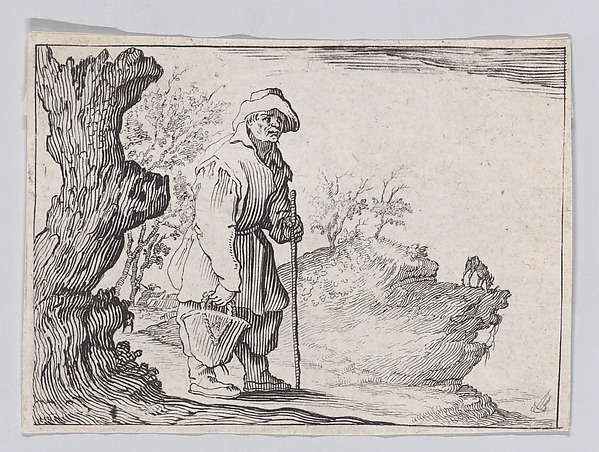
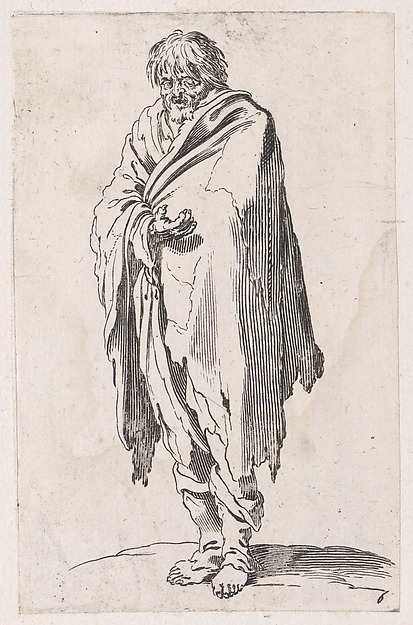
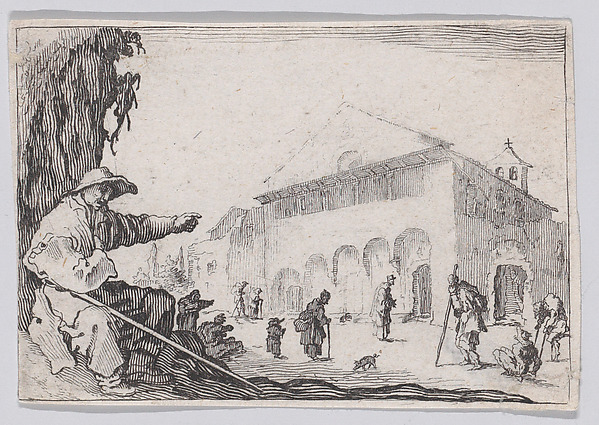
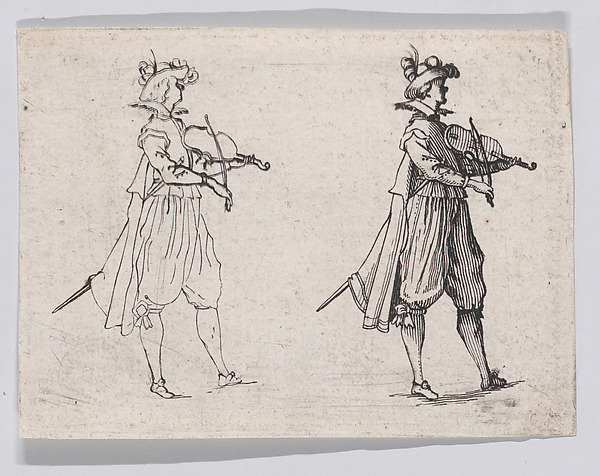
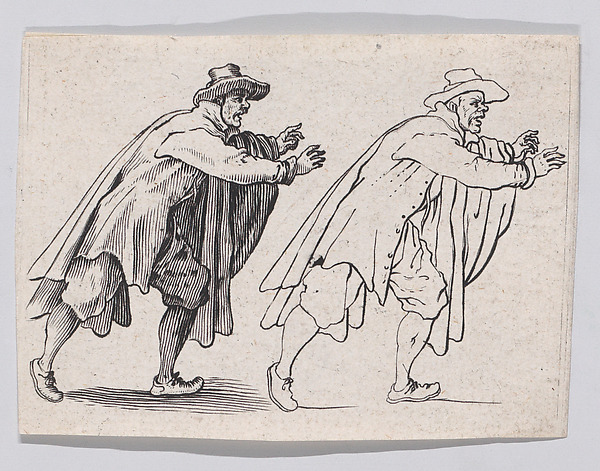
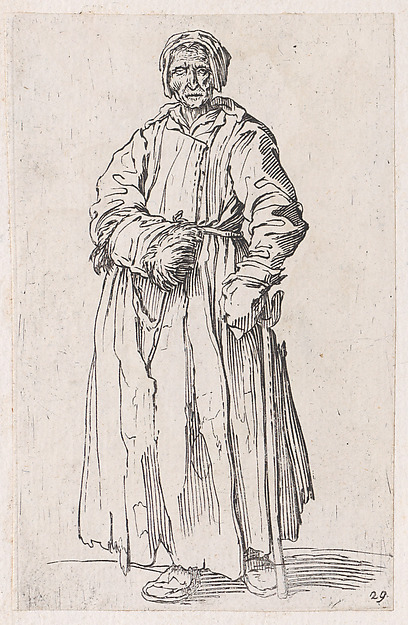
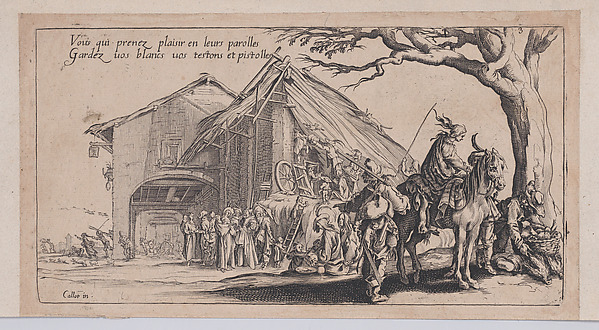
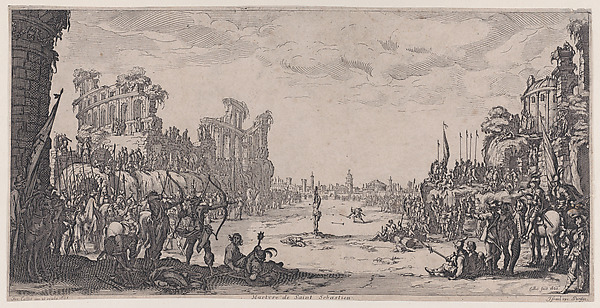
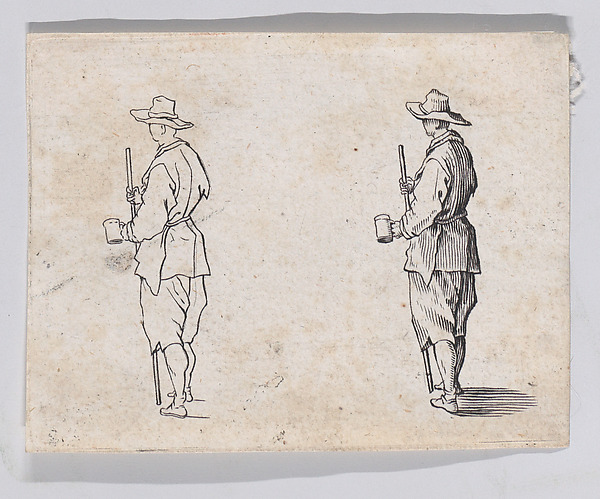
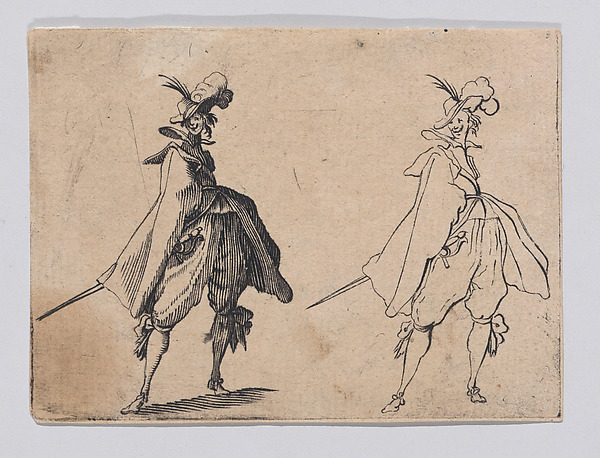
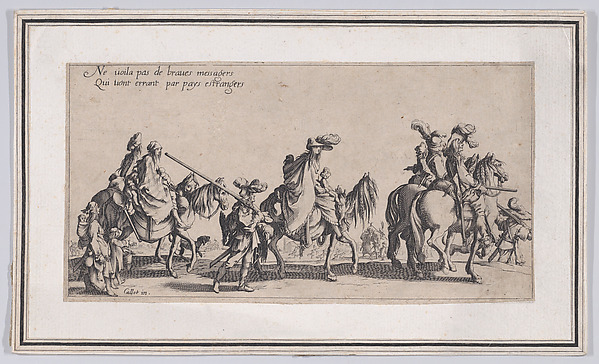
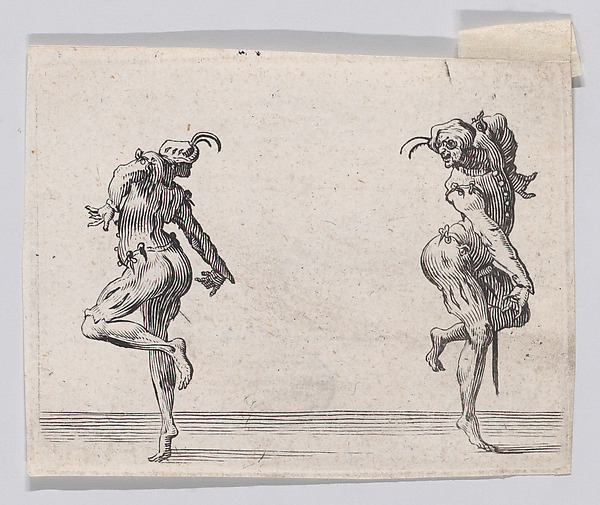
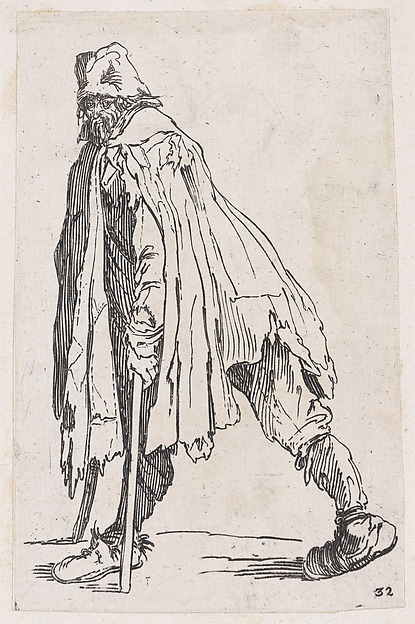
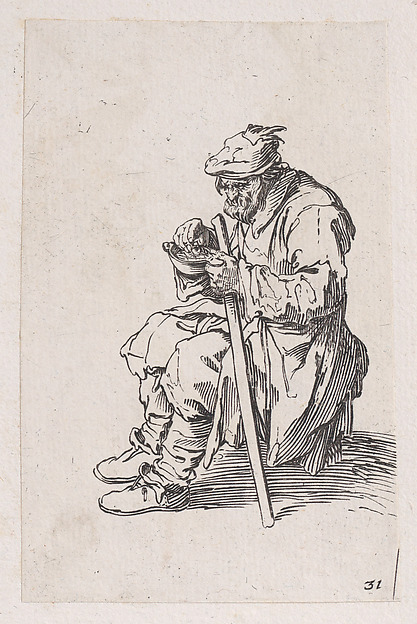
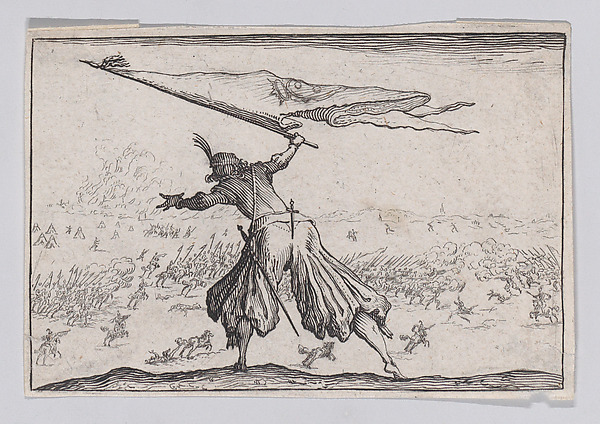
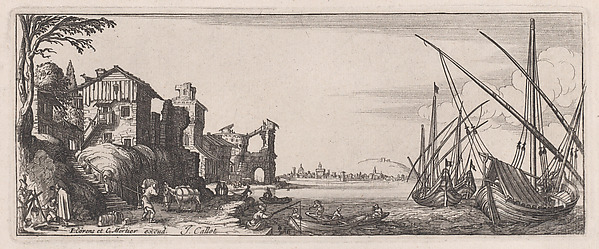
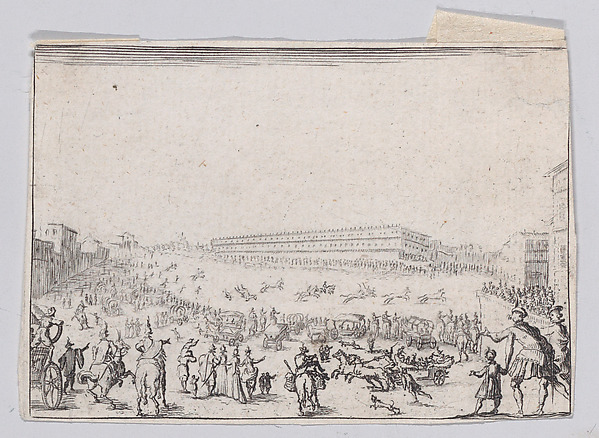
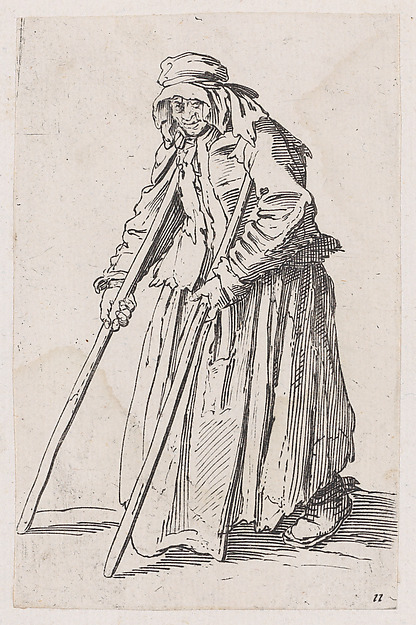
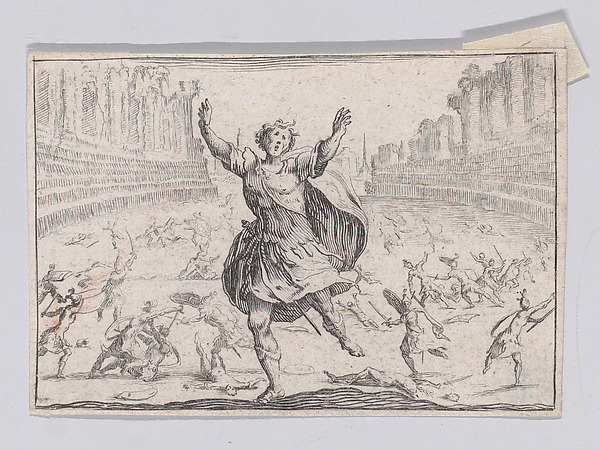
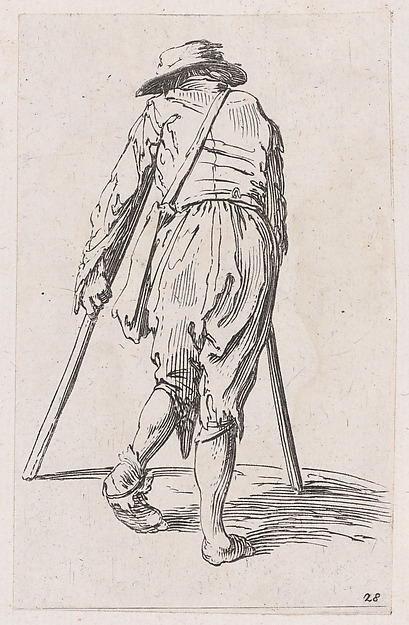
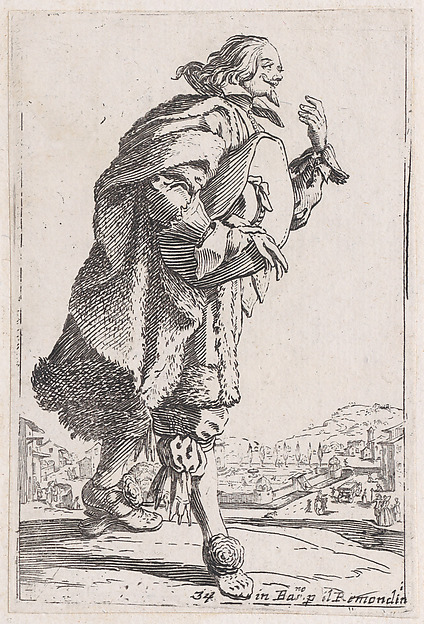
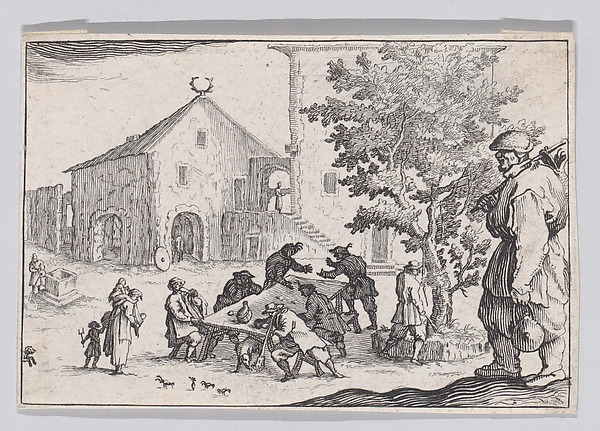
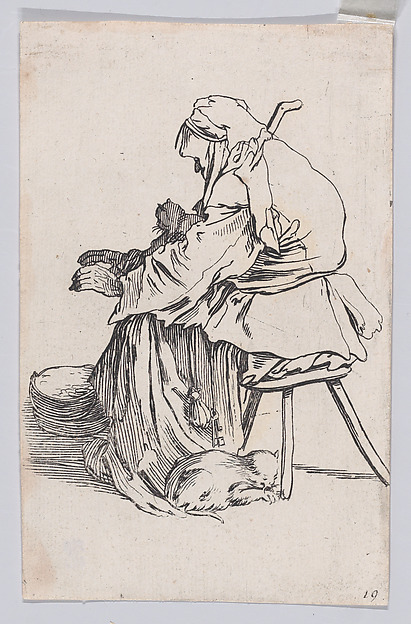
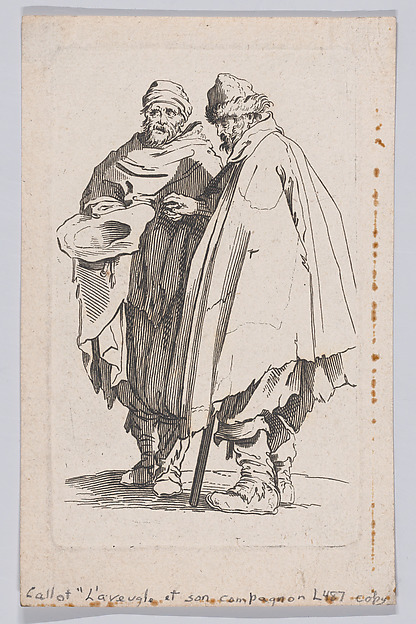
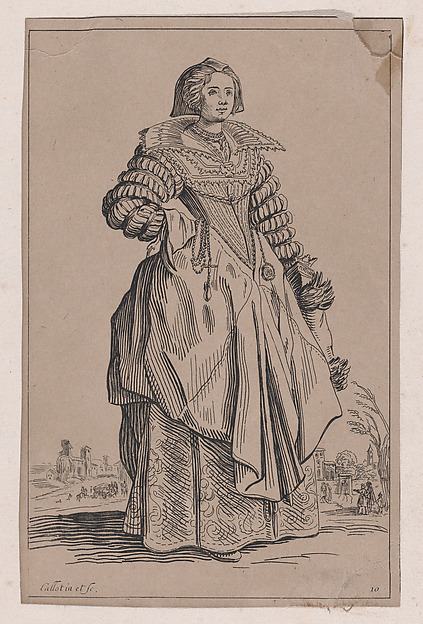
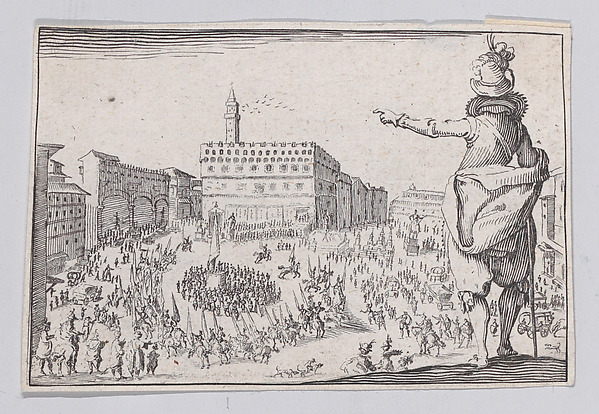
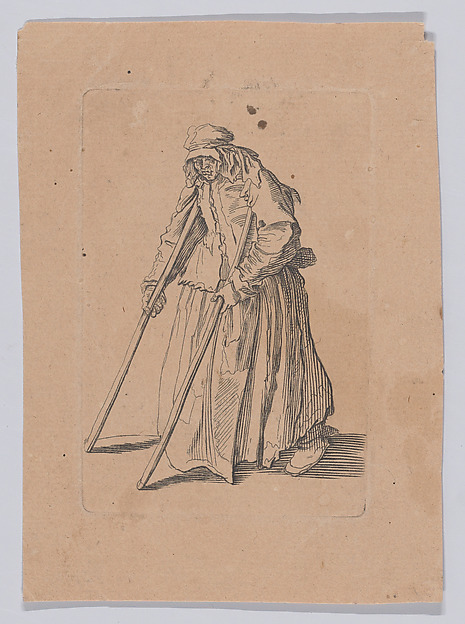
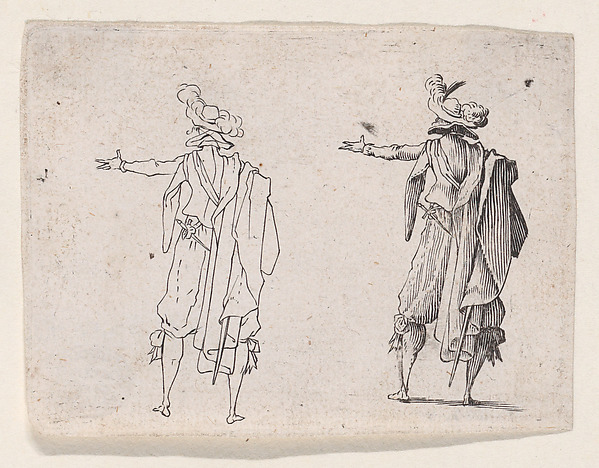
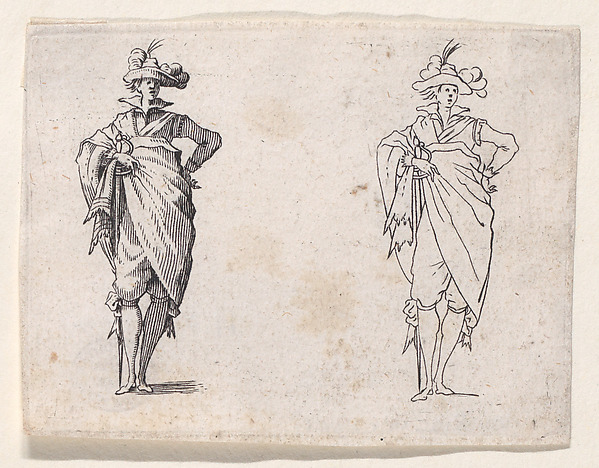
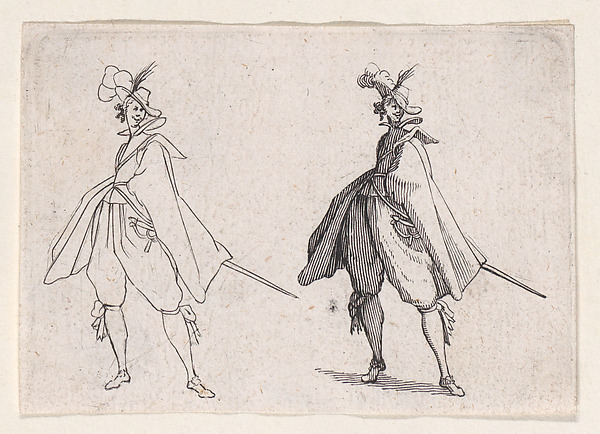
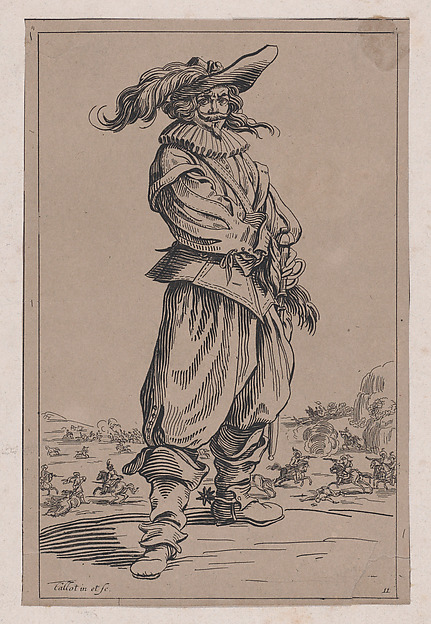
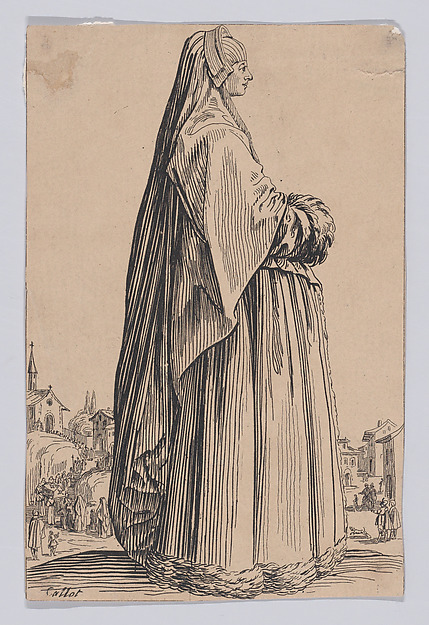
Reverse Copy of La Fiore de Gondreville pièce appelée aussi La Fête du Village, La Petite Foire, Le Bal Champêtre, Le Jeu de Boules (The Fair at Gondreville also called The Village Festival, The Little Fair, The Country Dance, The Game of Bowls)17th centuryReverse Copy of Le Feu d'Artifice sur l'Arno (Fireworks on the Arno), from "Les Caprices"17th centuryCopy of Le Martyre de St. Sébastien (The Martyrdom of St. Sebastian)17th centuryCopy of Vue du Louvre (View of the Louvre), from Les Deux Grandes Vues de Paris (The Two Large Views of Paris)17th centuryReverse Copy of La Factoria (The Factory), from Les Caprices17th centuryCopy of Vue du Pont-Neuf (View of the Pont-Neuf), from Les Deux Grandes Vues de Paris (The Two Large Views of Paris)17th centuryReverse Copy of Les Deux Pantalons se Regardant (Men in Pantsuits Looking at Each Other), from "Les Caprices"17th centuryReverse Copy of Le Paysan Portant sa Pelle sur L'Épaule (The Peasant Carrying his Shovel over his Shoulder), from Les Caprices Series A, The Florence Set17th centuryCopy of St. Andrew, from Les Grands Apôtres Debout, Représentant Le Sauveur, La Bienheureuse Marie et Les SaintsApôtres (The Large Standing Apostles, Representing The Savior, The Blessed Mary and The Apostles)17th centuryCopy of Vue de Pont-Neuf (View of the Pont Neuf), from "Les Deux Grandes Vues de Paris" (The Two Large Views of Paris)17th centuryCopy of Le Halte des Bohémiens: Les Apprêts du Festin (The Gypsy Stopover: The Preparations for the Feast) , from Le Bohémiens, série appelée aussi Les Égyptiens, La Marche des Bohémiens, La Vie Errante des Bohémiens, Les Marches Égyptiennes (The Gypsies, series also called The Egyptians, The Gypsy Troops, The Wandering Lives of Gypsies, The Egyptian Troops)17th centuryCopy of La Halte des Bohémiens: Les Diseuses de Bonne Aventure (The Gypsy Stopover: The Fortune Tellers), from Le Bohémiens, série appelée aussi Les Égyptiens, La Marche des Bohémiens, La Vie Errante des Bohémiens, Les Marches Égyptiennes (The Gypsies, series also called The Egyptians, The Gypsy Troops, The Wandering Lives of Gypsies, The Egyptian Troops)17th centuryReverse Copy of Frontispiece, from Les Gueux suite appelée aussi Les Mendiants, Les Baroni, ou Les Barons (The Beggars, also called the Barons)17th centuryReverse Copy of La Promenade (The Walk), from "Les Caprices" Series A, The Florence Set17th centuryReverse Copy of La Dame au Vêtement Ample (The Woman with the Ample Clothing), from "Les Caprices" Series A, The Florence Set17th centuryCopy of La Dame au Masque (The Lady Wearing a Mask), from La Noblesse (The Nobility)17th centuryReverse Copy of La Place du Dome, a Florence (The Piazza del Duomo, in Florence), from "Les Caprices" Series A, The Florence Set17th centuryCopy of Le Paysan Accroupi (The Peasant Squatting), from Les Caprices17th centuryCopy of Les Bohémiens en Marche: L'Arrière-Garde, pièce aussi appelée Le Départ (The Gypsies Travelling: The Rear Guard, also called The Departure), from Le Bohémiens, série appelée aussi Les Égyptiens, La Marche des Bohémiens, La Vie Errante des Bohémiens, Les Marches Égyptiennes (The Gypsies, series also called The Egyptiens, The Gypsy Troops, The Wandering Lives of Gypsies, The Egyptian Troops)17th centuryReverse Copy of Le Jardin, appelé aussi Le Marais (The Garden, also called The Marsh), from Les Quatre Paysages (The Four Landscapes), plate 117th centuryCopy of La Dame Coiffée d'un Grand Voile et a la Robe Bordée de Fourrures (The Lady Wearing a Long Veil and a Fur-Lined Robe), from La Noblesse (The Nobility)17th centuryLe Zani ou Scapin, from "Les Trois Pantalons pièces appélees Les Trois Acteurs" (The Three Pants also called the Three Actors)17th centuryReverse Copy of Chevaux Courant en Liberté (Horses Running Freely), from "Les Caprices"17th centuryReverse Copy of Le Paysan Assailli par les Abeilles (The Peasant Attacked by Bees), from "Les Caprices" Series A, The Florence Set17th centuryReverse Copy of Le Débarquement des Troupes (The Landing of the Troops)17th centuryReverse Copy of La Course de Chars sur la Place Santa Maria Novella a Florence (The Chariot Race on the Piazza Santa Maria Novella in Florence), from "Les Caprices" Series A, The Florence Set17th centuryReverse Copy of La Paysant se Déchaussant (The Peasant Taking off his Shoes), from "Les Caprices" Series A, The Florence Set17th centuryReverse Copy of La Mendiante a La Sébille (The Female Beggar with The Begging Bowl), from Les Gueux suite appelée aussi Les Mendiants, Les Baroni, ou Les Barons (The Beggars, also called the Barons)17th centuryReverse Copy of Le Paysan Portant son Sac (The Peasant Carrying his Sack), from "Les Caprices" Series A, The Florence Set17th centuryReverse Copy of Le Mendiant a la Tête Découverte et aux Pieds Nus (The Beggar with Bare Head and Feet), from Les Gueux suite appelée aussi Les Mendiants, Les Baroni, ou Les Barons (The Beggars, also called the Barons)17th centuryReverse Copy of L'Hospice (The Almshouse), from "Les Caprices" Series A, The Florence Set17th centuryCopy of Le Joeuer de Violon (The Violin Player), from "Les Caprices"17th centuryCopy of L'Homme Qui Court (The Running Man), from "Les Caprices" Series B, The Nancy Set17th centuryReverse Copy of Le Mendiant aux Béquilles Coiffée d'un Chapeau et Vu de Dos (The Beggar with Crutches Wearing a Hat and Viewed from Behind), from Les Gueux suite appelée aussi Les Mendiants, Les Baroni, ou Les Barons (The Beggars, also called the Barons)17th centuryCopy of La Halte des Bohémiens: Les Diseuses de Bonne Aventure (The Gypsy Stopover: The Fortune Tellers), from "Le Bohémiens, série appelée aussi Les Égyptiens, La Marche des Bohémiens, La Vie Errante des Bohémiens, Les Marches Égyptiennes" (The Gypsies, series also called The Egyptians, The Gypsy Troops, The Wandering Lives of Gypsies, The Egyptian Troops)17th centuryCopy of Le Martyre de St. Sébastien (The Martyrdom of St. Sebastian)17th centuryReverse Copy of Le Paysan Tenant un Gobelet (The Peasant Holding a Cup), from "Les Caprices" Series A, The Florence Set17th centuryReverse Copy of La Gentilhomme au Grand Manteau, Vu de Face (Gentleman with a Large Mantle, Seen from the Front), from Les Caprices Series A, The Florence Set17th centuryCopy of Les Bohémiens en Marche, pièce aussi appelée L'Avant-Garde (The Gypsies Travelling, piece also called The Advance Gard), from Le Bohémiens, série appelée aussi Les Égyptiens, La Marche des Bohémiens, La Vie Errante des Bohémiens, Les Marches Égyptiennes (The Gypsies, series also called The Egyptians, The Gypsy Troops, The Wandering Lives of Gypsies, The Egyptian Troops)17th centuryReverse Copy of Les Deux Pantalons se Tournant le Dos (Two Men in Pantsuits Turned Away from Each Other), from "Les Caprices"17th centuryReverse Copy of Le Mendiant aux Béquilles Coiffée d'un Chapeau et Vu de Dos (The Beggar with Crutches Wearing a Hat and Viewed from Behind), from Les Gueux suite appelée aussi Les Mendiants, Les Baroni, ou Les Barons (The Beggars, also called the Barons)17th centuryReverse Copy of Le Gueux Assis et Mangeant (The Beggar Sitting and Eating), from Les Gueux suite appelée aussi Les Mendiants, Les Baroni, ou Les Barons (The Beggars, also called the Barons)17th centuryCopy of Le Porte-Étendard (The Standard Bearer), from "Les Caprices"17th centuryReverse Copy of Le Petit Port appelé aussi Le Port de Mer (The Small Port, also called the Sea Port), from Les Quatre Paysages (The Four Landscapes)17th centuryReverse Copy of La Course de Chevaux sur la Place Pitti a Florence (The Horse Race at the Piazza Pitti in Florence), from "Les Caprices", Series A, The Florence Set17th centuryReverse Copy of La Mendainte aux Béquilles (The Female Beggar with Crutches), from Les Gueux suite appelée aussi Les Mendiants, Les Baroni, ou Les Barons (The Beggars, also called the Barons)17th centuryReverse Copy of Escarmouche dans un Circque (Skirmish in a Circus), from "Les Caprices"17th centuryReverse Copy Le Mendiant aux Béquilles Coiffé d'un Bonnet (The Beggar on Crutches Wearing a Bonnet), from Les Gueux suite appelée aussi Les Mendiants, Les Baroni, ou Les Barons (The Beggars, also called the Barons)17th centuryReverse Copy of La Mère et ses Trois Enfants (The Woman and her Three Children), from Les Gueux suite appelée aussi Les Mendiants, Les Baroni, ou Les Barons (The Beggars, also called the Barons)17th centuryReverse Copy of L'Auberge (The Inn), from "Les Caprices" Series A, The Florence Set17th centuryCopy of La Vieille aux Chats (The Old Woman with Cats), from "Les Gueux suite appelée aussi Les Mendiants, Les Baroni, ou Les Barons" (The Beggars, also called the Barons)17th centuryCopy of L'Aveugle et son Compagnon (The Blind Man and his Companion), from "Les Gueux suite appelée aussi Les Mendiants, Les Baroni, ou Les Barons" (The Beggars, also called the Barons)17th centuryCopy of La Dame a la Grande Collerette et a la Coiffe Retombant en Arrière (The Lady with the Large Collar and a Headdress that Falls to the Back), from La Noblesse (The Nobility)17th centuryReverse Copy of Une Fête sur la Place de la Signoria a Florence (A Festival on the Piazza della Signoria in Florence), from "Les Caprices" Series A, The Florence Set17th centuryReverse and Reduced Copy of La Mendiante aux Béquilles (The Female Beggar with Crutches), from Les Gueux suite appelée aussi Les Mendiants, Les Baroni, ou Les Barons (The Beggars, also called the Barons)17th centuryReverse Copy of L'Homme vu de Dos, La Main Droit Tendue (Man Viewed from Behind, His Right Hand Extended), from "Les Caprices" Series A, The Florence Set17th centuryReverse Copy of Le Gentilhomme de Face, La Main Droite sur la Hanche (Gentleman Facing Forward, His Right Hand on his Hip), from "Les Caprices" Series A, The Florence Set17th centuryCopy of Le Gentilhomme au Grand Manteau, Vu de Face (Gentleman with a Large Mantle, Viewed from the Front), from "Les Caprices" Series A, The Florence Set17th centuryCopy of Le Guerrier au Chapeau Orné d'une Grande Plume (The Officer with a Large Feather in His Hat), from La Noblesse (The Nobility)17th centuryCopy of La Dame Coiffée d'un Grand Voile et a la Robe Bordée de Fourrures (The Lady Wearing a Long Veil and a Fur-Lined Robe), from "La Noblesse" (The Nobility)17th century