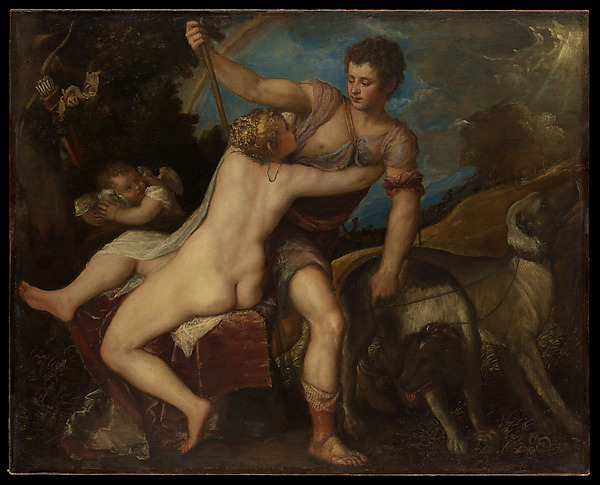
In the collection of Cleveland Museum of Art, Cleveland — check current display status with the museum.
FROM THE CLEVELAND MUSEUM OF ART’S CATALOG
To make this monumental woodcut—considered one of the most ambitious prints of the Renaissance—Titian probably drew directly on the wooden blocks, after which a skilled cutter completed the blocks. The size rivals that of a painting, and the composition would have hung on a wall. Titian’s bold vision presents nature as a vehicle of God’s mercy and wrath. Moses, at right, having parted the seas for the Israelites to pass, commands them to close over the Egyptian forces (Exodus 14:21–31). Titian propelled the narrative with remarkable unity, dedicating entire blocks to the turbulent sea and rolling clouds that culminate in a magnificent cliff and Renaissance city. Some have interpreted the scene as an allegory of Venice’s troubles with the League of Cambrai, a military alliance that threatened the island city.
Be the first to share your thoughts.
Sign in to join the discussion.
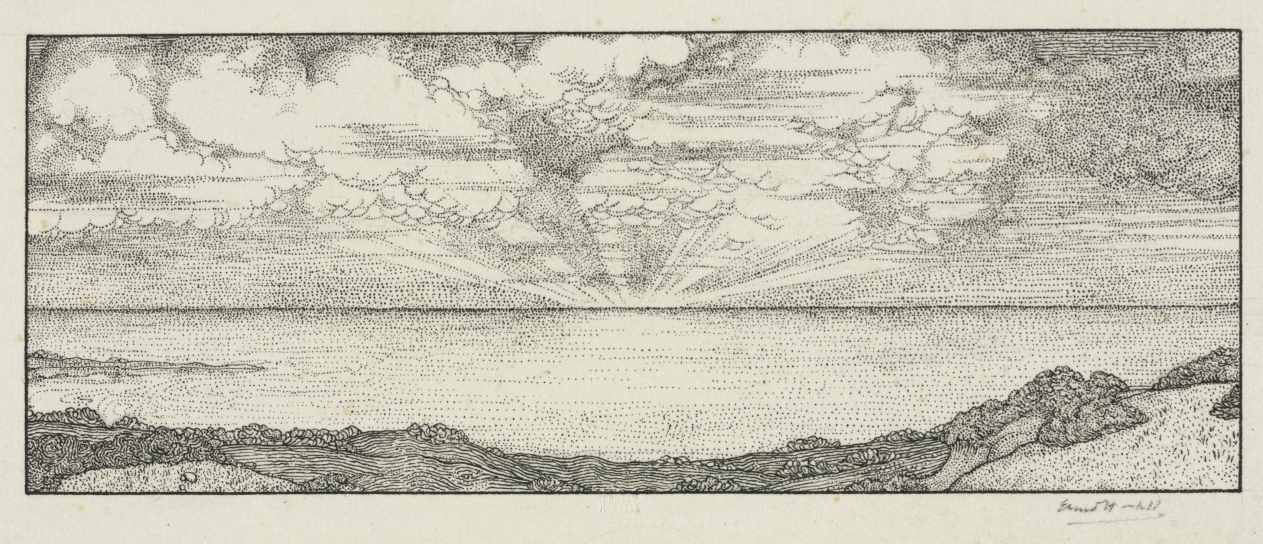 Ernest Haskell (American, 1876–1925) — Sunrise
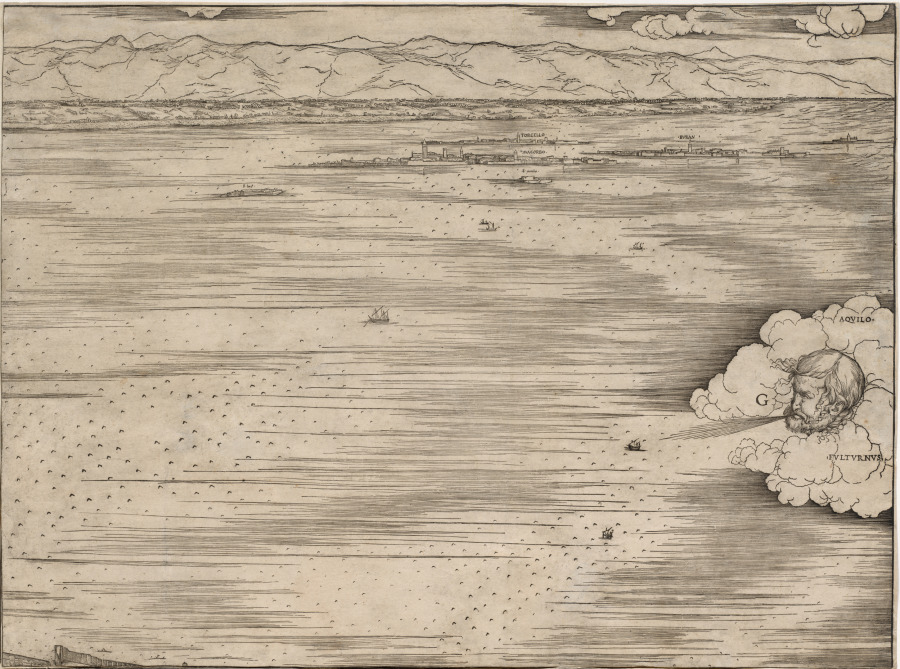 Jacopo de' Barbari (Italian, c. 1460/70–c. 1516) — View of V
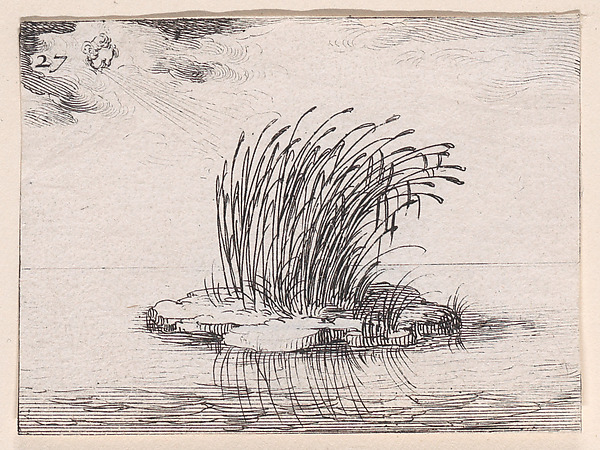 François Langlois|Jacques Callot — Les Roseaux et Le Vent (T
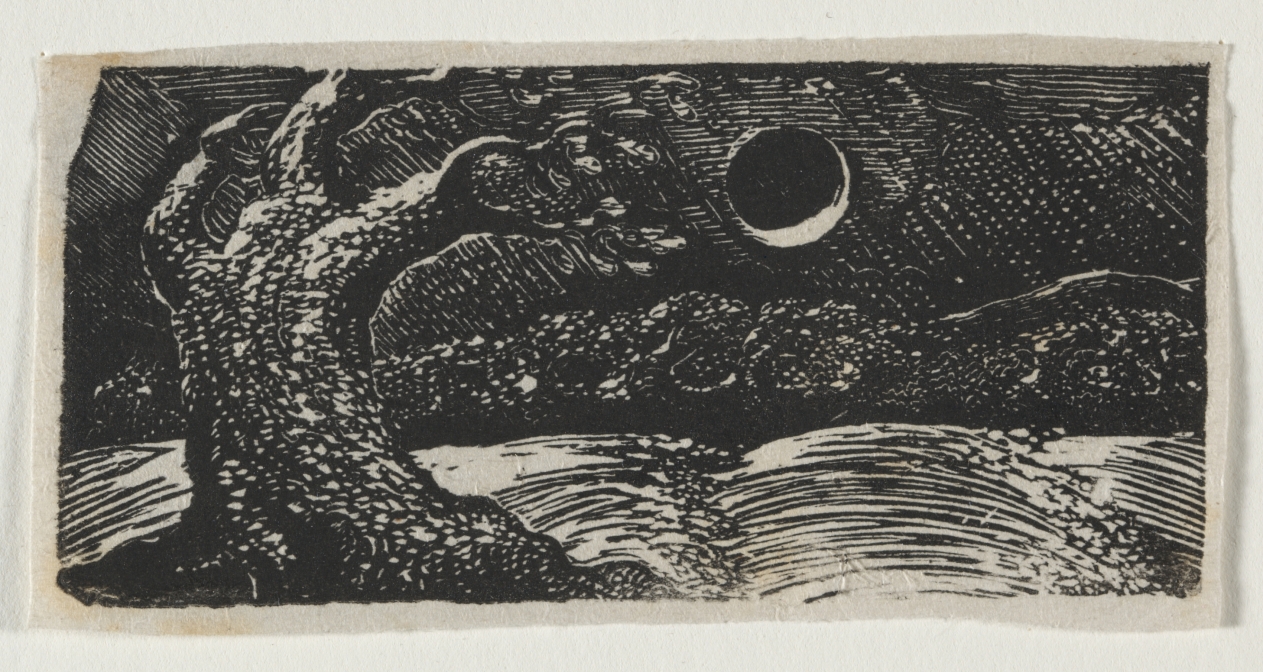 William Blake (British, 1757–1827) — The Pastorals of Virgil
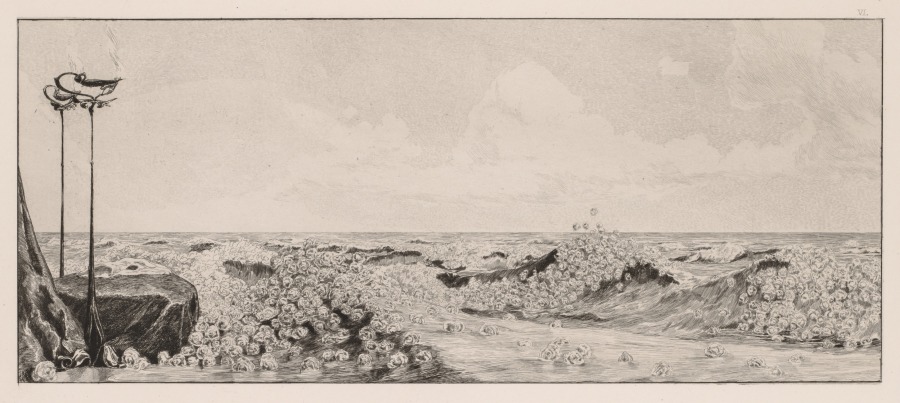 Max Klinger (German, 1857–1920) — Homage
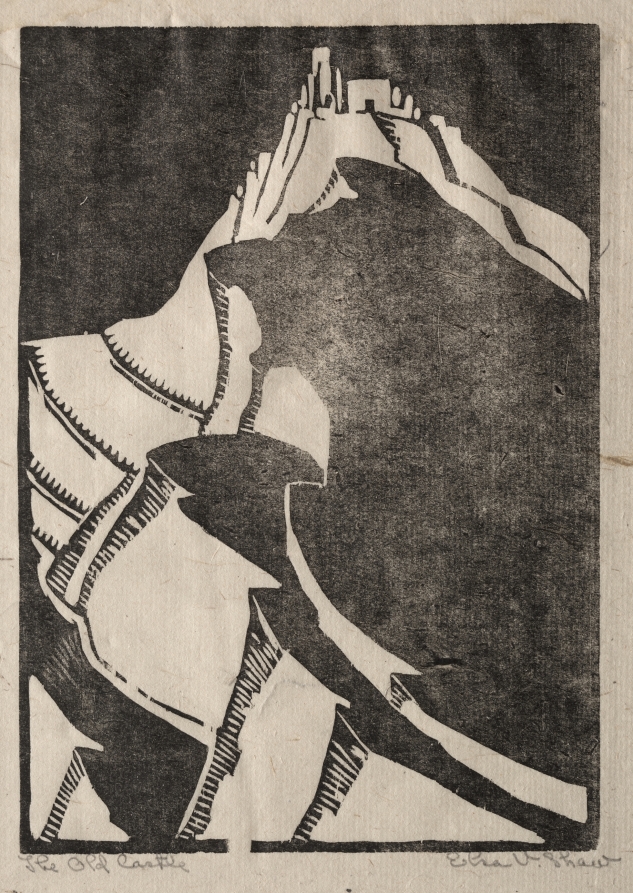 Elsa Vick Shaw (American, 1891–1974) — The Old Castle
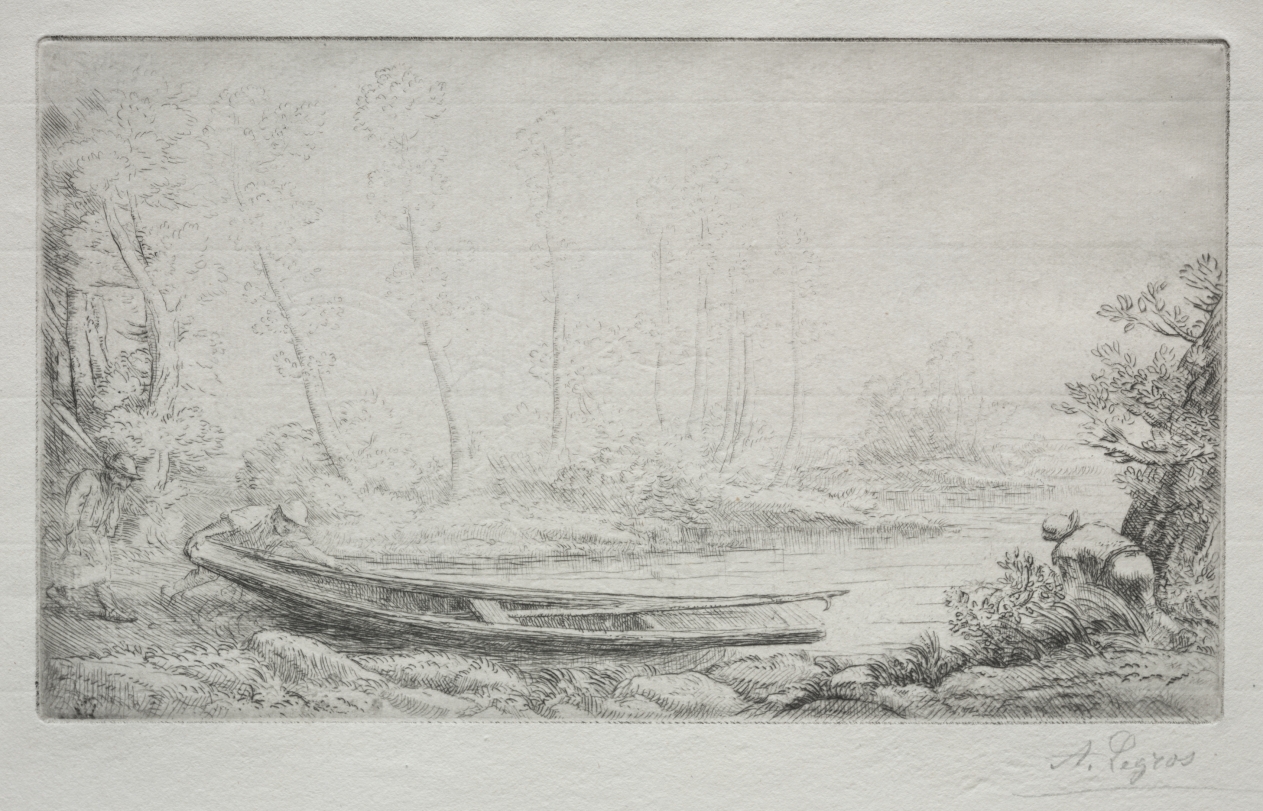 Alphonse Legros (French, 1837–1911) — Le Départ pour le pêch
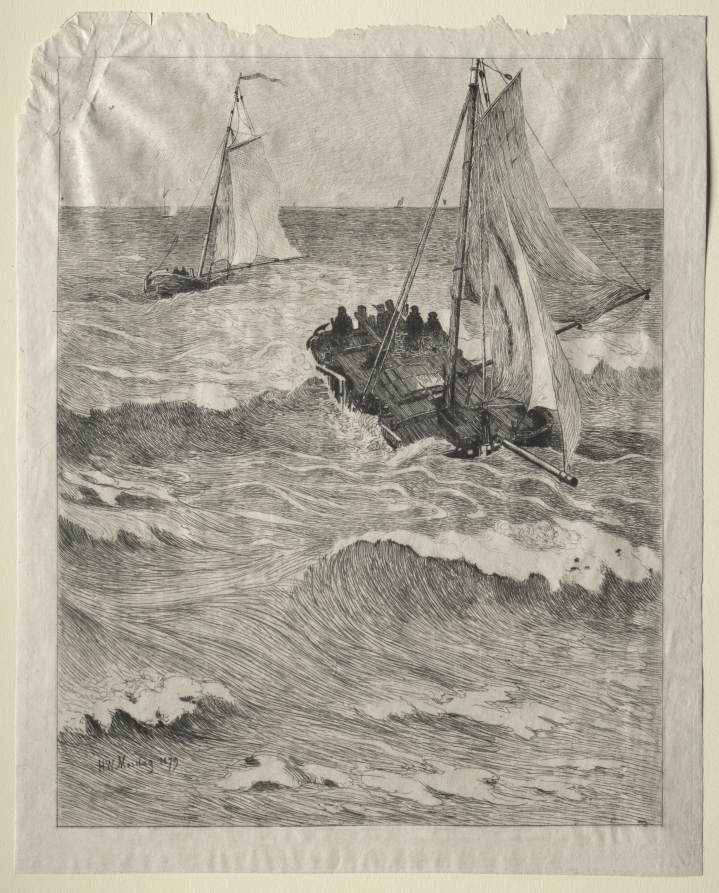 Hendrik Willem Mesdag (Dutch, 1831–1915) — Marine Scene
 John Henry Twachtman — Niagara
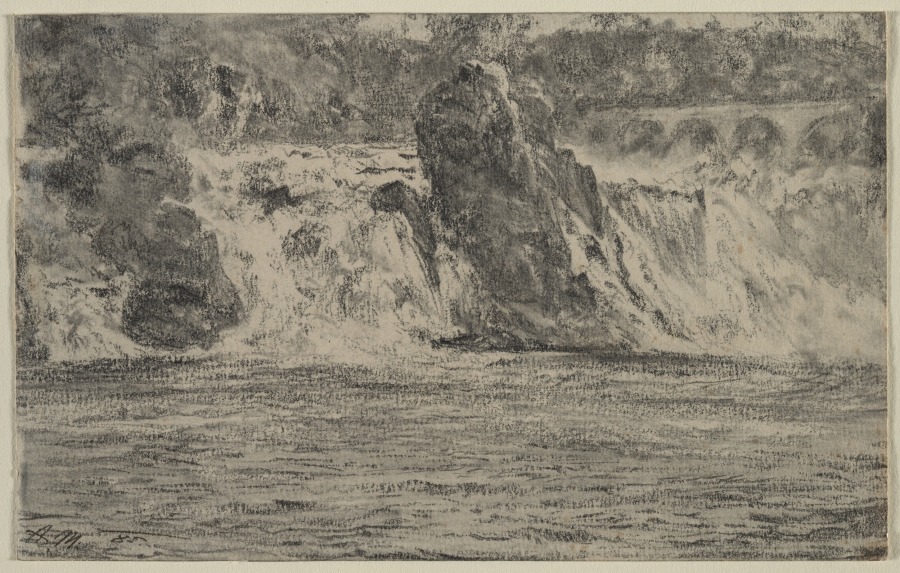 Adolph von Menzel (German, 1815–1905) — Falls of the Rhine a
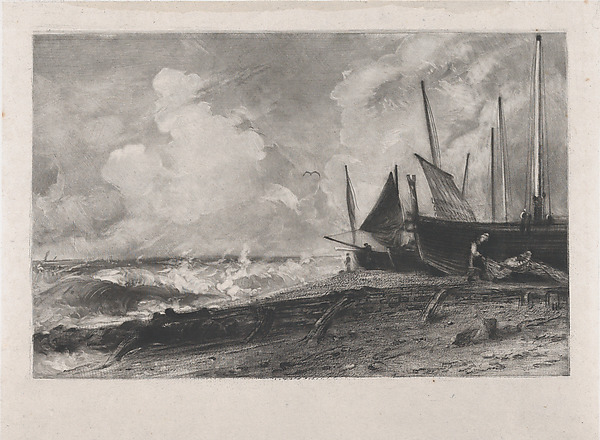 David Lucas|John Constable — A Sea Beach
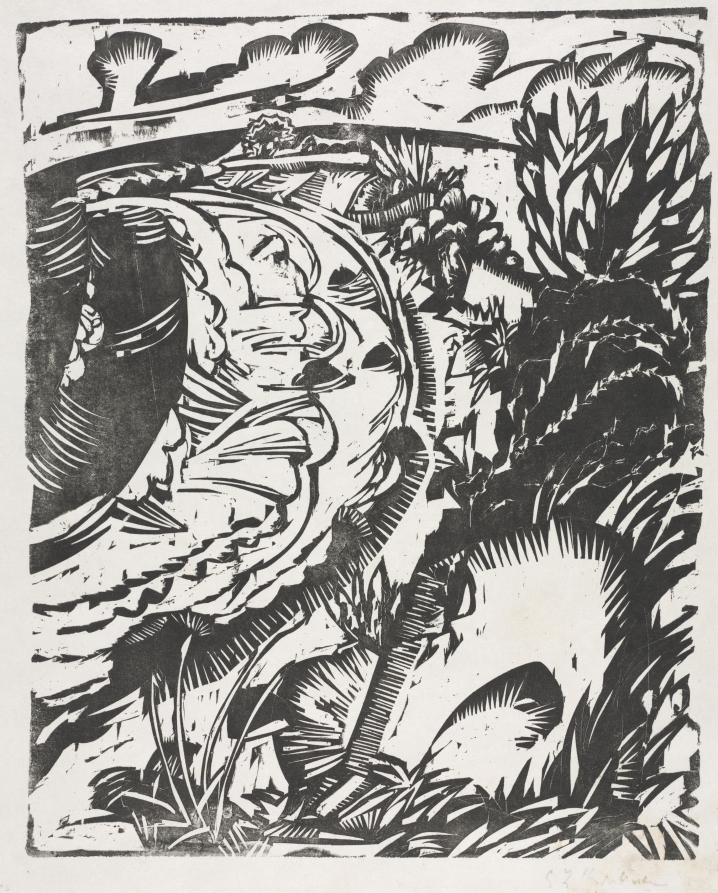 Ernst Ludwig Kirchner (German, 1880–1938) — Dune Landscape w