In the collection of Cleveland Museum of Art, Cleveland — check current display status with the museum.
FROM THE CLEVELAND MUSEUM OF ART’S CATALOG
William Blake conceived and engraved 17 designs for Dr. Robert John Thornton’s The Pastorals of Virgil , a popular schoolbook used in teaching Latin. The publication included translations of poems by ancient Roman author Virgil that focus on a rural setting as both a subject matter and as the background for discussions of various issues, from love to politics. Blake’s illustrations reveal his emphasis on the natural world. As his only wood engravings, they also show how the process entails cutting away from the woodblock to create lighter sections, in essence working in white over a black background. Here, several areas—such as the textures of the trees—emphasize that point.
Be the first to share your thoughts.
Sign in to join the discussion.
 William Blake|Robert John Thornton|Virgil — Blasted Trees an
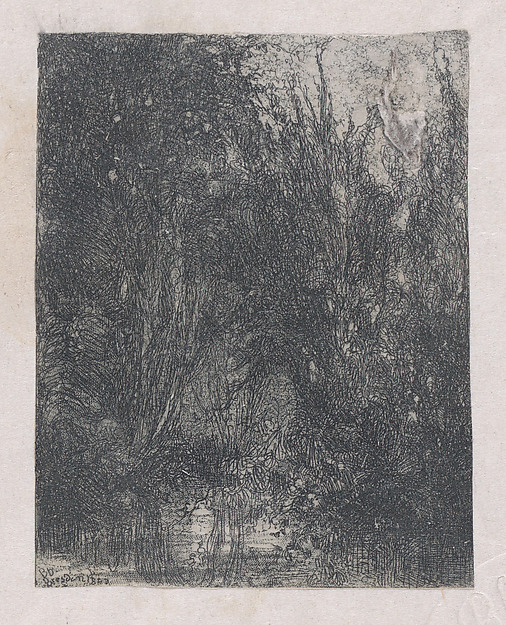 Rodolphe Bresdin — La Marécage (The Marsh)
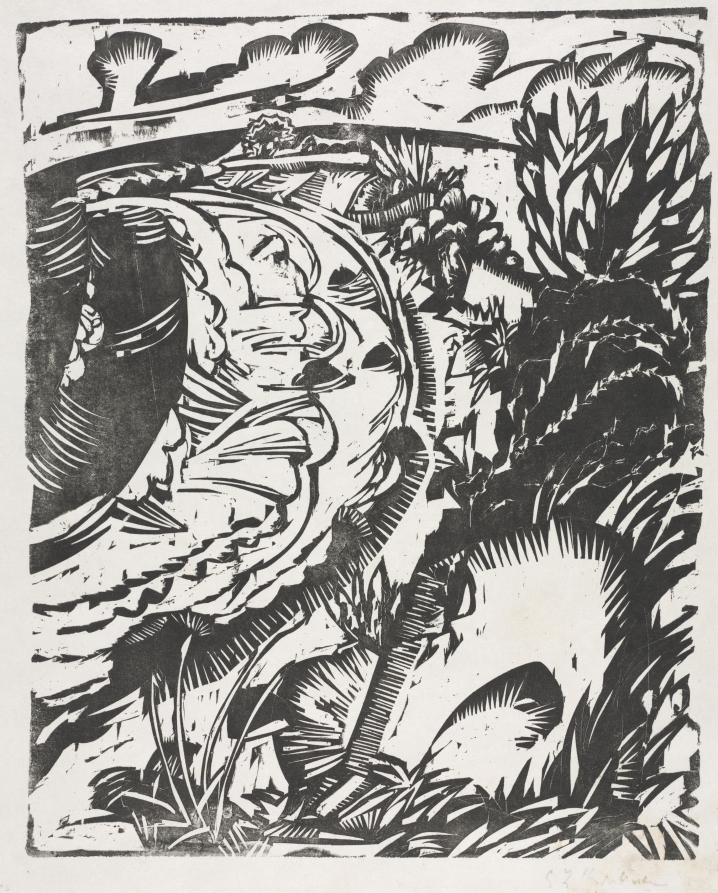 Ernst Ludwig Kirchner (German, 1880–1938) — Dune Landscape w
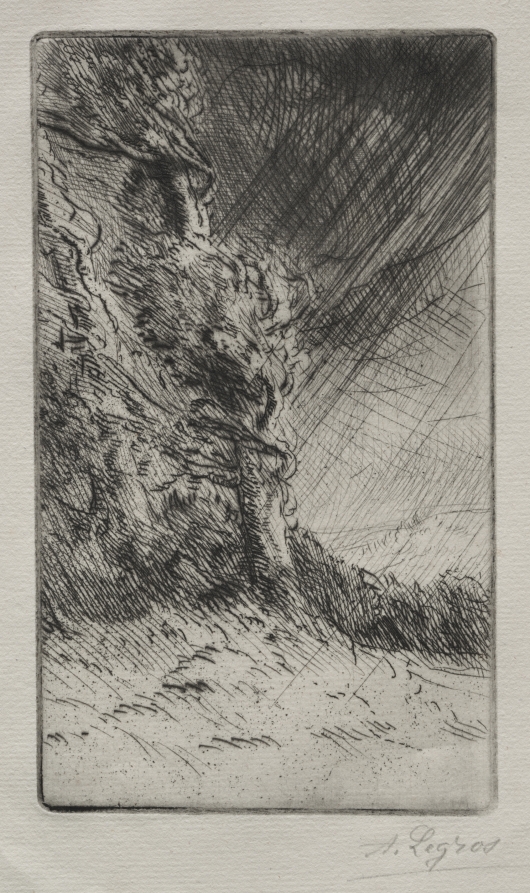 Alphonse Legros (French, 1837–1911) — A Gust of Wind
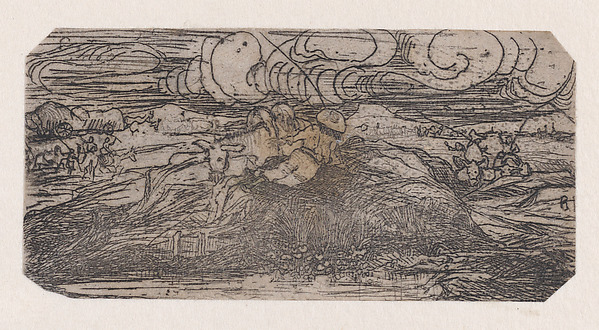 Rodolphe Bresdin — L'Homme à L'Âne (The Man with Donkey)
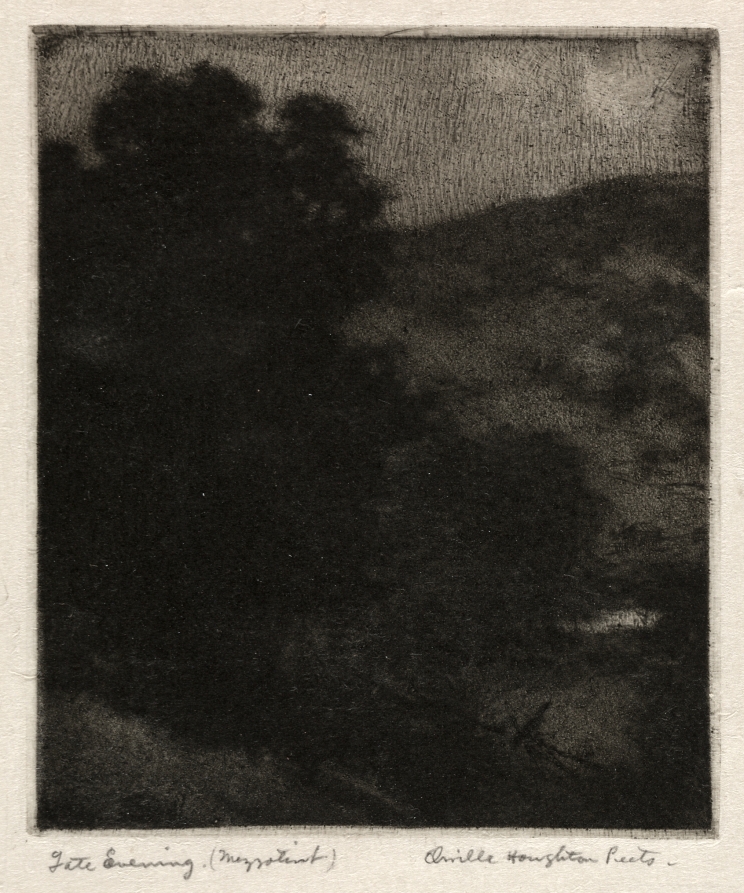 Orville Houghton Peets (American, 1884–1968) — Late Evening
 Virgil|William Blake|Robert John Thornton — Sabrina's Silver
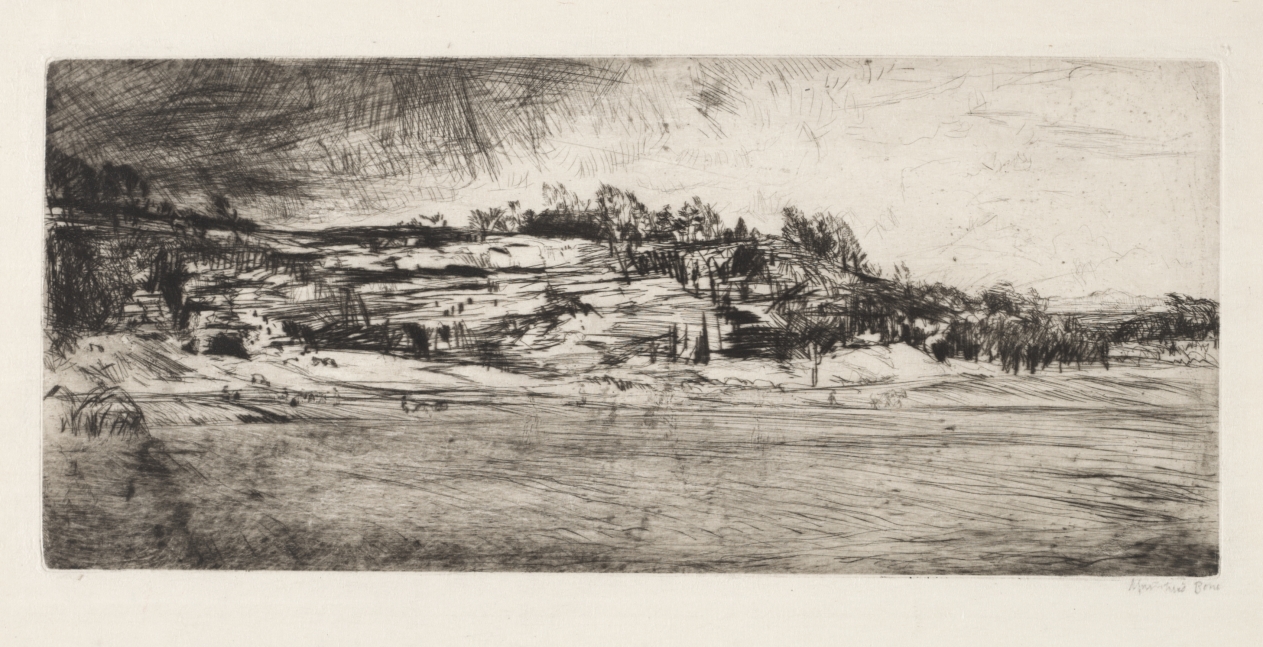 Muirhead Bone (British, 1876–1953) — Spring at Cardross
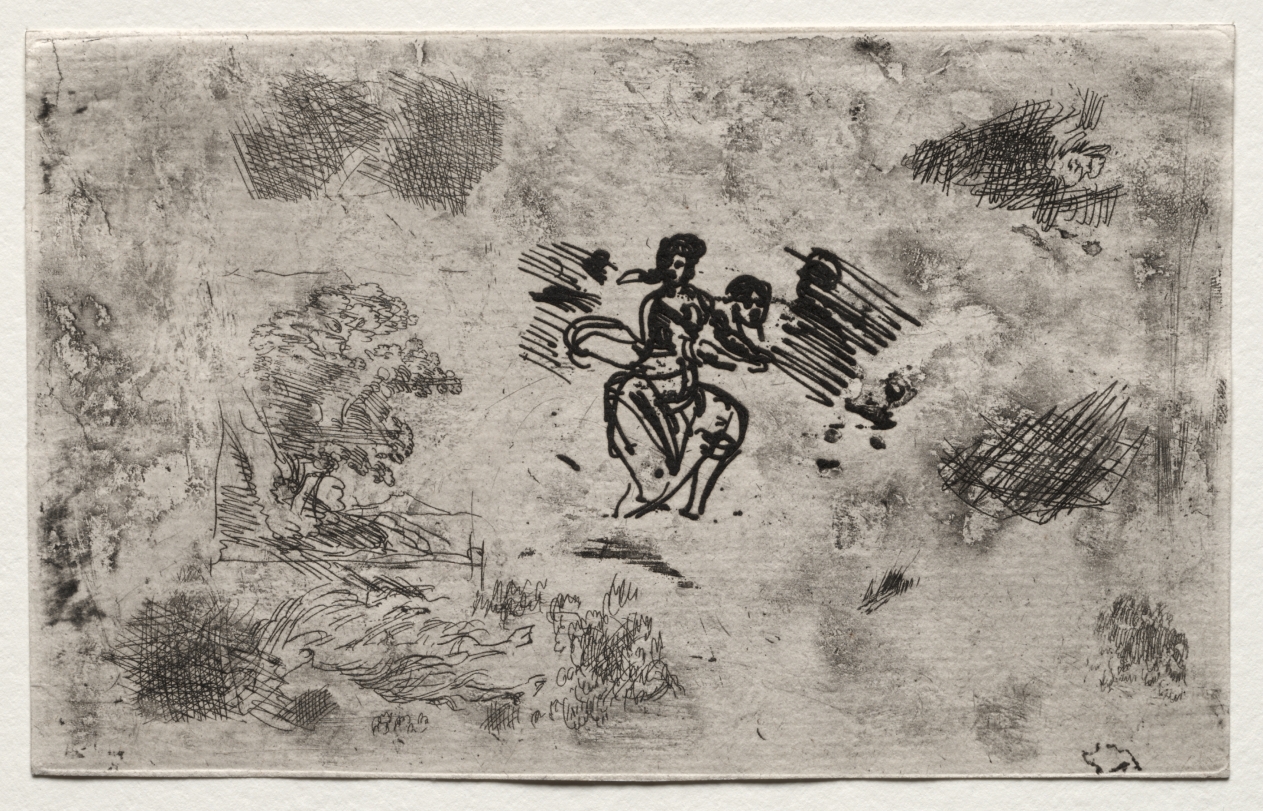 Claude Lorrain (French, 1604–1682) — Study of a Seated Woman
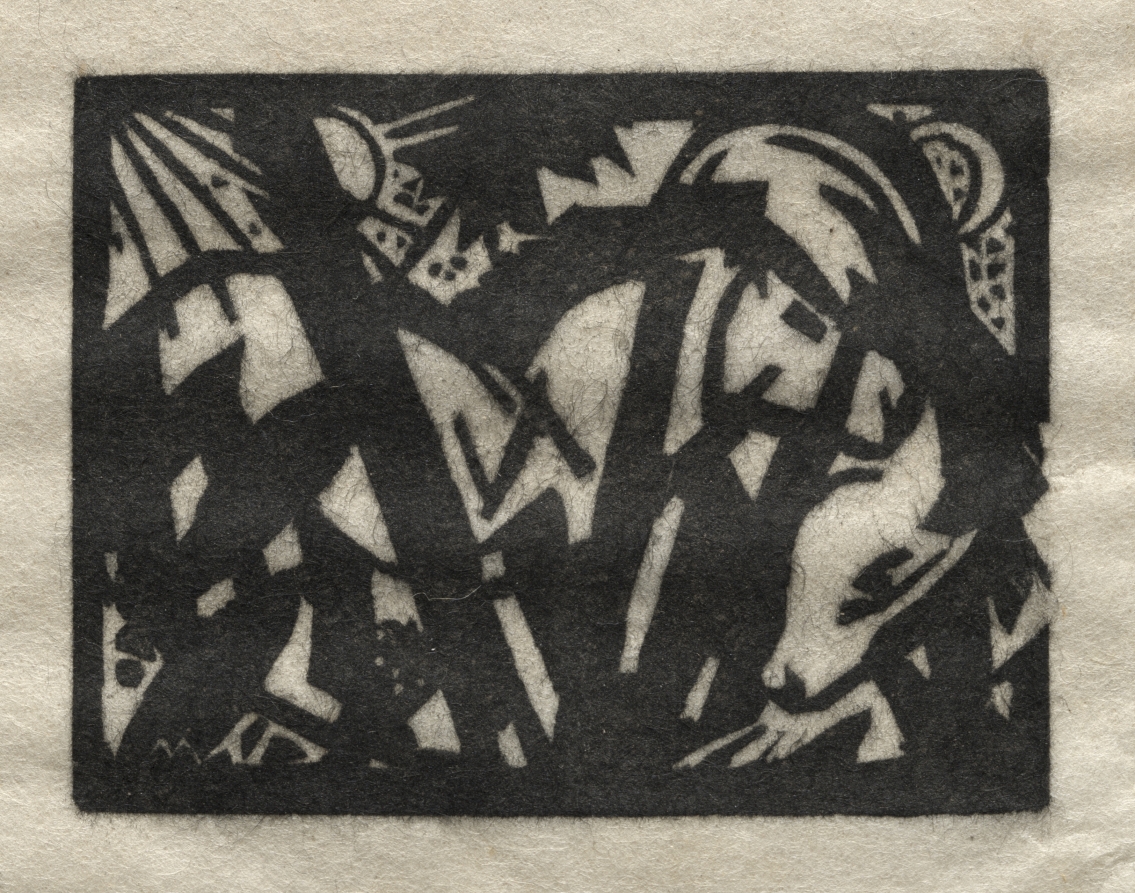 Franz Marc (German, 1880–1916) — Horse
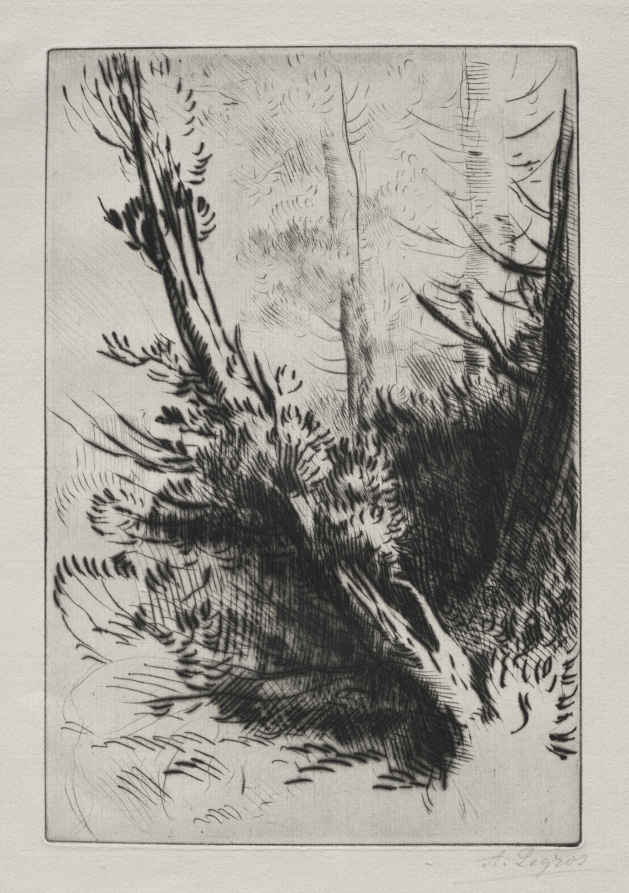 Alphonse Legros (French, 1837–1911) — In the Woods
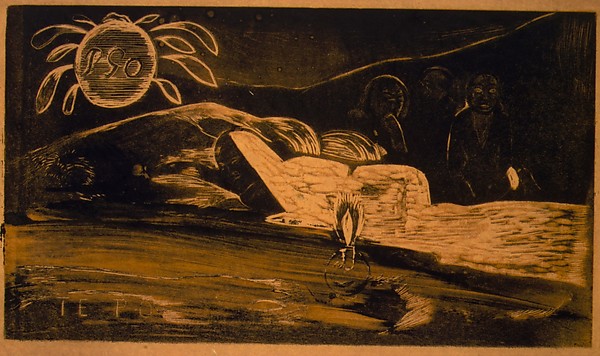 Paul Gauguin — Te Po