FROM THE CLEVELAND MUSEUM OF ART’S CATALOG
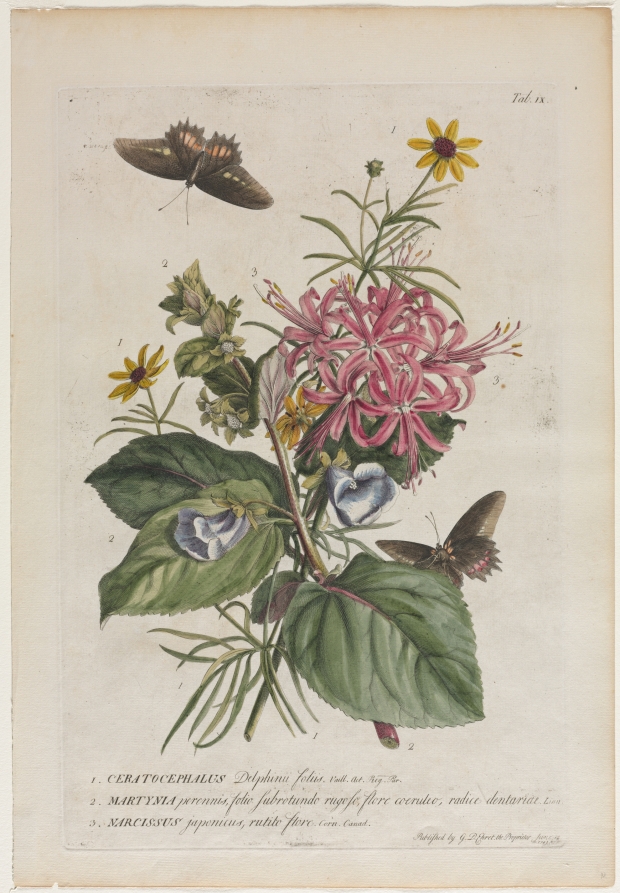
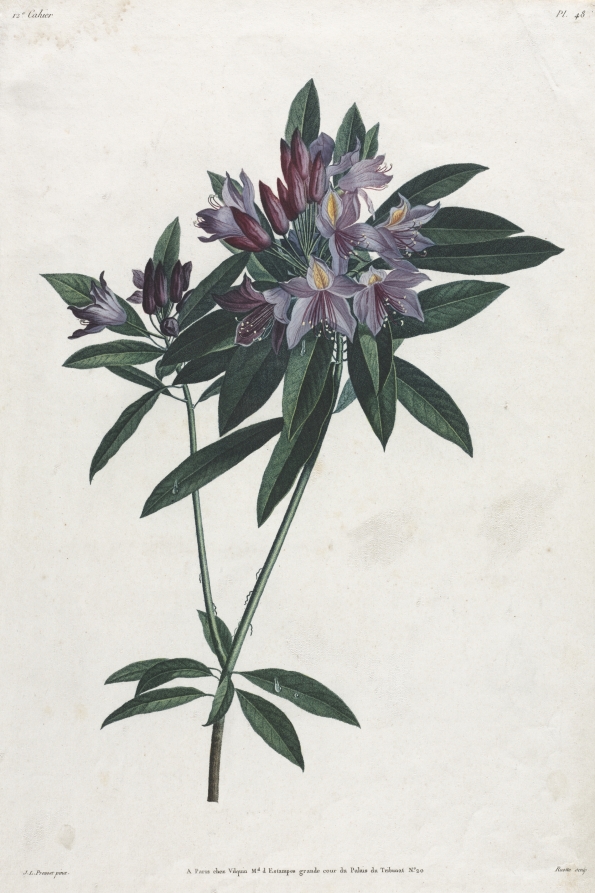
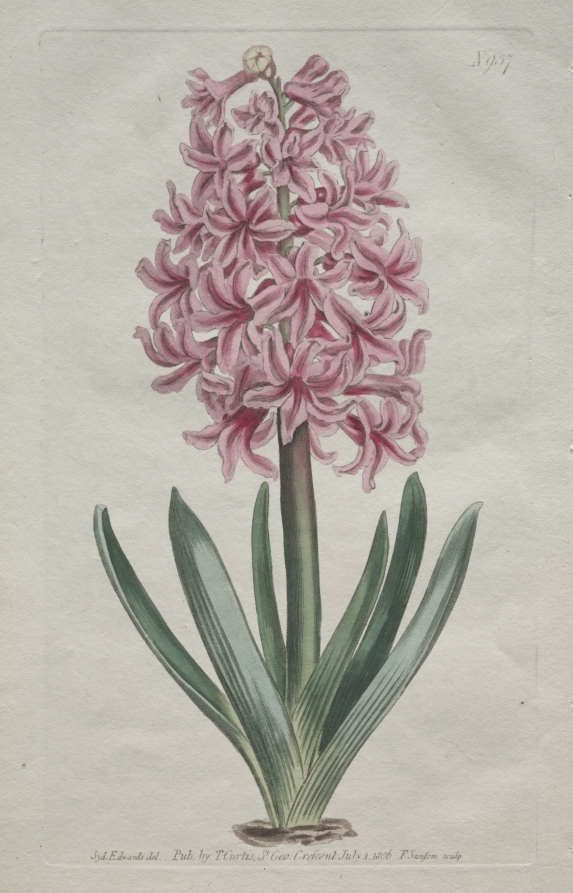
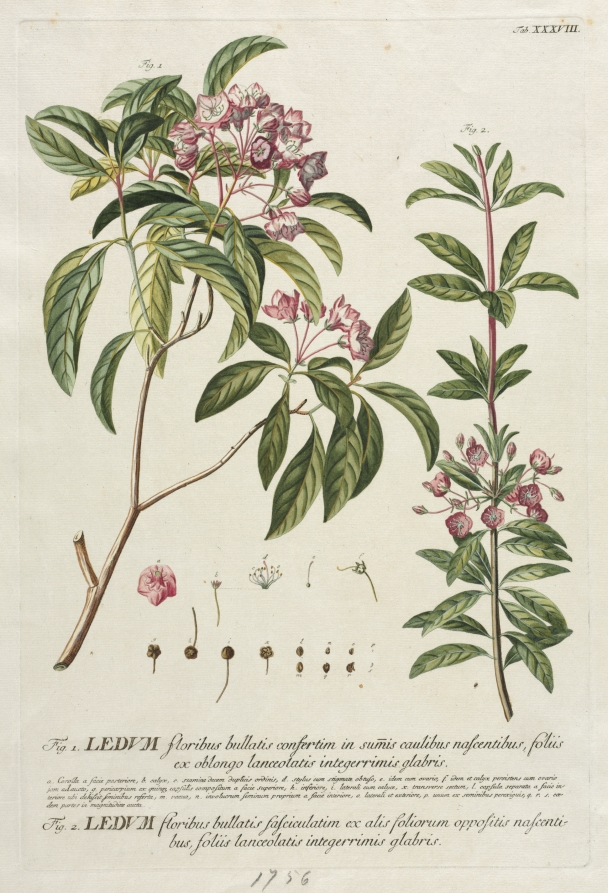
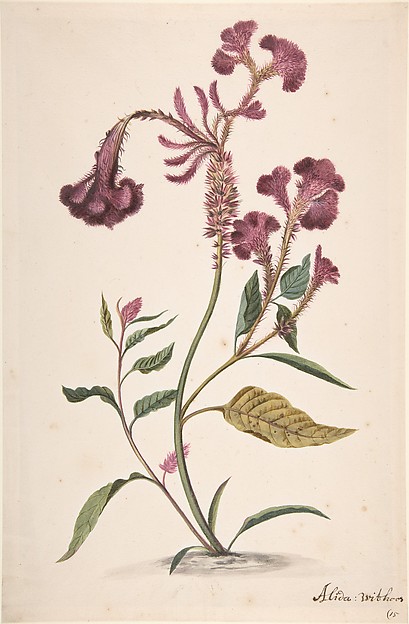
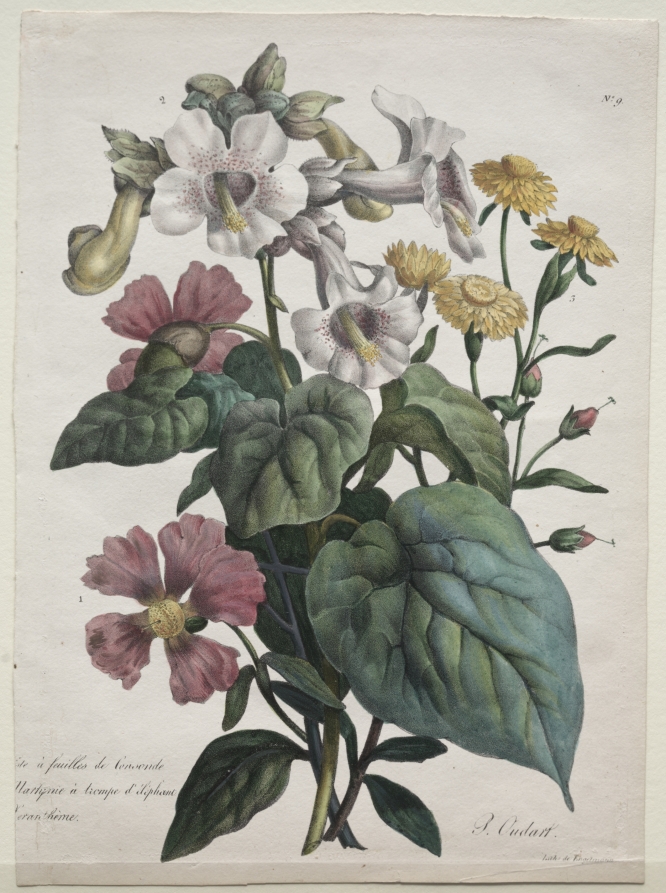
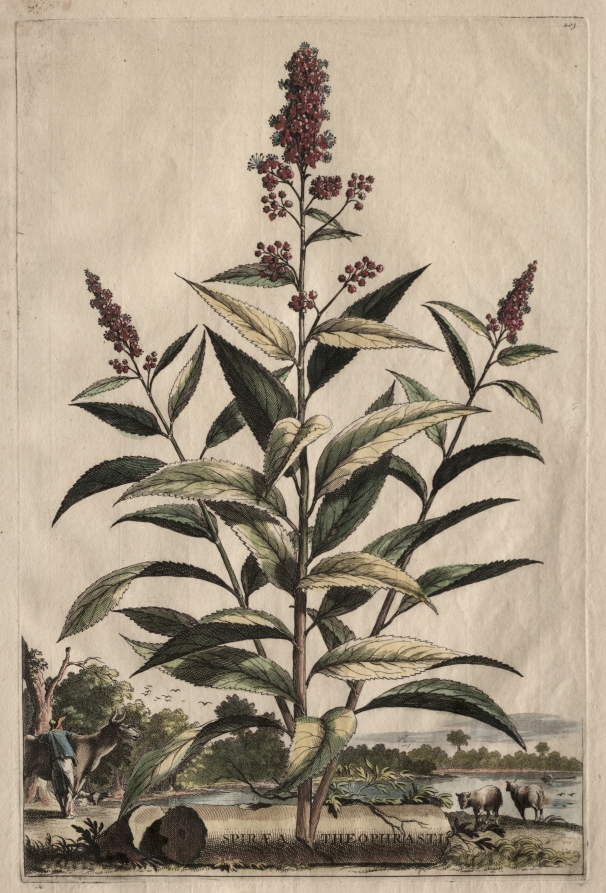
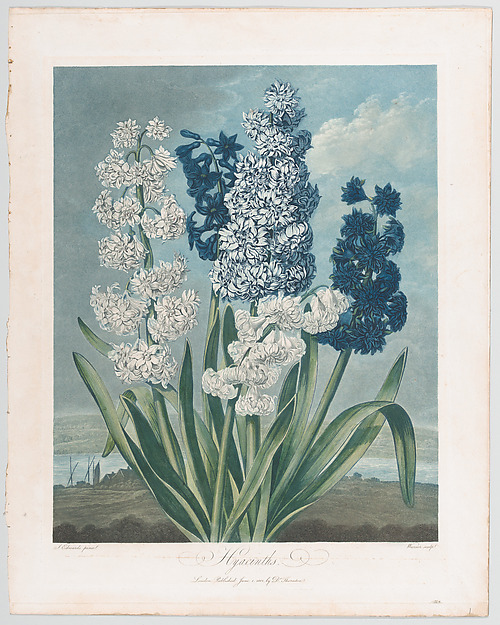
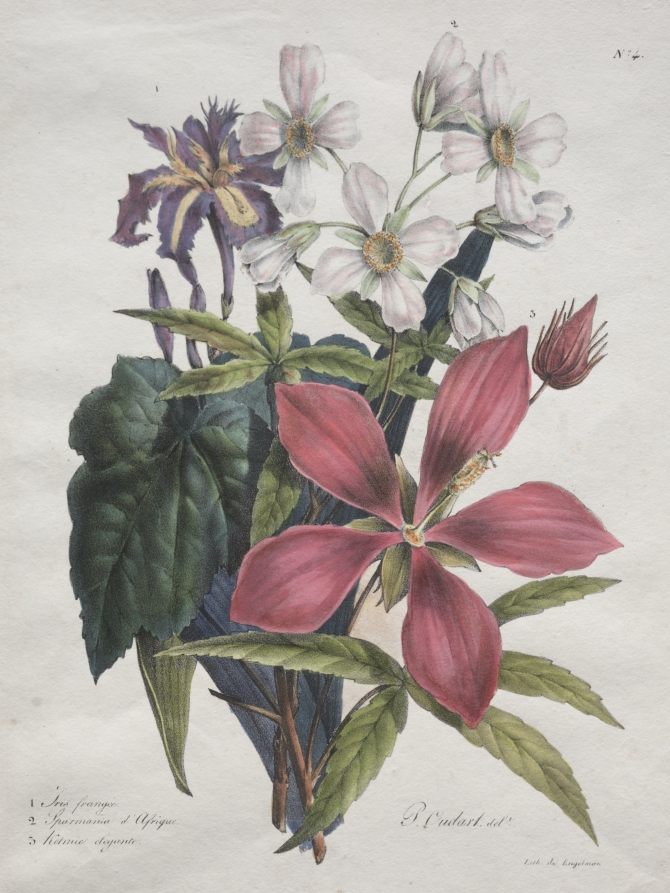
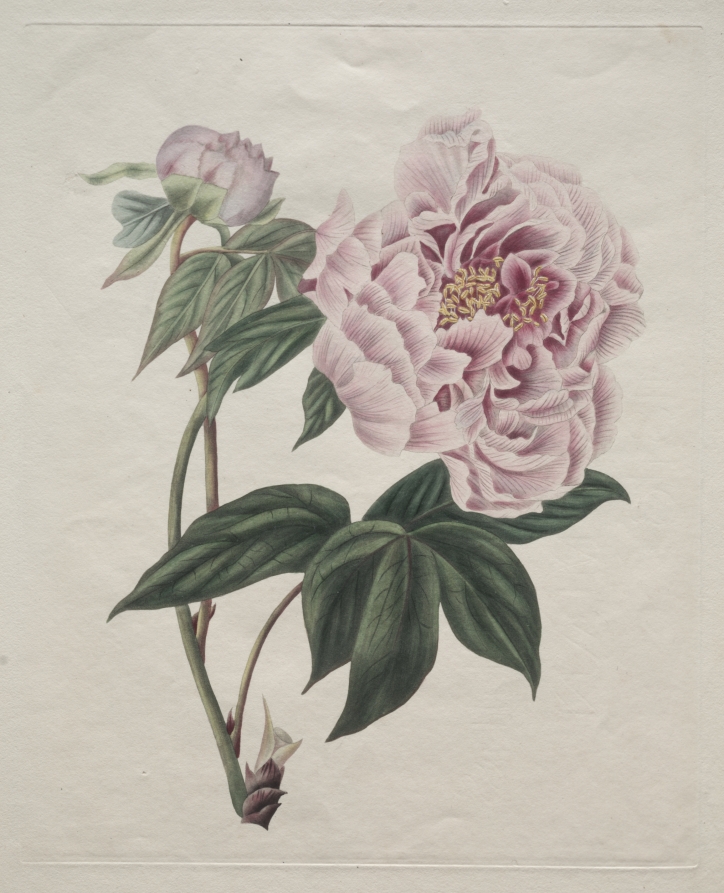
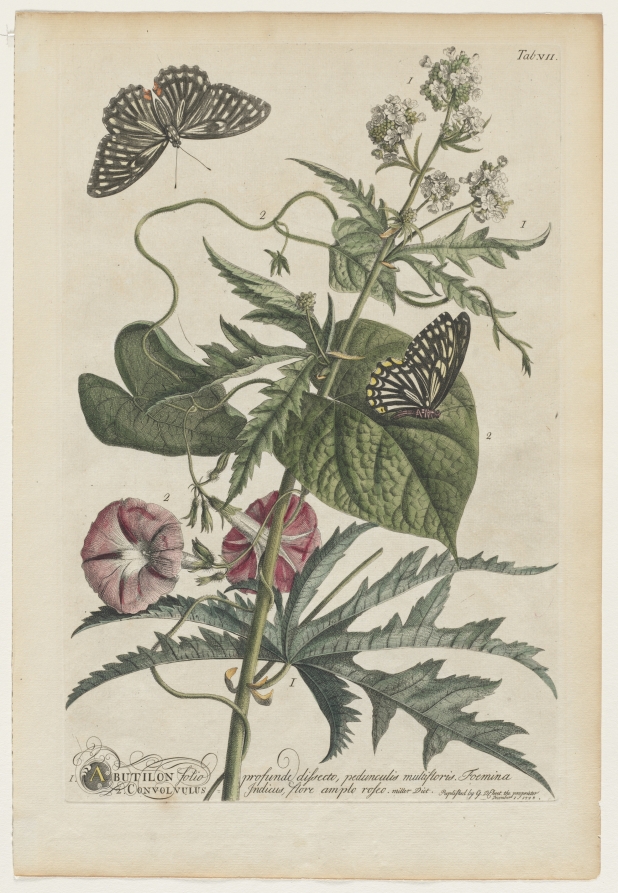
In the 18th century, new engraving and etching techniques offered a variety of tonal effects that enhanced botanical prints. While mezzotint (in which the plate is roughened and then the engraver works from dark to light creating different values) and stipple (dots create values) make it possible to create the rich tonal scale and velvety texture of oil paint, aquatint imitates the delicacy and transparency of watercolor and ink wash.
Source ↗︎
Be the first to share your thoughts.
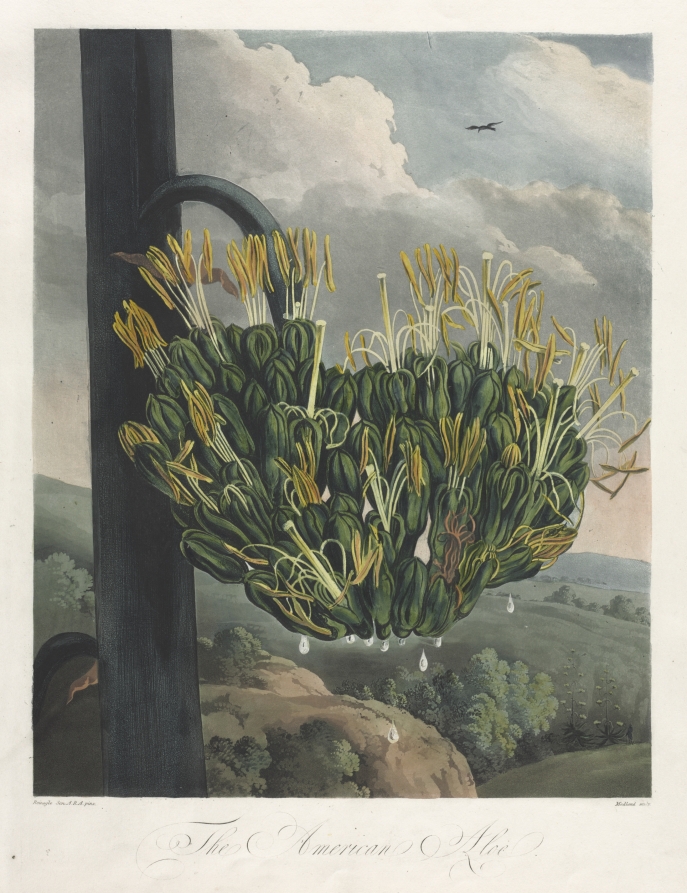 The Temple of Flora, or Garden of Nature: The American Aloe
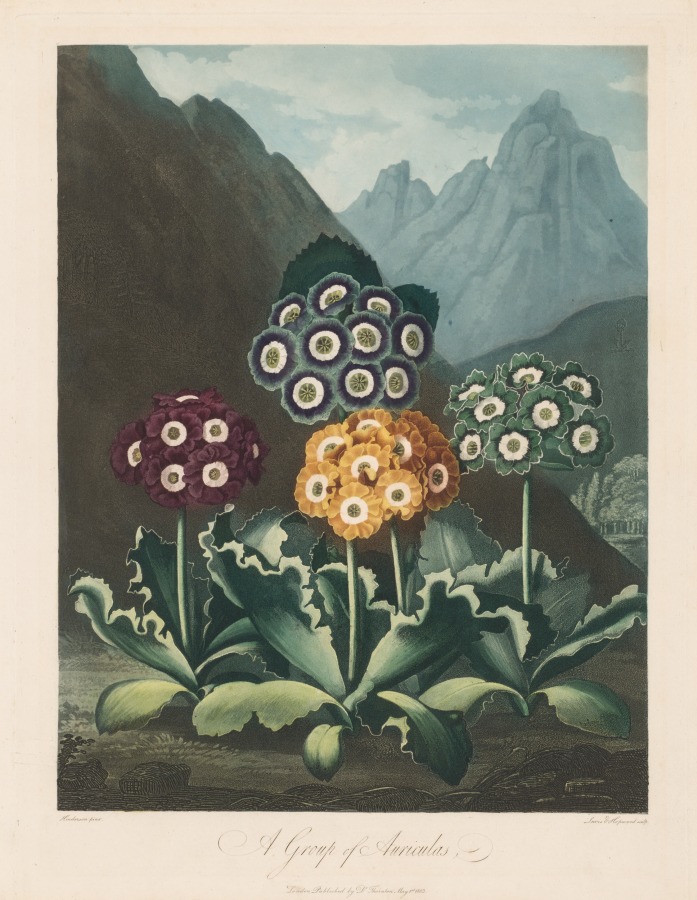 The Temple of Flora, or Garden of Nature: A Group of Auricu
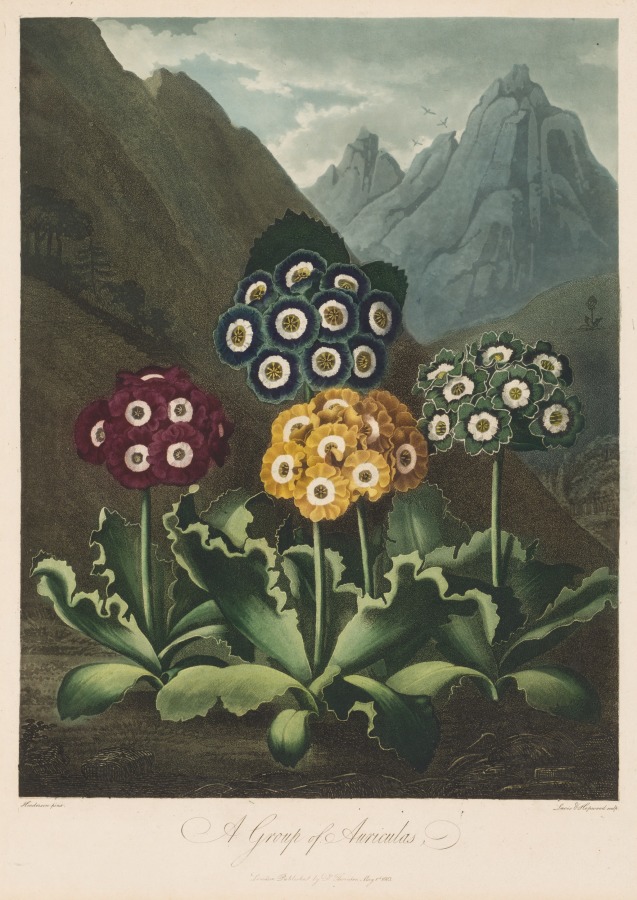 The Temple of Flora, or Garden of Nature: A Group of Auricu
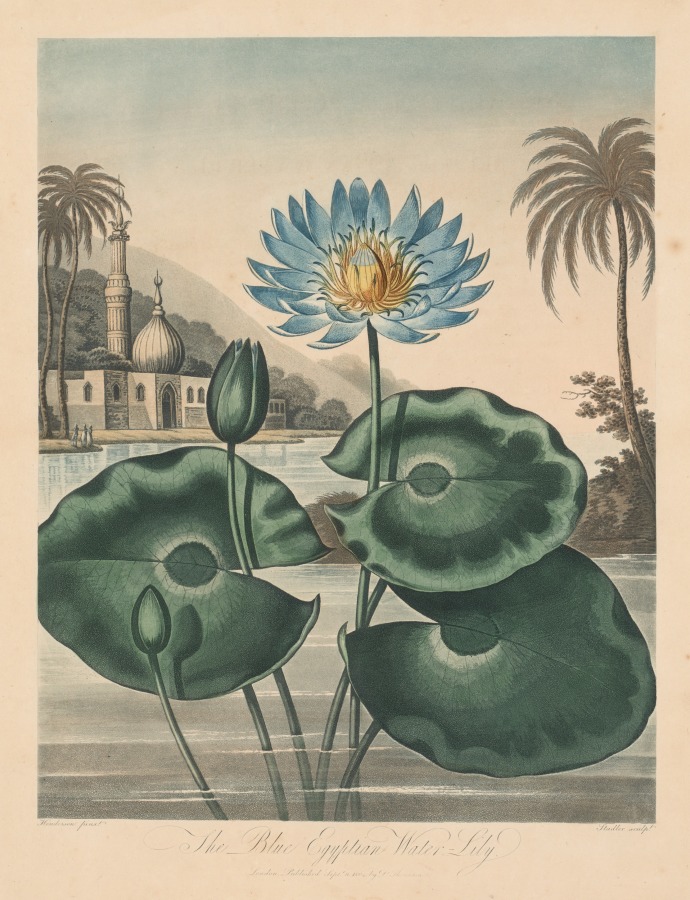 The Temple of Flora, or Garden of Nature: Blue Egyptian Wat
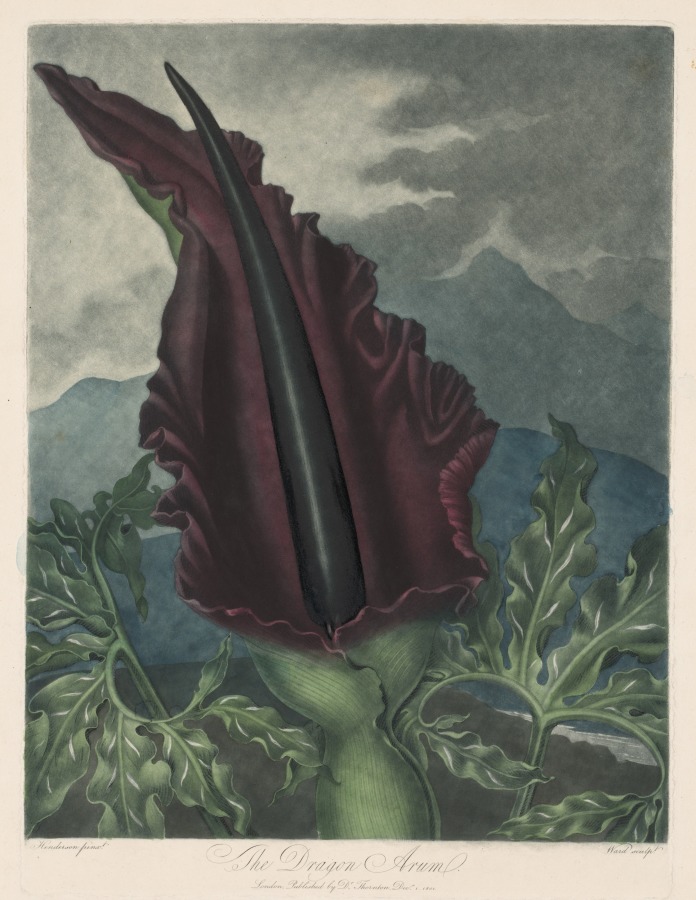 The Dragon Arum, Black Calla or Solomon's Lily
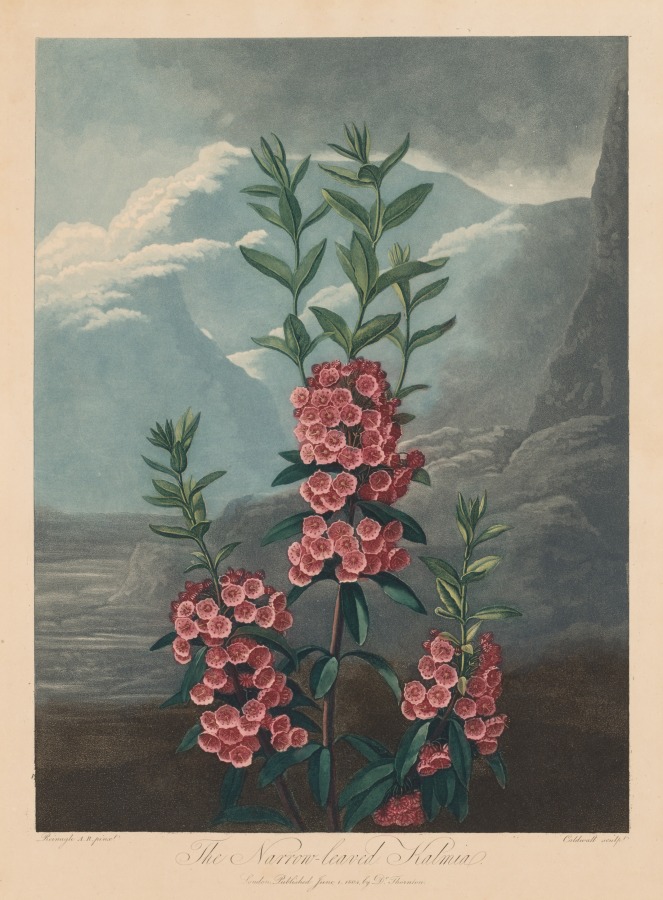 The Temple of Flora, or Garden of Nature: The Narrow-leaved
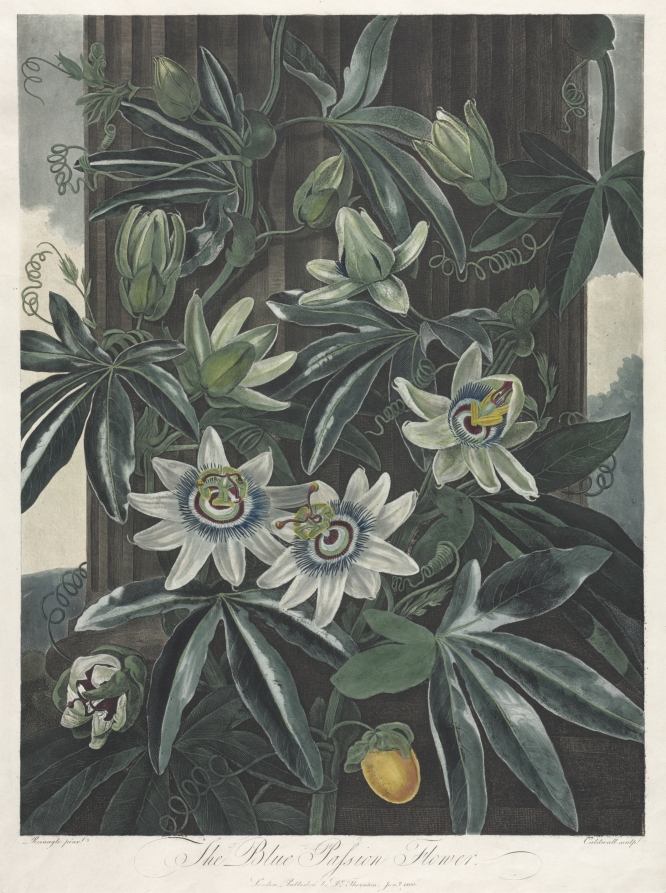 The Temple of Flora, or Garden of Nature: The Blue Passion
 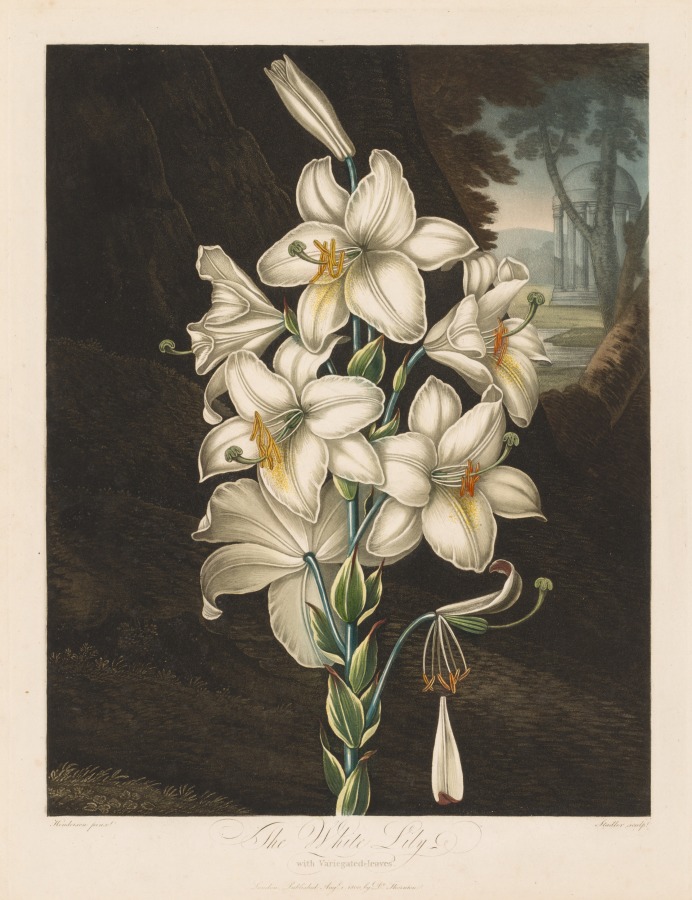 The Temple of Flora, or Garden of Nature: The White Lily wi