In the collection of Cleveland Museum of Art, Cleveland — check current display status with the museum.
FROM THE CLEVELAND MUSEUM OF ART’S CATALOG
Gilles Demarteau was the first artist to master crayon-manner etching—the process seen here—which replicates the appearance of a red-chalk drawing. Rather than sketching with an etching needle, Demarteau used a tool called a roulette (a small, toothed wheel) to create tiny, regular dots that were then etched into the printing plate. The text along the lower margin of the image indicates that Demarteau’s print of the dramatic removal of Christ’s body from the cross reproduces a drawing by the well-known court painter to King Louis XV, Jean-Baptiste Marie Pierre. With prints like this, Demarteau took advantage of the popularity of chalk drawings in the 1700s, selling his prints to members of a growing middle class who were interested in acquiring the trappings of wealth.
Be the first to share your thoughts.
Sign in to join the discussion.
 Jean-Honoré Fragonard (French, 1732–1806) — Saint Luke
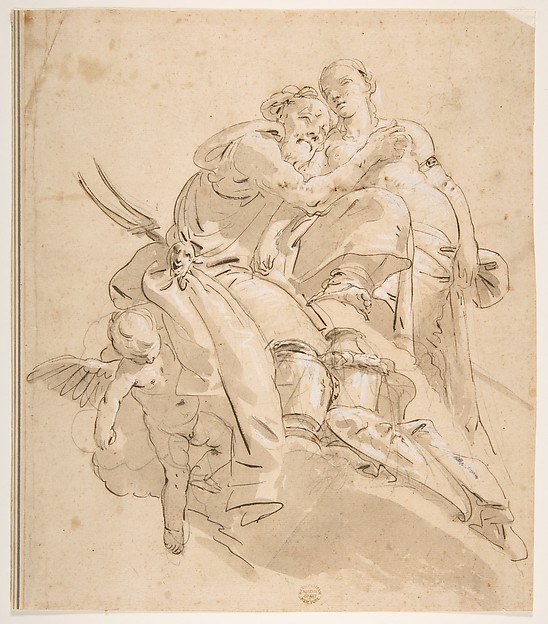 Giovanni Battista Tiepolo — Marine Deity with Attendant Fema
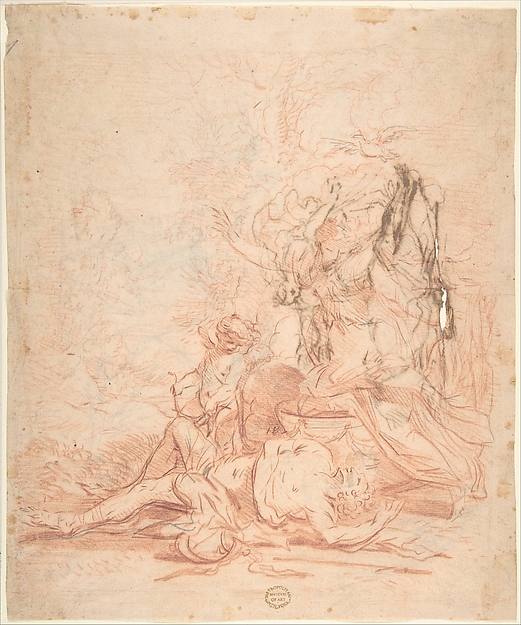 Anonymous, Italian, Roman-Bolognese, 17th century — Venus an
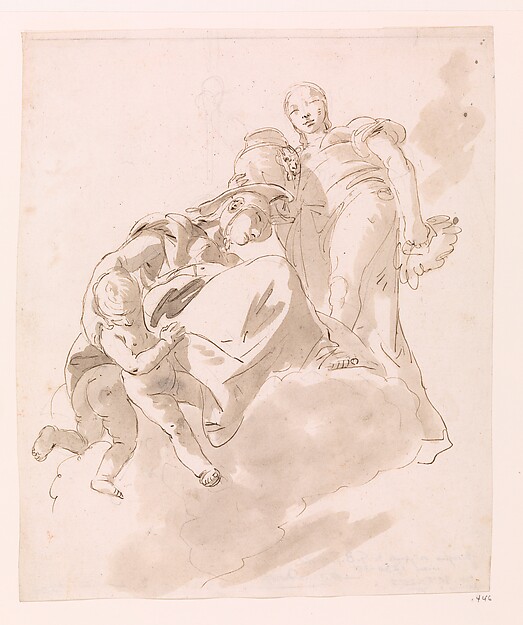 Giovanni Battista Tiepolo — Two Allegorical Figures for a Ce
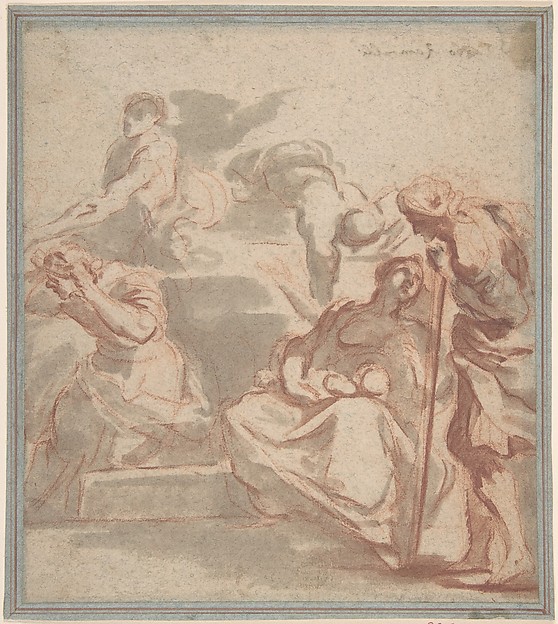 Anonymous, Italian, Roman-Bolognese, 17th century — Scene wi
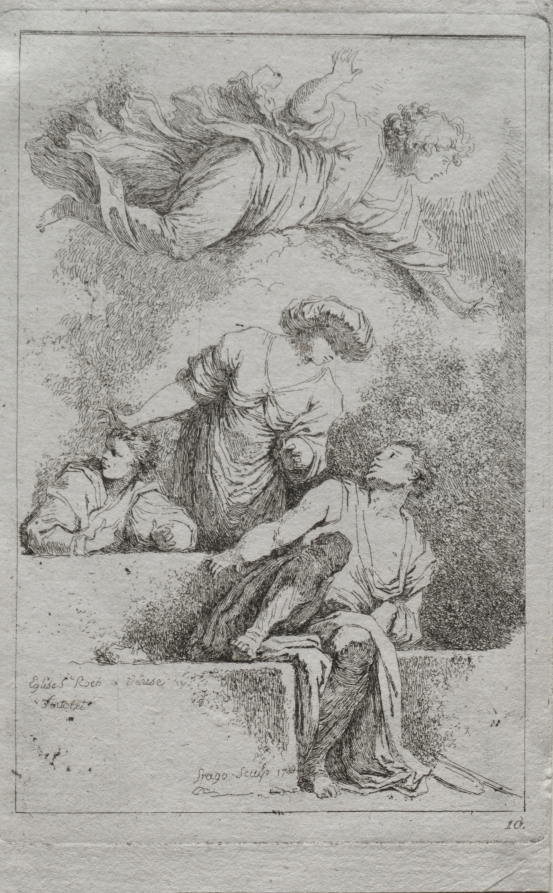 Jean-Honoré Fragonard (French, 1732–1806) — The Disciples at
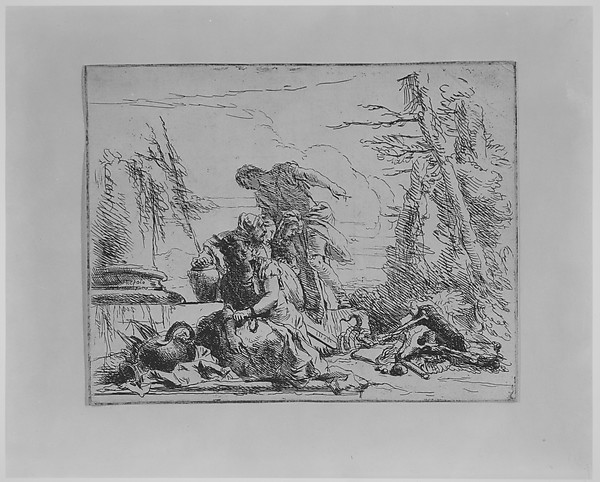 Giovanni Battista Tiepolo — Chained Woman and Other Figures
 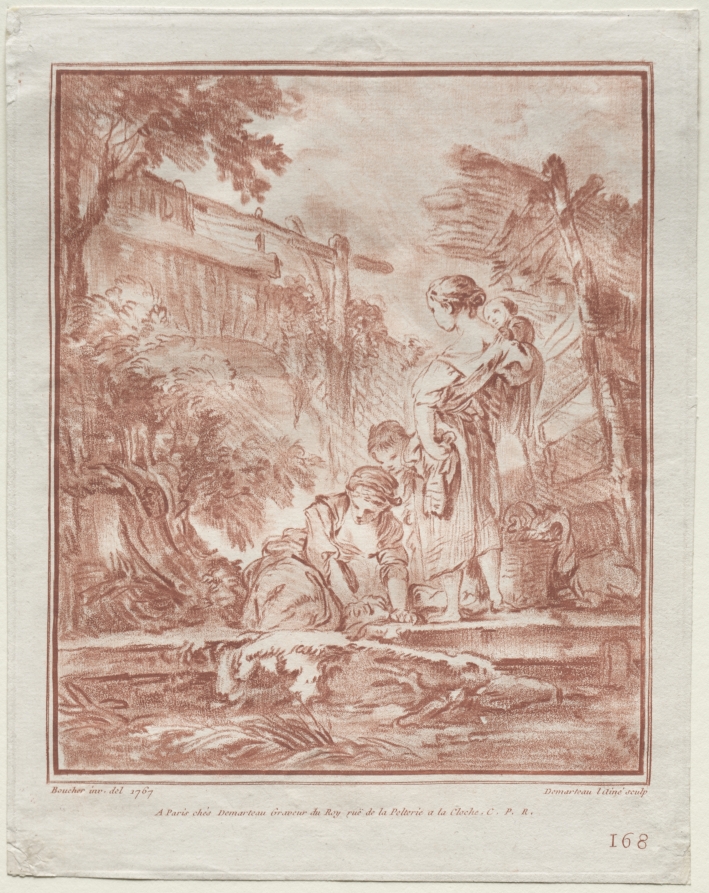 Gilles Demarteau (French, 1722–1776) — The Washerwoman
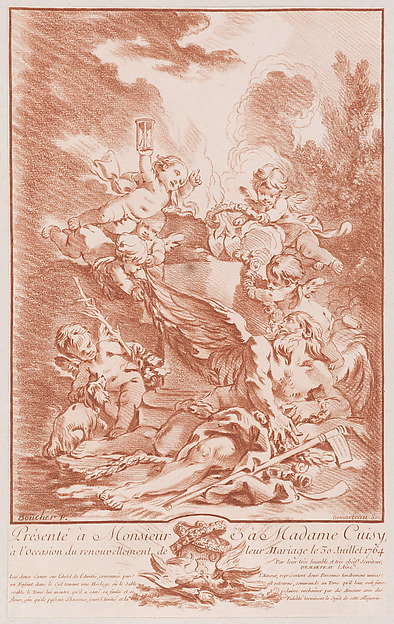 Gilles Demarteau|François Boucher — Allégorie pour la commém
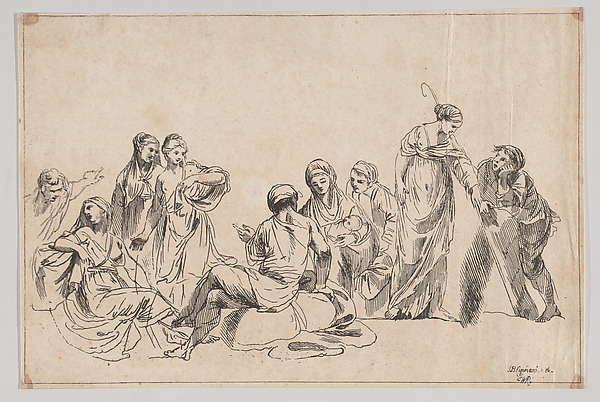 Giovanni Battista Cipriani|Anonymous — A group of nine women
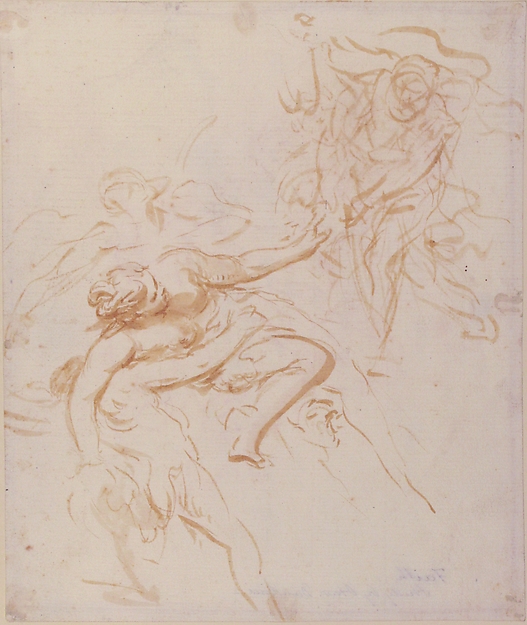 Ottaviano Dandini — Scene of Abduction (recto); Allegorical
 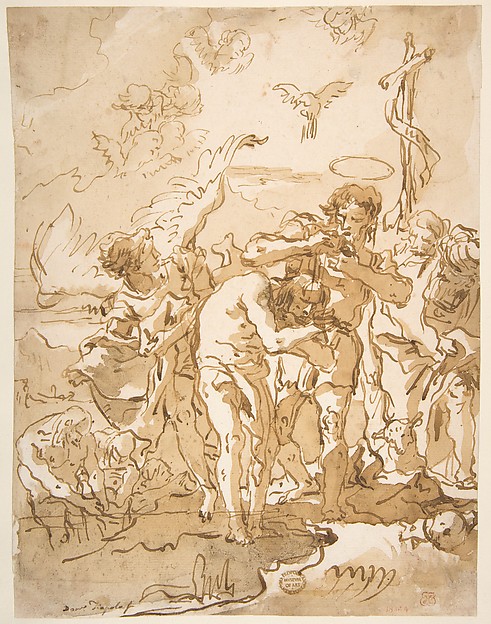 Giovanni Domenico Tiepolo — The Baptism of Christ