In the collection of Cleveland Museum of Art, Cleveland — check current display status with the museum.
FROM THE CLEVELAND MUSEUM OF ART’S CATALOG
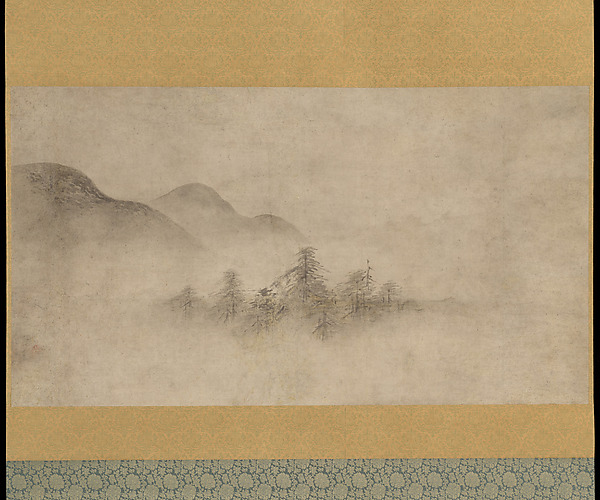
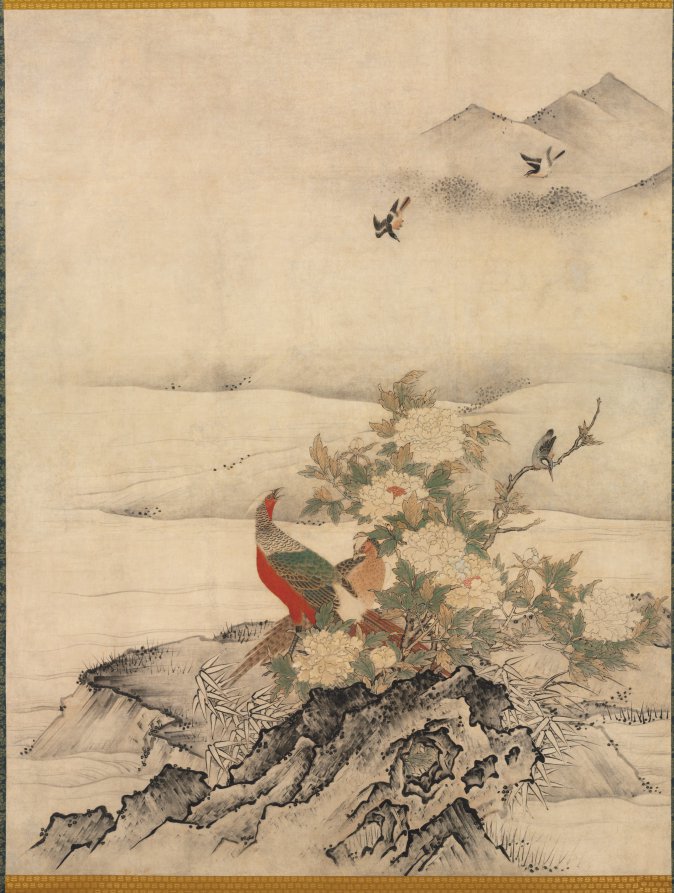
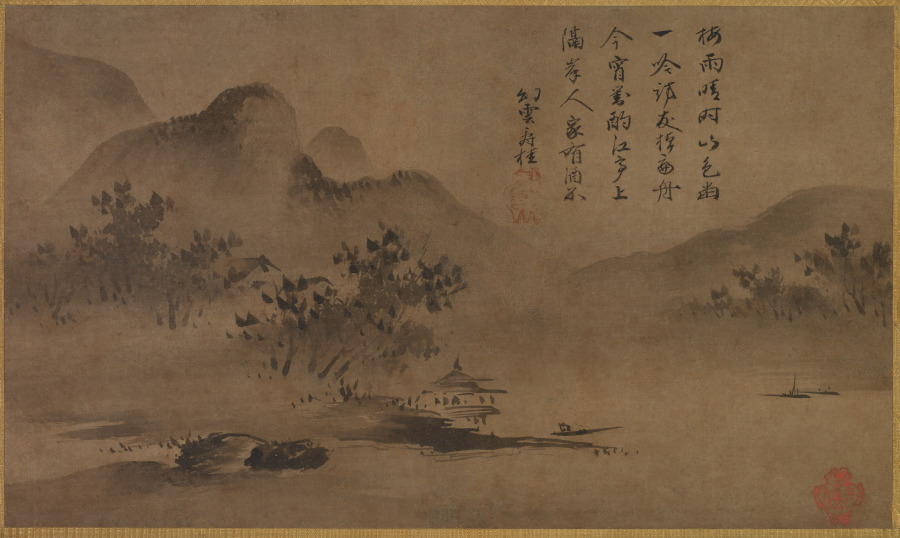
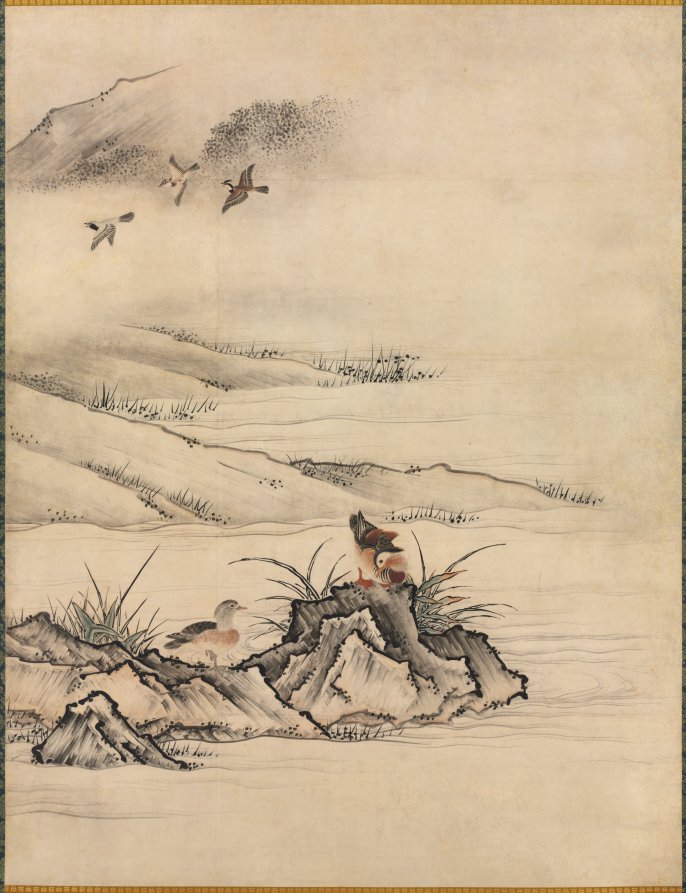
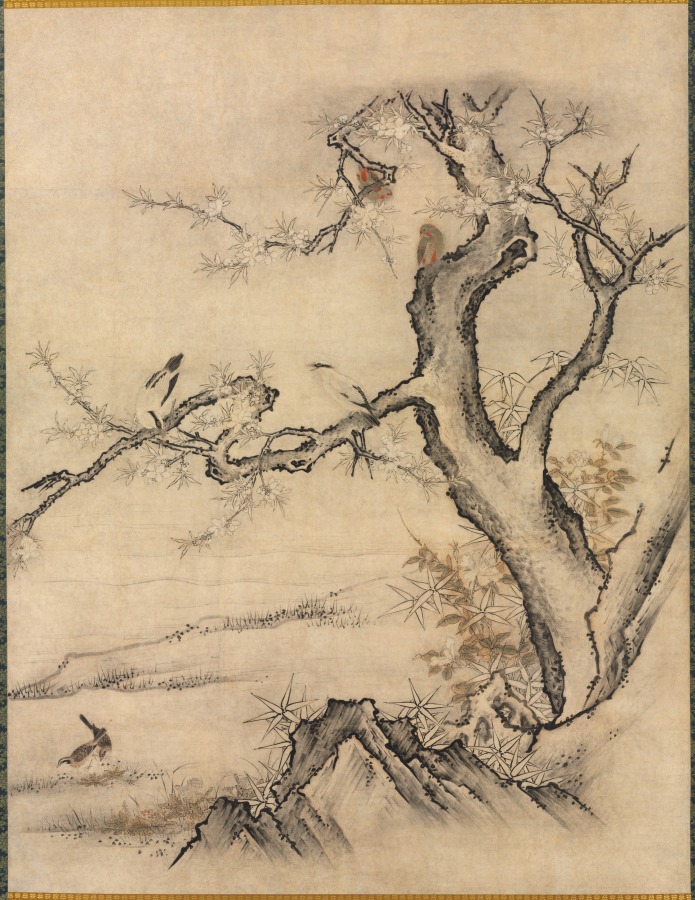
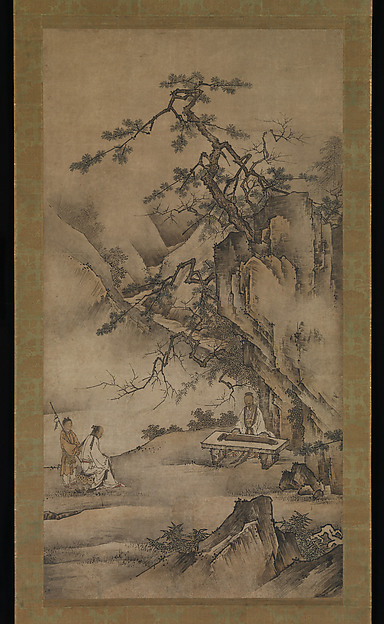
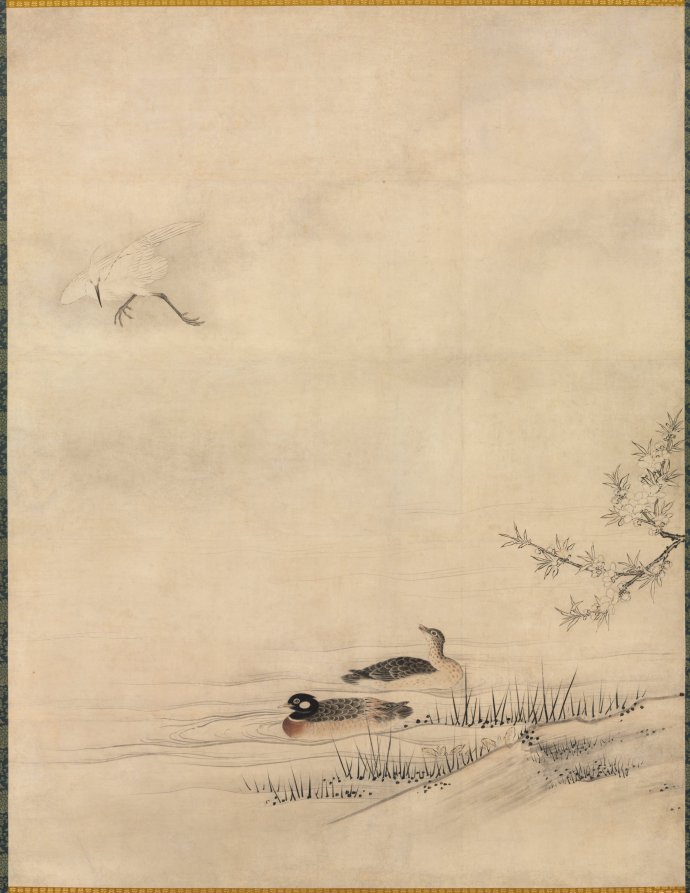
These four paintings originally decorated sliding doors that partitioned the interiors of Japanese buildings. Painters from the Kano school, named after the artist Kano Motonobu (1476–1559), were major forces in the production of screens and architectural interiors in Kyoto. When he headed the workshop, his work was prized by the upper strata of society. Kano is credited with combining the subtlety of Chinese black ink painting, as seen in the rocks and hills, with the color and realism of Japanese painting, seen in the birds and flowers. Landscape scenes like this were prized by the elite of Kyoto, both for their contemplative aesthetic and their patrons’ refined taste.
Be the first to share your thoughts.
Sign in to join the discussion.
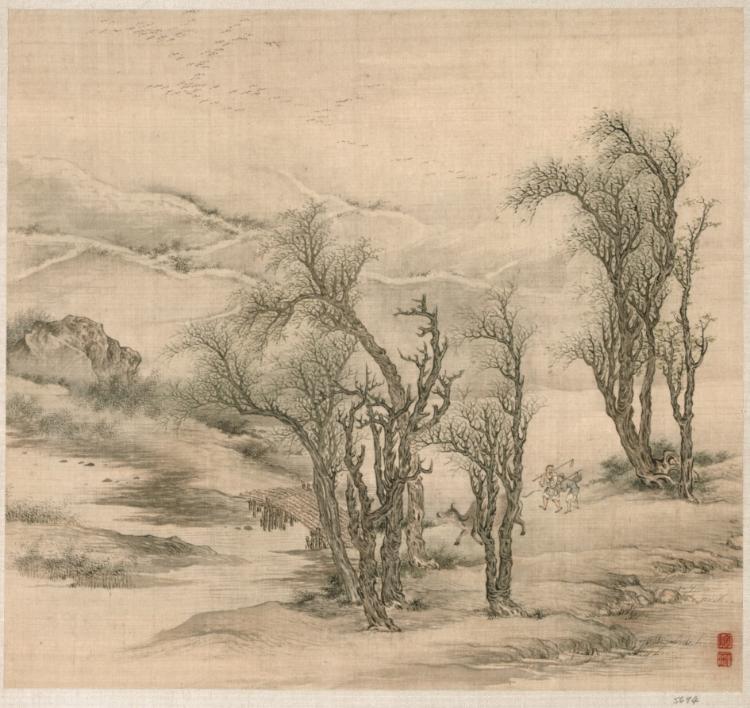 Tao Hong (Chinese, active c. 1610–1640) — Returning Peasants
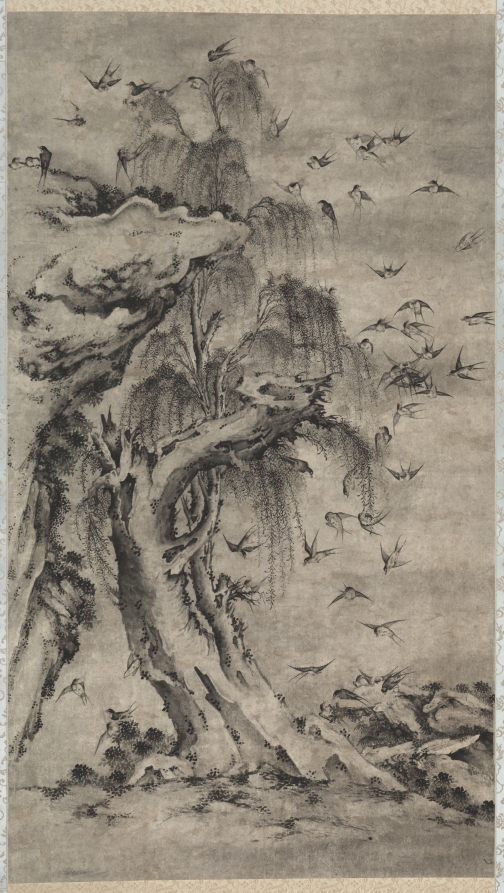 One Hundred Birds
 Tao Hong (Chinese, active c. 1610–1640) — A Solitary Crane i
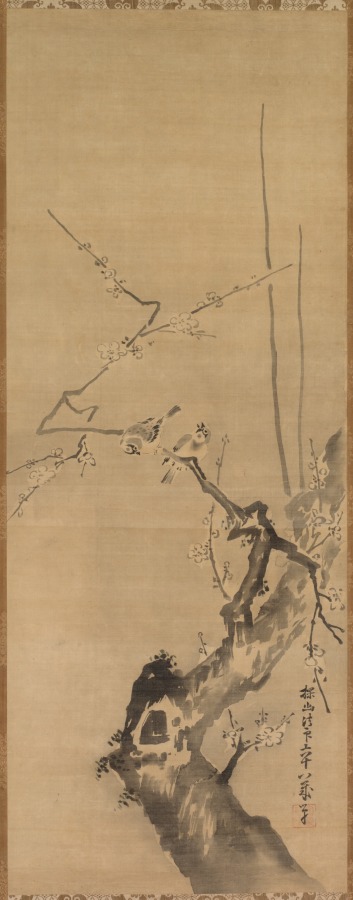 Kano Tan’yū (Japanese, 1602–1674) — Sparrows on Blossoming P
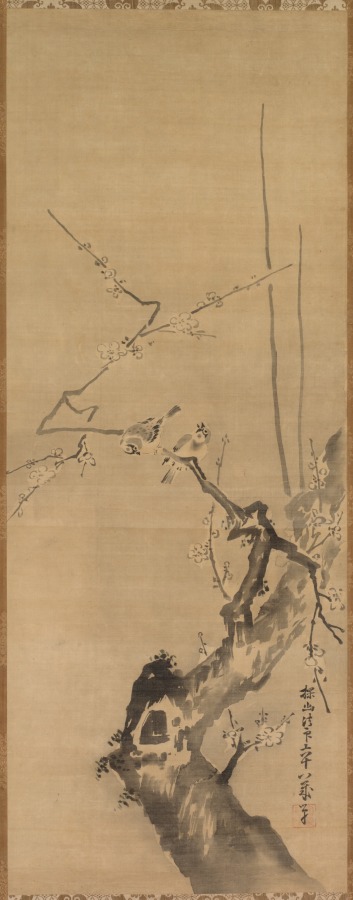 Kano Tan’yū (Japanese, 1602–1674) — Sparrows on Blossoming P
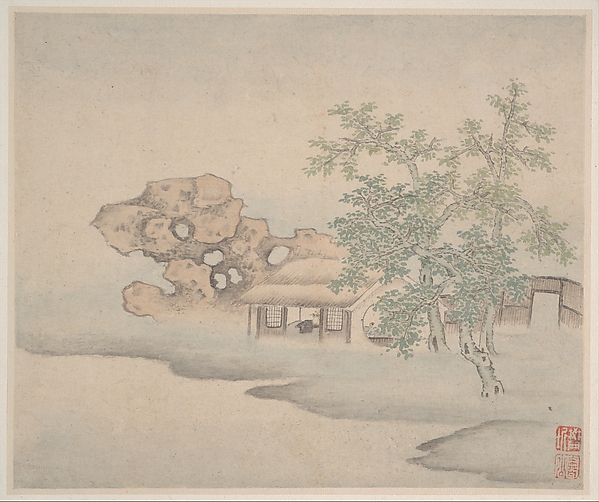 Fan Qi — 清 樊圻 山水圖 冊 紙本|Landscapes
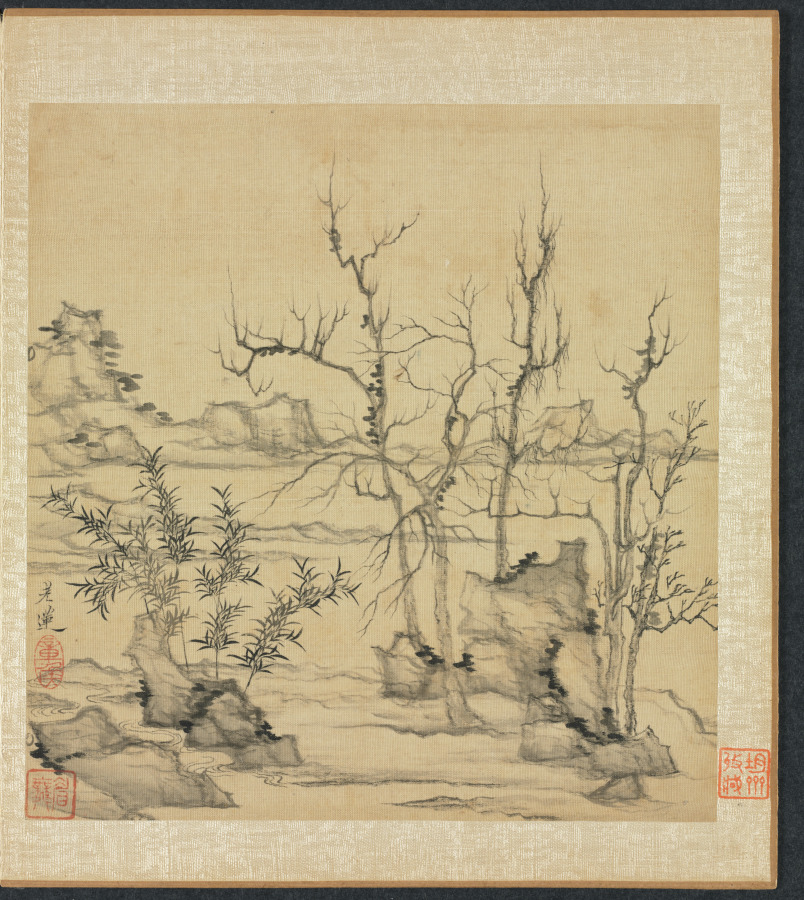 Chen Hongshou (Chinese, 1598/99–1652) — Paintings after Anci
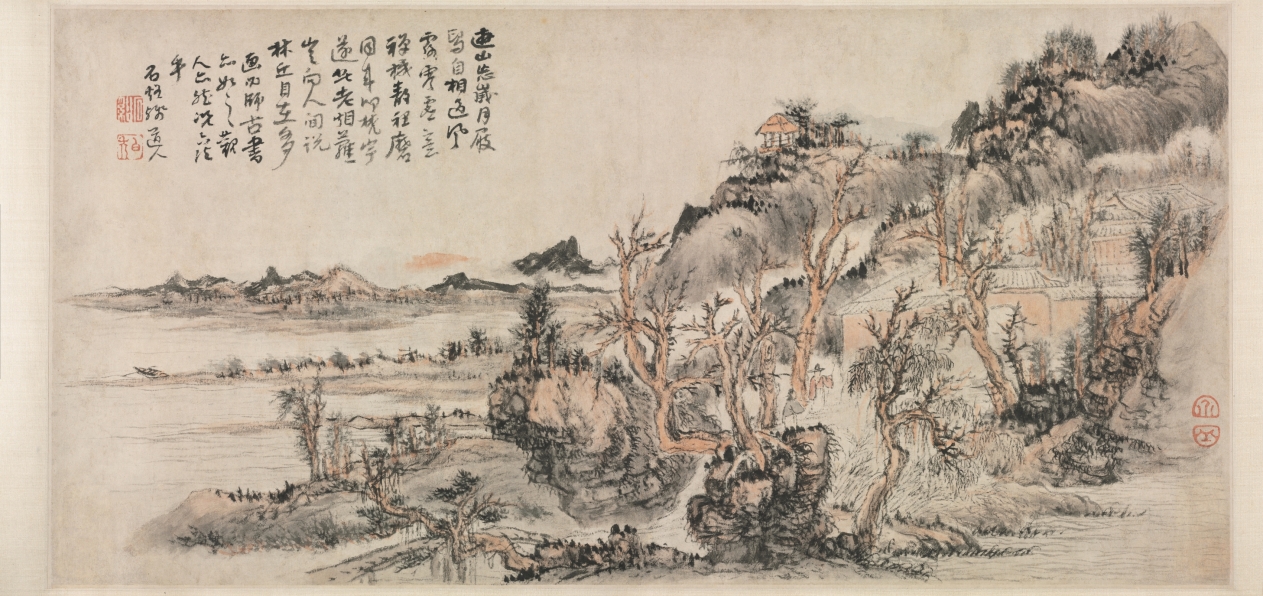 Kuncan (Chinese, 1612–c. 1673) — Spring Landscape
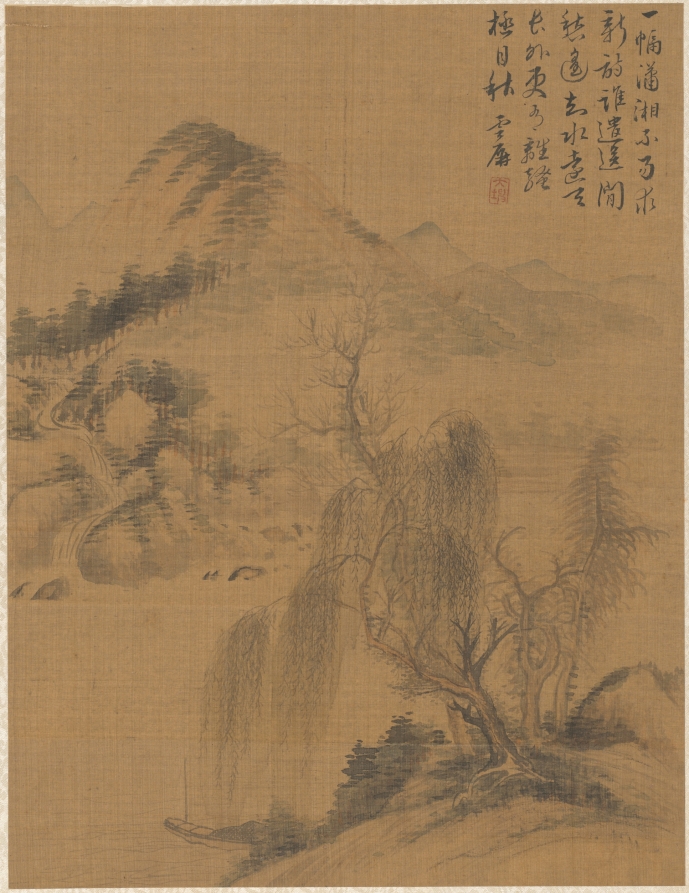 Zhai Dakun (Chinese, d. 1804) — Landscape
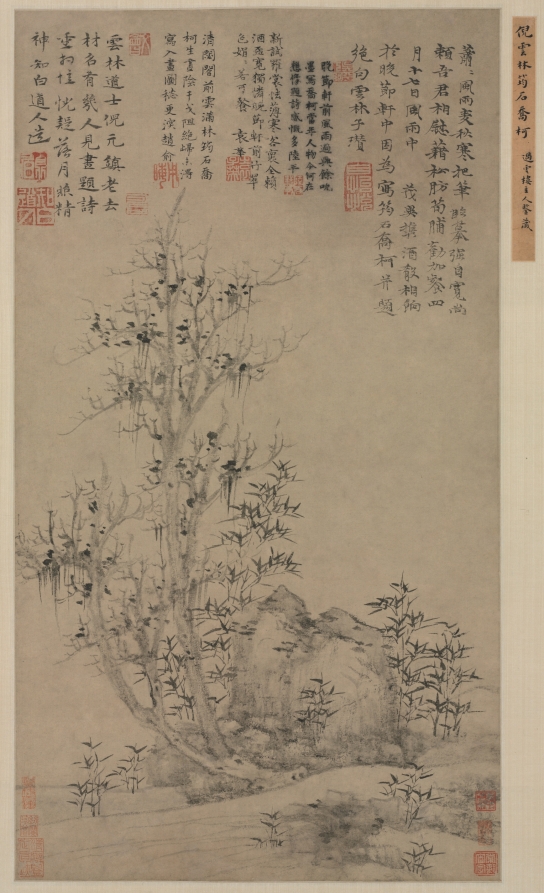 Ni Zan (Chinese, 1301–1374) — Bamboo, Rock, and Tall Tree
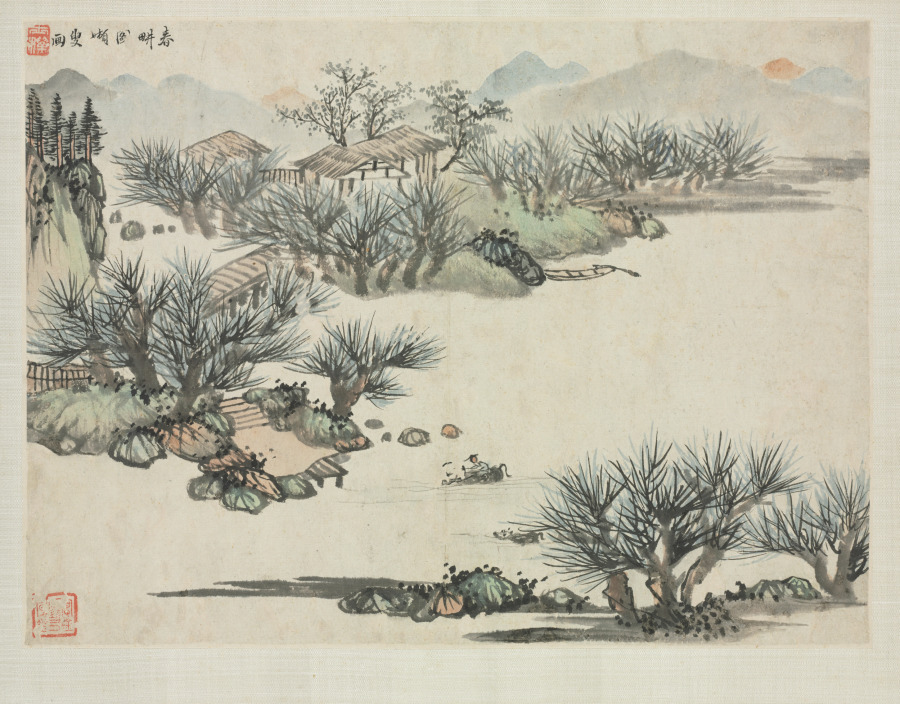 Zha Shibiao (Chinese, 1615–1698) — Landscape Album in Variou
 Kano Chikanobu (Japanese, 1660–1728) — Chinese Landscape