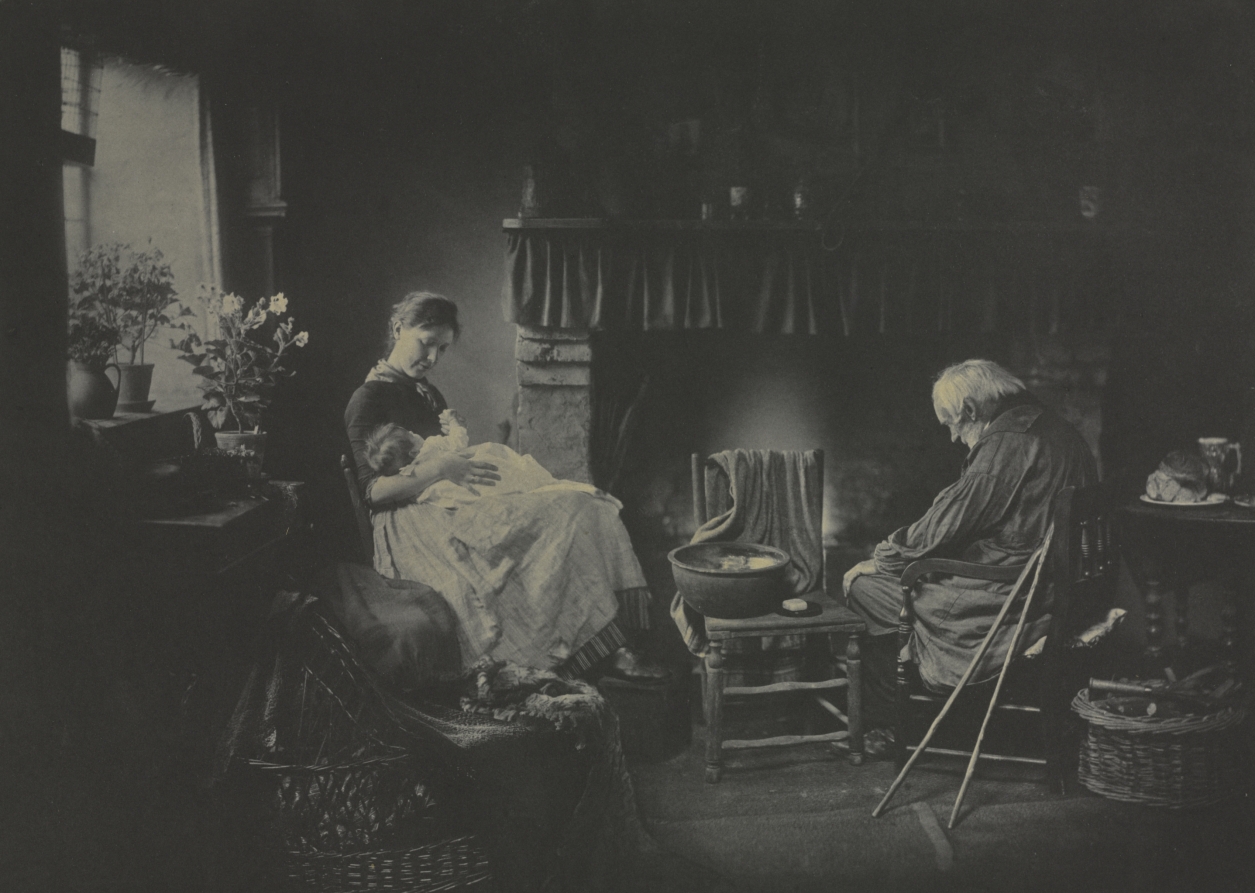
In the collection of Cleveland Museum of Art, Cleveland — check current display status with the museum.
FROM THE CLEVELAND MUSEUM OF ART’S CATALOG
Henry Peach Robinson was a pioneer in the "combination printing" technique, employing a number of negatives to make one photographic print. Keenly interested in portraying picturesque narrative scenes and landscapes, he carefully staged elaborate tableaux, often relying on relatives to serve as models. In Dawn and Sunset he presented a symbolic portrayal of three generations, from infancy to old age. By using the combination method, he was able to exercise greater control over his subjects' poses, gestures, and expressions than would have been possible with a single exposure. The smaller, platinum print version provides an instructive example of how an artist's vision can change when a different process is used to print the same negative. The platinum process provided a warmer, more subtle tonal range than the albumen process. The larger, albumen print appears almost journalistic in its use of harsh, even lighting, whereas in the platinum print Robinson was able to hide many details in dark shadow. This created a sense of unity that is missing in the larger image.
Be the first to share your thoughts.
Sign in to join the discussion.
 John Thomson (Scottish, 1837–1921) — Sufferers from the Floo
 Auguste Giraudon's Artist (French) — Two Shepherdesses Resti
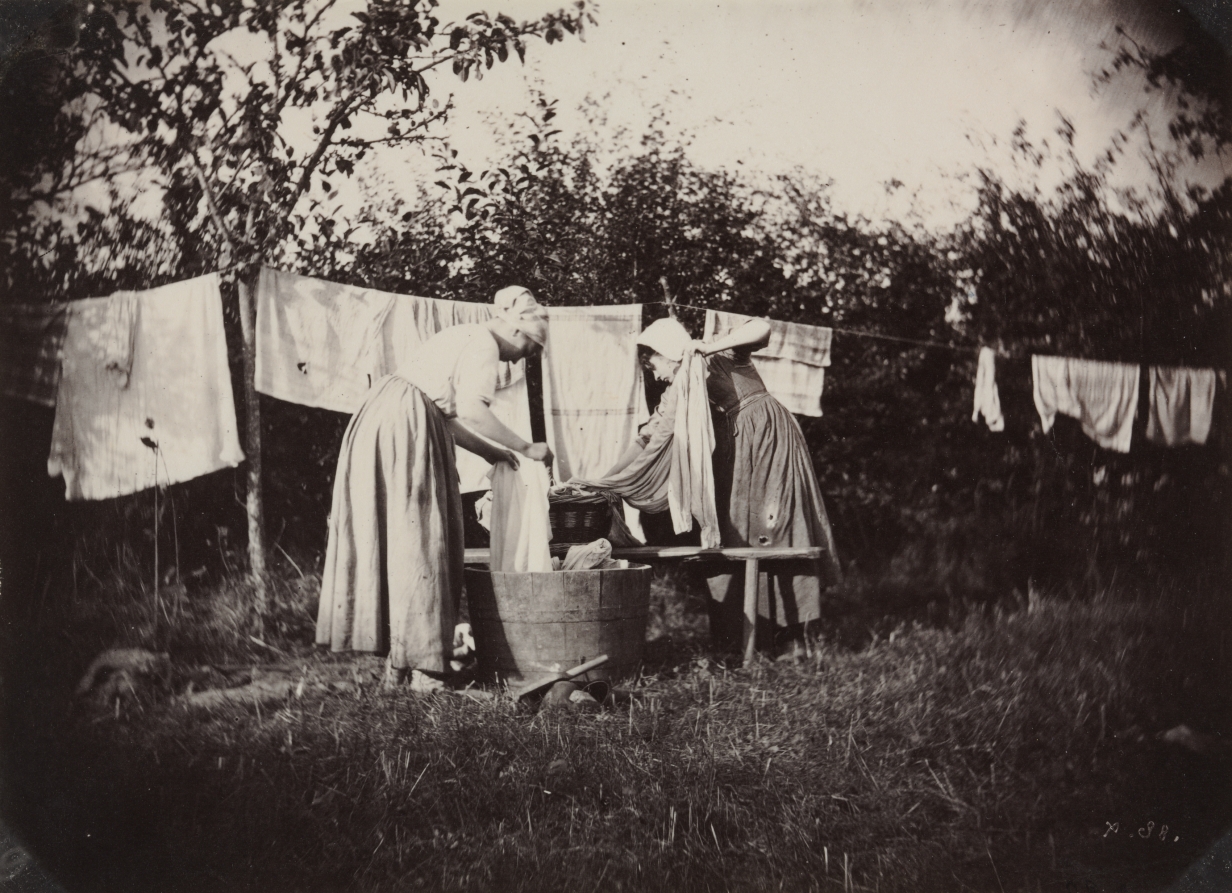 Auguste Giraudon's Artist (French) — Two Female Peasants Sta
 Auguste Giraudon's Artist (French) — Two Peasant Girls Seate
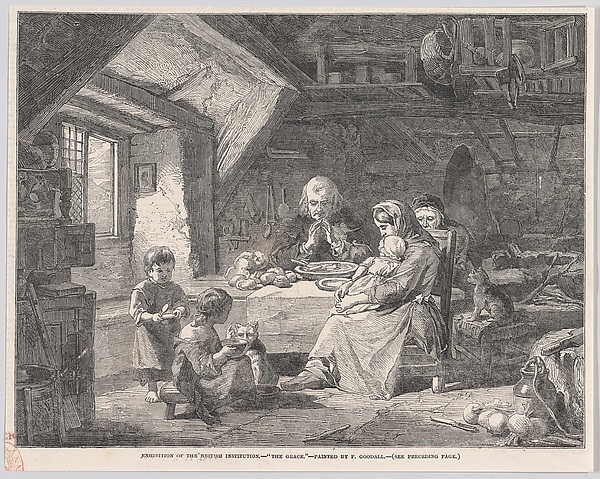 Frederick Goodall — The Grace, from "Illustrated London News
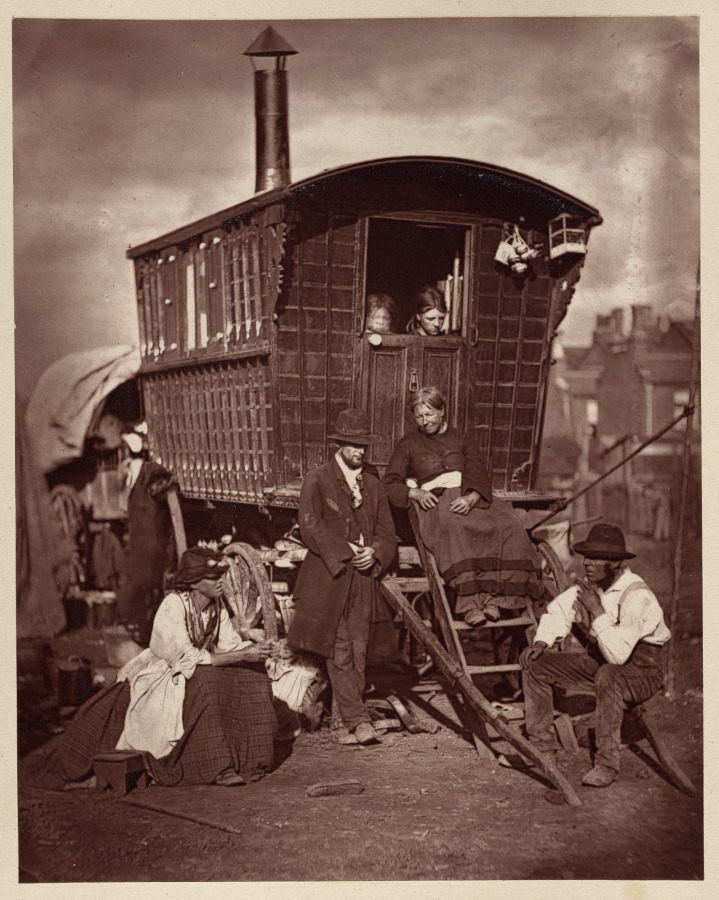 John Thomson (Scottish, 1837–1921) — London Nomades
![[Group Portrait of Five Adults and Two Children in a Garden]](https://images.metmuseum.org/CRDImages/ph/web-large/DP111490.jpg) Franz Antoine — [Group Portrait of Five Adults and Two Child
Franz Antoine — [Group Portrait of Five Adults and Two Child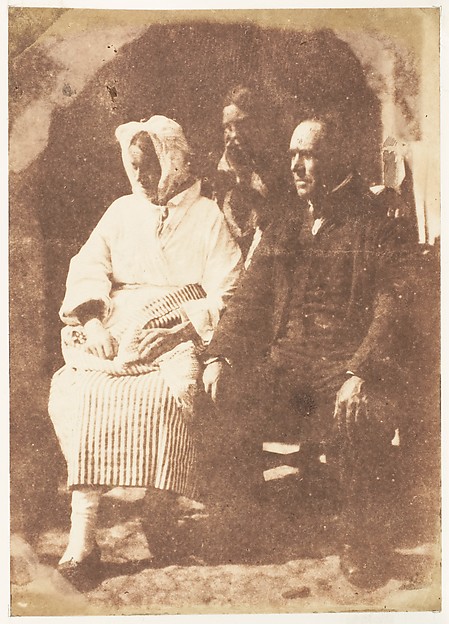 David Octavius Hill|Robert Adamson|Hill and Adamson — Newha
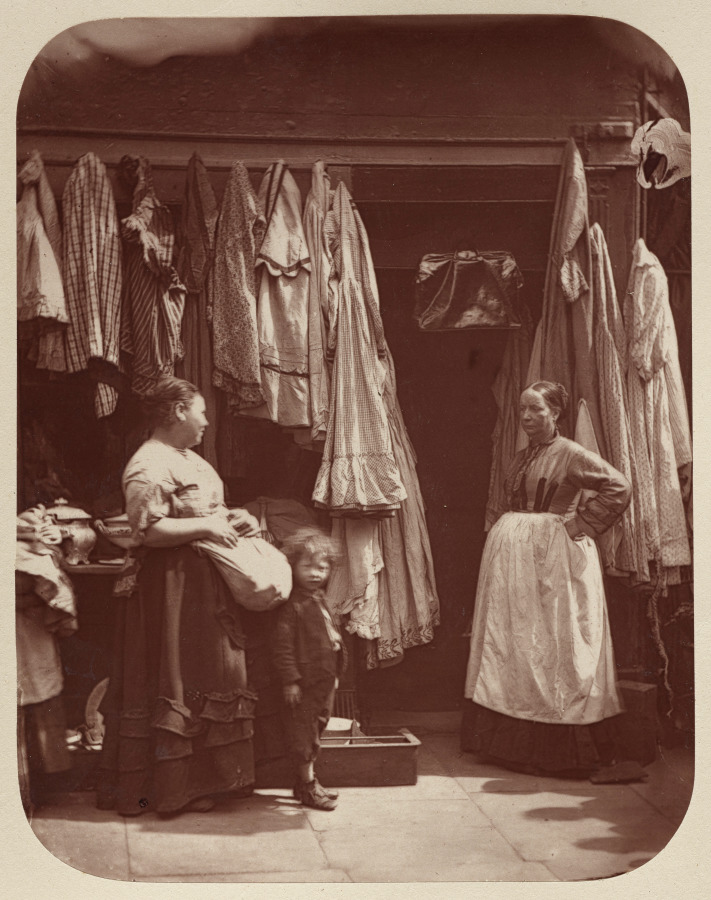 John Thomson (Scottish, 1837–1921) — An Old Clothes Shop, Se
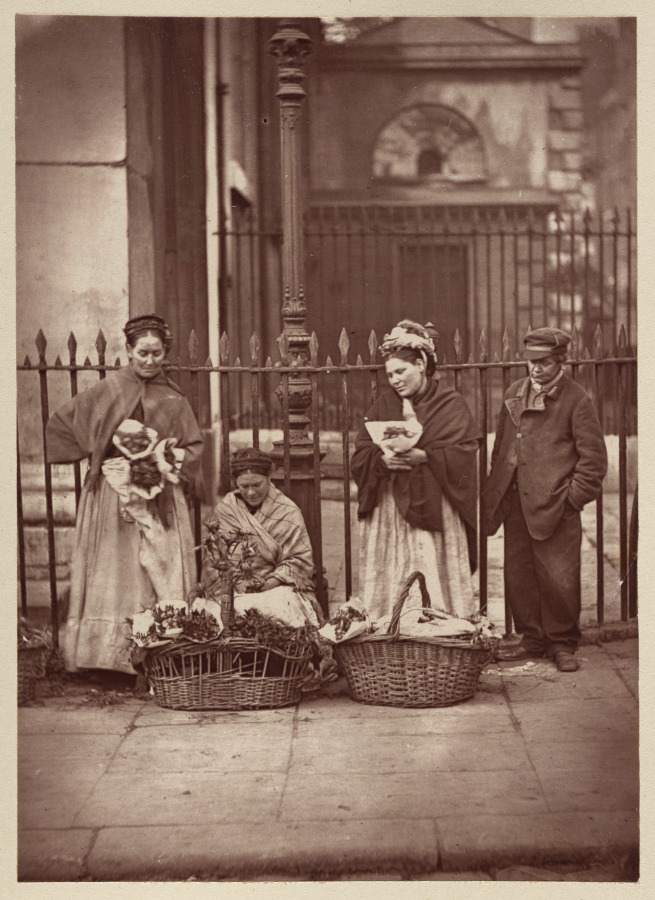 John Thomson (Scottish, 1837–1921) — Covent Garden Flower Wo
![[Paul Nadar at the Breast of His Wet Nurse]](https://images.metmuseum.org/CRDImages/ph/web-large/DT285024.jpg) Nadar — [Paul Nadar at the Breast of His Wet Nurse]
Nadar — [Paul Nadar at the Breast of His Wet Nurse] Jozef Israëls — 'The Joy of Motherhood'