Sketch of a Cabinet
n.d.
Black chalk heightened with white gouache on blue laid paper
43.5 × 23.5 cm (17.1 × 9.3 in)
SEE IT IN PERSON
Not currently on view
In the collection of Art Institute of Chicago, Chicago · as of July 2026
Discussion
Be the first to share your thoughts.
Sign in to join the discussion.
More by Henry Stacy Marks


More like this
 Jules-Edmond-Charles Lachaise|Eugène-Pierre Gourdet — Elevat
 W. Strong — Design for a Cabinet
 Jules-Edmond-Charles Lachaise|Eugène-Pierre Gourdet — Elevat
![Design Elevation for an Interior Door in the Loggia of Pope Julius [III.]](https://images.metmuseum.org/CRDImages/dp/web-large/DP801726.jpg) Pietro Paolo Coccetti (Cocchetti) — Design Elevation for an
Pietro Paolo Coccetti (Cocchetti) — Design Elevation for an  Leonardo Marini — Wall Design
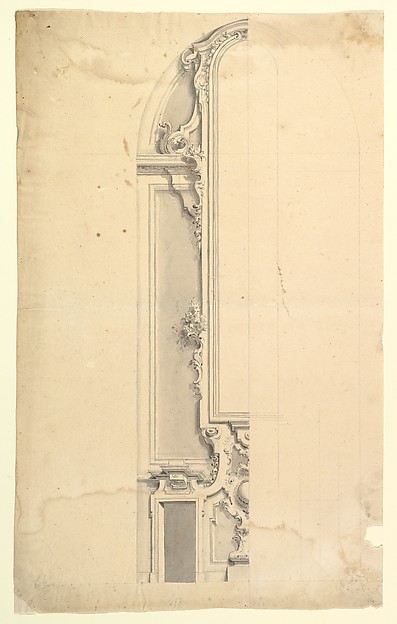 Anonymous, Italian, Piedmontese, 18th century — Design for W
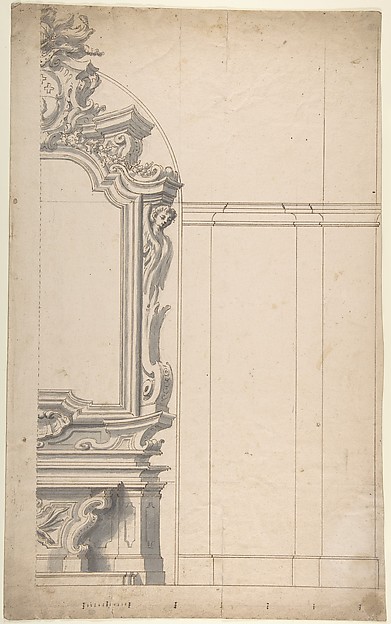 Anonymous, Italian, Piedmontese, 18th century — Design for o
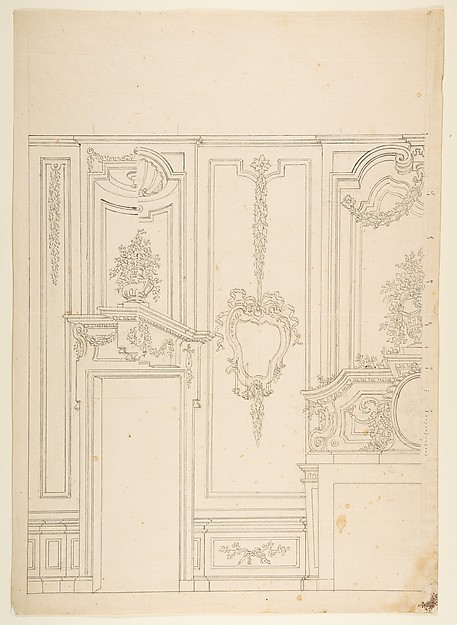 Leonardo Marini — Design for a Wall Elevation with Halved Al
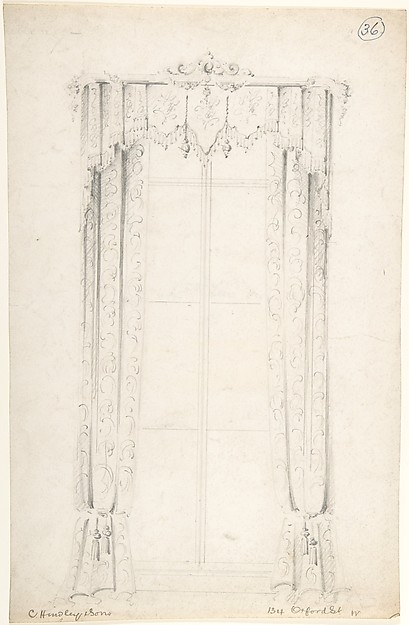 Charles Hindley and Sons — Design for Curtains
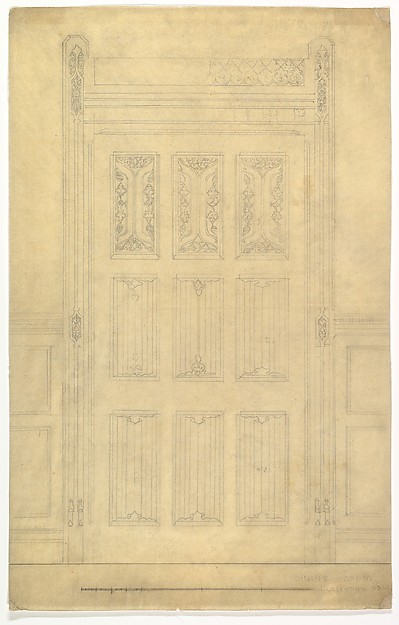 John Gregory Crace — Carved Wood Door for Dining Room, Leigh
 Unknown — Entryway with Open Gate
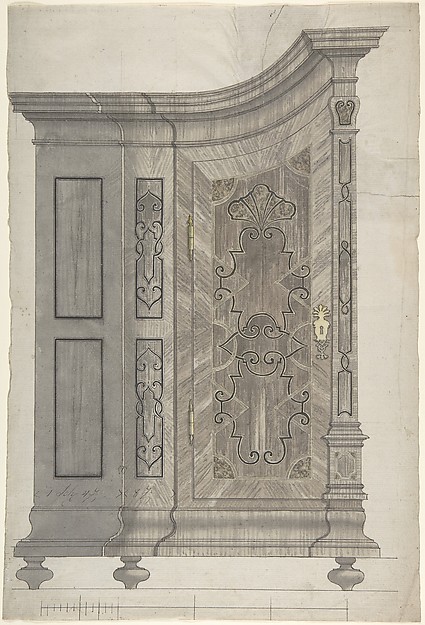 Anonymous, German, 18th century — Design for a Concave Corne