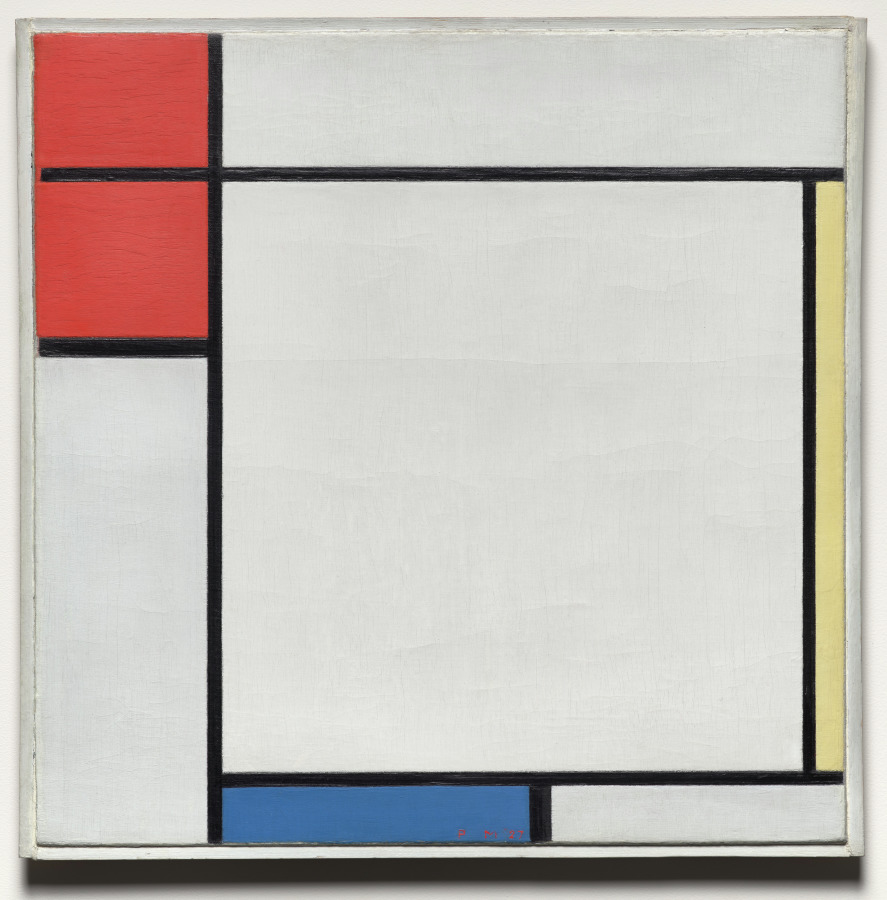
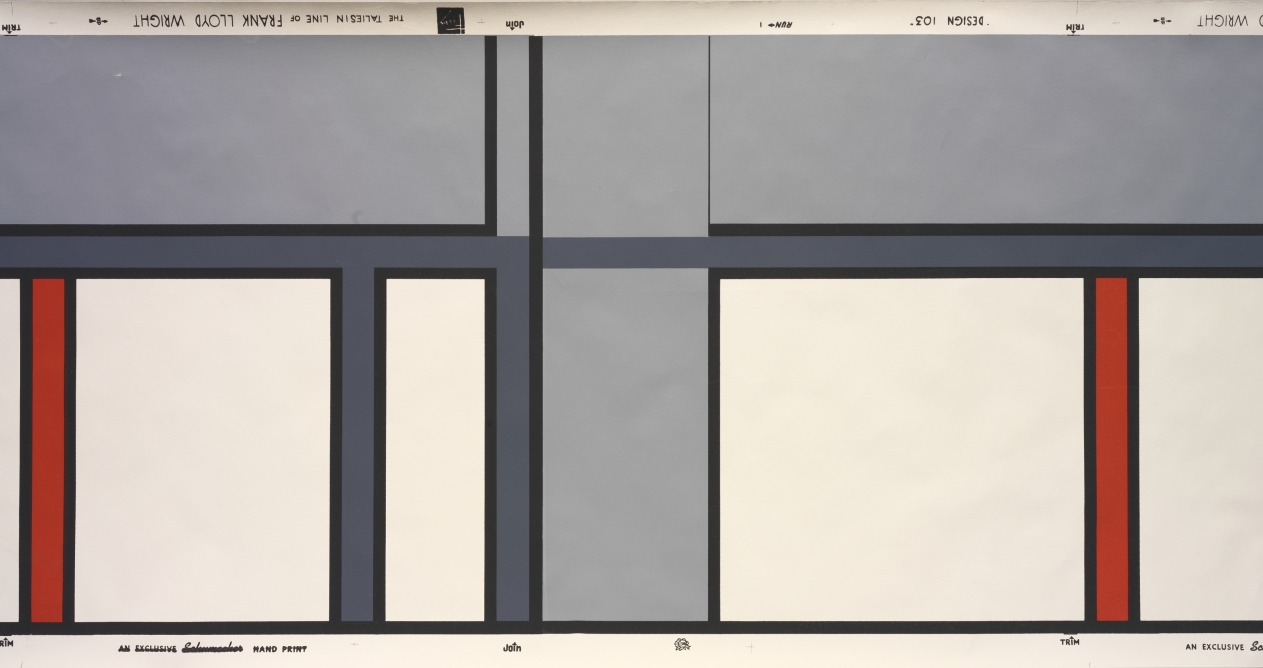
Composition (No. 1) Gray-Red
SEE IT IN PERSON
● On view now — Gallery 393
Art Institute of Chicago, Chicago · verified July 2026
Discussion
FROM THE ART INSTITUTE OF CHICAGO’S CATALOG
The roots of 20th-century abstract art can be traced to the late 19th century, when artists began to move away from the direct representation of objects toward the communication of emotional states or moods. In doing so, the formal properties of art—such visual elements as line, color, and composition—assumed a primary role in its production. After World War I, many artists, including Piet Mondrian, believed that abstract art could contribute to a more harmonious society by communicating in a universal, visual language. In the wake of the war's destruction, artists associated with De Stijl (meaning, "the style") in the Netherlands recognized the need for a break with the past, as well as a new aesthetic language to correspond to their utopian vision of the world. In 1917 Mondrian joined the De Stijl movement and began to develop a purely visual language of verticals and horizontals, restricting his compositions to predominantly off-white grounds divided by black rectilinear lines that framed smaller blocks of primary colors.
Be the first to share your thoughts.
Sign in to join the discussion.