Carousel for Ferdinand II, Duke of Tuscany
SEE IT IN PERSON
Not currently on view
In the collection of Art Institute of Chicago, Chicago · as of July 2026
Discussion
FROM THE ART INSTITUTE OF CHICAGO’S CATALOG
This etching commemorates the extravagant festivities marking the 1637 marriage of Ferdinando de’ Medici— also known as Ferdinand II—to the Princess of Urbino, Vittoria della Rovere. Such lavish displays of wealth maintained the social and political standing of the Italian elite. The central area shows a carriage drawn by four elephants flanked on either side by horsemen and foot soldiers, with a fictive dead dragon in tow. Bordering the central panel are the 15 movements of an equally celebratory and impressive quadrille, or equestrian ballet. Florentine by birth, della Bella worked extensively for the Medici family before going to Rome around 1683. At the top of the largest segment of this work, the coat of arms of the Medici family appears alongside that of the Rovere family.
Be the first to share your thoughts.
Sign in to join the discussion.
More by Stefano della Bella
 Sketches of Child Praying, Two Male Profiles (recto); Sketch
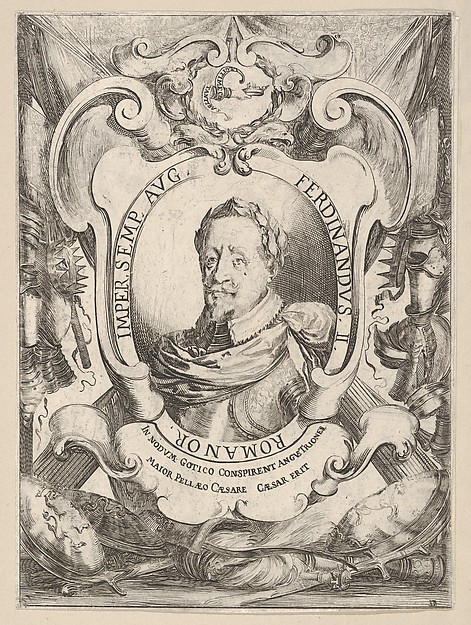 A mid-bust portrait of Emperor Ferdinand II, within an oval
 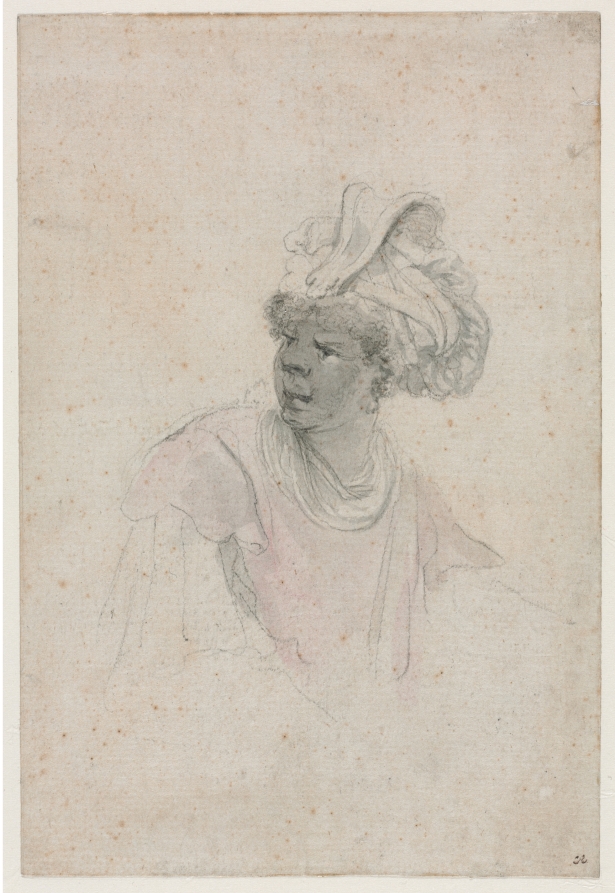 Man Wearing a Fantastic Headdress, Facing to the Left
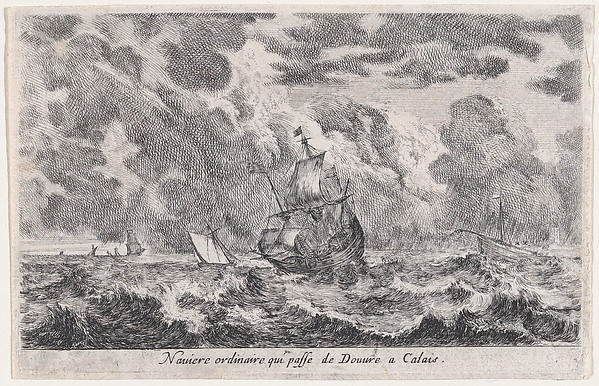 A ship travelling between Dover and Calais, from "Views of s
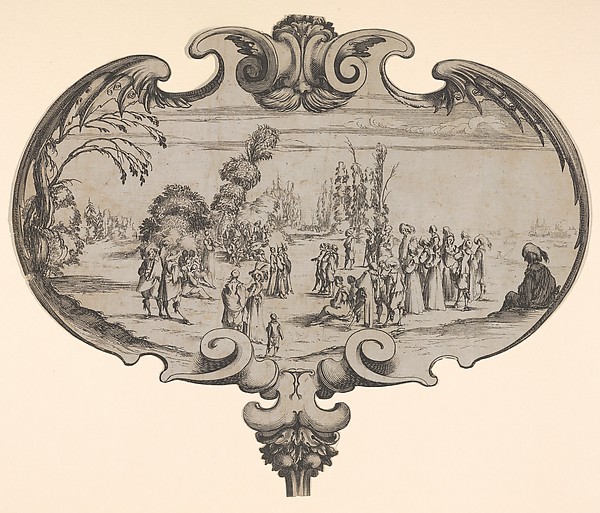 A fan with a musical troupe and spectators
 Plate 38: head of a man with a moustache and cap, facing rig
 Castel Sant' Angelo
 Rock of the Philosphers, or Mount Parnassus, many ancient ph
More like this
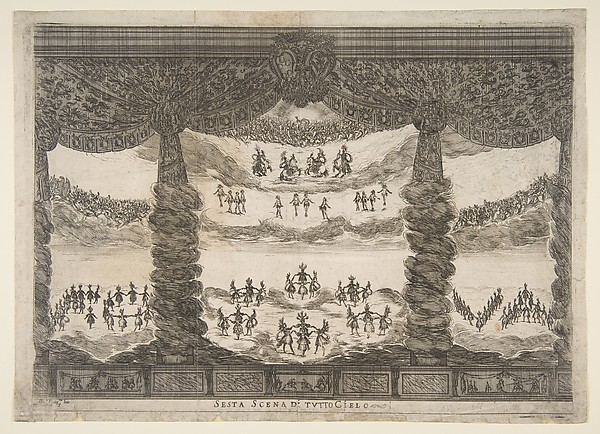 Stefano della Bella|Alfonso Parigi|Ferdinando II de' Medici,
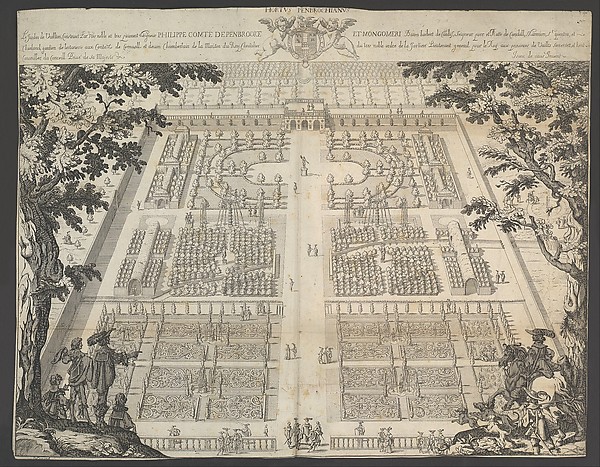 Thomas Rowlett|Isaac de Caus|Peter Stent — Wilton Garden, pl
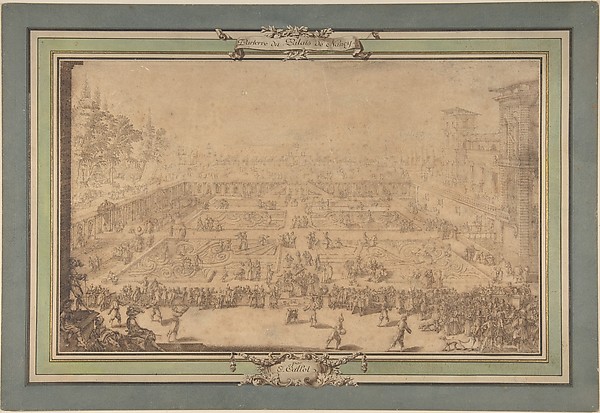 Jacques Callot — Parterre du Palais de Nancy / The Garden Pa
 Jacques Callot — First Intermezzo of the Veglia of the“Liber
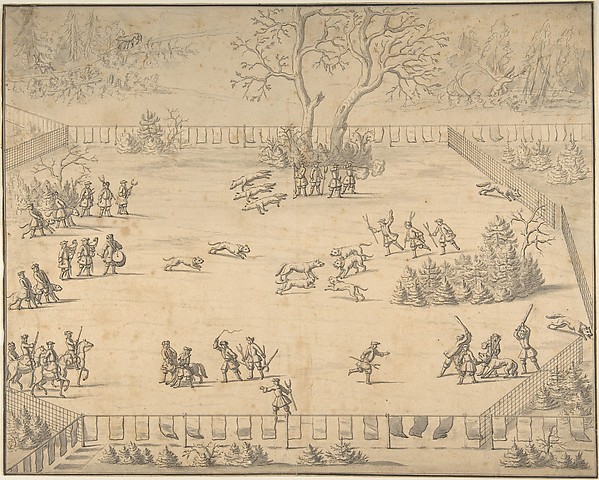 Anonymous, German, 18th century — Design for an Illustration
 anonymous — Laatste scène van Les petits comédiens
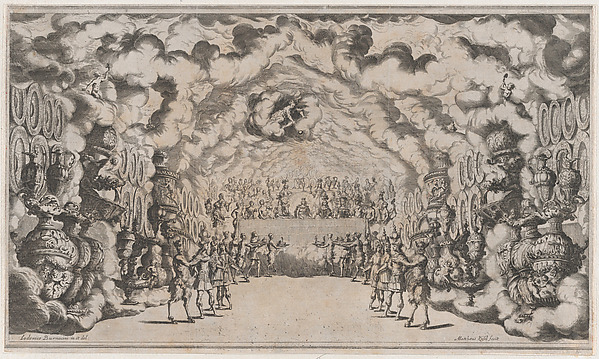 Ludovico Ottaviano Burnacini|Mathäus Küsel — Kingdom of Jove
 Mathäus Küsel|Ludovico Ottaviano Burnacini — Arsenal of Mars
 Jean Le Pautre|Edme Martin — The Coronation of Louis XIV
 Inferno
 Jacques Callot|Lorenzo de' Medici — Le Feu d'Artifice sur l'
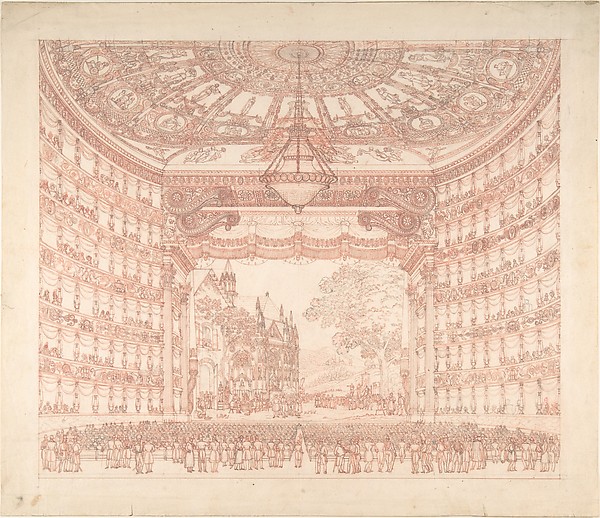 Anonymous, Italian, 19th century — Stage Set with Peasants M