In the collection of Cleveland Museum of Art, Cleveland — check current display status with the museum.
FROM THE CLEVELAND MUSEUM OF ART’S CATALOG
Around 1600, three decades after the death of artist Pieter Bruegel (about 1525-1569), a renewed interest in his work sparked the so-called Bruegel Renaissance. Admired for his scenes of everyday life and his realistic landscapes, he was highly praised for faithfully following nature. Appropriately, the inscription on Sadeler's print is a lengthy discussion about the imitation of nature, a matter of great interest to artists at the time. Bruegel is surrounded by Minerva and Mercury (who here personify Art and Eloquence, respectively) and a composite figure of Fortune and Fame. The cherub bearing the skull and torch at bottom is probably Thanatos, a classical symbol of death. He bows to mourn the artist, but as the still-flaming torch indicates, Bruegel's genius and fame are immortal.
Be the first to share your thoughts.
Sign in to join the discussion.
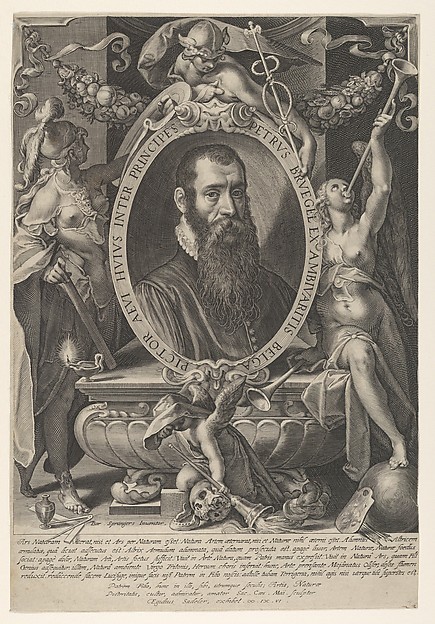 Aegidius Sadeler II|Bartholomeus Spranger — Portrait of Piet
 Jan Muller|Hendrick Goltzius — Portrait of Hendrick Goltzius
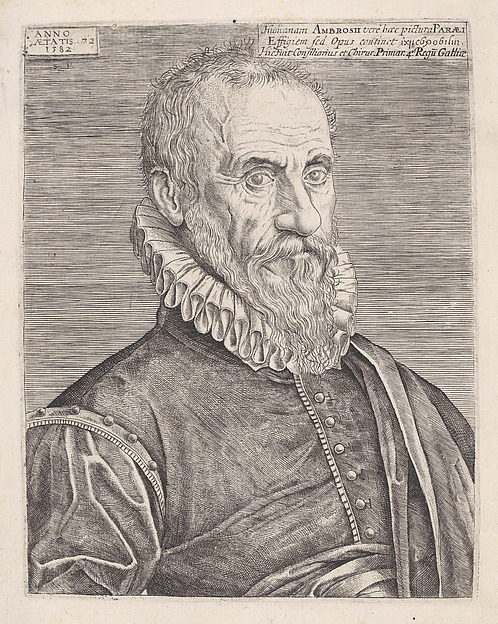 Ambroise Paré|Etienne Delaune — Portrait of Ambroise Paré, t
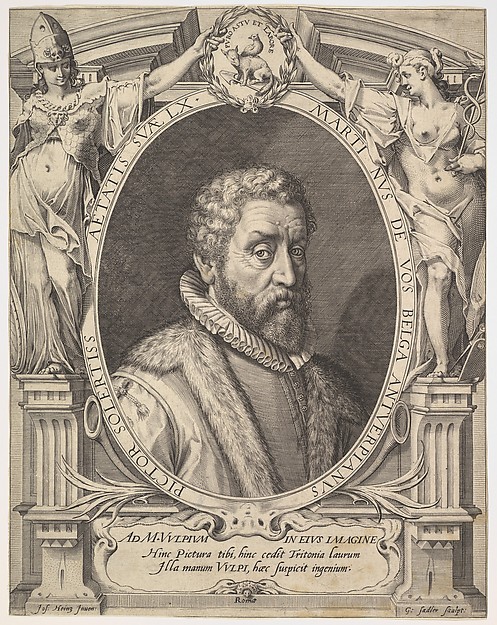 Aegidius Sadeler II|Joseph Heintz the Elder|Maerten de Vos —
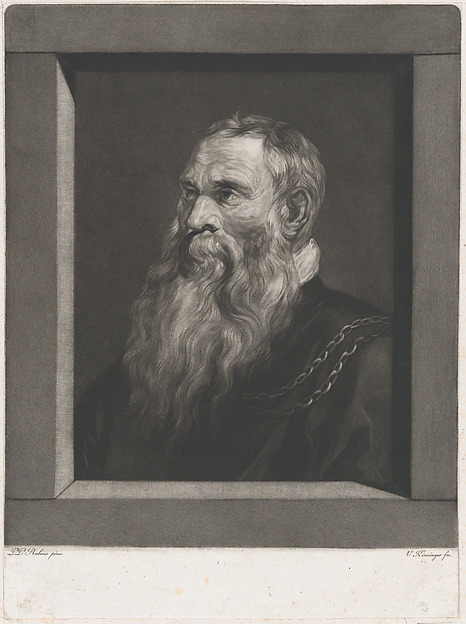 Peter Paul Rubens|Vincenz Georg Kininger — Portrait of an ol
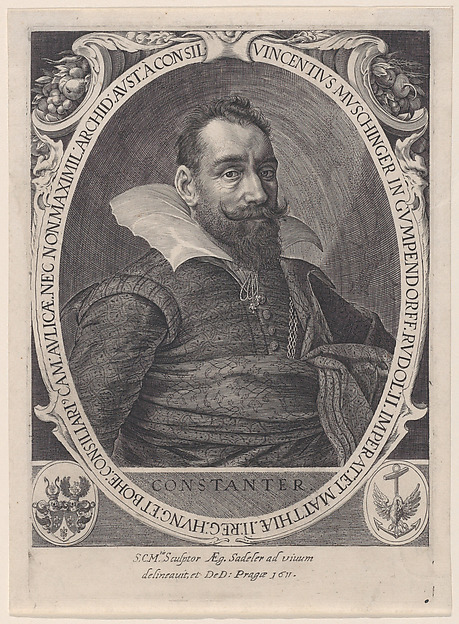 Vincenz Muschinger|Aegidius Sadeler II — Vincenz Muschinger,
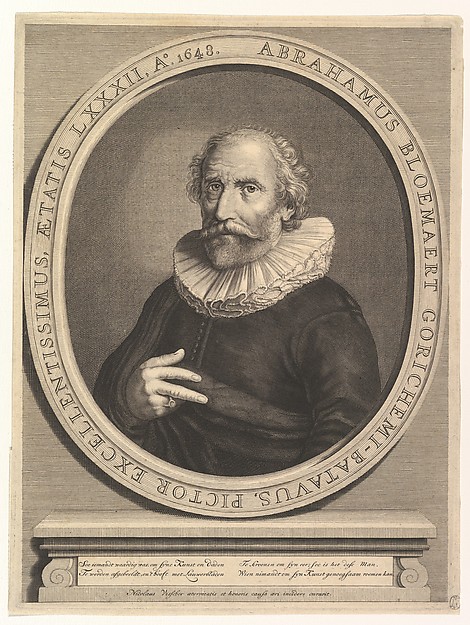 Nicolas Visscher I|Abraham Bloemaert — Portrait of Abraham B
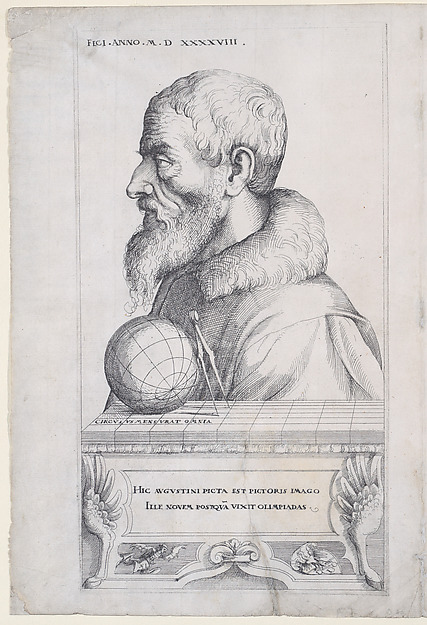 Augustin Hirschvogel — Self Portrait of the Artist and Coat
 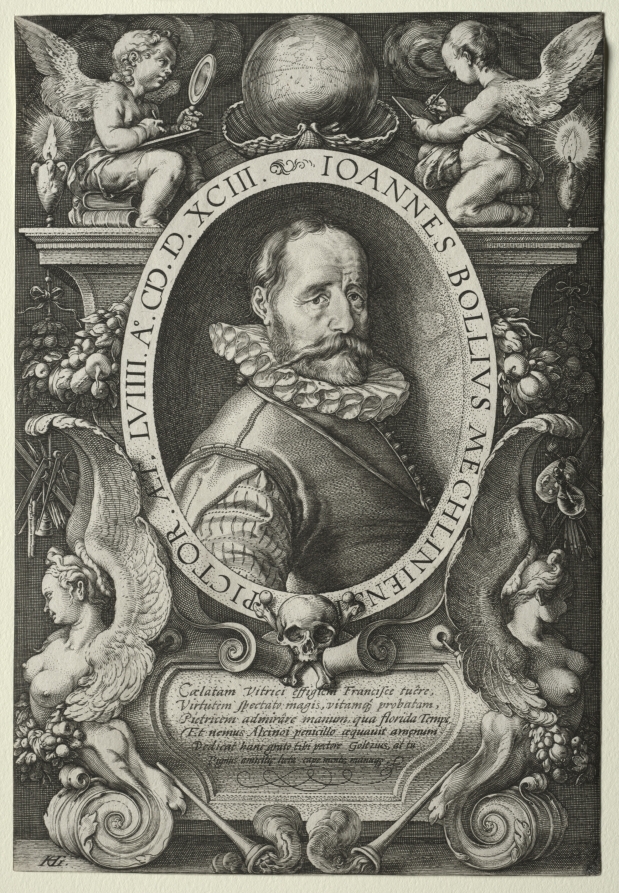 Hendrick Goltzius (Dutch, 1558–1617) — Hans Bol
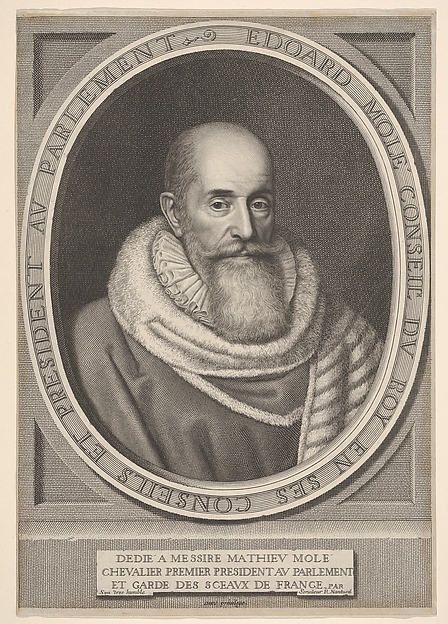 Robert Nanteuil — Edouard Molé
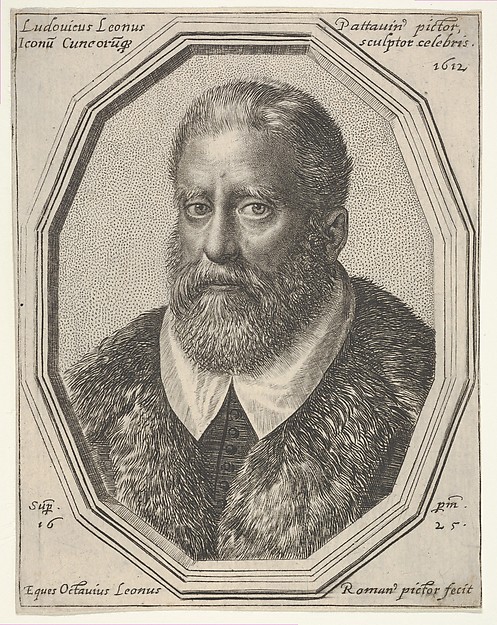 Ottavio Leoni (Il Padovano) — Ludovico Leoni, a bust-length
 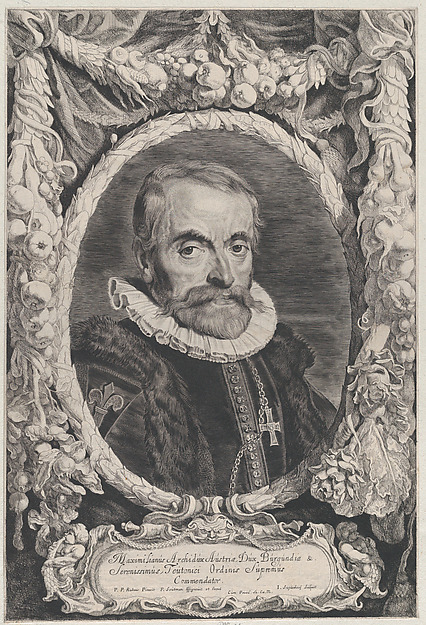 Maximilian III, Archduke of Austria|Pieter Soutman|Peter Pau